Popular foods from pizza and beer to fish and chips are becoming noticeably more expensive, underscoring how persistent inflation is reshaping everyday consumption and squeezing household budgets even in categories once considered affordable comfort food.
UK food prices rise for pizza, beer and fish and chips
The broader economic significance is straightforward: when the cost of familiar, mass-market foods rises faster than incomes, consumers are forced to trade down, cut frequency or accept smaller portions of discretionary spending. That matters for demand across the food, beverage and hospitality sectors, and it also keeps pressure on policymakers who are trying to judge whether inflation is truly easing at the household level.
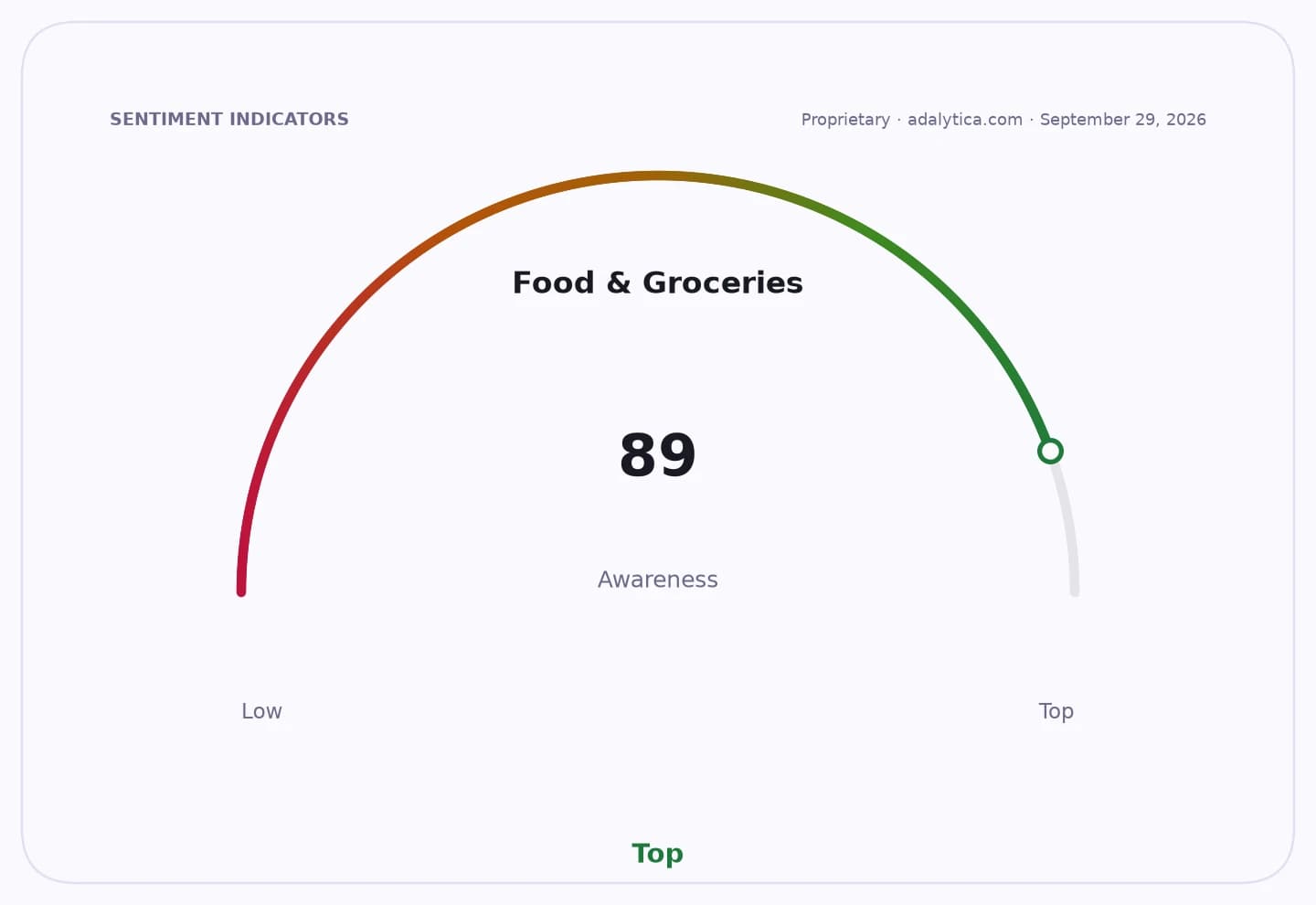
Sentiment IndicatorsⓘProprietary · adalytica.com · September 29, 2026
This is a snapshot — live sentiment, awareness and momentum for 130+ markets update continuously in the dashboard.Open AlphaPulse
The clearest example is Britain’s fish and chips, where the price has nearly doubled in recent years. Similar pressure is being felt across other staples, with pizza, ice cream and beer all increasingly behaving like small luxuries rather than weekly purchases. The pattern fits a wider global backdrop in which food prices remain vulnerable to climate shocks, geopolitical tensions, higher import costs and supply-chain disruption, according to the Food and Agriculture Organization.
For investors, the implication is two-sided. Companies with pricing power can protect margins for a time, especially branded food and drink groups that can pass on higher input costs. But there is a ceiling: if prices rise too far, volumes weaken and consumers shift to cheaper alternatives. That balance is visible in company filings across the sector, where makers of packaged food and beverages warn that commodity, packaging, labor and distribution inflation may not be fully offset by price increases.
The risk is not confined to one country or one product category. Food inflation tends to be sticky because it is driven by both demand and supply factors — from weather to transport to trade tensions — and because consumers feel it immediately in the weekly shop. Even where headline inflation has eased, the basket of everyday purchases can still feel expensive, which explains why sentiment around food prices often remains more negative than broader macro data would suggest.
That leaves the market with a familiar but important question: which companies can maintain pricing discipline without destroying demand, and which will be forced to sacrifice margins to keep customers? The answer will shape earnings across consumer staples, restaurants and beverage makers as inflation settles into a less visible but still economically powerful part of household spending.
| Entity | Gains | Losses |
|---|---|---|
| Branded food makers | ▲Pricing power | ▼Volume growth |
| Consumers | ▲Lower prices if inflation eases | ▼Disposable income |
| Restaurants/takeaway chains | ▲Menu flexibility | ▼Foot traffic |
| Value retailers | ▲Trading-down demand | ▼Premium food brands |