Spanish households are absorbing another sharp hit to their purchasing power as the cost of a basic shopping basket rose more than 15% in the past year, the steepest annual increase in 34 years and one that now affects 95% of the products in the standard basket.
Spain food prices rise 15% in a year
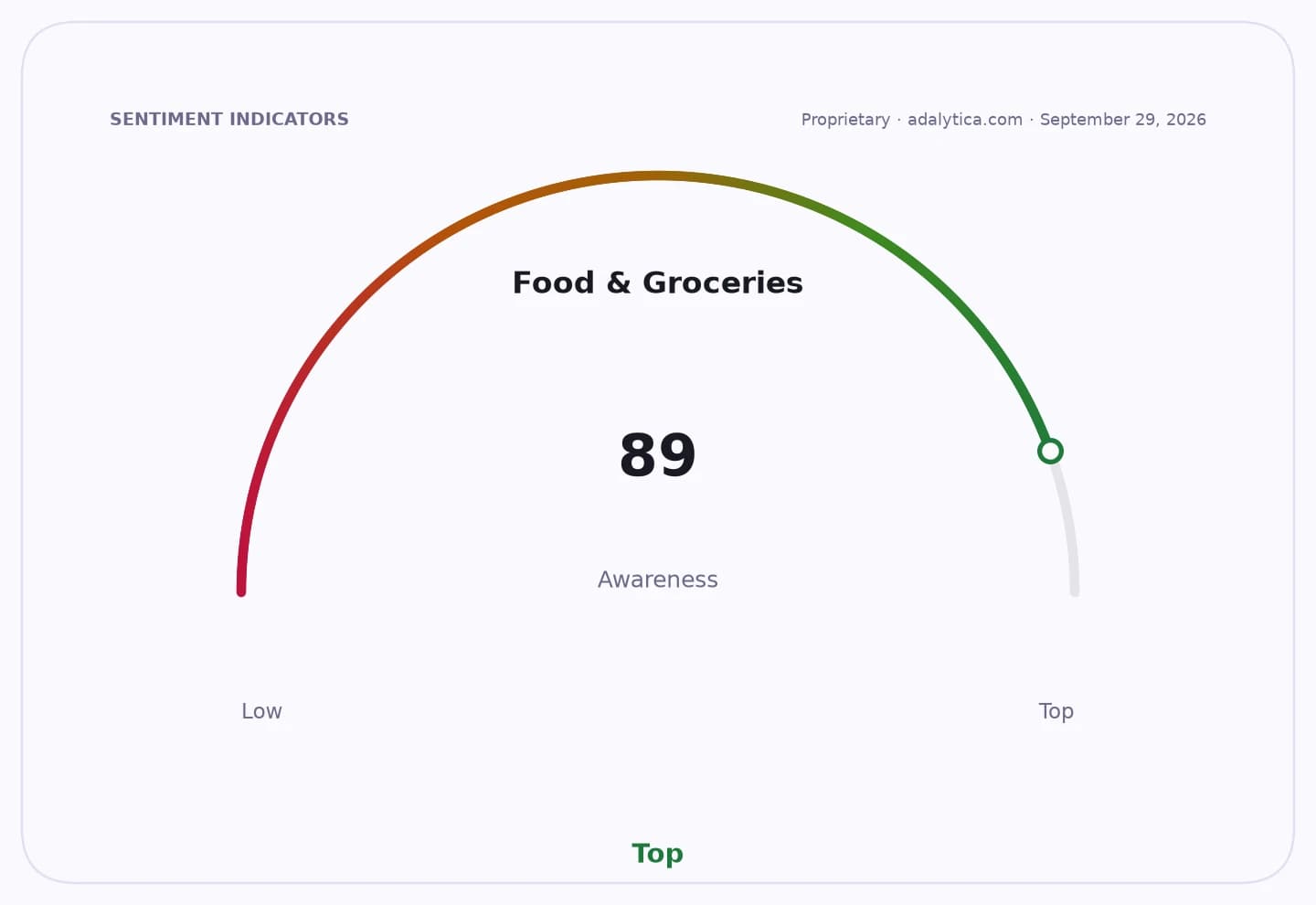
That matters because food inflation is no longer a narrow price shock confined to a few items. It is now feeding through to everyday spending, stretching family budgets and keeping broader consumer inflation elevated even as some energy-related support measures fade. The result is a slower recovery in real incomes, weaker discretionary spending and a more persistent inflation problem for policymakers.
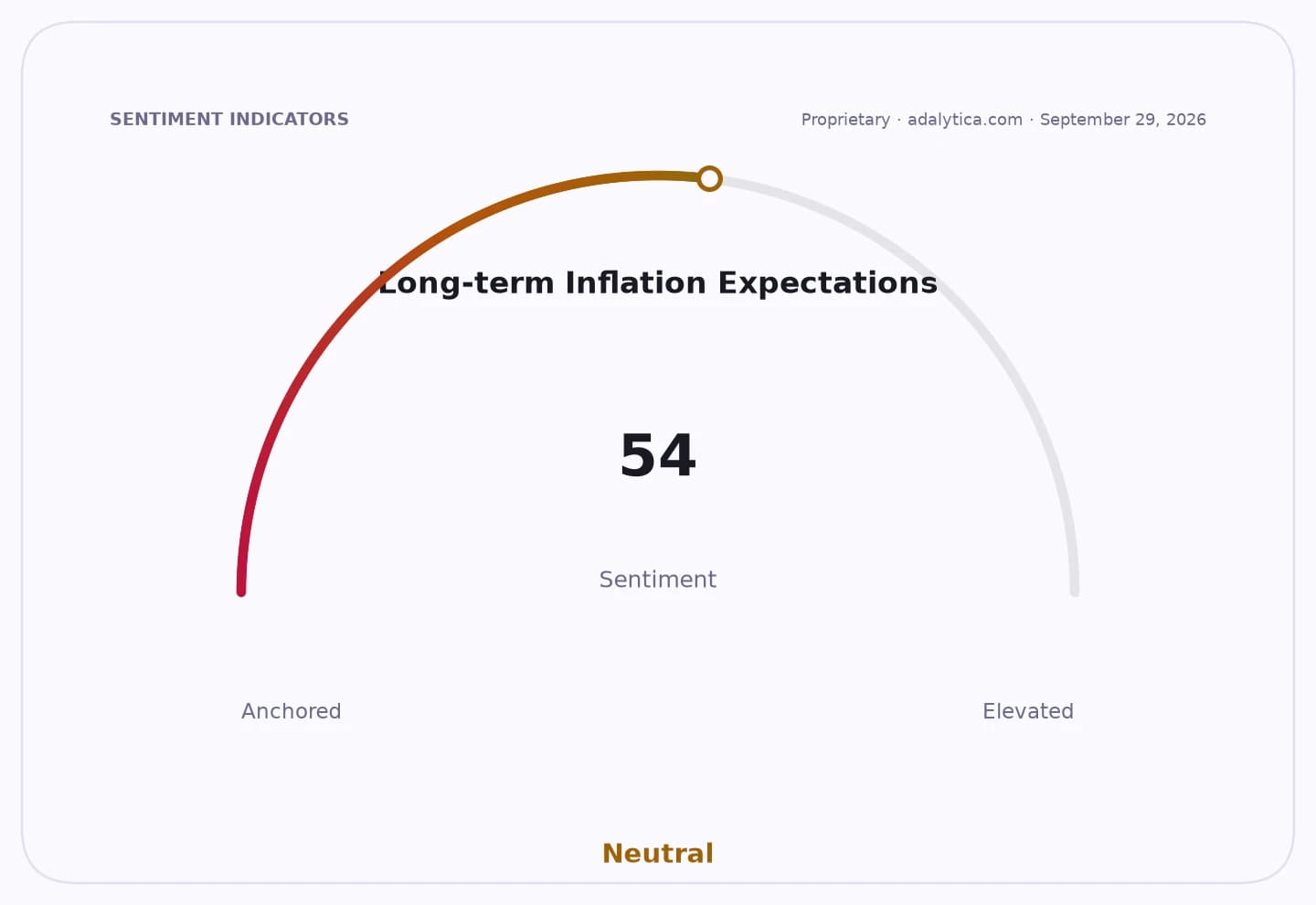
Sentiment IndicatorsⓘProprietary · adalytica.com · September 29, 2026
This is a snapshot — live sentiment, awareness and momentum for 130+ markets update continuously in the dashboard.Open AlphaPulse
Spain’s annual consumer price inflation accelerated to 4.3% in August from July, while core inflation stood at 2.9%, suggesting the pressure is not just coming from volatile items. Over the past five years, the overall CPI has climbed about 25%, while food prices are up roughly 37%, according to the Spanish consumer group OCU. Average household spending on food and drink has also risen 3% from a year earlier, to nearly 1,900 euros a year per person, the agriculture ministry said.
The details show how broad the squeeze has become. Fresh berries are up 35.7% over the year, citrus fruits more than 17%, green legumes 15.9%, eggs 12.5% and fresh fish nearly 8%. Eggs alone stand out as a major pressure point: household spending on the category jumped 28.5% to 1.876 billion euros as consumers paid more for a staple they cannot easily substitute away from.
For retailers, the data point to a classic trade-down dynamic. Spending on prepared dishes rose 7.6% as they reached 99% of Spanish households, suggesting shoppers are shifting away from fresh ingredients that have become harder to afford. Families bought 7.3% less meat, even as spending on it still rose 5.7%, while purchases of fresh fish fell 5.2% despite flat spending. That is a sign of demand destruction, not just price inflation.
The macro backdrop is worsening the strain. The report links the rise in food prices to the protracted conflict in the Middle East and the rollback of some fuel and electricity subsidies, both of which have fed into higher transport and production costs. FAO warnings about climate change, geopolitical tensions and supply shocks add a broader global risk to an already vulnerable food market.
Investors should care because food inflation changes consumer behavior before it shows up cleanly in corporate earnings. In the U.S., large grocers such as Walmart and Kroger have benefited from households trading down, while Costco has navigated a mix of price discipline and membership resilience. In Spain, the same dynamic can support discount chains and private-label sellers, but it also raises the risk of margin pressure if retailers absorb more of the cost or face slower volume growth.
The households most exposed are not buying less because they are choosing to save; they are buying less because they have to. Foessa says 56% of households in Spain’s big cities struggle to make ends meet or do not reach month-end comfortably. That is the kind of stress that tends to keep consumption weak, intensify political pressure for intervention and force retailers to compete harder on price.
If food prices stay elevated into the autumn, the issue will shift from a cost-of-living complaint to a broader demand problem. For policymakers, the challenge is balancing inflation control against social strain. For investors, the key question is which consumer-facing businesses can protect volumes and which are exposed to a prolonged squeeze on Spanish household spending.
| Entity | Gains | Losses |
|---|---|---|
| Discount grocers | ▲Trade-down demand | ▼Full-price retailers |
| Private-label brands | ▲Bargain-seeking shoppers | ▼Premium food brands |
| Food retailers | ▲Higher ticket sizes | ▼Consumer volumes |
| Spanish households | ▲None | ▼Real purchasing power |