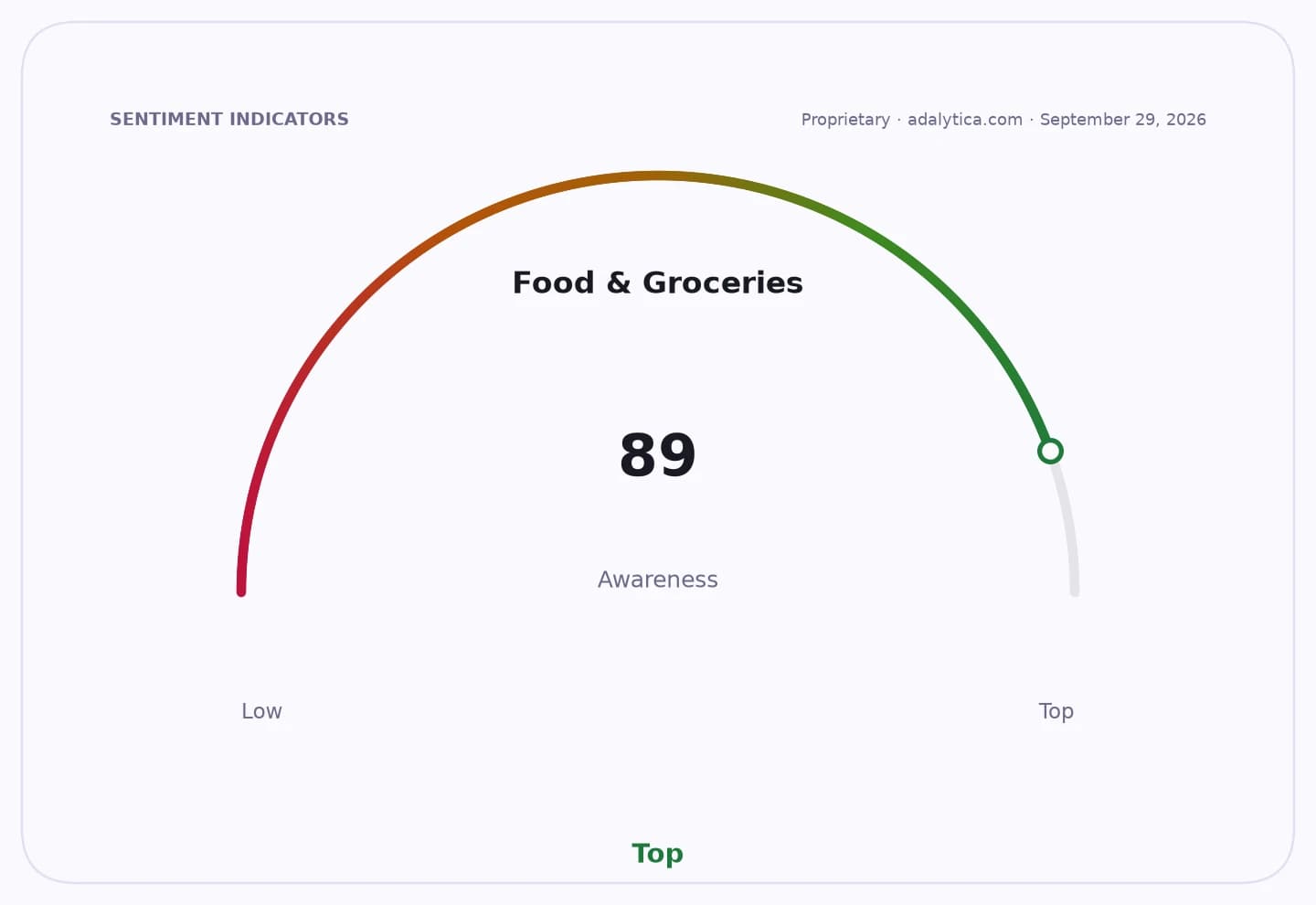
Spain’s opposition leader Alberto Núñez Feijóo has proposed a broad inflation-relief package that would cut VAT on basic foods to 0%, lower energy VAT to 10% and double tax discounts for each child, a move aimed at households squeezed by the country’s highest inflation in more than two years.
Spain inflation relief plan targets food and energy VAT
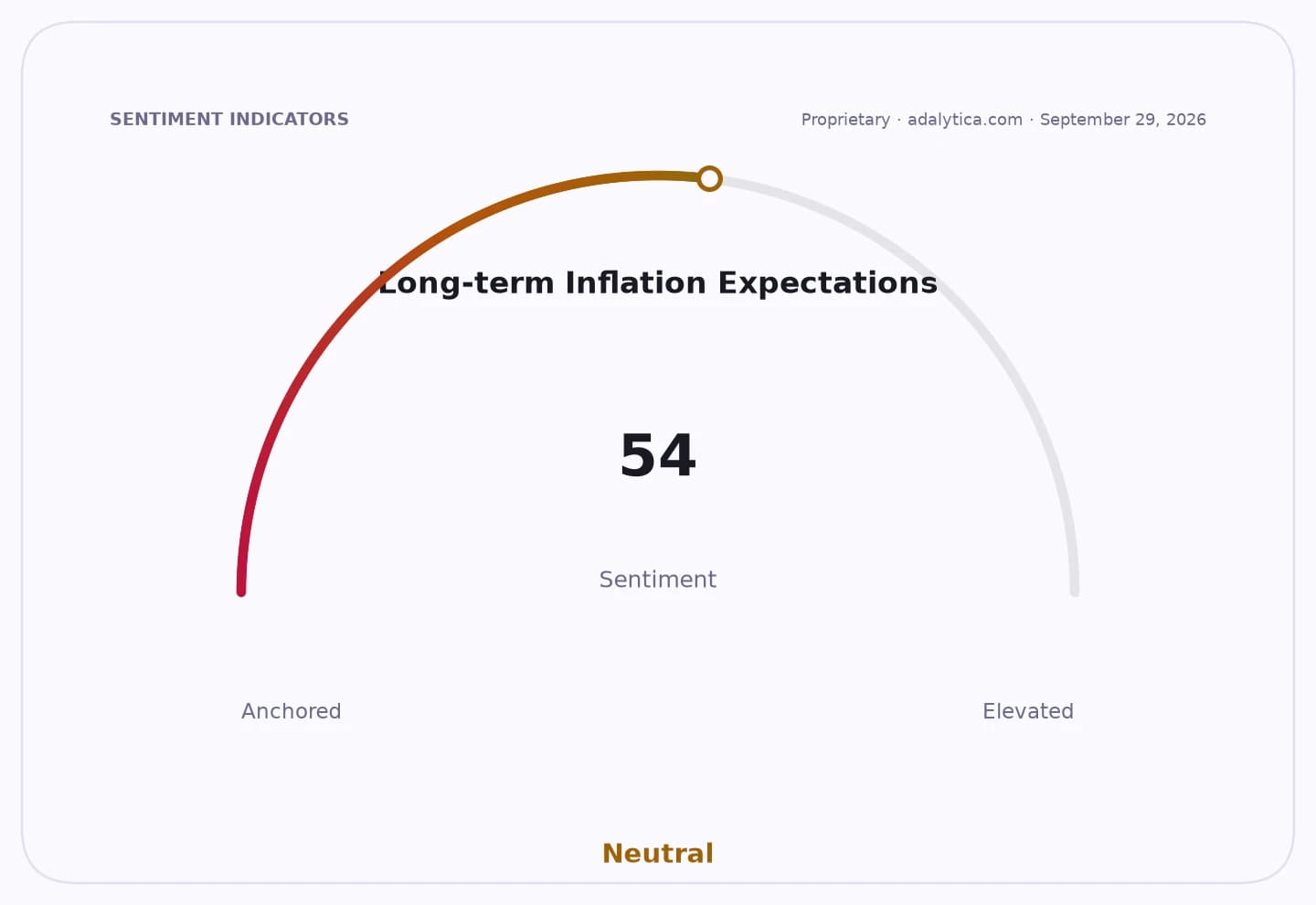
The proposal lands at a politically sensitive moment because Spain’s consumer prices are still running hot even as growth has held up. Harmonized inflation rose 5.0% in September, the fastest pace since early 2023, driven by fuel and tourist-package costs, while the economy expanded 2.6% in the second quarter. That combination of resilient growth and sticky prices makes Spain unusual in the euro area: consumers are paying more, but policymakers are not dealing with recession.
Sentiment IndicatorsⓘProprietary · adalytica.com · September 29, 2026
This is a snapshot — live sentiment, awareness and momentum for 130+ markets update continuously in the dashboard.Open AlphaPulse
For investors, the key issue is not just the size of the tax cut but the signal it sends about the policy response if inflation remains above target through 2027, as the OECD expects. A zero VAT rate on staples would directly reduce food prices for households, while a lower rate on energy would soften another major source of pressure. Together, the measures would likely support real disposable income and consumer spending, but they would also reduce fiscal room at a time when governments across Europe are trying to keep budgets credible.
The plan also speaks to the broader political economy of inflation. Spain has a housing shortage estimated at 750,000 units, adding to pressure on household budgets, and regional public finances remain strained. Relief on groceries and power bills is likely to be popular with voters, but it risks colliding with the need to finance services and maintain deficit discipline. If adopted, it could modestly cushion consumption, especially for lower-income families with children, but the benefit would depend on how much of the tax cut is passed through to prices rather than retained in margins.
Market reaction so far reflects the bigger macro picture rather than the proposal itself. The S&P 500 has held above its 200-day moving average, but inflation-sensitive sectors remain in focus globally as bond yields stay elevated. Spain’s policy debate matters because persistent inflation keeps pressure on real wages, consumer demand and the European Central Bank’s room to maneuver, particularly if energy prices remain volatile.
The bull case is that targeted tax cuts can quickly ease household pain without waiting for wage growth to catch up. The bear case is that they offer only temporary relief, may be expensive to fund and do little to solve the underlying supply-side issues keeping Spain’s inflation above peers.
What matters next is whether Feijóo’s proposal gains enough political traction to force the government to sharpen its own response. If inflation stays elevated into year-end, food and energy relief is likely to remain at the center of Spain’s economic debate.
| Entity | Gains | Losses |
|---|---|---|
| Spanish households | ▲Lower food and energy bills | ▼Less fiscal space if funded poorly |
| Families with children | ▲Bigger tax relief | ▼Limited benefit if inflation stays sticky |
| Retailers and grocers | ▲Higher volume from stronger purchasing power | ▼Margin pressure if price pass-through falls |
| Spanish government budget | ▲Political pressure eased if measures work | ▼Tax revenue and deficit headroom |