Food inflation in Croatia has “completely stopped,” the central bank governor said, a sign the country’s latest inflation wave is starting to lose its broad-based grip even as energy prices keep the headline rate elevated.
Croatia Food Inflation Stops as August CPI Hits 4.2%
That matters because the real test for Europe is no longer whether energy can jolt consumer prices higher — it can — but whether those shocks spill into food, services and wages and turn temporary price pressure into something sticky. If they do not, policymakers get cover to avoid overtightening, while investors get a cleaner path to lower rates, steadier growth and less margin pressure across consumer-facing sectors.
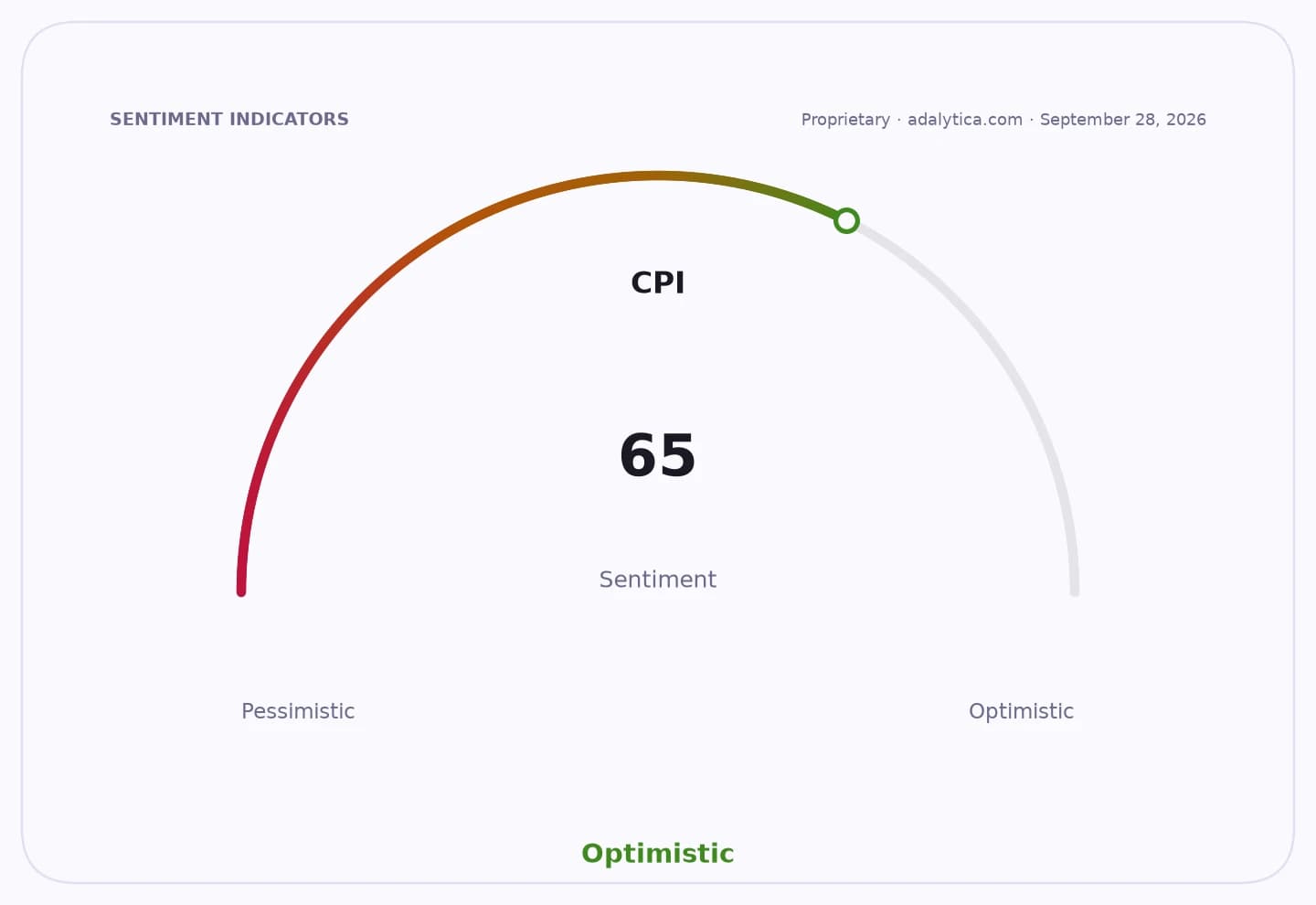
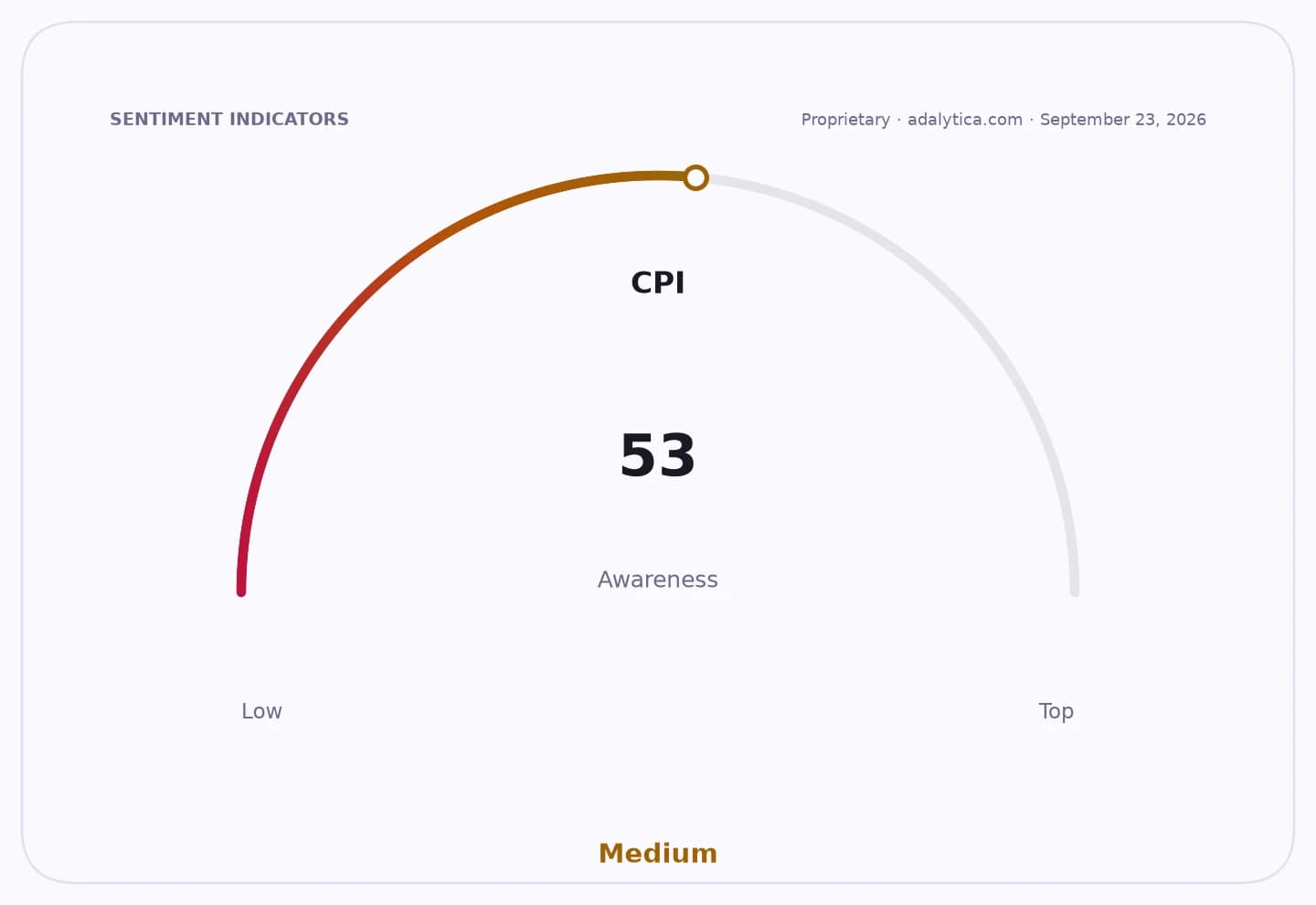
Sentiment IndicatorsⓘProprietary · adalytica.com · September 28, 2026
This is a snapshot — live sentiment, awareness and momentum for 130+ markets update continuously in the dashboard.Open AlphaPulse
HNB Governor Ante Žigman said August inflation accelerated to 4.2% on a national basis, mainly because of fuel prices, but emphasized that food-price growth has stopped and services are cooling. He expects inflation to drift toward the EU and euro-area average by year-end and, if the energy shock does not spread further, return toward 2% next year.
The message is important well beyond Croatia. Žigman sits on the European Central Bank’s Governing Council, and his remarks underline a split the market has been grappling with across Europe: headline inflation is still vulnerable to geopolitical spikes, especially from the Middle East and the war in Ukraine, but underlying price pressure is looking less dangerous than it did a year ago. That reduces the odds of a policy error in which the ECB keeps rates too high just as growth is already fragile.
His comment that food inflation has stopped is the key macro marker. Food is where inflation becomes politically toxic and economically persistent. When grocery prices keep rising, households cut discretionary spending, wage demands stay firm and governments face pressure to intervene in energy and food markets. When food cools, inflation usually loses momentum faster than headline numbers suggest.
Žigman also said Croatia’s economy should still expand 2.4% this year, roughly two and a half times faster than the euro-area average, while euro-area growth was raised modestly to 0.9% for 2026 and 1.4% for 2027. That combination — above-average growth with easing inflation — is the kind of backdrop that supports domestic cyclicals, lenders and consumer names, while reducing the case for emergency-style policy tightening.
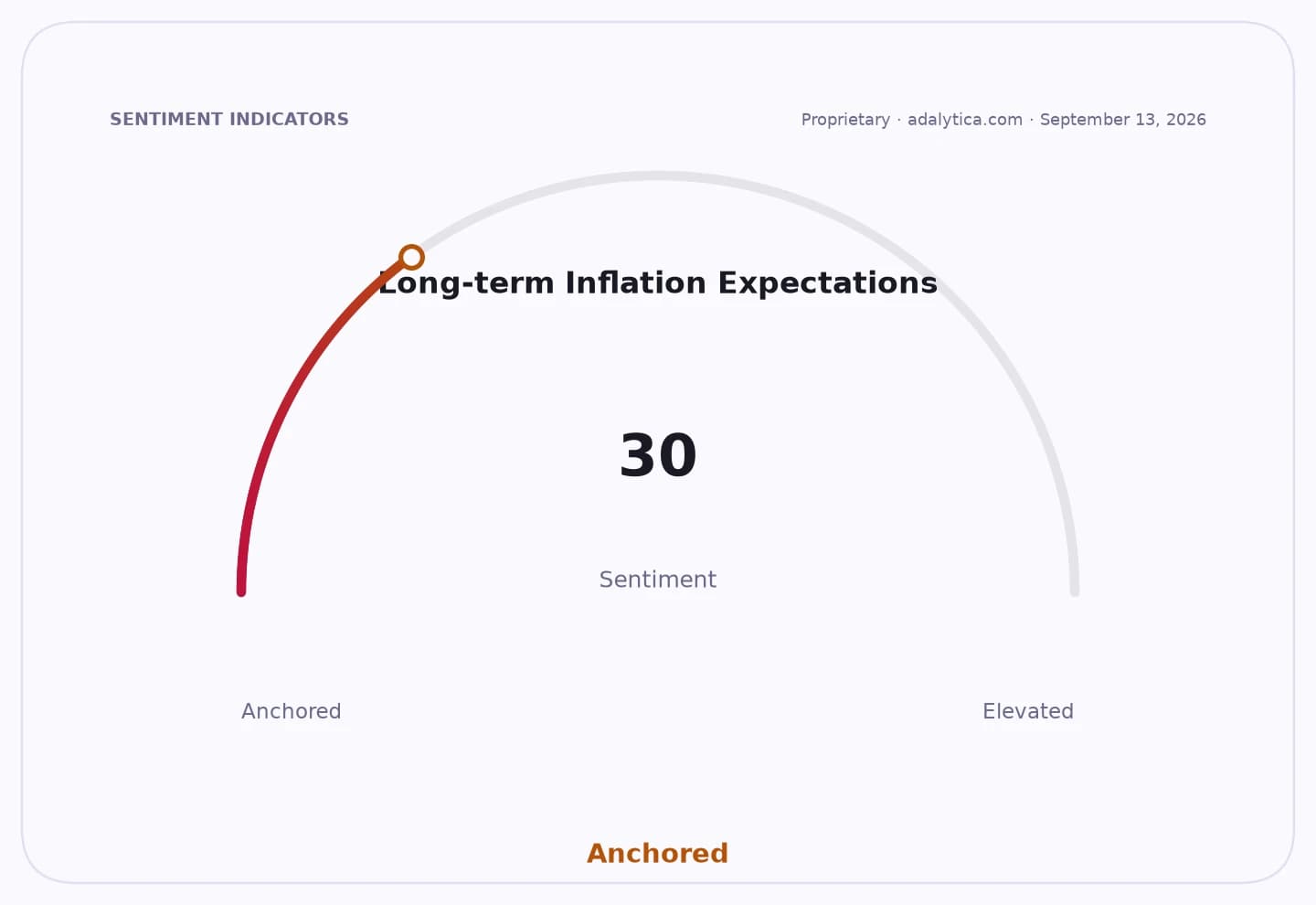
For investors, the bigger opportunity is the second-order trade. If energy remains volatile but food and services stop reaccelerating, markets should begin to price a slower inflation regime rather than a renewed inflation cycle. That favors duration, quality consumer spending, and companies exposed to domestic demand rather than pure price pass-through. It also argues for watching inflation expectations closely: Adalytica’s long-term inflation sentiment and five-year breakeven readings remain in fear territory, suggesting markets are still discounting too much persistence.
The risk, of course, is that geopolitics keeps feeding energy shocks into the system. Žigman warned that wars in Ukraine and the Middle East remain the biggest threat to growth, and he said future ECB moves will depend on incoming inflation data at the October meeting. But the immediate read-through is constructive: the inflation fight is becoming narrower, not broader.
That is why the market should focus less on the next fuel-price spike and more on whether food and services keep quiet. If they do, Europe’s inflation story shifts from crisis management to normalization — and that is where the asymmetric upside lies for patient investors.
| Entity | Gains | Losses |
|---|---|---|
| Croatian consumers | ▲Slower food inflation | ▼Purchasing-power squeeze |
| ECB / HNB | ▲More policy flexibility | ▼Pressure to keep rates restrictive |
| Domestic retailers | ▲Stable demand, less panic pricing | ▼Margin pressure from energy costs |
| Energy producers | ▲Higher fuel prices | ▼Softer pass-through if demand cools |