Europe’s latest inflation read is looking better just as surging fuel costs threaten to drag the region back into the same price-pressure trap that forced the European Central Bank to keep tightening.
Eurozone inflation, energy costs, and ECB rates
That is the real market story behind the “surprisingly good” data: headline inflation may have eased enough to reassure policymakers for now, but the energy shock is still alive, and it is already spreading beyond petrol and power into broader business and household costs. For investors, that means the eurozone disinflation trade is far from settled, bond yields can stay sticky, and rate-sensitive assets still face a rougher path than the recent moderation in price data suggested.
Sentiment IndicatorsⓘProprietary · adalytica.com · September 28, 2026
This is a snapshot — live sentiment, awareness and momentum for 130+ markets update continuously in the dashboard.Open AlphaPulse
The tension is clear in the latest survey evidence. Eurozone business activity accelerated in September at the fastest pace in more than three years, with the composite PMI rising to 53.1 from 52.0 and beating forecasts. New orders climbed at the strongest pace in four years, while services hit the highest level in nearly a year. On the surface, that looks like the kind of resilience that should help Europe absorb higher energy bills.
But the same report also shows why inflation remains the dominant macro risk. Companies across the region are still facing pressure from energy, and the ECB has already raised rates twice this year in response to those costs. Christine Lagarde has said there are no signs yet of inflation becoming entrenched, but the market cannot ignore the fact that energy has a habit of leaking into wages, transport and input costs long after the initial shock fades.
That is why this matters for asset allocation. If energy prices flare again, the ECB will have little room to pivot quickly, even if growth cools later in the year. The PMI data make it harder for dovish policymakers to argue for an early pause, and they strengthen the case for another hike path that markets are already pricing in through mid-2027. For eurozone equities, that keeps pressure on domestic cyclicals, rate-sensitive sectors and highly leveraged balance sheets. For fixed income, it argues for caution on the long end if growth holds up while inflation stays sticky.
The market is also underestimating the second-order effects on energy-linked winners and losers. Higher crude and gas prices support integrated producers and energy ETFs such as XLE, while leaving transport, consumer discretionary and industrial users with less pricing power. Shell and BP have already benefited from the repricing of the oil complex, and the latest move in Brent above $99 a barrel reinforces the broader energy scarcity trade. The 10-year U.S. yield pushing back above 5.1% adds another layer of pressure, because globally tighter financial conditions tend to keep defensive capital flowing toward cash-generating energy names rather than long-duration growth assets.
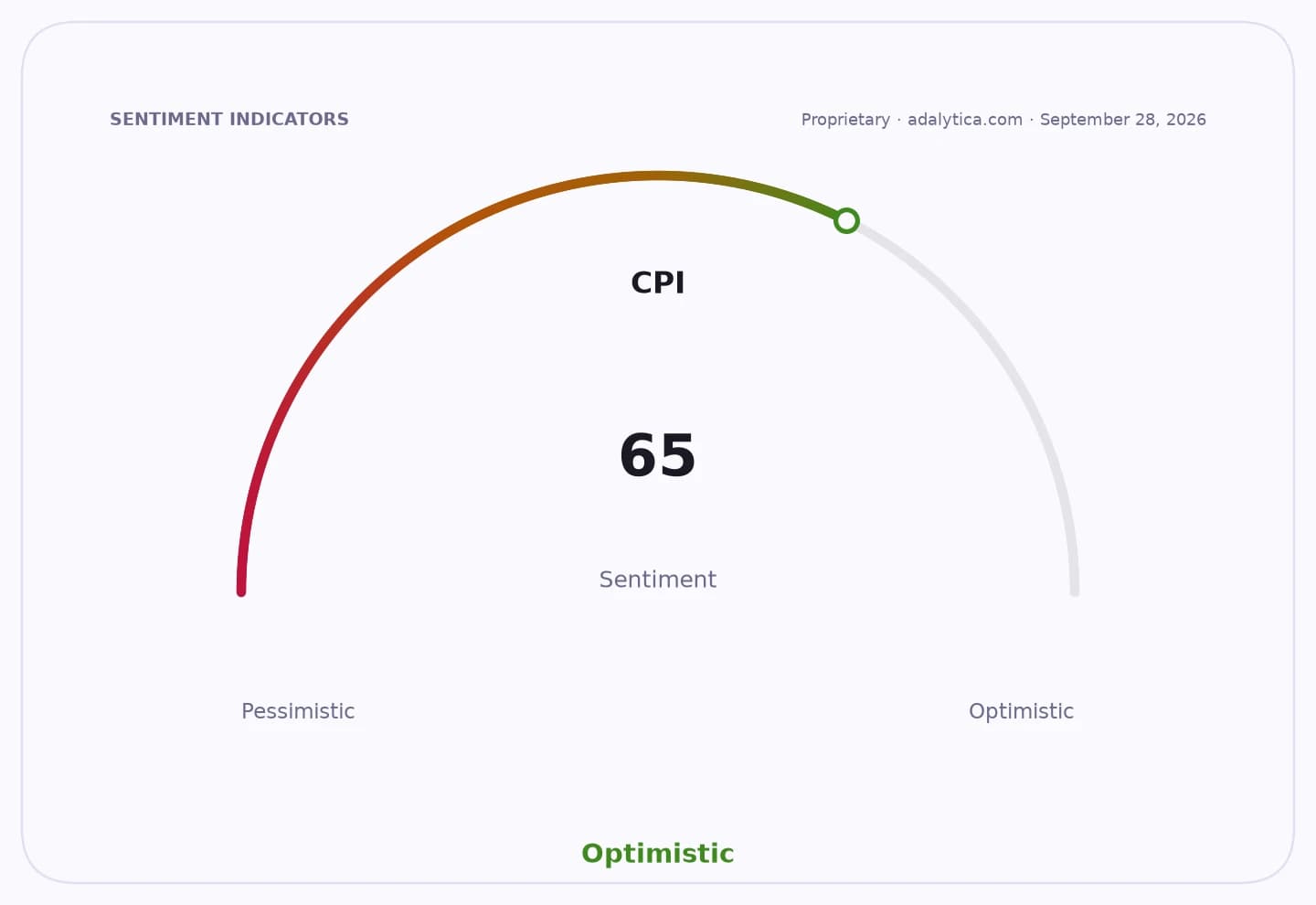
Adalytica’s CPI sentiment snapshot turning back to neutral after an abrupt jump in fear captures the uncertainty well: investors are no longer treating inflation as a solved problem. That is exactly when positioning matters most. If energy remains elevated, the next leg of the trade is not just about central-bank rhetoric — it is about who can pass through costs, who can protect margins and who gets squeezed when the ECB is forced to stay on guard.
The actionable takeaway is straightforward: don’t chase the disinflation narrative too early. Own the beneficiaries of sticky energy and persistent rates, stay selective on European duration-sensitive exposure, and treat every “good” inflation print as provisional until fuel prices stop flaring up again.
| Entity | Gains | Losses |
|---|---|---|
| Energy producers | ▲Higher margins | ▼Rate-sensitive sectors |
| ECB hawks | ▲More policy cover | ▼Doves seeking a pause |
| Shell, BP, XLE | ▲Inflation hedge demand | ▼Consumer discretionary |
| Eurozone consumers | ▲Temporary relief on softer prints | ▼Transport and utility bills |