Natural gas prices in Europe slipped below 73 euros a megawatt-hour, a welcome sign for households, factories and inflation-watchers after a period when energy costs were a major economic threat.
Europe TTF gas falls below 73 euros
The benchmark TTF contract in Amsterdam fell about 1% to 72.6 euros per MWh, according to the data provided. That move may look small on a single morning, but it matters because the TTF is the pricing reference that shapes wholesale gas costs across Europe and, indirectly, the bills paid by businesses and consumers.
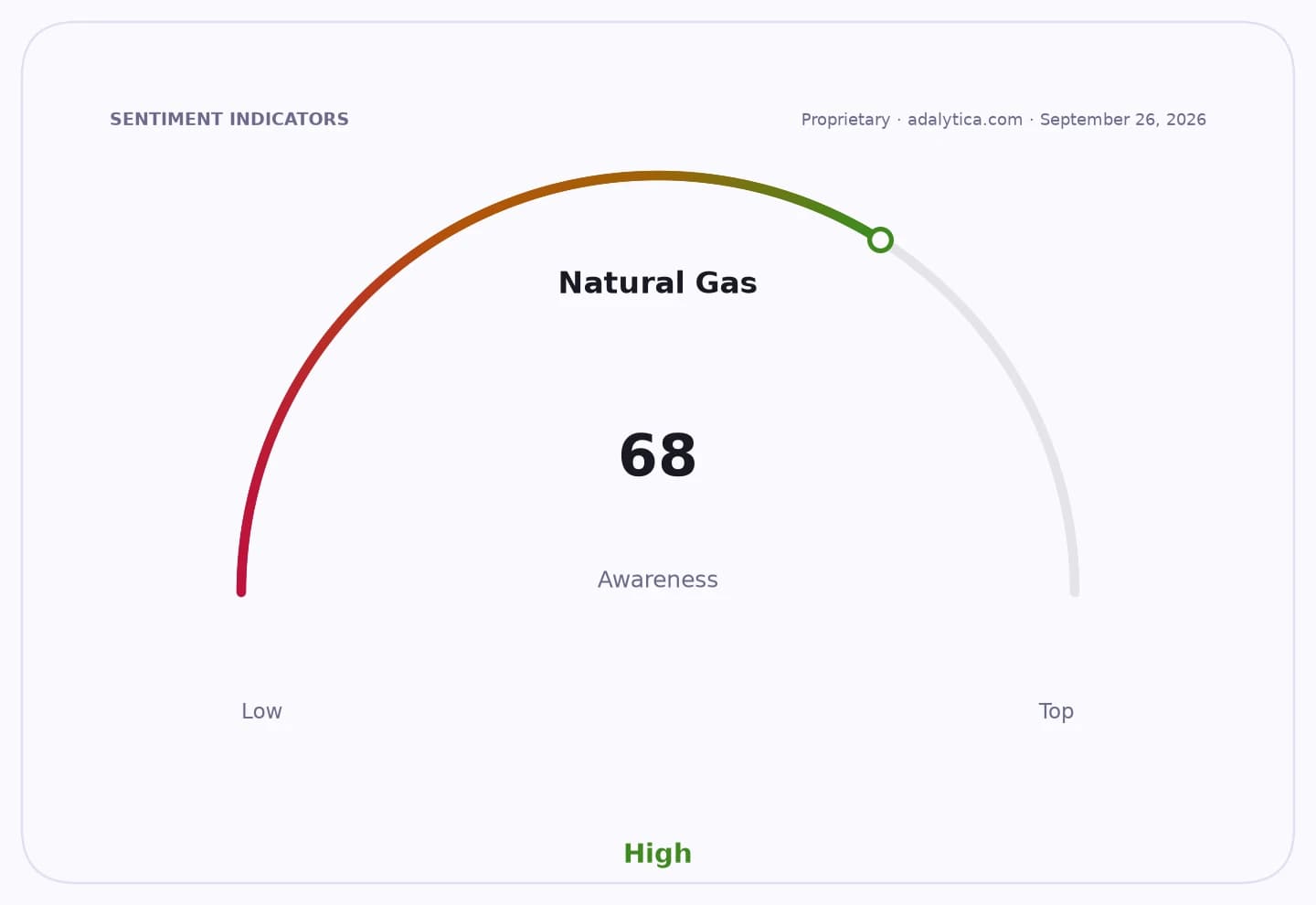
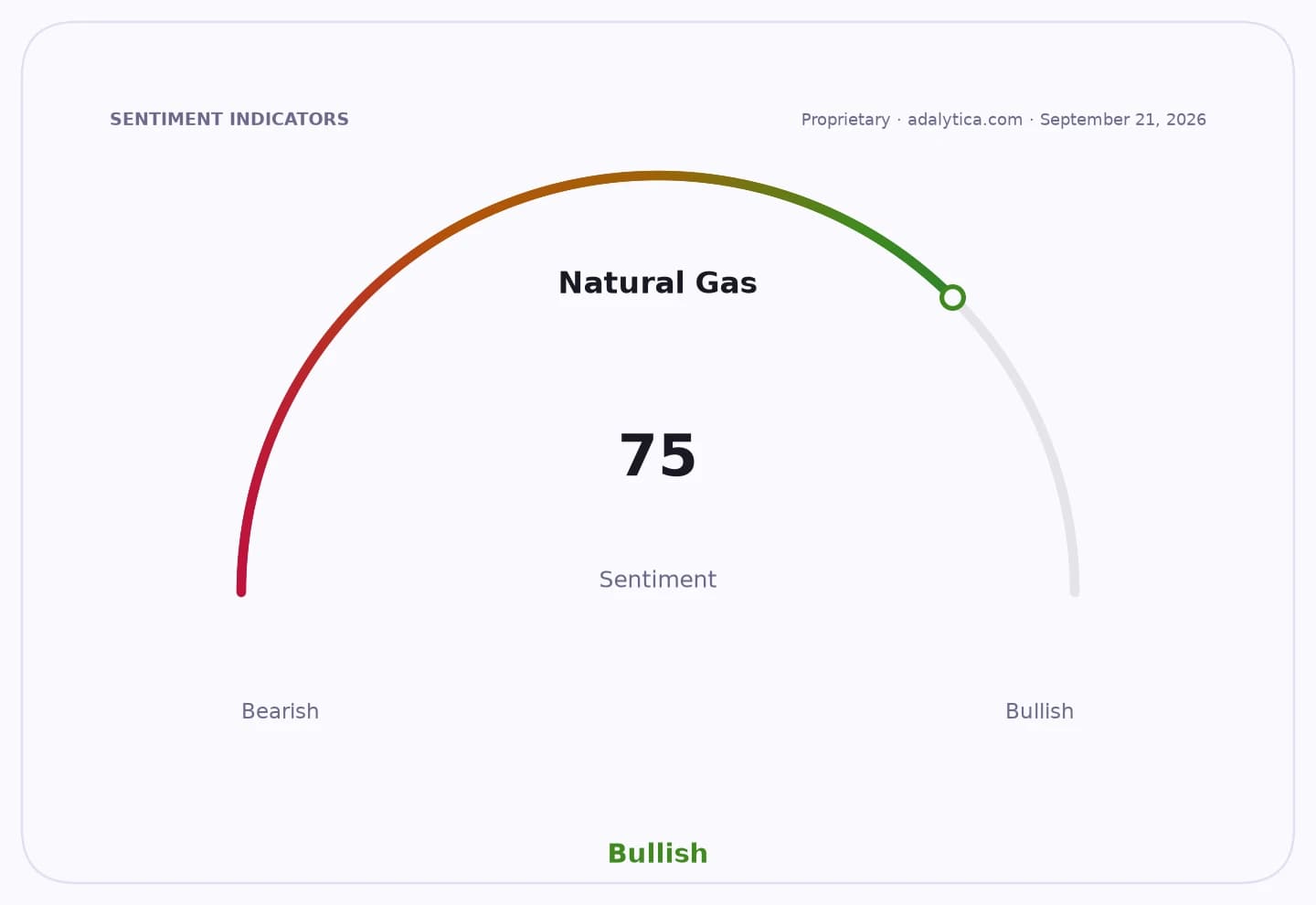
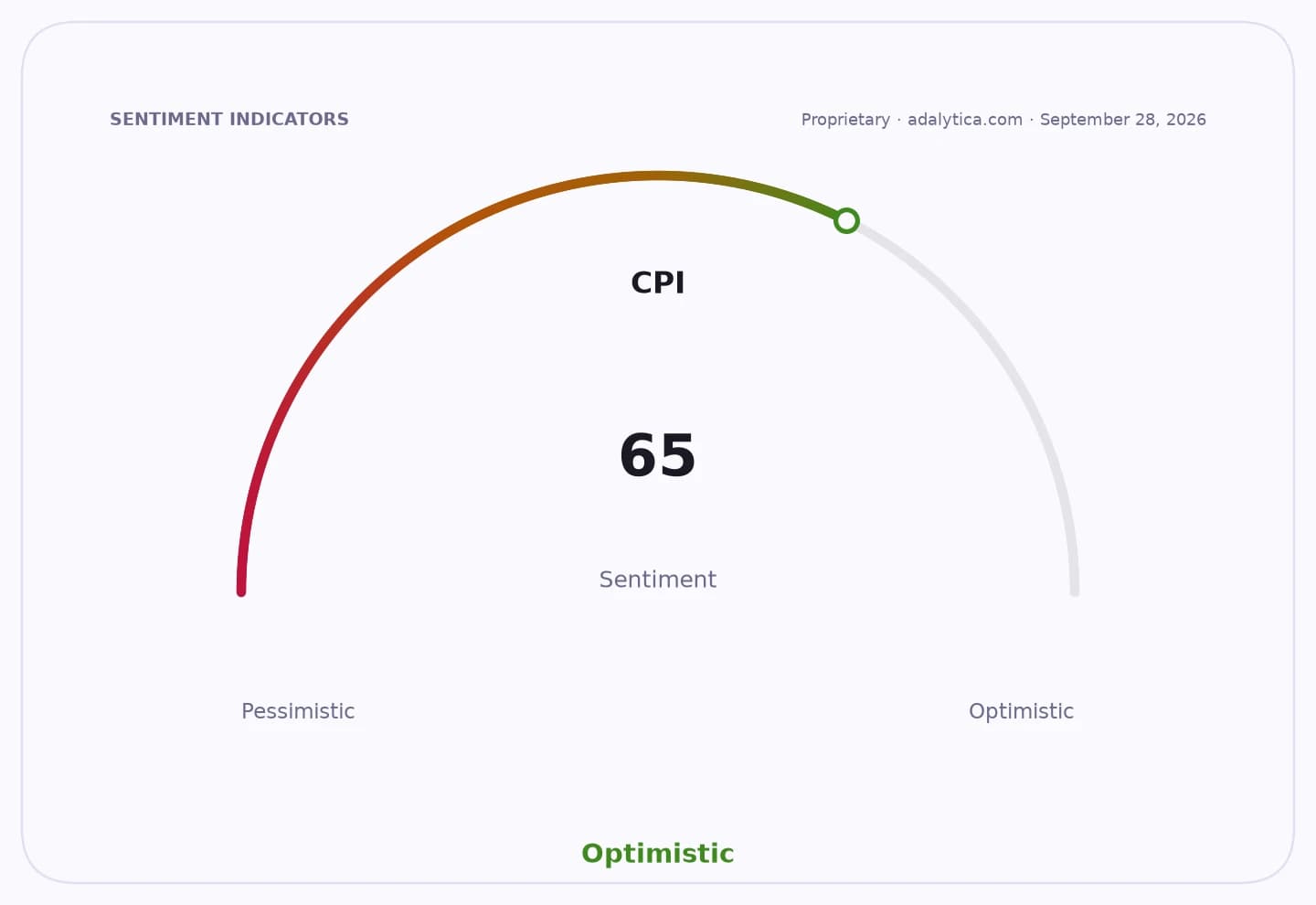
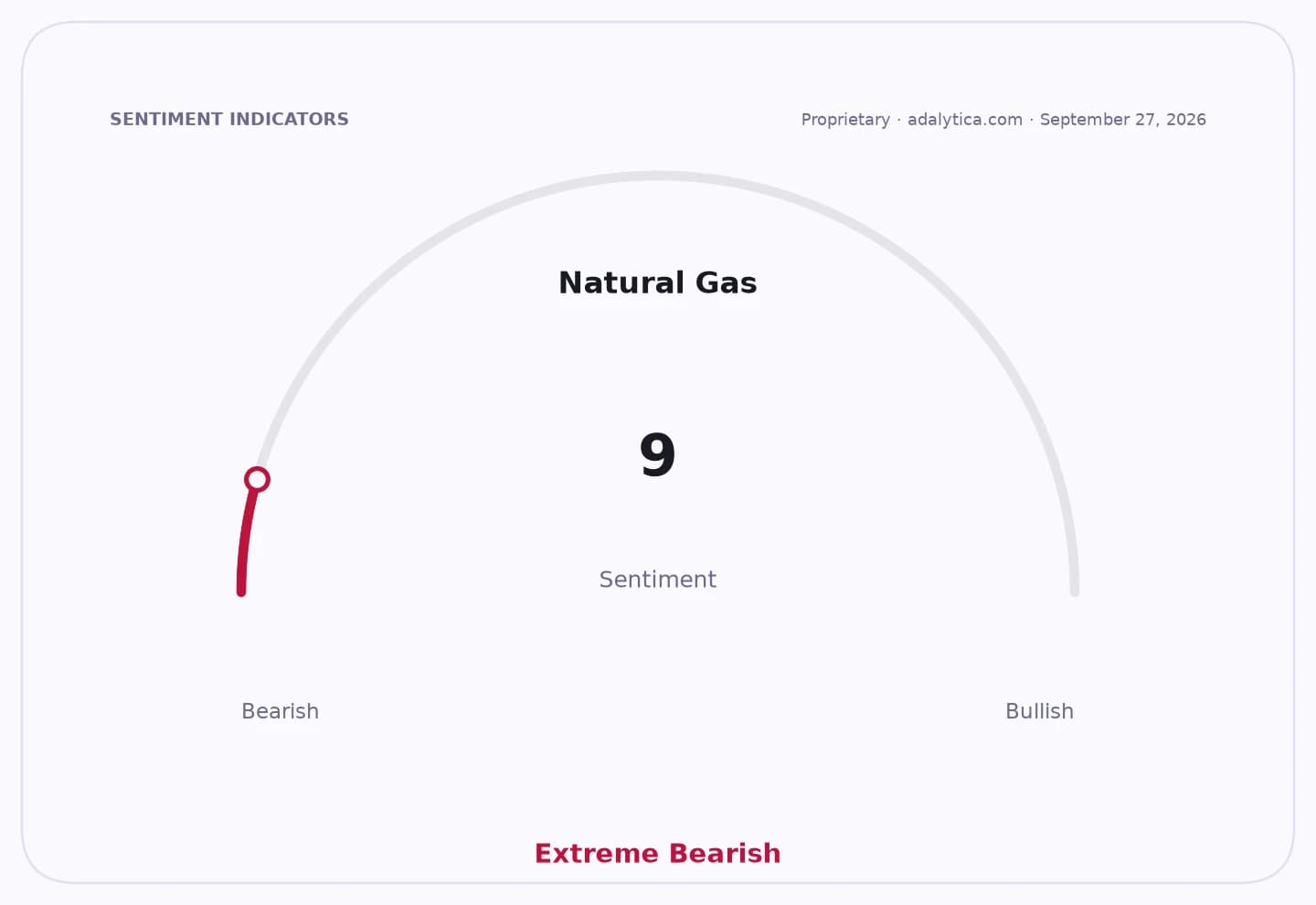
Sentiment IndicatorsⓘProprietary · adalytica.com · September 27, 2026
This is a snapshot — live sentiment, awareness and momentum for 130+ markets update continuously in the dashboard.Open AlphaPulse
For investors, the key takeaway is that lower gas prices usually improve the outlook for energy-intensive industries and reduce the risk of another inflation flare-up. When gas eases, margins tend to improve for chemicals, metals, glass, paper and power-intensive manufacturers. It also gives central banks and governments a little more breathing room, because energy is one of the fastest ways commodity shocks feed into headline inflation.
The drop also highlights how quickly sentiment can swing in a market that remains sensitive to weather, storage levels, pipeline flows and geopolitics. Europe is still far from carefree on energy: inventories, winter demand and supply disruptions can all reverse the direction just as fast. But for now, the move below 73 euros suggests traders are less worried about immediate scarcity than they were during the worst of the crisis.
That matters for long-term investors because volatile gas prices ripple far beyond the utility sector. Lower wholesale energy costs can support European equities broadly, particularly in cyclical industries that were punished when power and gas bills spiked. They can also ease pressure on consumer spending, since less money going to energy means more room in household budgets for everything else.
At the same time, energy remains a strategic market, not a stable one. The recent decline does not erase the structural lesson of the last few years: Europe’s economy is still highly exposed to supply shocks, and any fresh geopolitical disruption could quickly push prices higher again. For investors, the best approach is to treat this move as a helpful near-term tailwind rather than a permanent reset.
The broader narrative is simple: Europe’s gas market is cooling, and that is constructive for inflation, industrial margins and market sentiment. It is worth watching whether the TTF can stay below the 73-euro mark, because sustained easing would strengthen the case that the worst of the energy shock is behind the region.
| Entity | Gains | Losses |
|---|---|---|
| European households | ▲Lower heating bills | ▼Less pressure relief if prices rebound |
| Energy-intensive companies | ▲Better margins | ▼None in the near term |
| Eurozone policymakers | ▲Easier inflation backdrop | ▼Fewer tools if supply shocks return |
| Gas producers/suppliers | ▲None | ▼Softer wholesale pricing |