Europe’s latest jump in wholesale gas prices is feeding into household bills much faster than in past cycles, raising the odds that inflation stays elevated and complicating the European Central Bank’s next move on interest rates.
Europe Gas Prices Speed Inflation Pass-Through

The ECB said more than half of eurozone countries now pass wholesale gas changes through to consumer inflation within one to three months, a sharp acceleration from the lagged transmission that used to stretch 13 to 24 months in about 40% of cases. That means the current surge in energy costs is likely to show up in the euro area’s price data almost immediately, just as policymakers are trying to prove they can keep inflation near target.
Sentiment IndicatorsⓘProprietary · adalytica.com · September 25, 2026
This is a snapshot — live sentiment, awareness and momentum for 130+ markets update continuously in the dashboard.Open AlphaPulse

Wholesale gas prices are up more than 140% year on year, according to the ECB’s latest findings, and that matters because energy still drives near-term headline inflation even when underlying demand is cooling. The central bank said electricity prices are less exposed to gas swings than in previous crises, helped by more renewable generation, but the cushioning is not enough to offset the faster pass-through in gas-heavy markets.
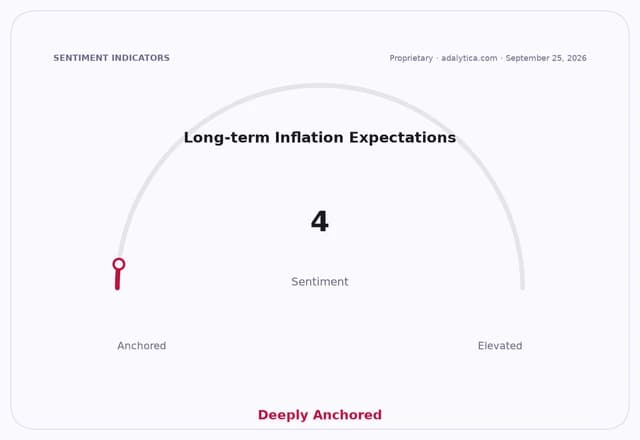
For investors, the message is that Europe’s inflation path looks stickier than many had expected, reducing the case for rapid rate cuts and keeping pressure on government bonds, rate-sensitive sectors and consumer spending. Adalytica’s gauge of confidence in the Fed’s 2% inflation target also remains in extreme fear territory, underscoring how fragile expectations remain across developed markets when energy prices jump.
Long-term Inflation Expectations vs NG=Fadalytica.com
Explore this data interactively — full history, time series and cross-market comparisons.Open AlphaPulse
The move comes as Europe’s gas market has become more liberalized since Russia’s 2022 invasion of Ukraine, with more flexible pricing and fewer long fixed-term contracts. That makes prices more responsive in both directions, but in the current environment it also means shocks from geopolitics and supply risks transmit faster into inflation.
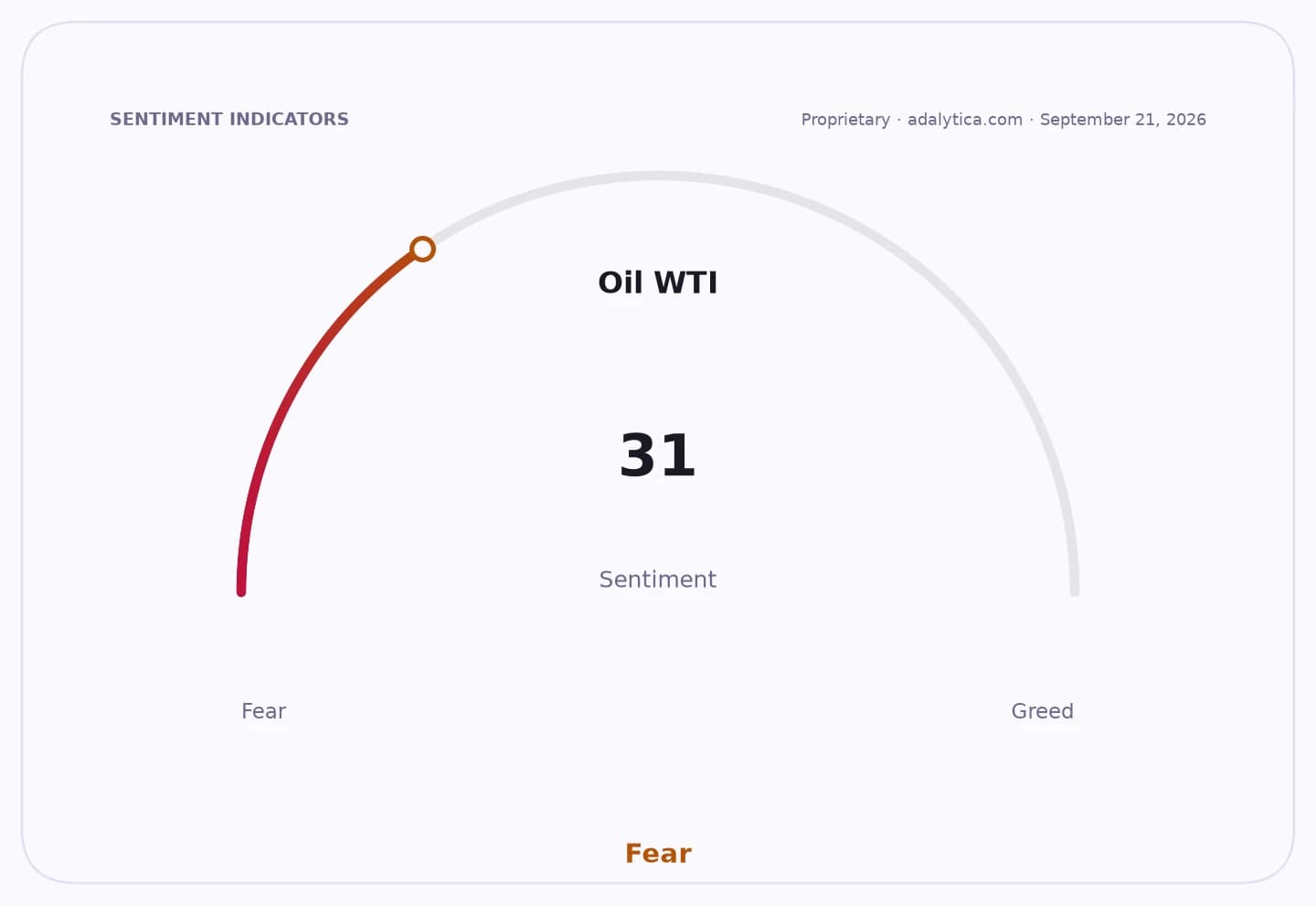
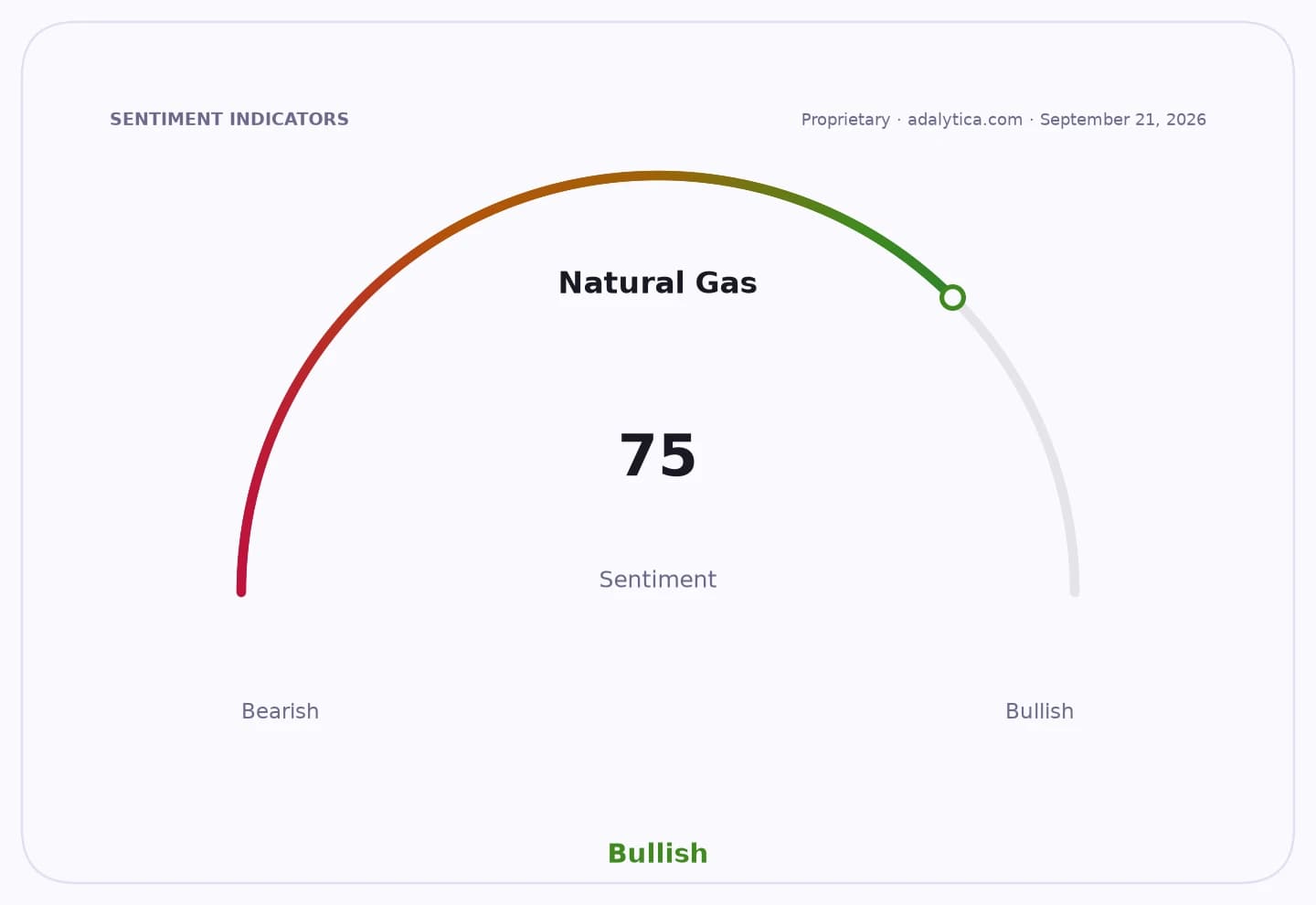
Natural gas futures and related energy funds have already shown how quickly the market can reprice around supply stress, with U.S. natural gas ETF UNG jumping to $11.55 on Sept. 24 from $10.86 two days earlier. Oil has also stayed volatile, reinforcing the broader inflation threat from energy.
The question now is whether October’s energy bills and the next round of consumer price data confirm the ECB’s warning. If they do, investors may have to price in a slower easing cycle and a longer period of policy restraint, even as Europe’s shift toward renewables aims to reduce the region’s exposure to future gas shocks.
| Entity | Gains | Losses |
|---|---|---|
| Gas producers/LNG suppliers | ▲Higher pricing power | ▼Consumers and importers |
| ECB hawks | ▲Stronger case for caution | ▼Rate-cut advocates |
| European households | ▲None | ▼Higher utility bills |
| Energy equities | ▲Inflation hedge demand | ▼Rate-sensitive sectors |