Heating bills are unlikely to rise this winter, but the real risk is that households and utilities are merely borrowing relief from next year.
Natural gas and heating bills may stay contained

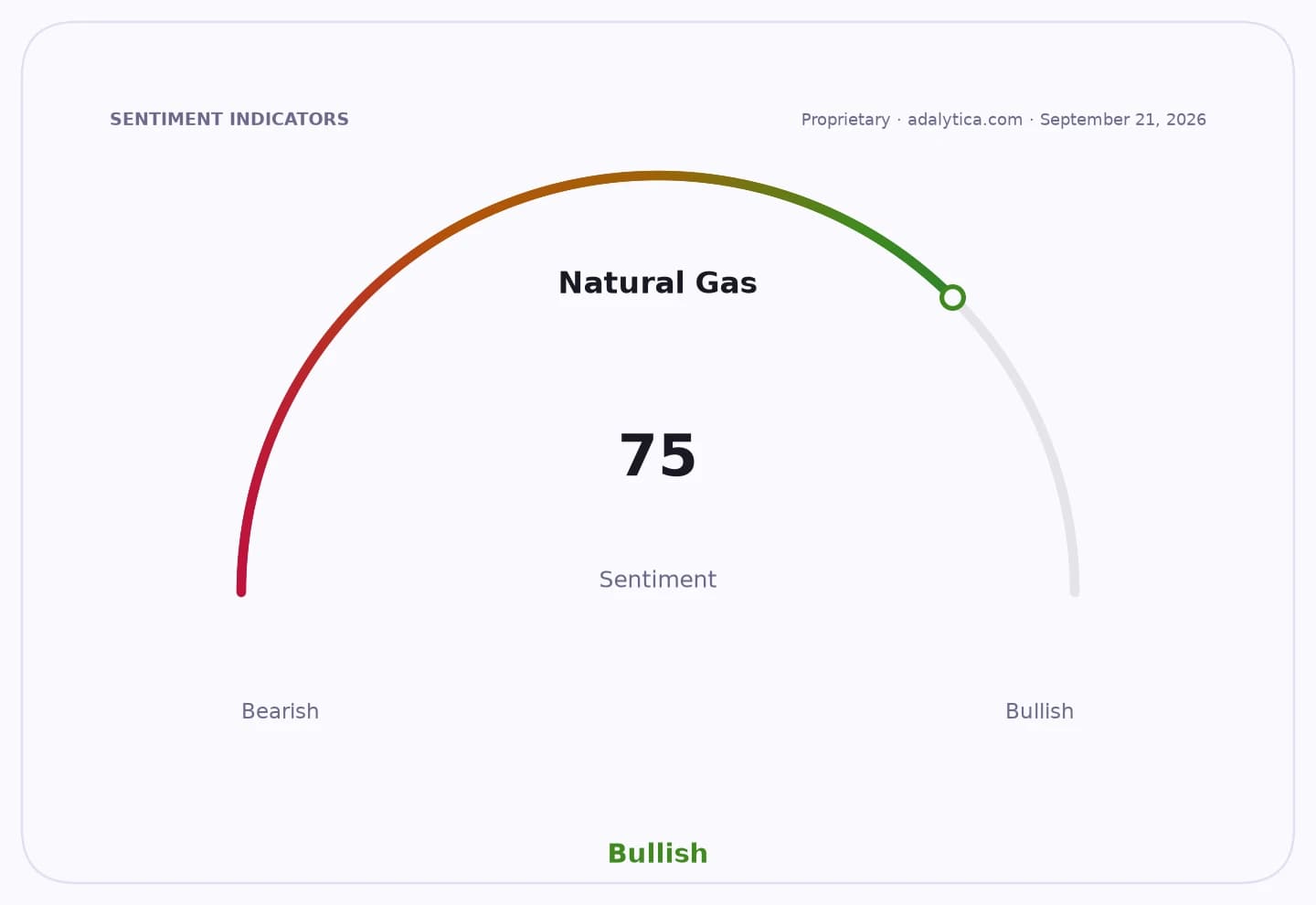
That is the key investment and economic takeaway from a market that has eased enough to keep 2026 heating costs contained, even as policymakers, suppliers and energy buyers prepare for a tougher reset if coal and especially gas prices turn higher again. The latest commodity tape points to temporary calm, not a durable repricing: U.S. natural gas at about $10.41 in the UNG-tracked market sits above its 50-day moving average of $10.24, while the energy sector ETF XLE has climbed to $64.31, far above its 200-day moving average, showing capital is still rewarding firms tied to constrained supply rather than weak demand.
Sentiment IndicatorsⓘProprietary · adalytica.com · September 20, 2026
This is a snapshot — live sentiment, awareness and momentum for 130+ markets update continuously in the dashboard.Open AlphaPulse
For consumers, that matters because heating costs are one of the fastest ways energy shocks filter into inflation, disposable income and central-bank policy. For investors, it matters because the market is pricing a pause in pain, not the end of volatility. If fuel markets stay orderly, this year’s bills should remain largely contained. But the combination of a firmer oil complex, a still-sensitive gas market and a strong dollar suggests that any fresh supply disruption could quickly feed through to winter utilities and, with a lag, to inflation-sensitive sectors.
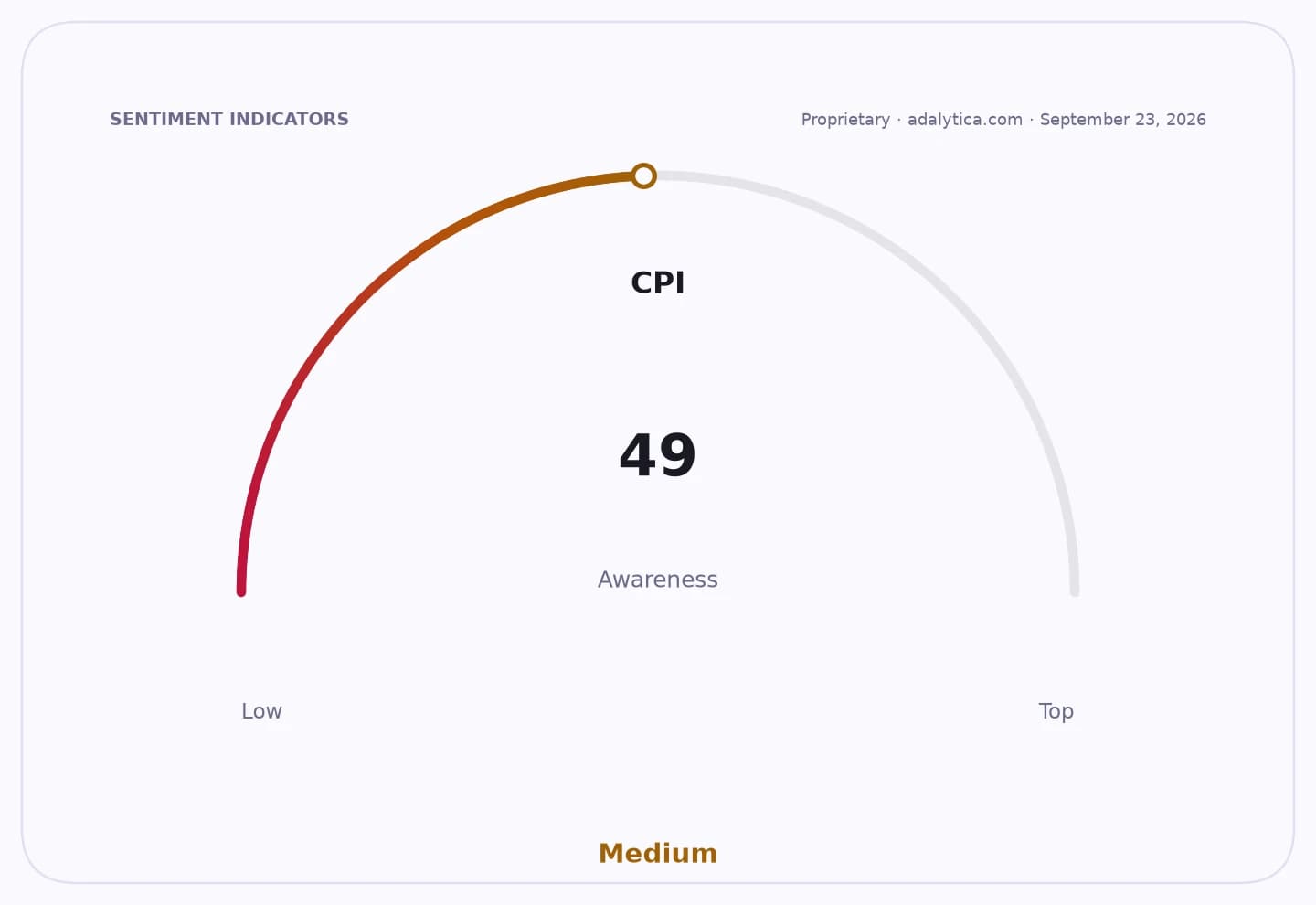
The broader macro backdrop supports that reading. U.S. inflation is still elevated by historical standards, and energy remains a key swing factor. The 10-year Treasury yield is hovering around 4.94% to 5.01%, a level that leaves little room for another inflation surprise. At the same time, Adalytica’s WTI oil signals show extreme fear, while the coal gauge has rebounded sharply in awareness and sentiment, a sign that traders are once again paying attention to the possibility of higher input costs. That does not guarantee a rally, but it does argue the market sees the same imbalance households do: near-term relief, longer-term vulnerability.
That is why the investable story is not just “lower bills.” It is the scramble by companies and utilities to lock in fuel costs before the next leg higher. Energy suppliers, gas infrastructure players and selective power names with hedging and pass-through mechanisms stand to benefit if prices firm into 2027. Consumers and import-dependent businesses, by contrast, remain exposed to a delayed bill shock. In other words, the current calm is being financed by uncertainty, and uncertainty rarely stays cheap for long.
The market’s message is clear: this winter looks manageable, but the setup for next year is more dangerous. Investors should treat any energy pullback as an opportunity to position for the next inflation flare-up, especially through producers, midstream assets and funds that benefit from tighter coal and gas markets rather than the households that will eventually pay the tab.
| Entity | Gains | Losses |
|---|---|---|
| Utilities with hedges | ▲Short-term cost control | ▼Missed upside if fuel falls further |
| Coal and gas producers | ▲Stronger pricing power | ▼Risk of demand destruction |
| Households | ▲Stable heating bills this winter | ▼Potential 2027 bill shock |
| Energy consumers | ▲Delayed inflation pressure | ▼Exposure to renewed fuel spikes |