New oil and gas discoveries fell to their lowest level in more than four decades in 2025, a warning sign for future supply that comes as the industry pulls back on exploration spending and new field volumes slump to about a tenth of the 2013 peak.
Oil discoveries hit lowest level in 40 years
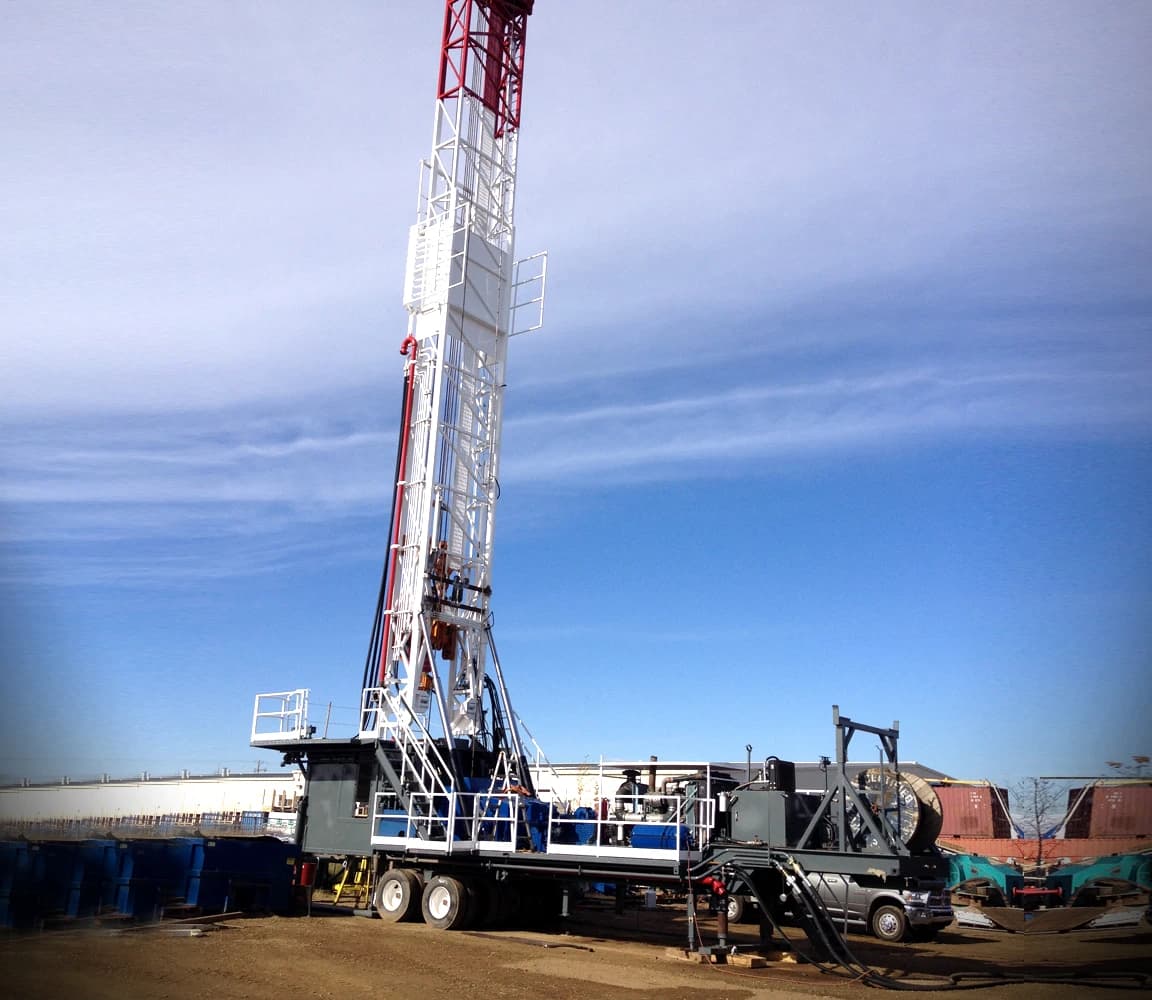
The drop matters because upstream investment today determines how much crude and gas will be available years from now. With fewer large discoveries coming online, producers face a tighter reserve replacement cycle just as demand for reliable supply remains stubbornly high and the transition away from fossil fuels is proving slower and uneven.
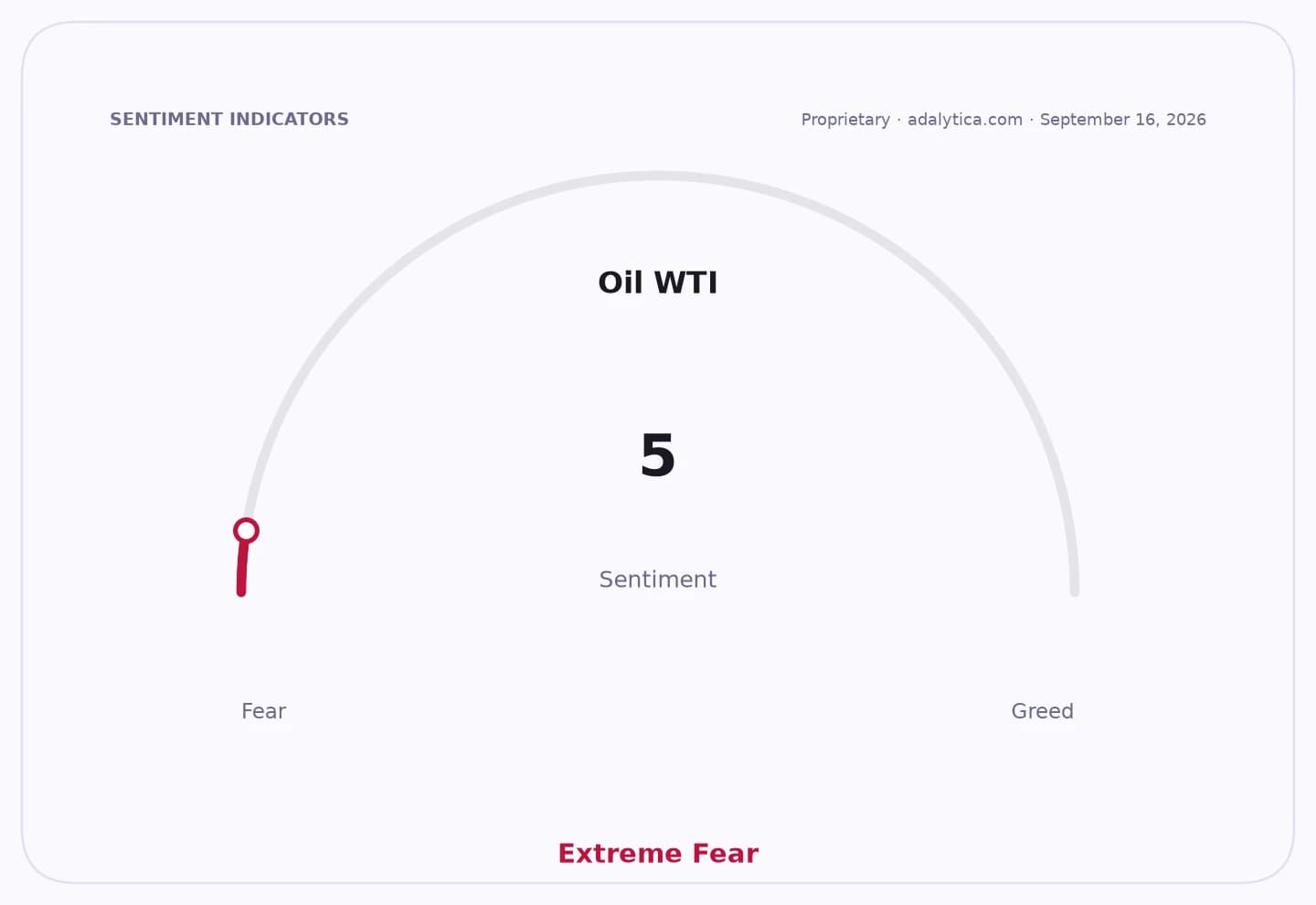
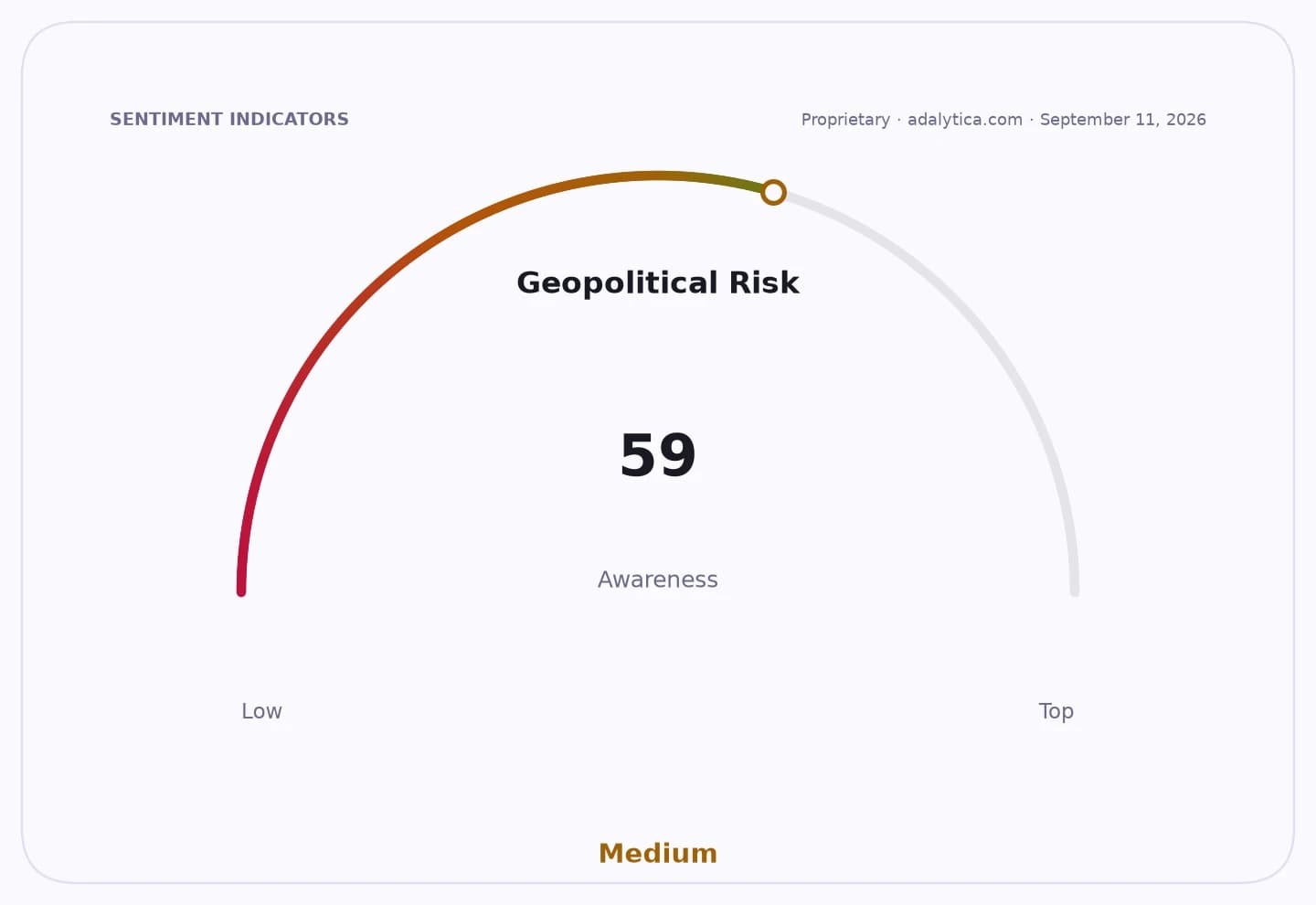
Sentiment IndicatorsⓘProprietary · adalytica.com · September 25, 2026
This is a snapshot — live sentiment, awareness and momentum for 130+ markets update continuously in the dashboard.Open AlphaPulse
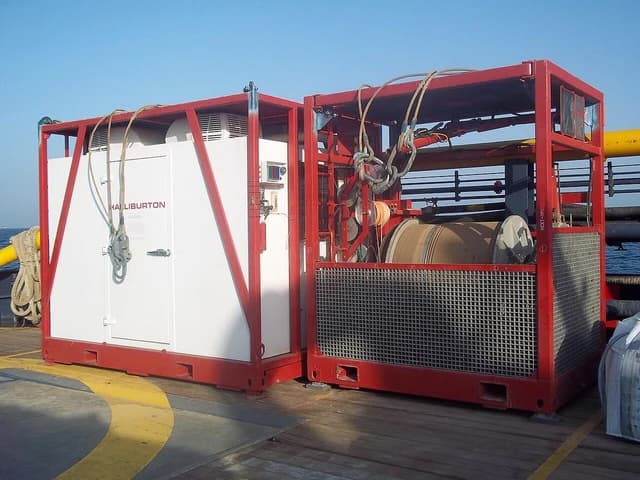
The decline also underscores a structural problem for the oil market: companies have been prioritizing shareholder returns, debt reduction and shorter-cycle projects over expensive frontier exploration. That shift has helped protect near-term cash flow, but it raises the risk of a deeper supply squeeze later in the decade if natural decline rates outpace new additions.
The broader backdrop is mixed for the sector. Brent crude has eased from recent highs after Saudi Arabia restarted its East-West pipeline, helping calm immediate supply fears, while U.S. energy shares remain volatile. The Energy Select Sector SPDR ETF, XLE, recently traded around $62.60, above its 50-day moving average of about $61.32 and well above its 200-day average near $55.34, while the VanEck Oil Services ETF, OIH, has slipped to about $394.20 from a recent high above $436, with its 50-day average around $403.09.
For investors, the message is that today’s capital discipline may support margins now but can tighten supply and bolster prices later, a setup that tends to favor producers with low-cost reserves and strong balance sheets. Oilfield service names could eventually benefit if companies are forced back into more aggressive exploration spending, but in the near term the discovery slump points to fewer large projects and a more selective investment cycle.
The next catalysts are commodity prices, capital spending plans and any shift in energy policy or decarbonization pressure that could either deepen the exploration drought or prompt a new wave of drilling.
| Entity | Gains | Losses |
|---|---|---|
| Existing oil producers | ▲Higher pricing power | ▼Replenishment risk |
| Oilfield service firms | ▲Future exploration demand | ▼Near-term project cuts |
| Energy investors | ▲Cash returns now | ▼Long-term supply tightness |
| Consumers/importers | ▲Short-term price relief from supply resets | ▼Later price spikes |