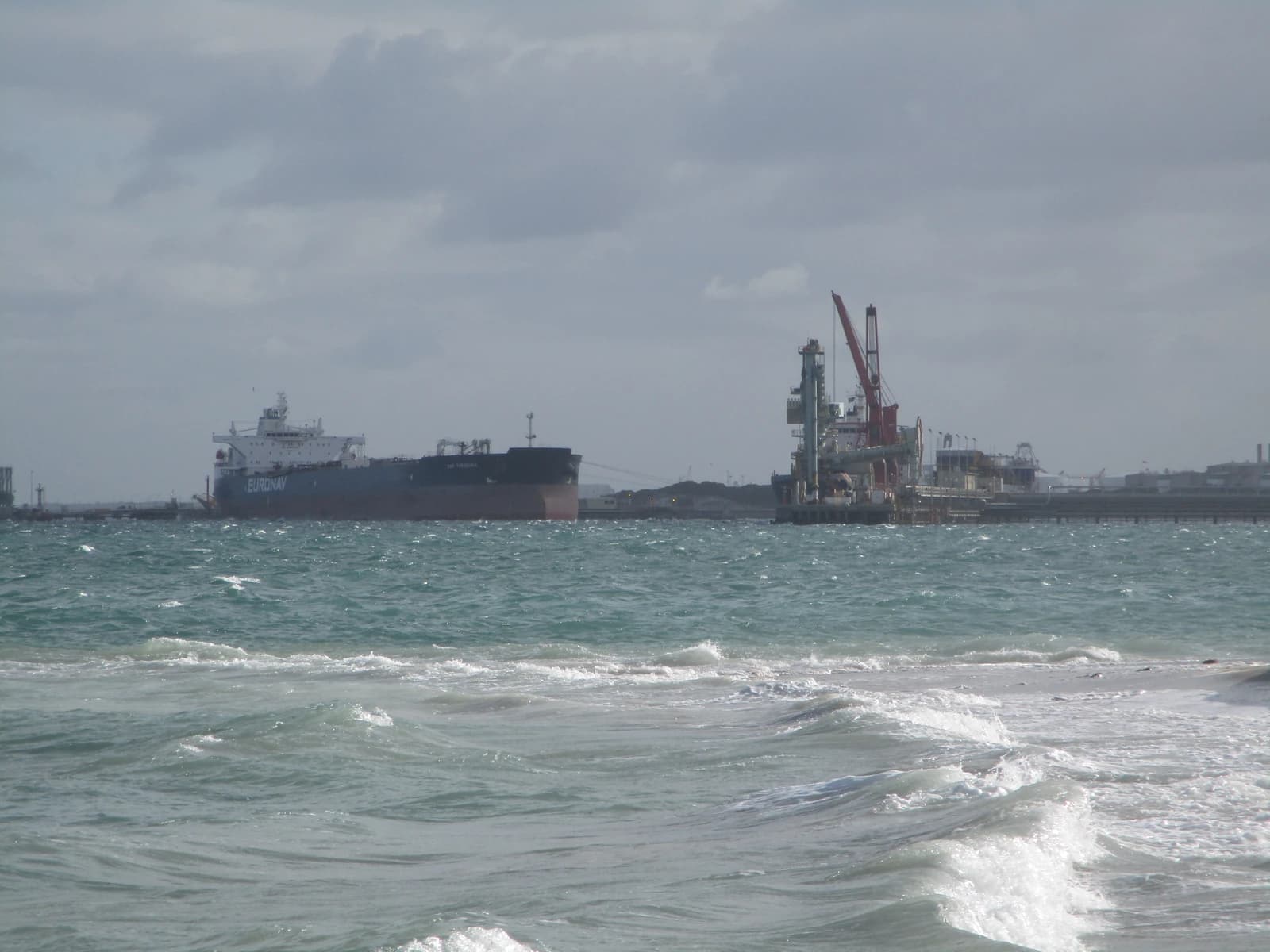
Oil prices fell for a fourth straight session on Monday as traders began to price in a potential easing of the geopolitical supply squeeze that had helped drive crude higher this year.
Brent crude falls below $102 as geopolitical risk eases
Brent crude dropped 1.75% to $102.05 a barrel, keeping the market just above the psychologically important $100 level but extending a reversal that now has more to do with shifting policy expectations than with any sudden deterioration in physical demand. The move matters because crude remains one of the biggest macro variables for inflation, interest-rate expectations and corporate margins, and every dollar lower on oil is a direct relief valve for consumers and energy-intensive industries.
Sentiment IndicatorsⓘProprietary · adalytica.com · September 24, 2026
This is a snapshot — live sentiment, awareness and momentum for 130+ markets update continuously in the dashboard.Open AlphaPulse

The immediate driver is diplomacy. The market is watching signs of progress around efforts to end the war involving the United States and Iran, while Donald Trump said he was “probably” willing to meet Iranian President Massud Peseschkian at the U.N. General Assembly this week. That prospect, even if far from a breakthrough, is enough to pull some war premium out of prices.
At the same time, the U.S. has added fresh pressure on Moscow by signing a law imposing broad sanctions on Russia, including measures targeting oil and gas exports. In normal times that would be bullish for crude, but the market is weighing whether tighter sanctions can offset the possibility that any diplomatic thaw with Iran could eventually loosen one of the more important supply constraints. The result is a market shifting from fear of acute shortage to a more nuanced view that the worst of the squeeze may be passing.
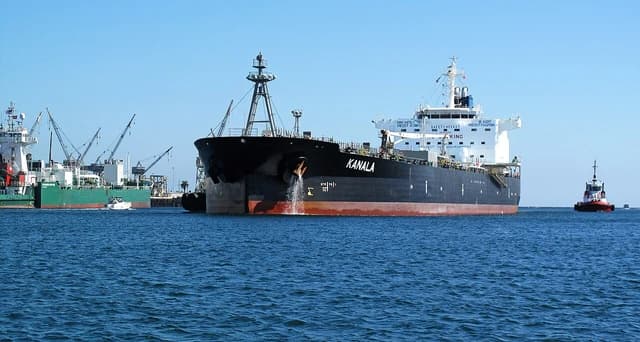
That inflection matters for investors. Energy equities have been a crowded trade during the latest oil spike, and the pullback in crude is a warning that the easy money phase may be fading even if prices remain elevated. The oil ETF USO has backed off from recent highs, while the broader energy sector ETF XLE is still near elevated levels, suggesting the group is vulnerable if crude continues to drift lower. Technically, USO’s relative strength has cooled and momentum has flattened, a sign the market is no longer rewarding the same one-way bullish positioning.
For producers, the message is mixed. A Brent price around $100 still supports strong cash flow, buybacks and capital discipline for large integrated names such as Exxon Mobil, Chevron and ConocoPhillips. But the combination of sanctions complexity, diplomatic headlines and a market that has already priced in a lot of geopolitical risk means earnings estimates for the second half of the year may prove optimistic if crude slides toward the low-90s, as some market forecasts now suggest.
My view is that this is less a collapse than the start of a repricing. The market underestimates how quickly a geopolitical premium can fade once traders decide supply disruption is less immediate than feared. If that happens, the next leg of the trade is not in chasing oil higher, but in owning the beneficiaries of lower fuel costs and lower inflation — airlines, transport, chemicals and broad-market equities — while staying selective in energy.
The key level is still $100 on Brent. If it fails to hold, the market may be telling investors that the oil shock narrative has peaked for now and that capital should rotate toward sectors that win when crude cools.
| Entity | Gains | Losses |
|---|---|---|
| Consumers | ▲Lower fuel costs | ▼Inflation pressure easing slower |
| Airlines and transport stocks | ▲Lower input costs | ▼Less pricing pressure relief for oil bulls |
| Oil producers | ▲Still-high absolute prices | ▼Weaker pricing power if Brent breaks $100 |
| Energy ETF holders | ▲Elevated cash flows persist | ▼Momentum fades if crude extends decline |