China is turning an oil shock into geopolitical leverage just as crude slips back toward $95 a barrel, easing the immediate inflation threat for importers while reinforcing Beijing’s hand over a market still primed for disruption.
China Oil Imports and Crude Prices Near $95

The economic significance is straightforward: cheaper oil cools a major source of imported inflation, gives central banks a little more room, and lowers the odds that a supply scare spills into a broader global growth slowdown. But the bigger story is strategic. When prices spike, the world’s largest crude importer can change demand faster than it can change supply, and that means China can blunt market stress in a way producers cannot easily offset.
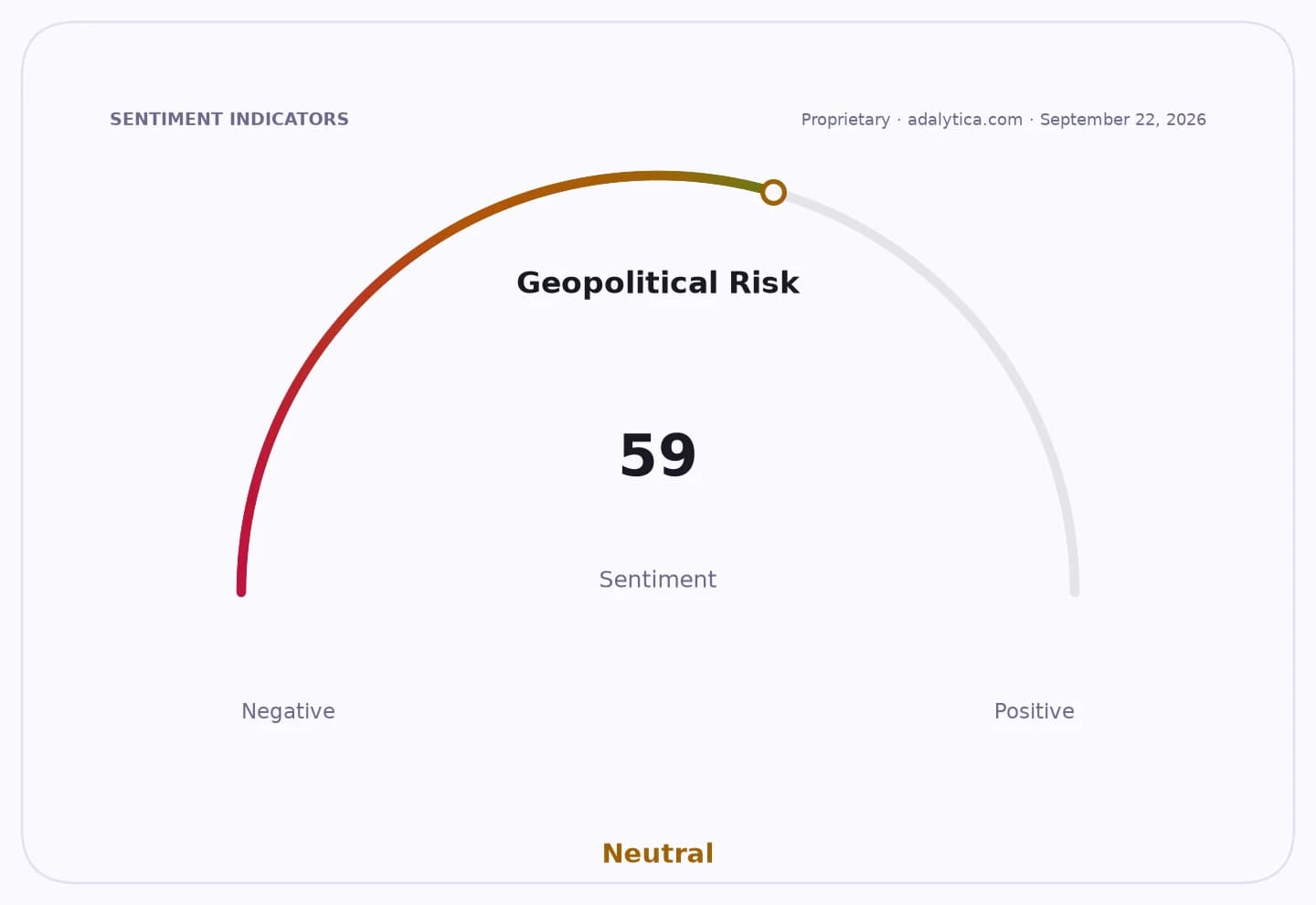
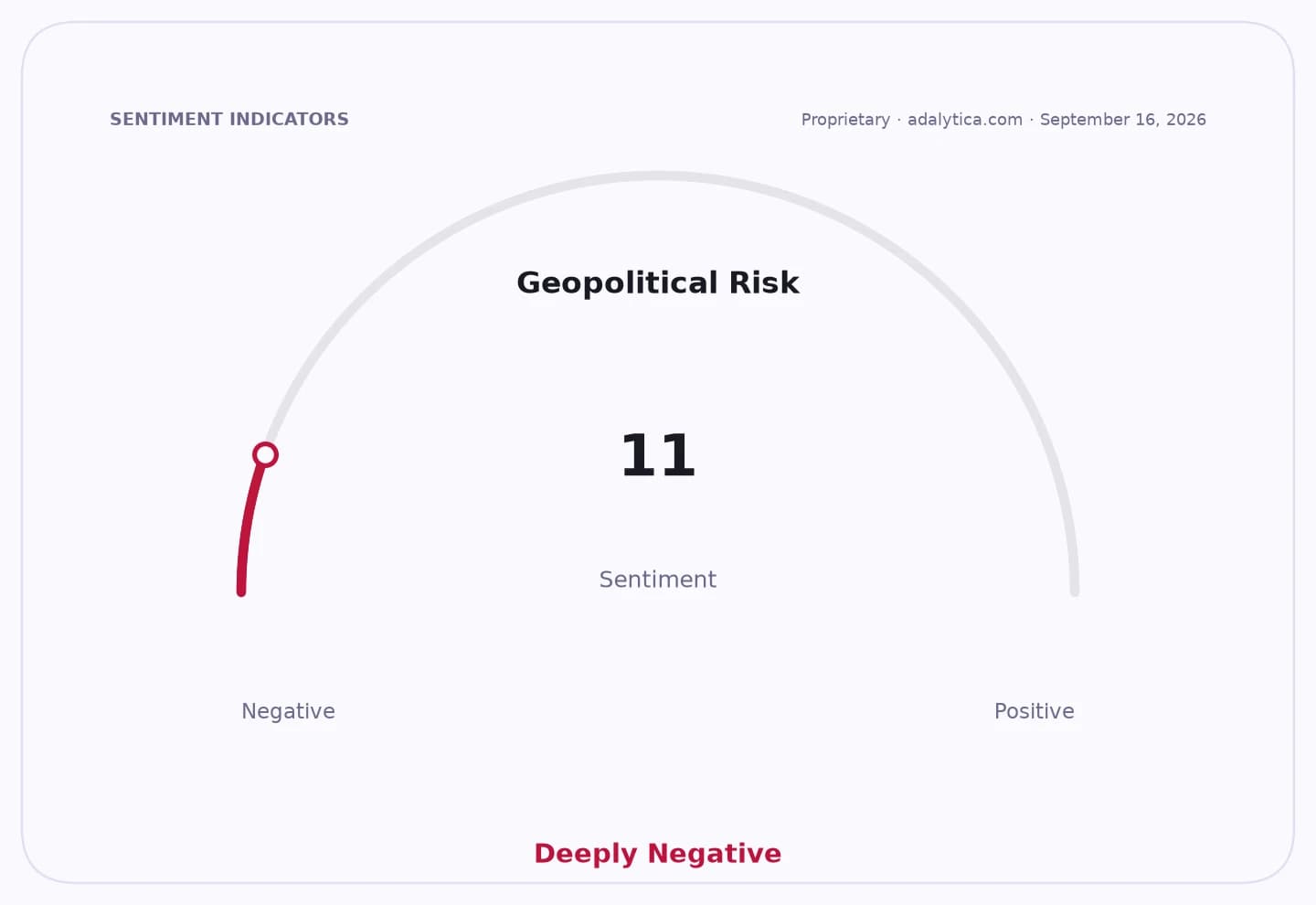
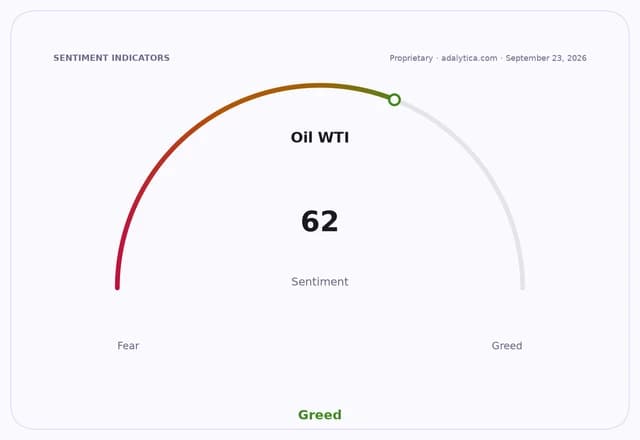
Sentiment IndicatorsⓘProprietary · adalytica.com · September 23, 2026
This is a snapshot — live sentiment, awareness and momentum for 130+ markets update continuously in the dashboard.Open AlphaPulse

That dynamic was already visible in earlier phases of the Iran-related disruption, when China cut oil imports by 32% and helped prevent an even sharper price shock. Now, with West Texas Intermediate forecast around $94.13 and the latest read near $96.41 after touching $101.44 late last week, the market is again pricing a calmer path. Brent-linked relief has been helped by stronger Gulf supply and talk of U.S.-Iran diplomacy, even as regional airstrikes keep the risk premium alive.
For investors, the message is not that energy risk is gone. It is that the market keeps underestimating how quickly demand destruction and policy responses can cap oil rallies, especially when China leans against imports and tactical stockpiling changes. The price action is telling: USO has cooled from $161.86 to $148.83 in two sessions, while the Energy Select Sector SPDR has slipped to $62.37 from $65.54. That is not a collapse, but it is a warning that the easy, one-way trade in oil exposure is over for now.
The sector split matters. Lower crude is a tailwind for airlines, transports, chemicals, and oil-importing Asian economies. It is a headwind for upstream producers, service firms, and the high-beta energy trade that had been priced for a sustained geopolitical spike. Canada’s Imperial Oil, for example, has already pulled back to C$124.75 from C$135.35, even as it remains well above its longer-term trend, a sign that investors are taking some risk off the table without abandoning the structural bullish case on energy entirely.
China’s advantage comes from flexibility. It can slow refinery runs, draw on inventories, diversify barrels, and use weaker spot demand to negotiate harder on price and terms. That makes it a built-in stabilizer in the global oil system, but also a power center whenever supply is tight. The market underestimates how often Beijing can translate vulnerability into leverage.
What happens next depends on whether diplomacy lowers the temperature faster than geopolitics can raise it again. If talks hold and Gulf flows stay steady, the crude market likely grinds lower and the inflation impulse fades further. If talks fail, the next spike will again test who has pricing power: producers trying to force a premium, or China using scale to absorb less and wait them out. For investors, that argues for owning the beneficiaries of softer oil and being selective, not aggressive, on energy producers until the next true supply shock proves it can stick.
| Entity | Gains | Losses |
|---|---|---|
| China | ▲Import leverage | ▼Price shock exposure |
| Oil importers | ▲Lower costs | ▼Inflation relief fades |
| Energy producers | ▲Higher prices | ▼Demand destruction |
| USO / XLE longs | ▲Volatility trade | ▼Crude pullback |