Customers are bidding up Russian ESPO crude to more than $20 a barrel above Brent, a stunning reversal that shows how tight the physical oil market has become and how far Chinese refiners are willing to go to secure barrels.
Russian ESPO Crude Trades $20 Above Brent
The price surge matters because it is not happening in paper markets alone. It is showing up in the real-world scramble for physical supply, where refiners are paying up to keep plants running after sanctioned Iranian cargoes largely disappeared from the market and Middle East disruption tightened global choices. For investors, that is the clearest sign yet that the oil market’s next move is being driven by scarcity, freight, and geopolitics — not just benchmark prices.
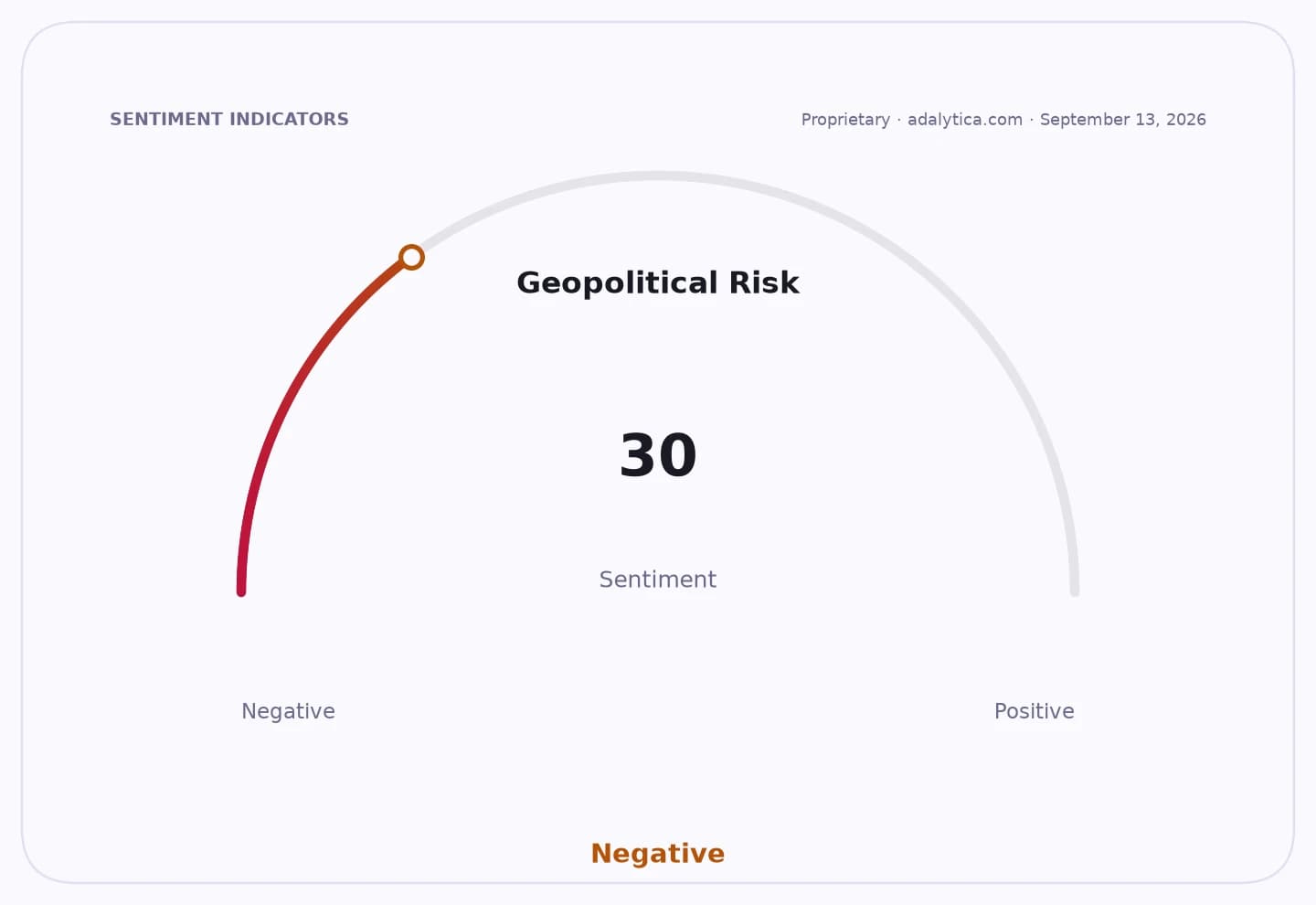
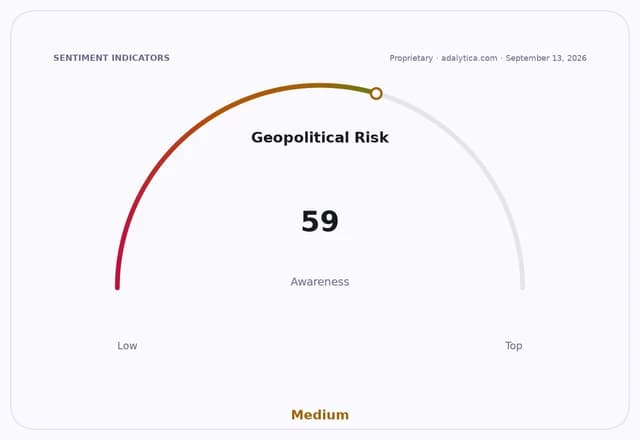
Sentiment IndicatorsⓘProprietary · adalytica.com · September 13, 2026
This is a snapshot — live sentiment, awareness and momentum for 130+ markets update continuously in the dashboard.Open AlphaPulse
ESPO, exported through Russia’s Kozmino port in the Far East, normally trades at a discount to Brent for Asian buyers. That discount has vanished. Traders say November-loading cargoes are now being offered at a premium of more than $20 a barrel to Brent, roughly double the surcharge Chinese buyers were facing only a week earlier. A month ago, the grade was near parity with Brent or only a few dollars above it.
The turnaround is a direct consequence of supply stress. Chinese independent refiners, which had leaned heavily on cheaper Iranian crude, are now competing for replacements after U.S. pressure sharply reduced those flows. With ESPO taking less than a week to reach Chinese plants, it has become one of the most attractive alternatives: close, relatively secure, and insulated from the risks tied to the Strait of Hormuz.
That geographic edge is now worth a fortune. As one avenue after another closes, Chinese buyers are reaching farther afield — from Canada and Brazil to Congo and Angola — and that widening hunt is pushing up premiums across multiple grades. Some West African and Brazilian crude offers have climbed to around $30 a barrel above Brent, underscoring how broad the squeeze has become.
The economic implication is straightforward: the market is transferring bargaining power from buyers to sellers. Higher crude premiums raise feedstock costs for refiners, especially smaller private Chinese plants that have less room to absorb expensive cargoes. Larger state-backed refiners may be able to keep buying, but they too face pressure on margins if crude stays this dear for long. That can ripple through fuel pricing, refining runs, and trade flows.
For investors, the message is to look beyond headline Brent and focus on the beneficiaries of scarce physical barrels. Shipping, freight, and producers of exportable non-sanctioned grades should stay in favor if this shortage persists. So should energy equities with leverage to strong crude realizations, while refiners with weak pricing power and heavy import dependence face margin risk.
The broader narrative is that the oil market is entering a more fragmented, geopolitically priced era. When Chinese buyers pay a premium for Russian crude that once traded at a discount, it tells you scarcity has become structural. That is exactly the kind of market dislocation that can create durable winners — and punish anyone still assuming cheap barrels will be easy to source.
| Entity | Gains | Losses |
|---|---|---|
| Russian ESPO sellers | ▲Higher realized prices | ▼Less discount advantage |
| Chinese refiners | ▲Near-term supply security | ▼Squeezed margins |
| Non-sanctioned crude exporters | ▲Stronger demand | ▼Higher competition |
| Sanctioned Iranian sellers | ▲None | ▼Lost market access |