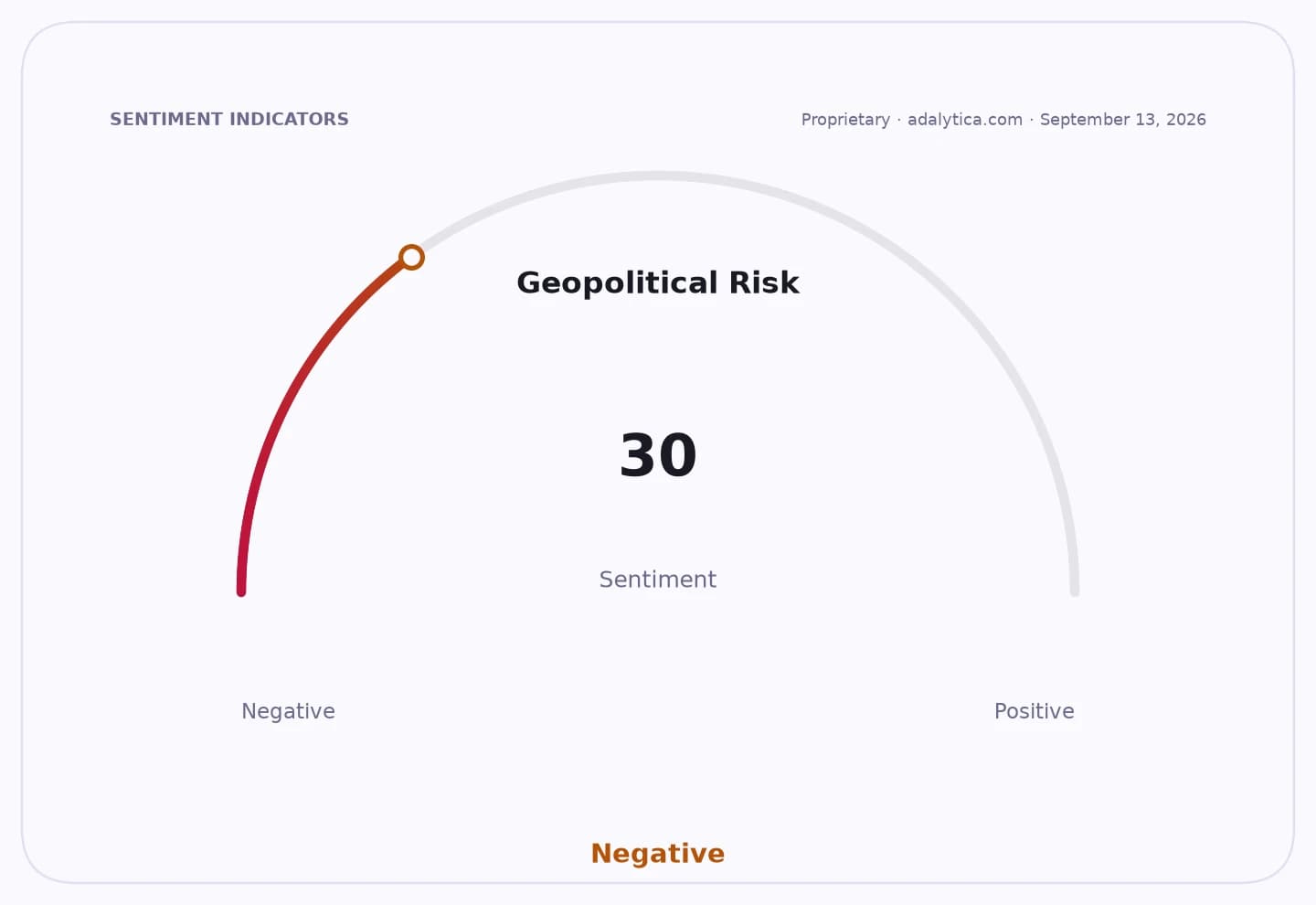
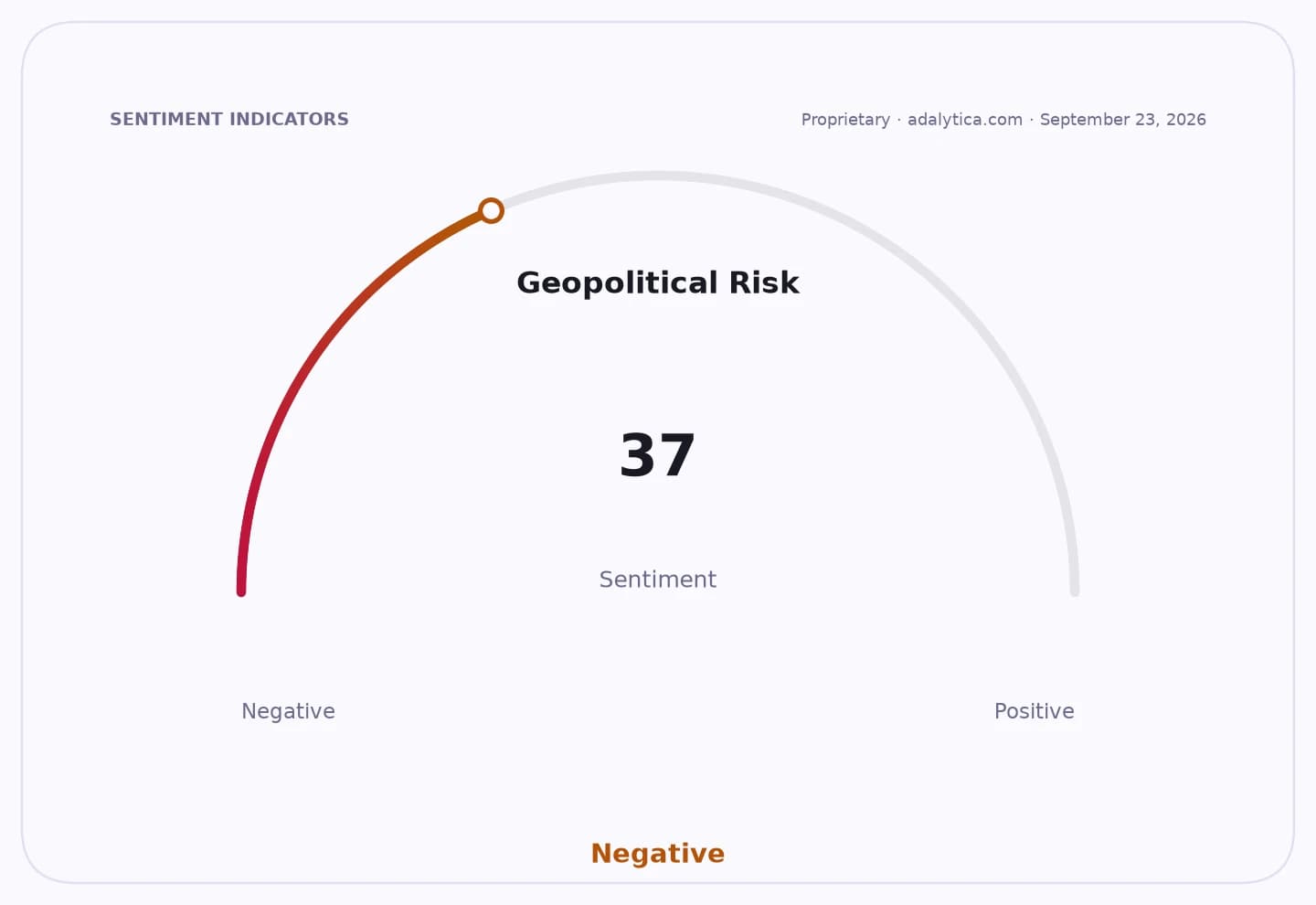
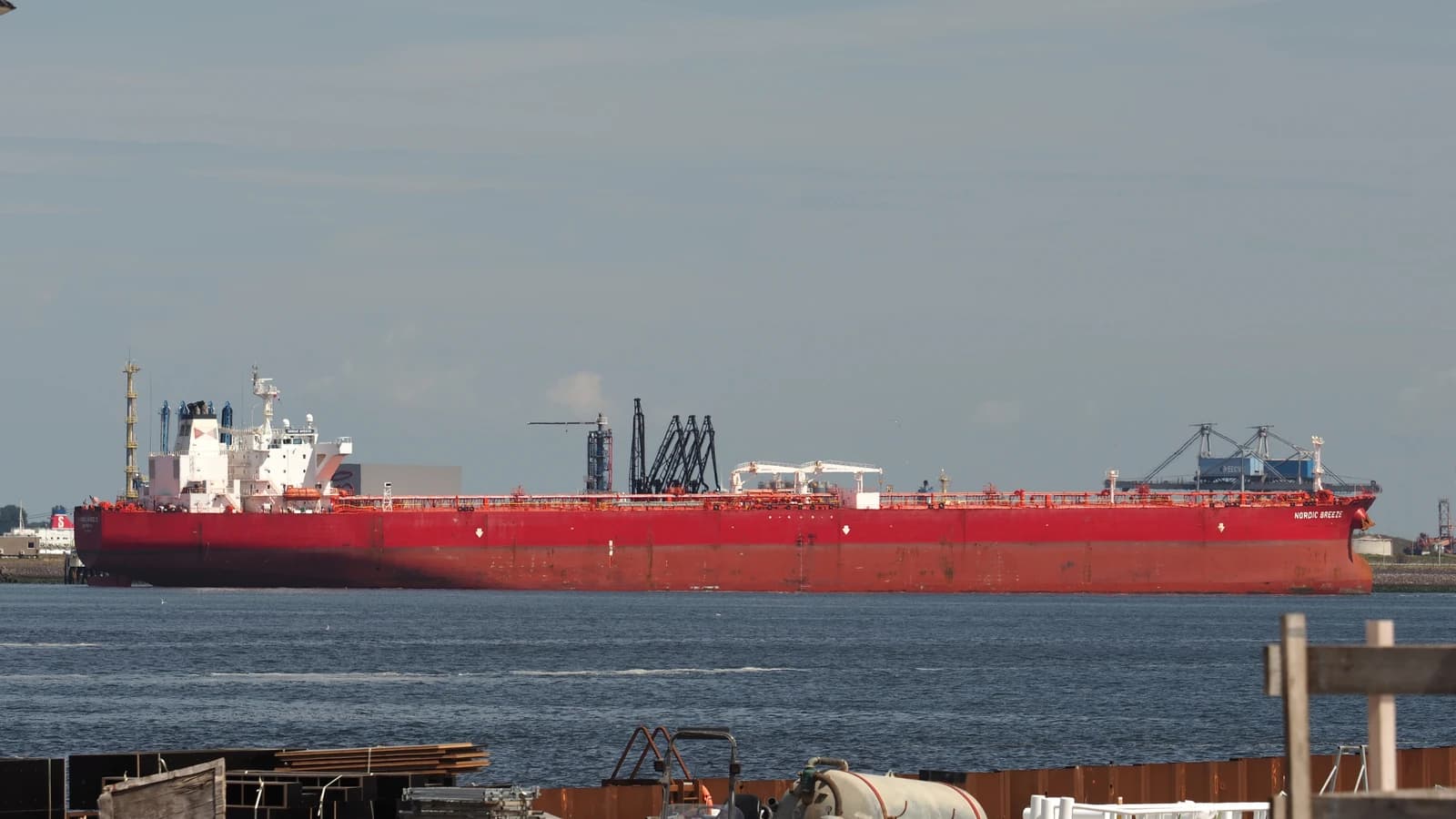
Rosneft’s Vostok Oil project is moving from promise to production, and that matters because every additional barrel Russia can place on the market by 2027 will tighten a global supply picture already shaped by war risk, tanker disruptions and buyer anxiety over energy security.
Rosneft Vostok Oil Targets 2027 Output
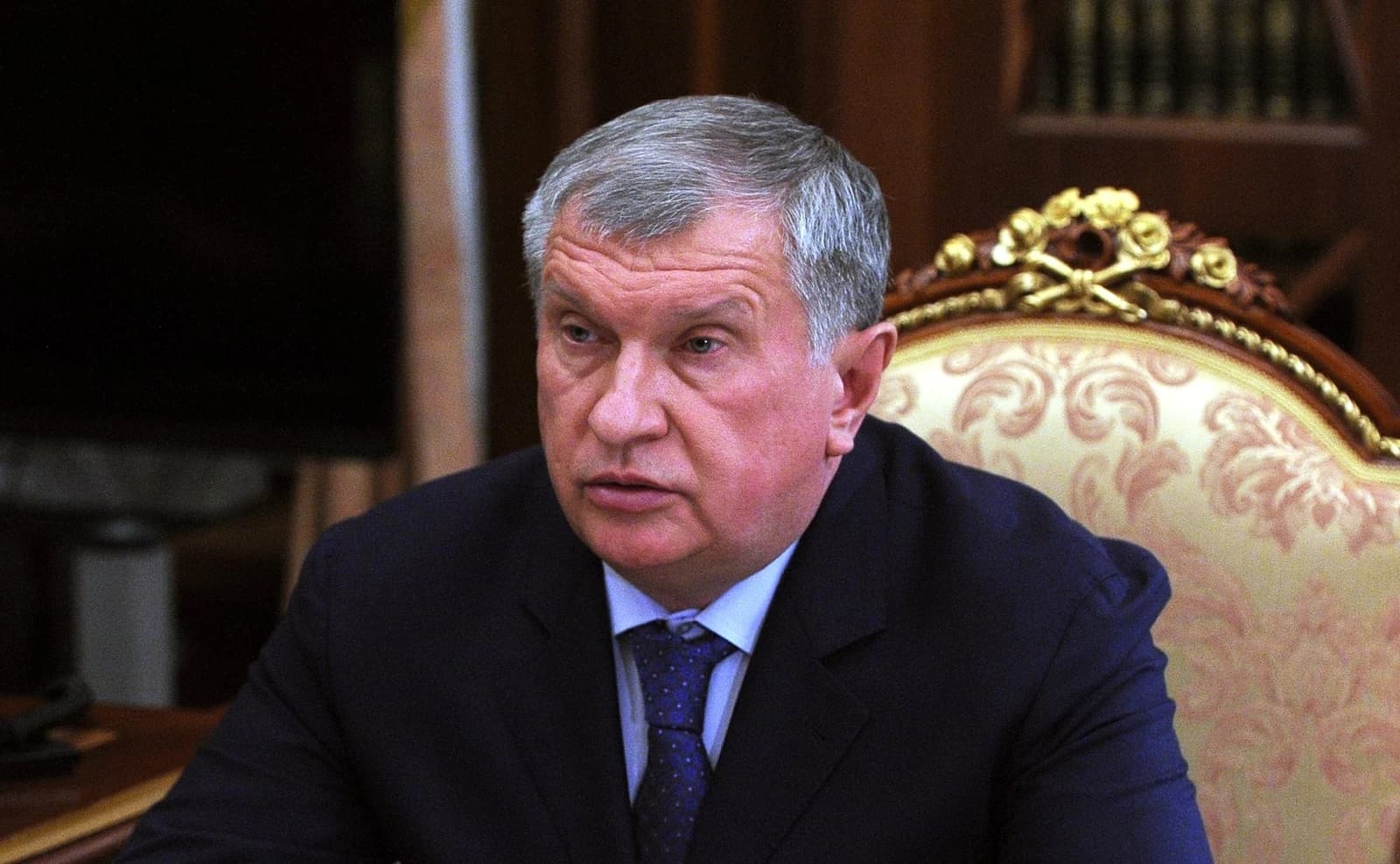
Chief Executive Igor Sechin said Vostok Oil is expected to supply 30 million tons of crude in the second half of 2027, a milestone that would mark one of the most important new oil developments in Russia in years. The scale is significant: 30 million tons is roughly 600,000 barrels a day, enough to influence trade flows in Asia and the Atlantic basin at a time when refiners are still scrambling to secure non-OPEC barrels and manage exposure to sanctioned supply.
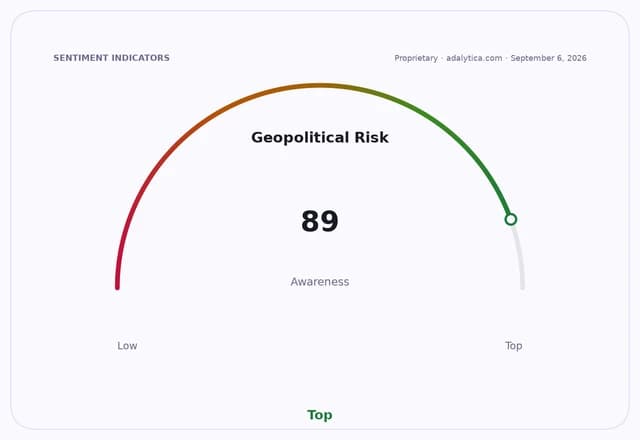
Sentiment IndicatorsⓘProprietary · adalytica.com · September 6, 2026
This is a snapshot — live sentiment, awareness and momentum for 130+ markets update continuously in the dashboard.Open AlphaPulse
That is why the market should care. Brent futures have stayed elevated, with WTI around $91 to $92 a barrel in recent trading, and the energy complex remains supported by geopolitics rather than clean fundamentals. Adalytica’s oil trade signals show WTI sentiment in fear while awareness is in extreme greed, a combination that typically appears when investors are paying up for headline risk, not comfort. In other words, the market is already pricing supply fragility; any credible Russian growth story into 2027 reinforces the case for structural tightness.
For investors, Vostok Oil is more than a Russian project update. It is a reminder that upstream capex is still the only durable cure for high prices, yet sanctions, financing constraints and logistics risk make large projects slower and more politically complicated than the market would like. That creates opportunity across the oil value chain. Integrated producers with spare capital, North American shale operators, offshore drillers, oil-field service names and pipeline operators all stand to benefit if the world remains short of reliable supply. The XLE energy ETF has rallied sharply and is trading well above its 50-day and 200-day moving averages, while the more upstream-focused XOP has outperformed even more aggressively, underscoring how investors are still positioning for a prolonged commodity cycle.
The broader narrative is straightforward: the world is entering a period where energy security matters more than headline demand growth. Tanker attacks, refinery sabotage and procurement diversification from buyers such as BPCL and Japan all point to the same conclusion — supply chains are being re-priced for geopolitical risk. Russia’s attempt to turn Vostok Oil into a major export engine fits directly into that framework. If it delivers, it could reshape crude flows in the second half of the decade; if it slips, the market remains tighter for longer.
The actionable takeaway is clear: stay long the infrastructure and production names that benefit from persistent supply scarcity, and treat every credible new barrels story as a reminder that the next big winners are likely the companies that find, move and refine oil — not the consumers forced to pay up for it.
| Entity | Gains | Losses |
|---|---|---|
| Rosneft/Vostok Oil | ▲New export volumes | ▼Execution and sanctions risk |
| Oil producers | ▲Higher-for-longer prices | ▼Consumers and refiners |
| XLE/XOP holders | ▲Upstream leverage | ▼Margin compression if supply loosens |
| Importers like refiners | ▲Potential new supply | ▼Pricing power in a tight market |