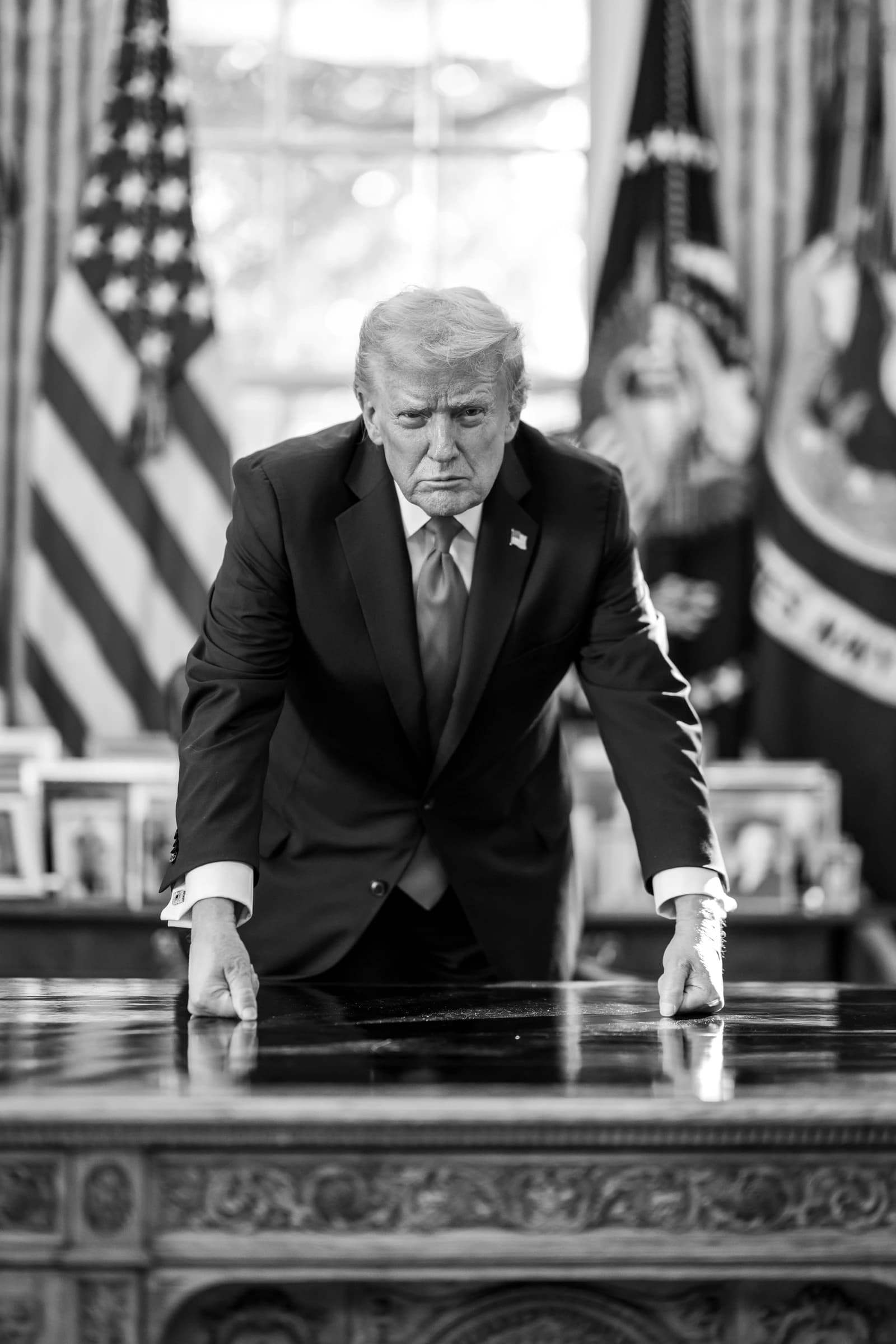
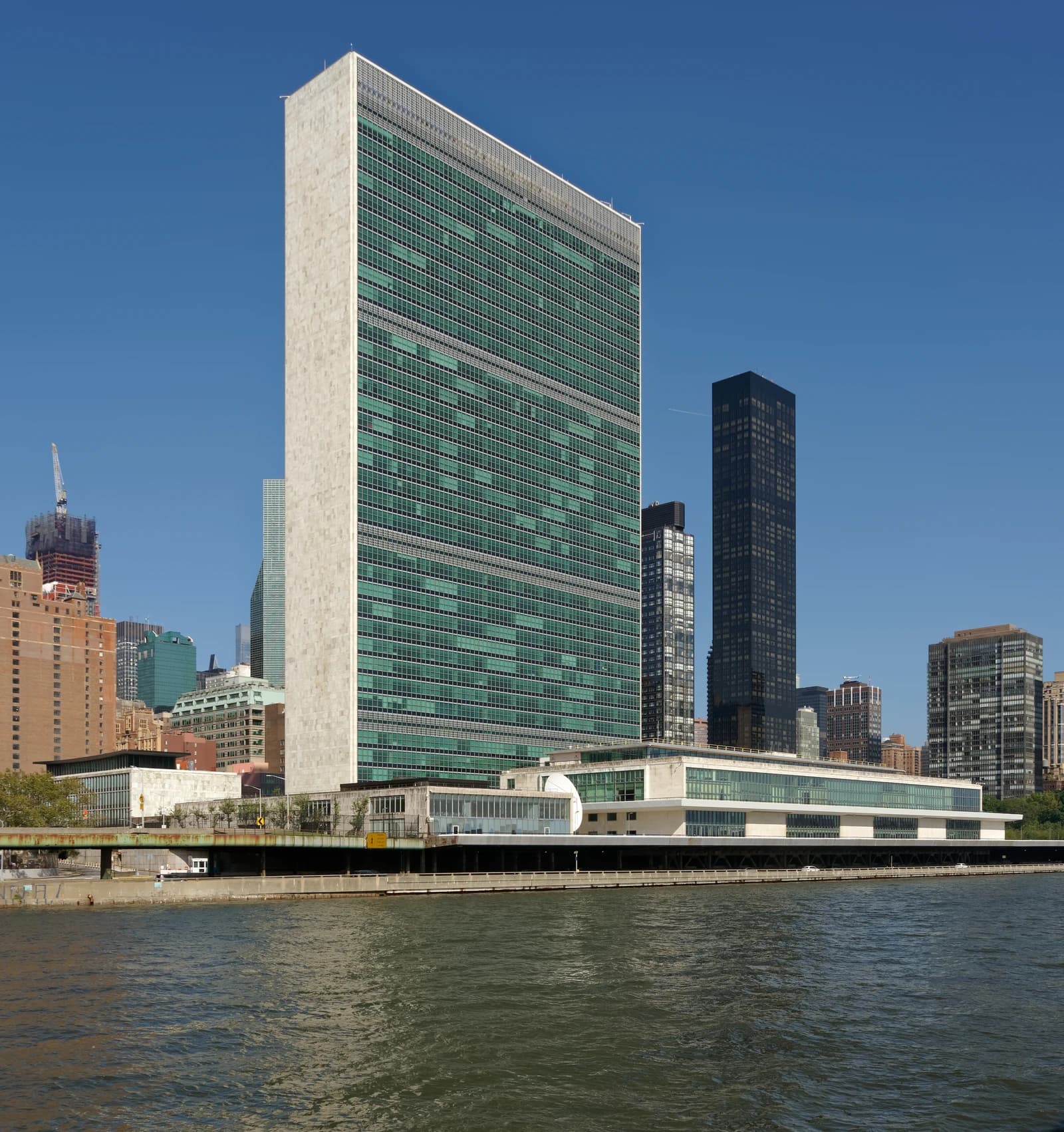
Volodymyr Zelensky and Donald Trump have agreed to meet in New York in the coming days, a fresh diplomatic signal that the Ukraine war could be edging toward a negotiated off-ramp — and that shift is already mattering for oil, defense and European assets.
Zelensky, Trump to Meet in New York on Ukraine Talks

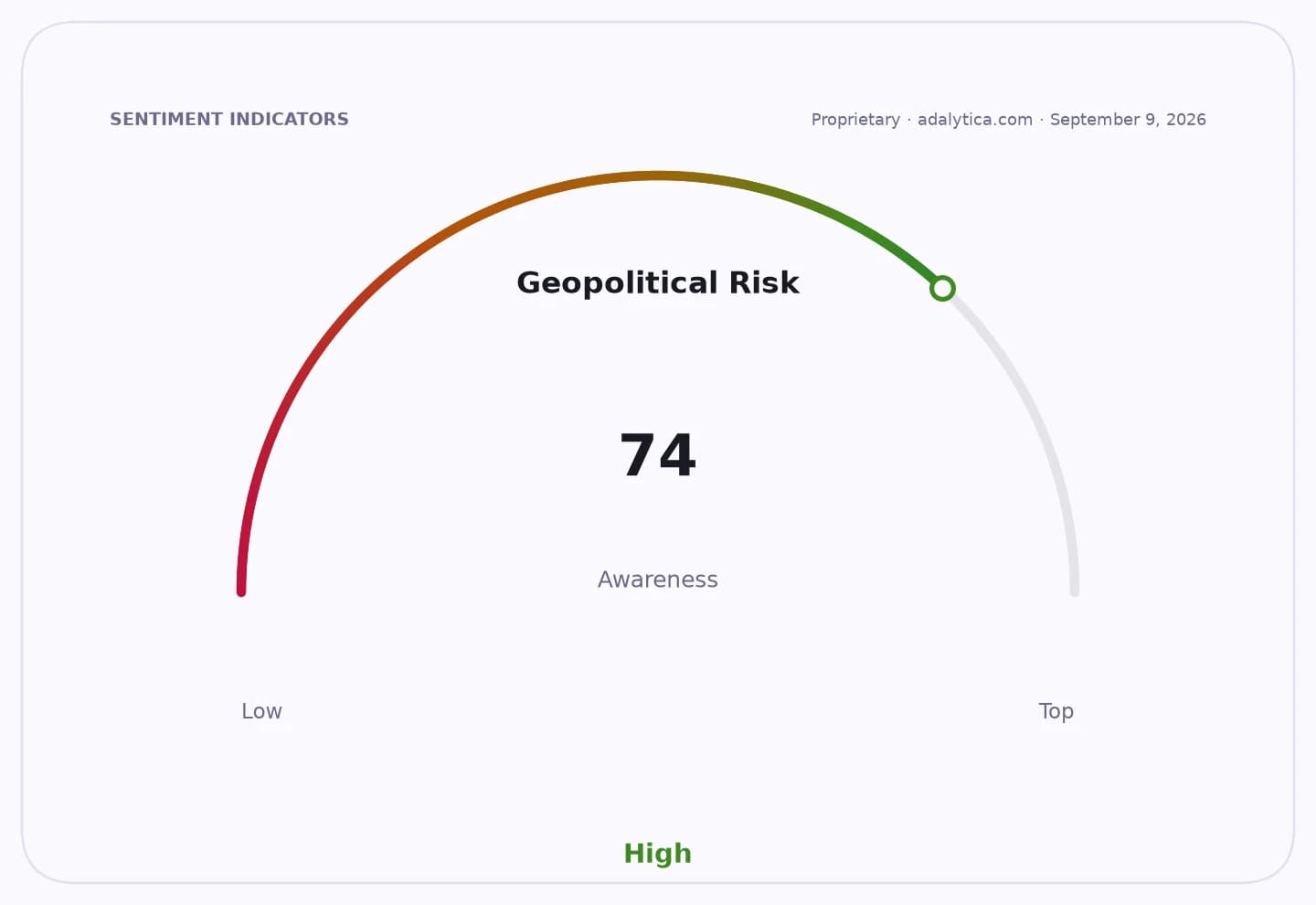
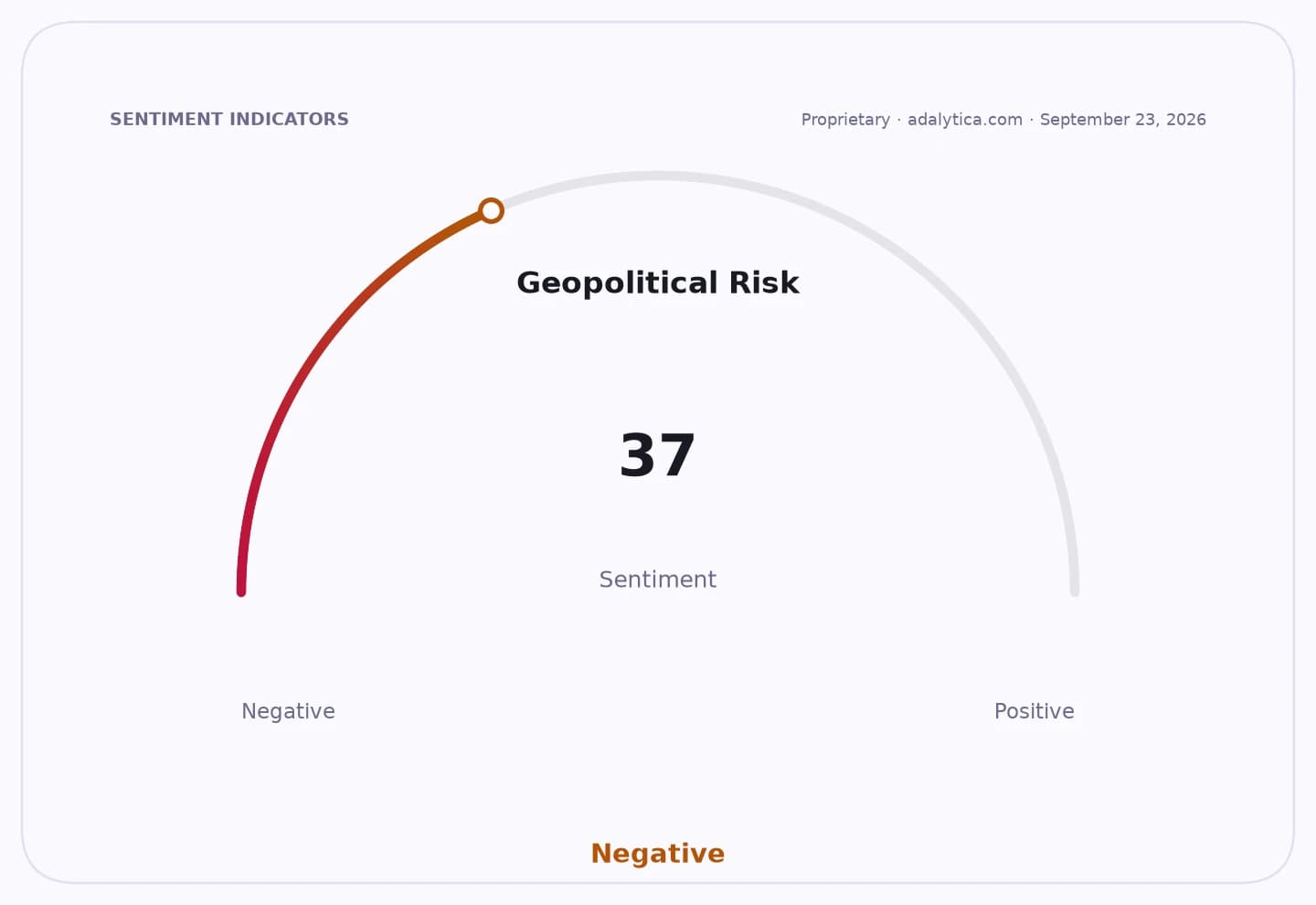
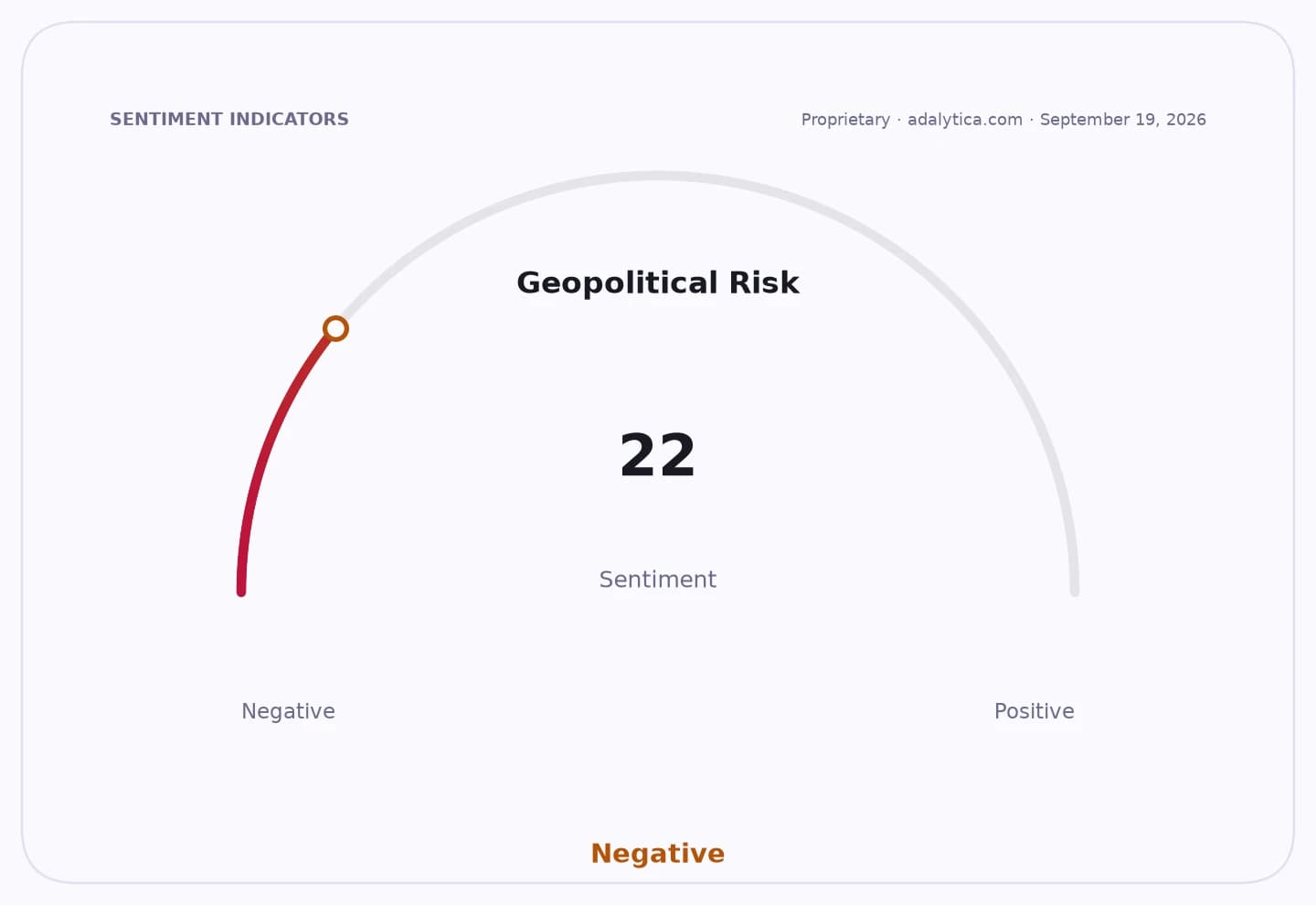
For markets, the significance is not the photo-op itself but the possibility of a real change in war risk. Any credible move toward talks would tend to ease the geopolitical premium in crude, steady European risk sentiment and force investors to reprice the biggest post-invasion winners and losers. That is why the latest move in U.S. and global stability gauges matters: Adalytica’s Global Stability Sentiment is still neutral at 46, but it has improved 24 points over the past week, while oil-trading sentiment sits at an extreme-greed reading of 88, showing how quickly markets are leaning into the possibility of supply normalization.
Sentiment IndicatorsⓘProprietary · adalytica.com · September 25, 2026
This is a snapshot — live sentiment, awareness and momentum for 130+ markets update continuously in the dashboard.Open AlphaPulse
Zelensky said the call with Trump was important and that “a dynamic diplomacy” is emerging, adding that the two sides are working on “serious steps” and ideas for de-escalation around energy, food and protection of lives. He also thanked Trump for sending envoys Steve Witkoff and Jared Kushner to Kyiv, underscoring that the White House is no longer treating the war purely as a battlefield problem.
That is the key economic narrative: a war that has distorted energy flows, lifted defense spending and forced Europe to absorb a long-term security shock may be entering a phase where the market starts to price in even a partial détente. Brent-linked oil exposure has already been volatile, with USO swinging from 161.86 to 153.09 in recent sessions, while the fund’s technical setup remains elevated after a powerful run — a sign that any progress in diplomacy could trigger profit-taking in the energy complex.
European equities and risk assets would likely be the first beneficiaries. The iShares MSCI United Kingdom ETF, EWU, has held above its 200-day moving average and trades near 47.16, but its recent softening shows how sensitive the region remains to headline risk. A genuine thaw in Ukraine would remove one of the main overhangs on European industrial confidence, utilities, transport and consumer sentiment, even if sanctions relief would likely come only gradually.
The clearest losers would be the names tied to sustained rearmament and emergency procurement. U.S. defense primes such as Lockheed Martin, RTX and Northrop Grumman have all flagged geopolitics and strained supply chains as drivers of demand and costs in recent filings. If negotiations progress, investors will start asking whether the surge in war-related spending becomes a plateau rather than a straight line higher. That does not mean defense demand disappears — it means the multiple may no longer be justified by perpetual escalation.
Oil producers face a similar asymmetry. Crude has been one of the market’s most direct war trades, and the latest uptick in USO to 153.09 reflects how much risk premium remains embedded. A serious peace track could pressure that premium first, even before any barrels actually return to market, making integrated producers, shale leverage and energy ETFs vulnerable to a fast unwind.
The market underestimates how quickly geopolitics can reprice when a top-level meeting becomes real. If New York produces even a framework for talks, investors should expect lower volatility in Europe, softer oil, and a rotation out of the most war-sensitive beneficiaries into cyclicals and rate-sensitive assets. The right move now is not to chase the last leg of the conflict trade, but to position early for a world where the war premium starts to leak out of the market.
| Entity | Gains | Losses |
|---|---|---|
| Ukraine and U.S. diplomacy | ▲Negotiating leverage | ▼War fatigue if talks stall |
| European equities | ▲Lower risk premium | ▼Delay if fighting continues |
| Oil producers | ▲Status quo pricing | ▼Peace-driven premium erosion |
| Defense contractors | ▲Ongoing rearmament demand | ▼Slower budget urgency |