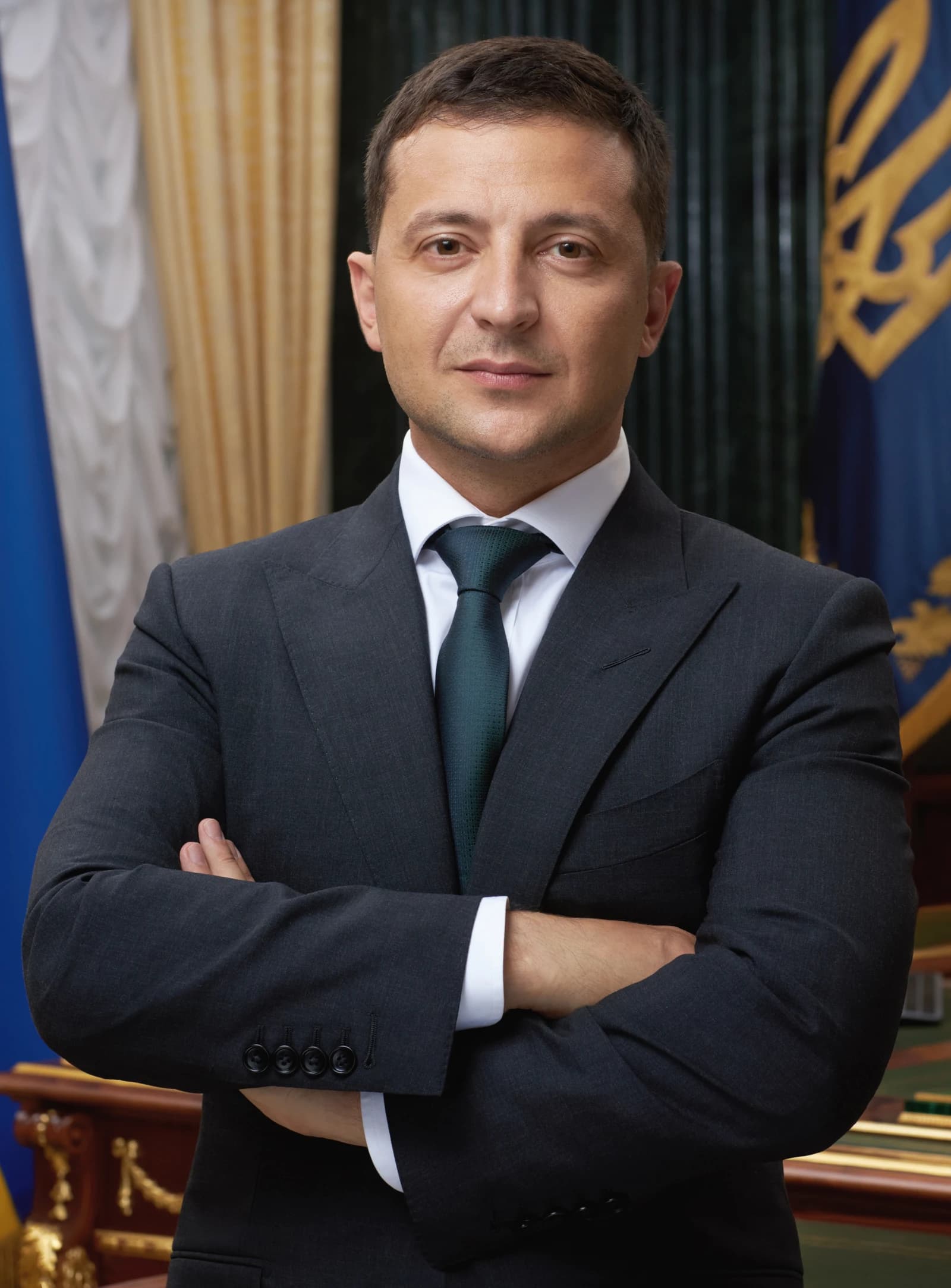
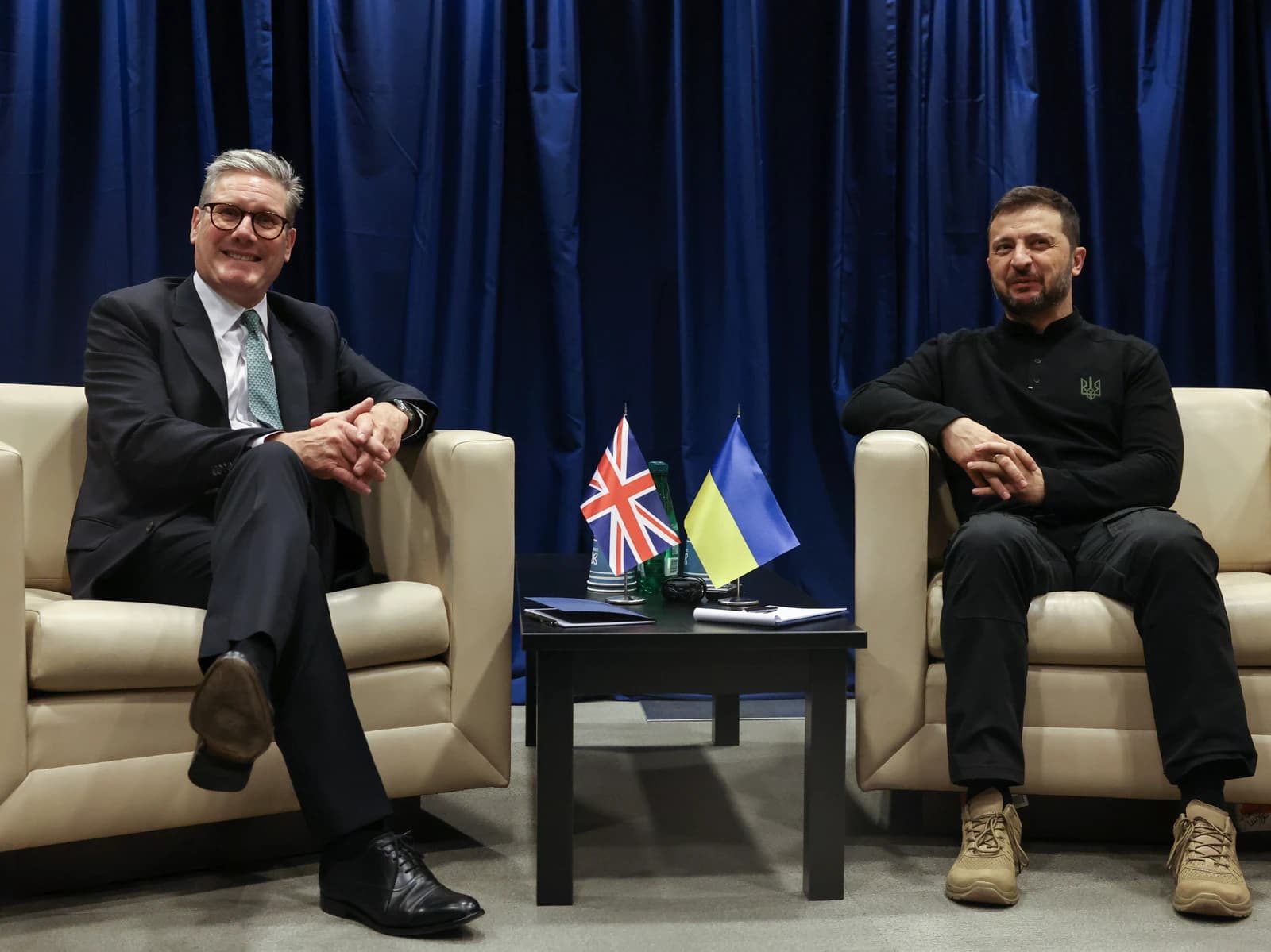
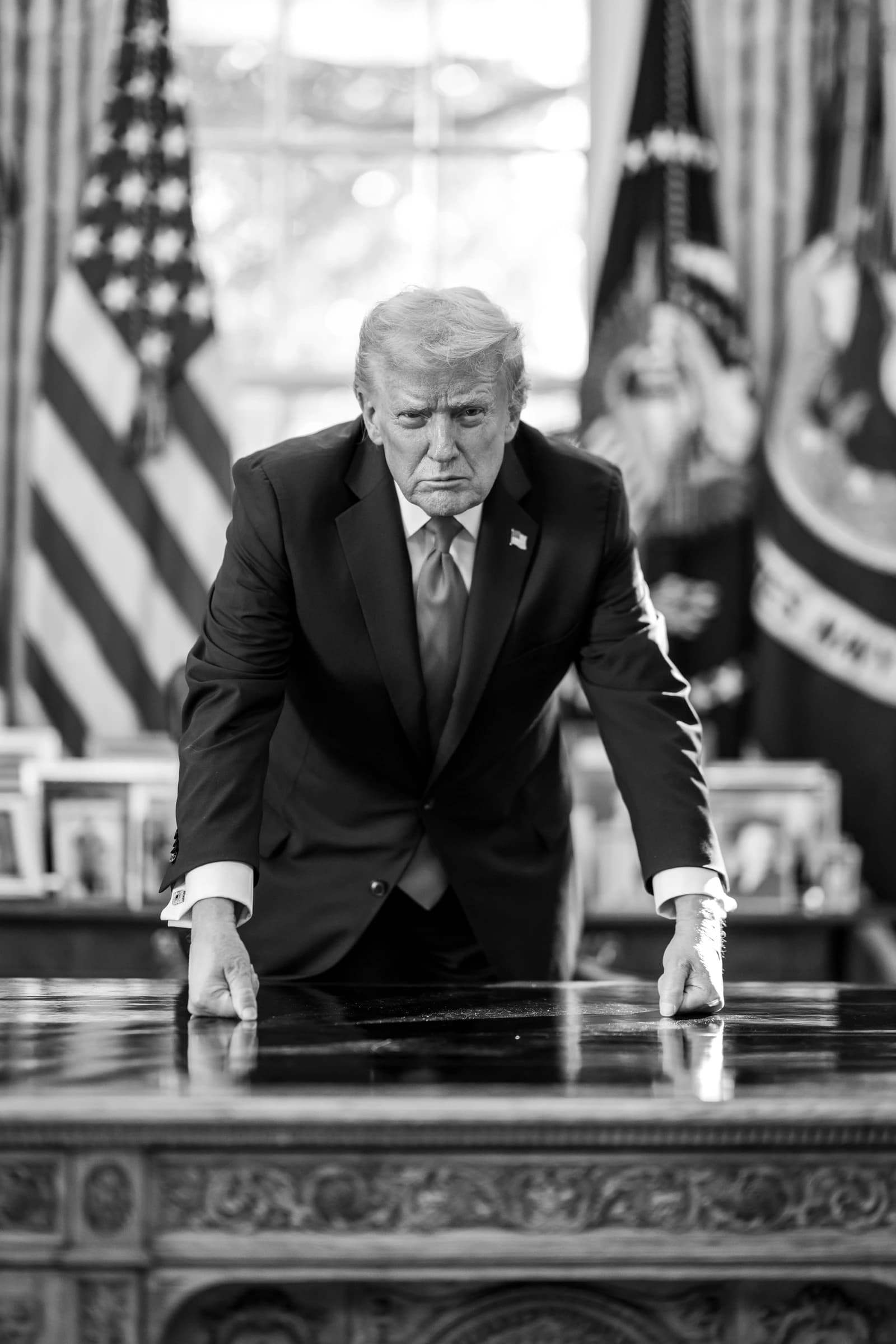
A direct call between Donald Trump and Vladimir Putin on Ukraine has revived hopes for a negotiated path to end the war, and the first market response shows where investors think the biggest money is at stake: crude oil and defense names.
Oil and defense ETFs react to Trump-Putin call
The Kremlin said the hour-long discussion on Sept. 8 was “constructive and very frank,” with both leaders reviewing the results of recent visits to Moscow and Kyiv by U.S. envoys Steve Witkoff and Jared Kushner. Moscow also said Putin told Trump Russia had “no aggressive plans” toward Europe and that the two sides would keep working through the channel, while Trump emphasized the economic upside of ending the conflict and restoring U.S.-Russia ties.
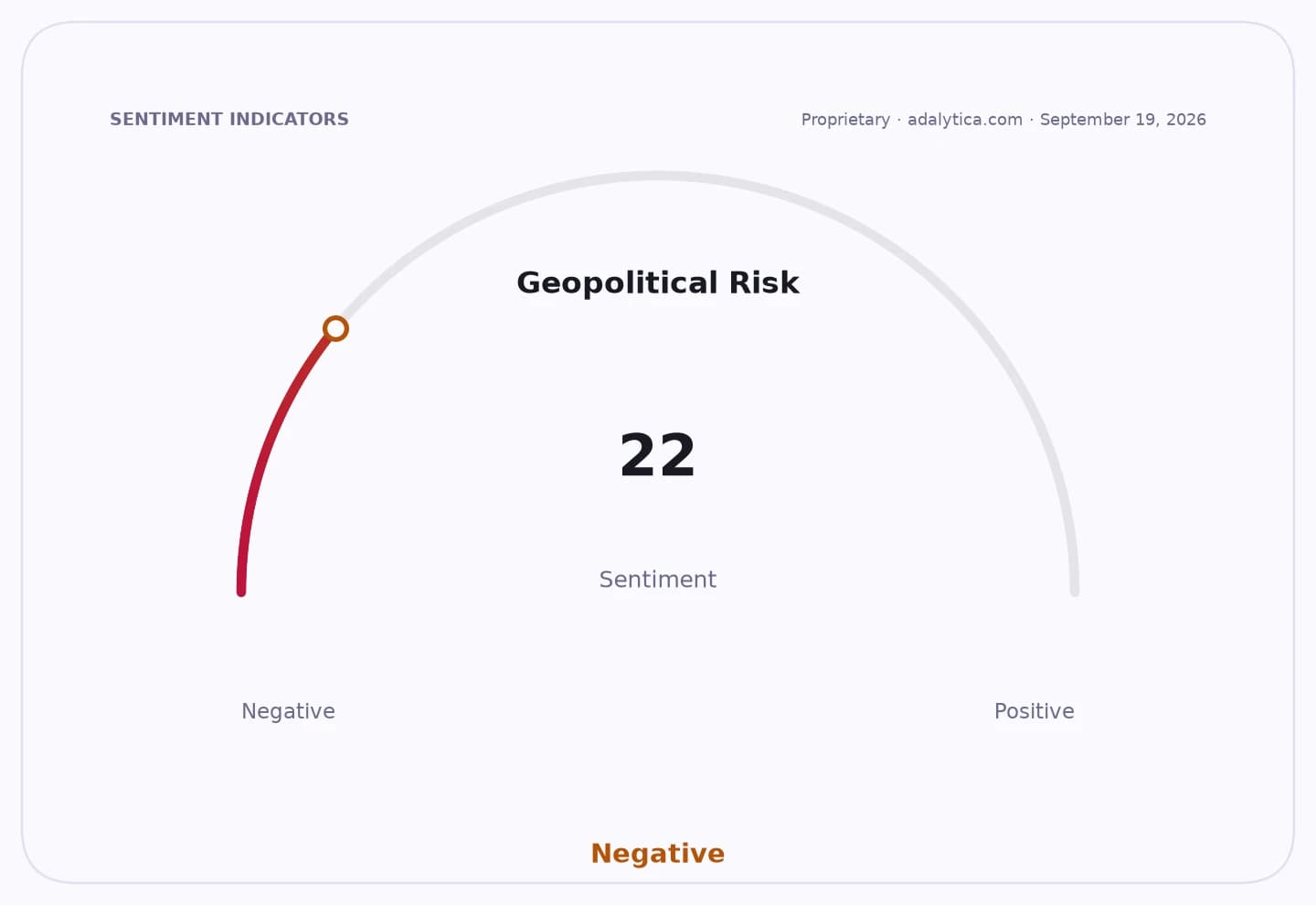
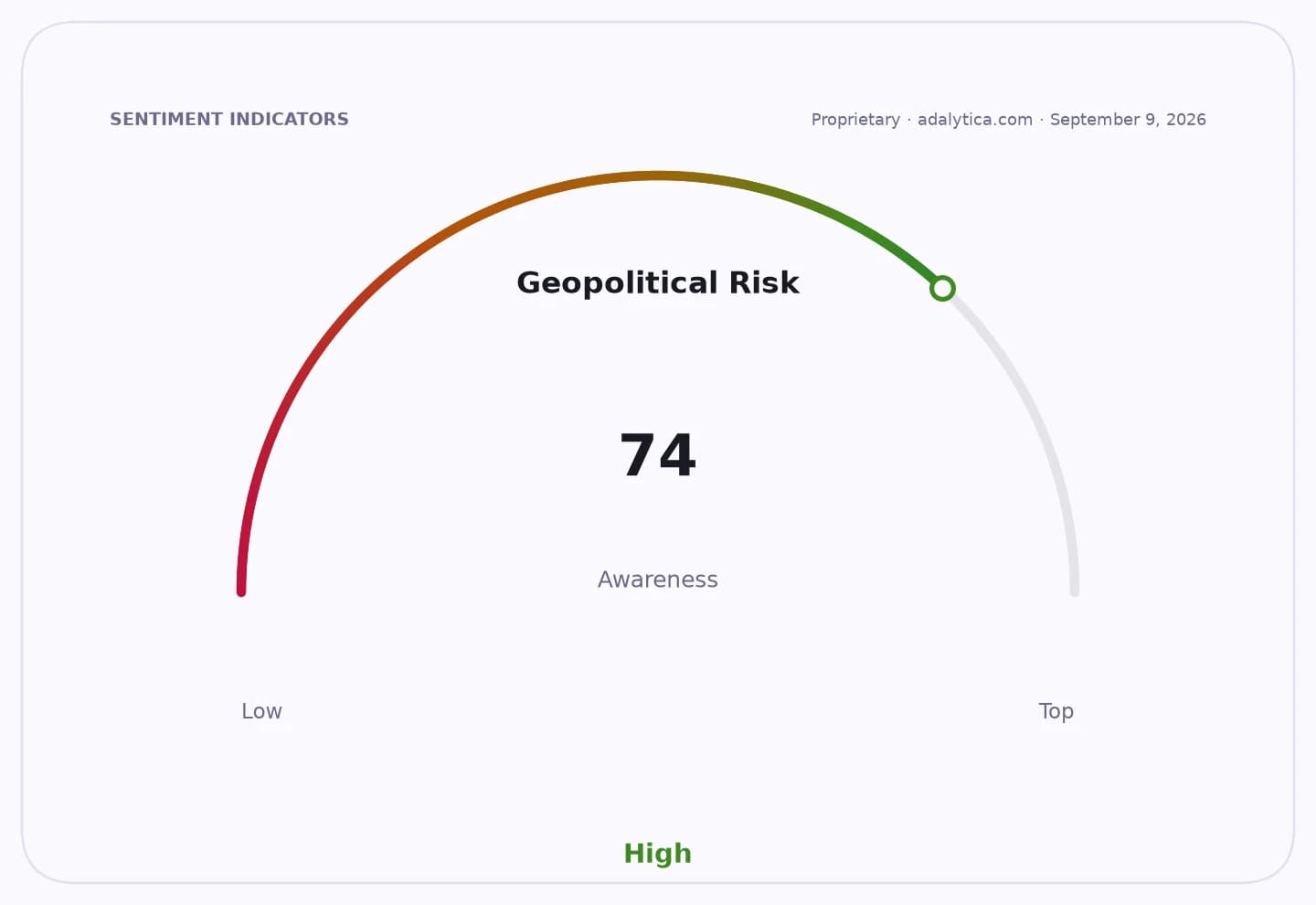
Sentiment IndicatorsⓘProprietary · adalytica.com · September 9, 2026
This is a snapshot — live sentiment, awareness and momentum for 130+ markets update continuously in the dashboard.Open AlphaPulse
That matters because any credible thaw in the Ukraine war would ripple far beyond diplomacy. It could loosen a risk premium that has supported energy prices, shift expectations for sanctions and trade policy, and change the spending outlook for defense contractors that have benefited from a prolonged security shock. Investors are already pricing that tension.
USO, the oil ETF, climbed to $149.69 on Sept. 9 from $141.96 two trading sessions earlier, while Brent-linked crude was holding near $91.75 a barrel in the context data. XLE, the energy sector ETF, rose to $65.21 from $64.06 on Sept. 4. By contrast, ITA, the defense ETF, slipped to $221.06 from $225.61 over the same stretch, a reminder that geopolitical de-escalation tends to hit the war trade first.
Geopolitical Risk vs USOadalytica.com
Explore this data interactively — full history, time series and cross-market comparisons.Open AlphaPulse
The move is not just about one call. It comes as U.S. envoys have been shuttling between Moscow and Kyiv, with Washington trying to test whether a narrow framework can be built around ceasefire terms, territorial realities and NATO questions. Russian Foreign Minister Sergei Lavrov said Moscow sees Trump’s position as rejecting Ukrainian NATO entry and recognizing “realities on the ground,” language that suggests any eventual deal would likely be politically contentious and far from clean.
That is exactly why this is an investable inflection point rather than a simple headline. If negotiations gain traction, energy markets could give back some of the geopolitical premium that has helped support prices, while defense spending expectations may cool at the margin. If talks stall, the opposite trade remains intact: oil stays bid, defense demand stays firm, and Europe keeps pushing military readiness.
The market underestimates how much capital is tied to this war economy. A sustained diplomatic opening would favor airlines, industrials and broader risk assets while pressuring crude producers and defense suppliers. A breakdown would reinforce the current winners — energy, missiles, surveillance and cyber — and keep volatility elevated.
For investors, the message is straightforward: watch the diplomatic channel, but position around the second-order effects. The biggest opportunity is not in predicting peace itself, but in identifying which assets are mispriced for a de-escalation that, if it comes, would hit oil and defense first and hardest.
| Entity | Gains | Losses |
|---|---|---|
| Oil producers | ▲Higher crude pricing | ▼Peace premium unwinds |
| Energy ETFs like USO/XLE | ▲Geopolitical tailwind | ▼Price pullback risk |
| Defense ETFs like ITA | ▲Conflict-driven demand | ▼Lower war-risk spending |
| Risk assets | ▲Lower volatility, lower input costs | ▼If talks fail, rally fades |