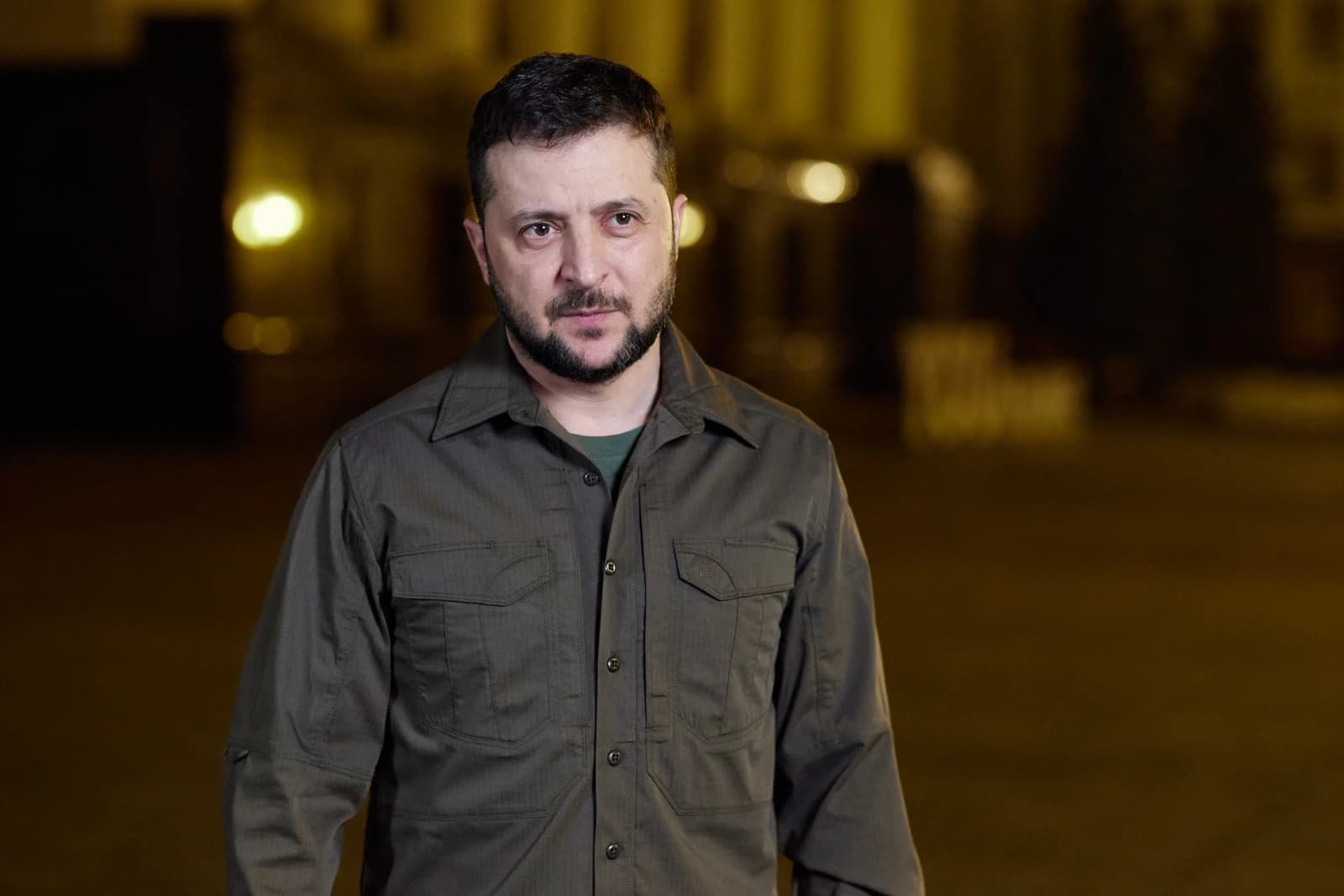
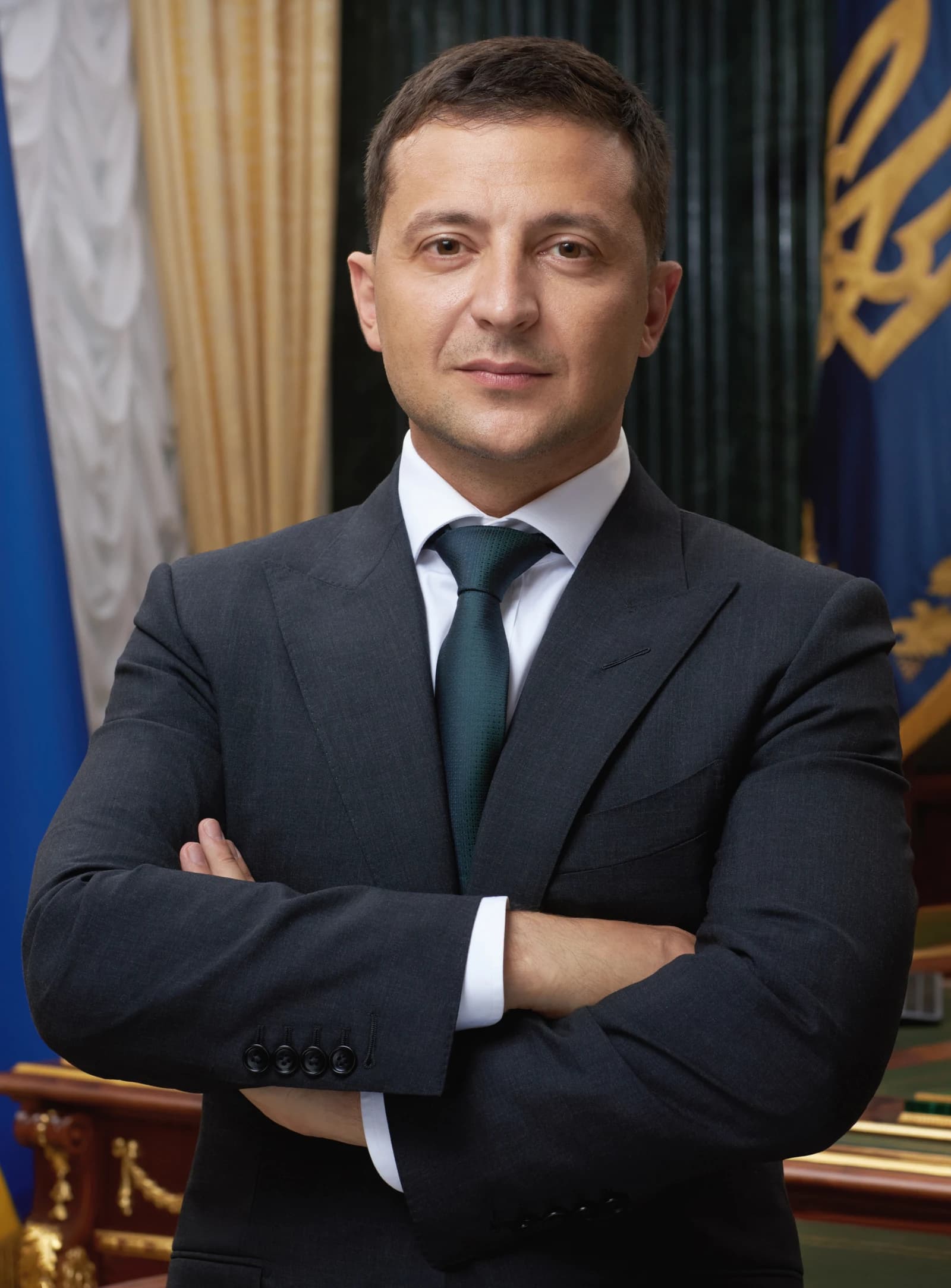
Ukraine is prepared to discuss an energy ceasefire with Russia, but President Volodymyr Zelensky says it can only become a path toward ending the war if Moscow stops striking civilian infrastructure and agrees clear terms for what is covered.
Ukraine sets conditions for energy ceasefire with Russia
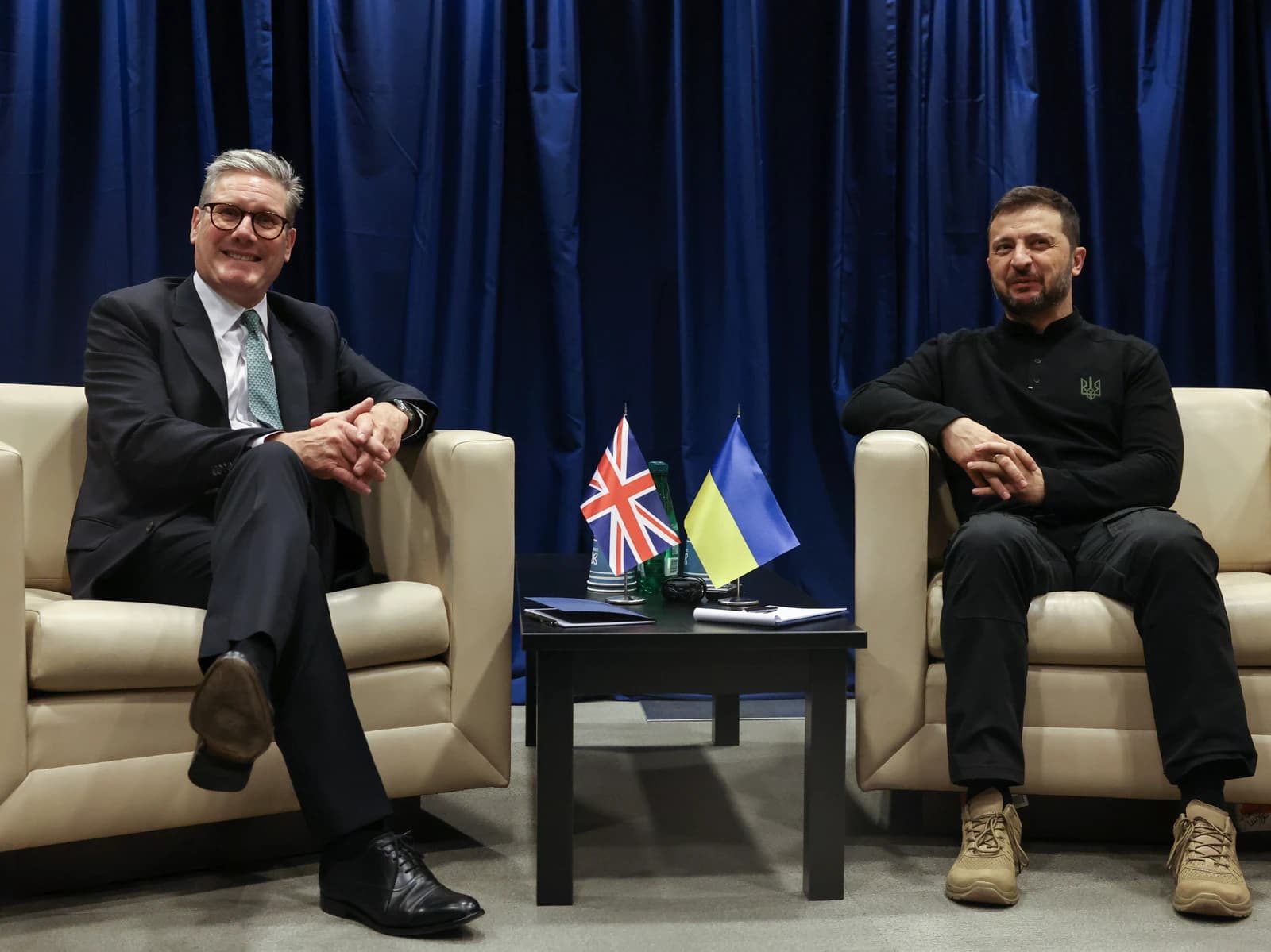
That matters because energy assets have become one of the most economically damaging fronts in the conflict, shaping winter power supply, industrial output and reconstruction needs in Ukraine while also raising the costs of war for Russia through deeper sanctions pressure and the risk of broader trade penalties.
Zelensky framed the proposal as a conditional test of Moscow’s intentions, saying any truce must come with explicit agreement on the list of energy facilities and with a halt to attacks. His comments came after another overnight Russian strike using ballistic and other missiles as well as drones, which hit civilian infrastructure in eight regions, including energy facilities in Sumy and Odesa and residential buildings in Kyiv and Odesa. More than 10 people were wounded, including children.
The timing is politically significant. The US House of Representatives has approved a sanctions bill tied to Senator Lindsey Graham that would expand pressure on Russia’s financial system and shadow fleet, while also giving President Donald Trump authority to impose tariffs of up to 500% on Russian imports and up to 100% on goods from China and India in certain circumstances. Trump has said he will sign the measure.
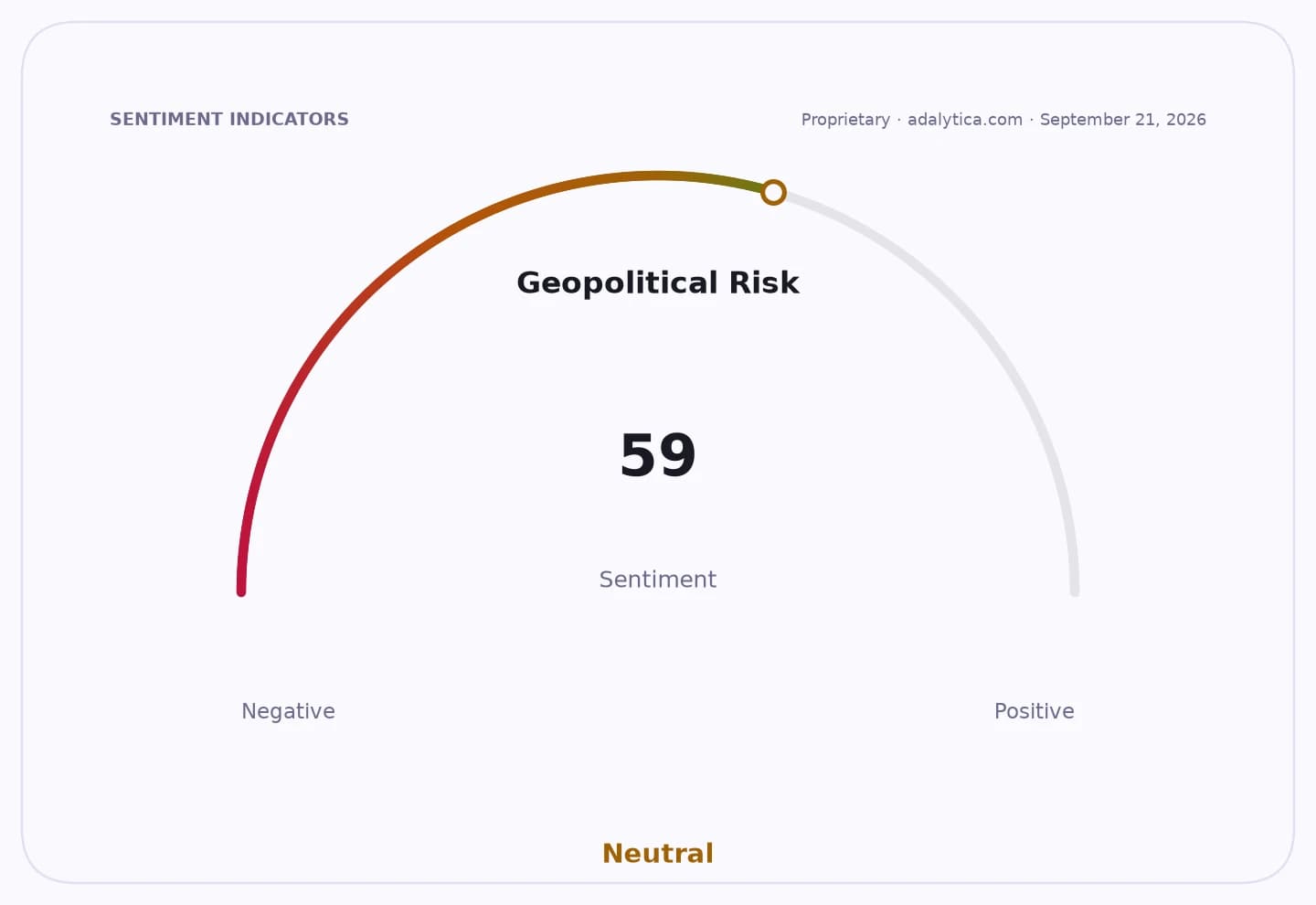
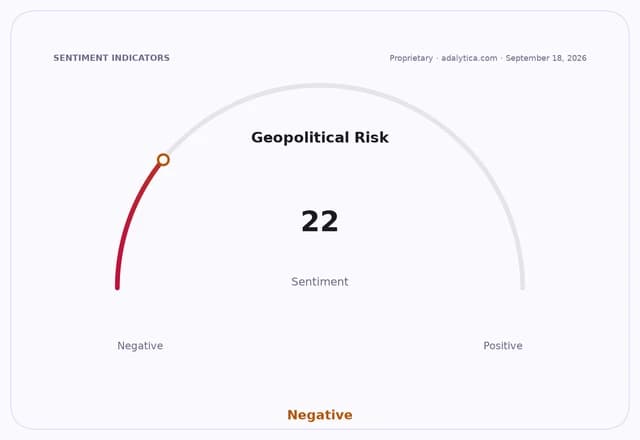
Geopolitical Risk — 30-day sentimentadalytica.com
Explore this data interactively — full history, time series and cross-market comparisons.Open AlphaPulse
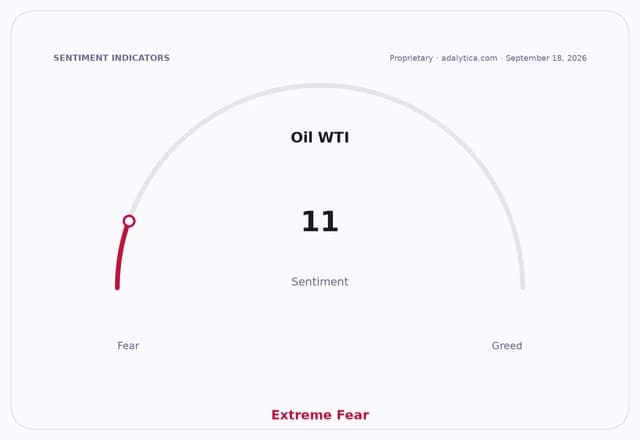
For investors, the immediate market read is less about a near-term peace dividend than about whether the conflict is moving toward a more expensive phase for Moscow. Tighter sanctions, secondary tariffs and enforcement against oil logistics would threaten Russian export revenues and could tighten global energy trade, even as broad oil-market sentiment remains deeply cautious, with Adalytica’s WTI trade-signal gauge showing “Extreme Fear.” Defense stocks, by contrast, remain supported by the likelihood that Europe will keep funding rearmament and air-defense spending as long as the war grinds on.
Ukraine’s conditions also underline the limits of any diplomatic narrative. Kyiv is signaling willingness to negotiate on infrastructure protection, but not to freeze attacks on terms that could simply lock in Russia’s military advantage. That makes any ceasefire highly contingent and keeps the base case centered on continued volatility in energy, sanctions and defense spending until Moscow shows it is willing to pay a higher economic price for prolonging the war.
| Entity | Gains | Losses |
|---|---|---|
| Ukraine | ▲Energy protection | ▼Attack leverage |
| Russia | ▲Ceasefire optics | ▼Export pressure |
| US lawmakers | ▲Sanctions leverage | ▼Diplomatic flexibility |
| Defense contractors | ▲Rearmament demand | ▼Peace scenario upside |