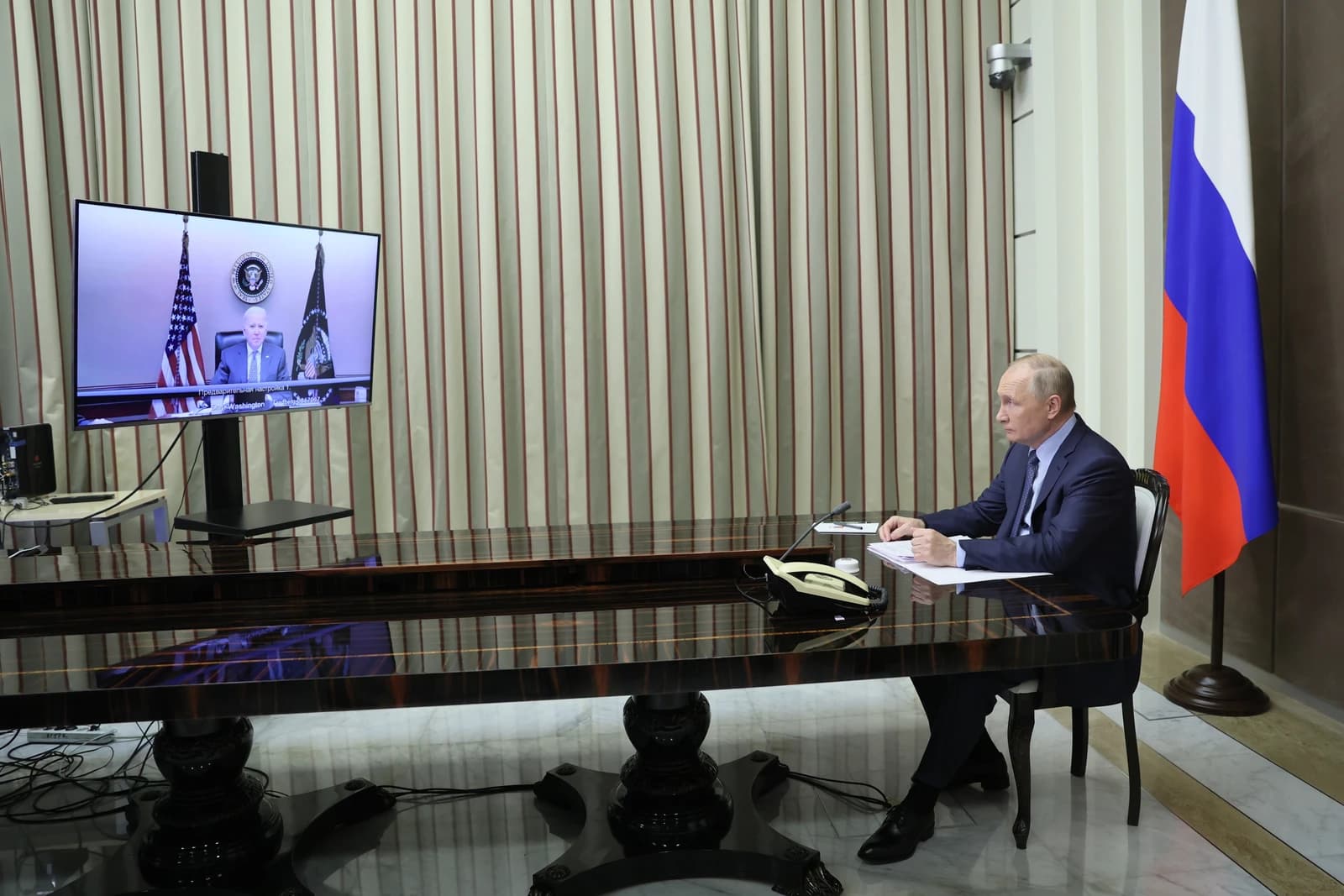
Jared Kushner’s blunt question to Vladimir Putin — how many more years would the Kremlin repeat the same war aims — captures the central gamble in Donald Trump’s latest Ukraine strategy: offering Russia economic benefits instead of relying only on sanctions pressure. That shift matters because it would reshape not just the peace talks, but the investment calculus around Russia, Europe’s security bill and the companies positioned for any thaw in East-West relations.
Trump Ukraine strategy weighs Russia incentives
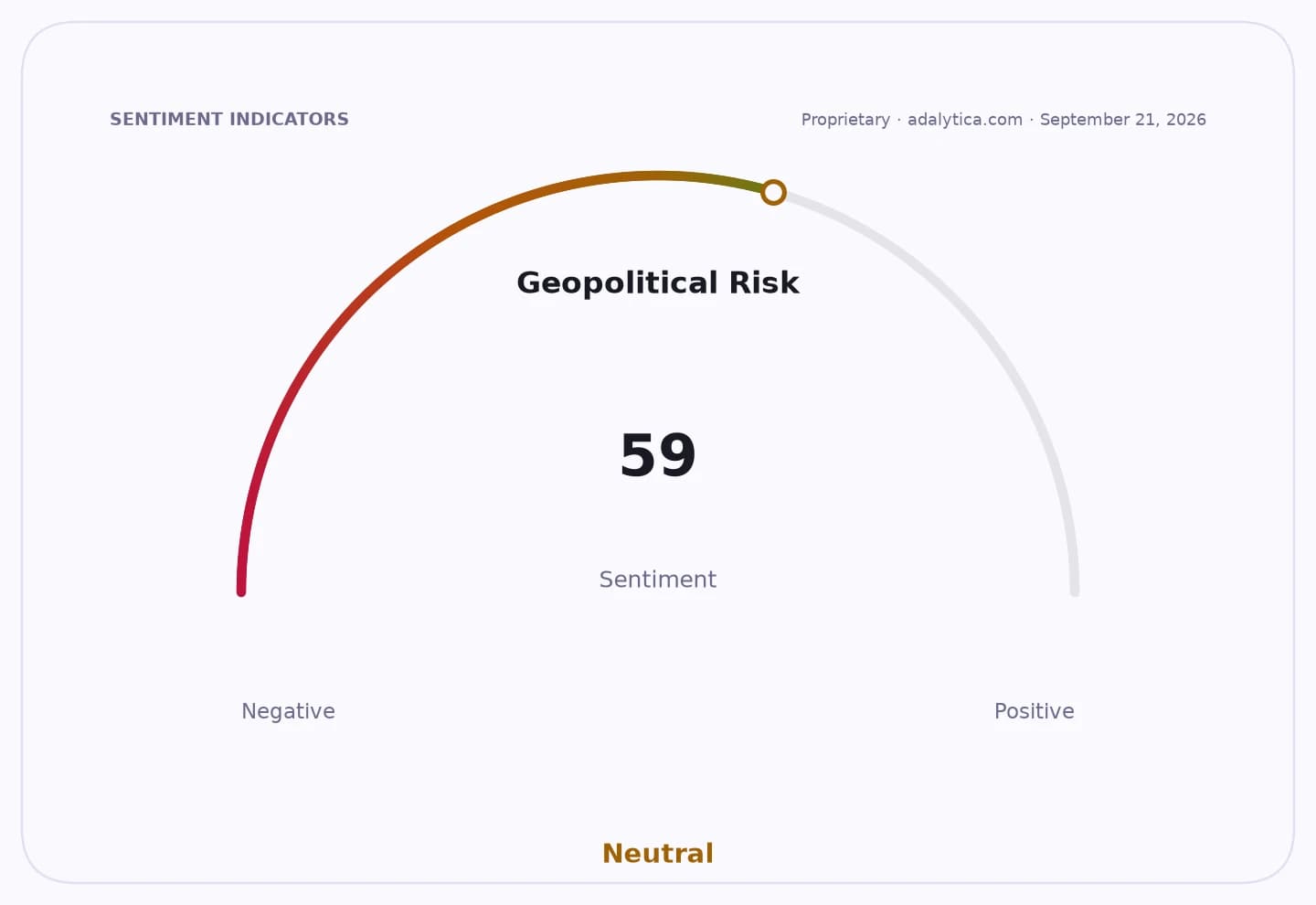
The New York Times report suggests the White House is weighing a carrot-and-stick approach with the emphasis now on the carrot, even as Congress has approved tougher sanctions on Russia and its allies. Trump has already signaled he is prepared to sign the new measures, but the administration is also exploring whether trade and investment incentives could give Moscow’s elite a reason to pressure Putin toward a deal. In plain economic terms, Washington is testing whether access to capital, commerce and reconstruction-linked opportunities can do what isolation has not: change Kremlin behavior.
That is a meaningful escalation in the policy debate because it moves the endgame from punishment to monetization. If the U.S. is willing to discuss business deals before a ceasefire is locked in, then the market is being forced to price a scenario in which Russia gradually re-enters selected global channels sooner than many expected. Even limited normalization would reverberate through energy, commodities, shipping, defense and European industrial supply chains.
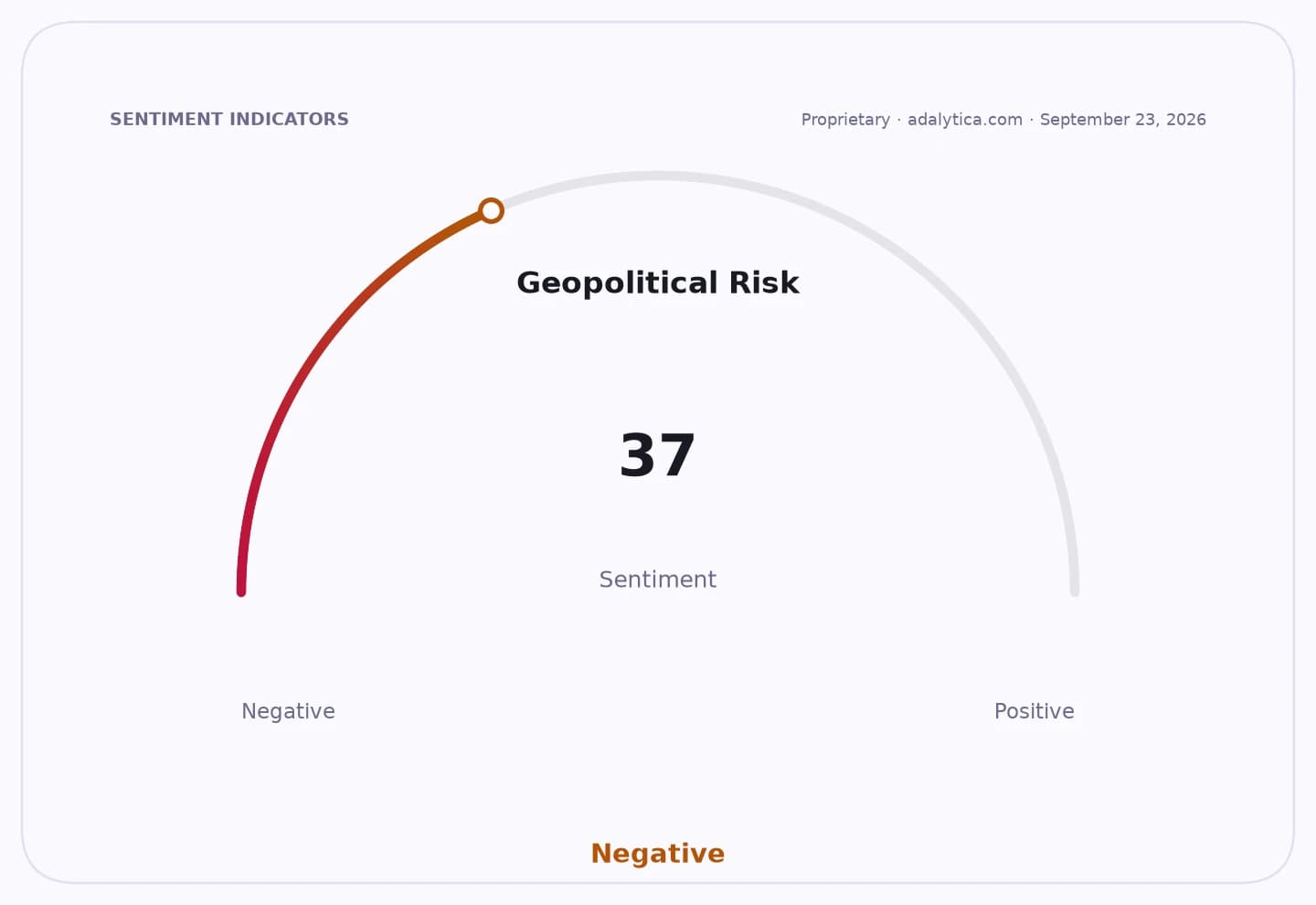
For investors, the story is not that peace is imminent. It is that the distribution of outcomes is widening. A genuine diplomatic opening would be a tailwind for European cyclicals, logistics, global banks with any residual exposure to the region and energy markets that have traded on chronic geopolitical risk. But it would be a clear headwind for defense contractors, U.S. LNG exporters benefiting from Europe’s pivot away from Russian supply, and trades built on prolonged wartime scarcity.
The report also underscores a deeper market truth: sanctions alone have not produced a settlement, and Washington now appears to believe incentives may be necessary to break the stalemate. That makes the next phase of negotiations crucial. If Trump can frame economic reintegration as the price of peace, the most important assets may not be on the battlefield but in the sectors that would gain from a reopening of Russian trade, reconstruction flows and a lower geopolitical risk premium.
Our thesis is that the market is underestimating how fast policy can pivot from containment to conditional engagement once a political opening appears. The asymmetric opportunity is to watch for beneficiaries of a de-escalation trade while remaining selective on names that have thrived on a permanently fractured world order. If the Kremlin sees a credible economic path back in, the peace process could become less about territory and more about who gets paid to rebuild the postwar map.
| Entity | Gains | Losses |
|---|---|---|
| Russia’s economic elite | ▲Deal access, capital inflows | ▼Isolation premium |
| European industrials | ▲Lower risk premium, demand recovery | ▼War-related disruption trade |
| Defense contractors | ▲— | ▼Slower urgency for rearmament |
| Energy importers | ▲Lower volatility, supply relief | ▼High-cost wartime sourcing |