The Kremlin said a new US sanctions law will not improve relations with Washington, underscoring how fresh economic pressure on Moscow risks narrowing the space for any Ukraine peace deal and any broader reset in bilateral ties.
Russia reacts to new US sanctions law
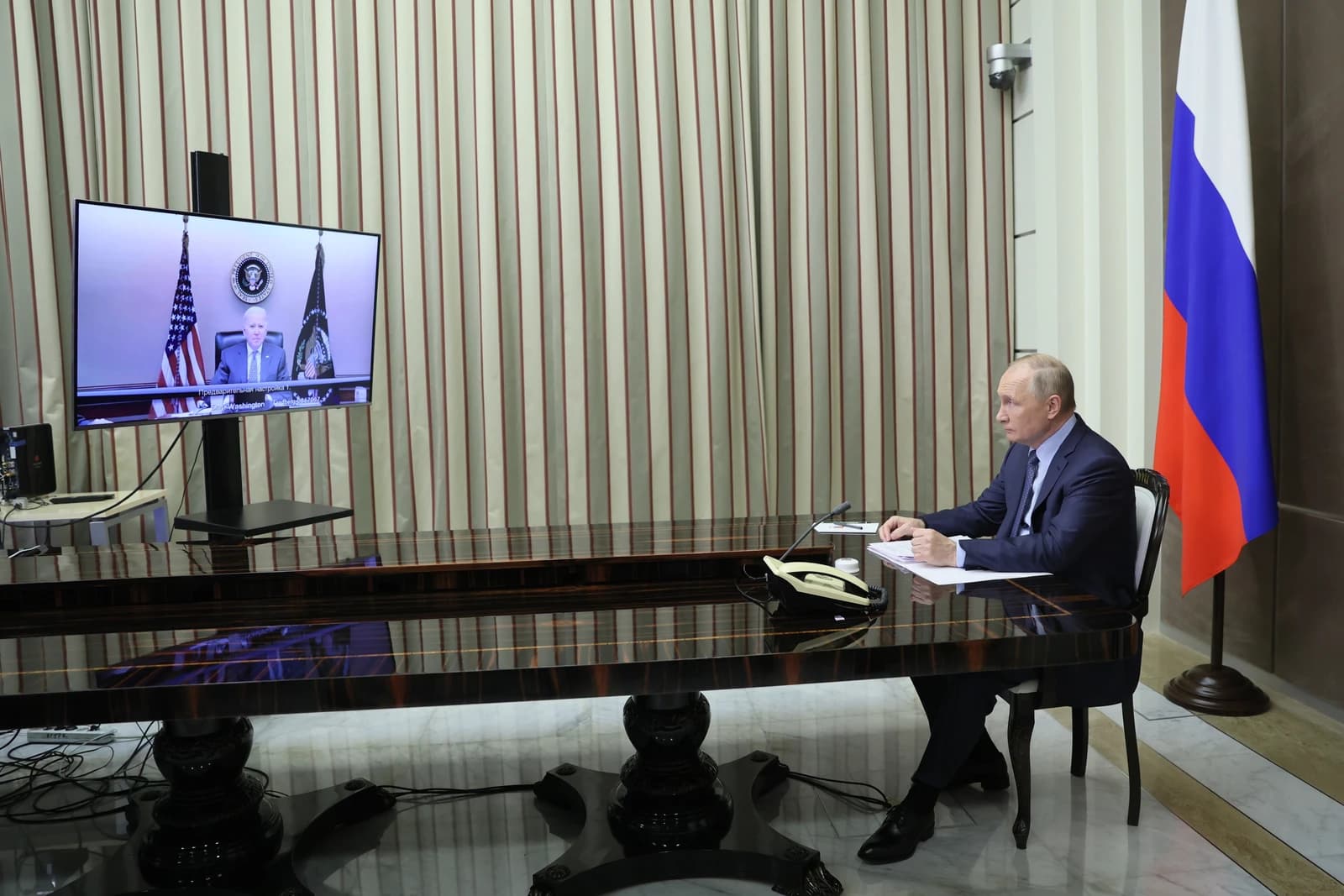
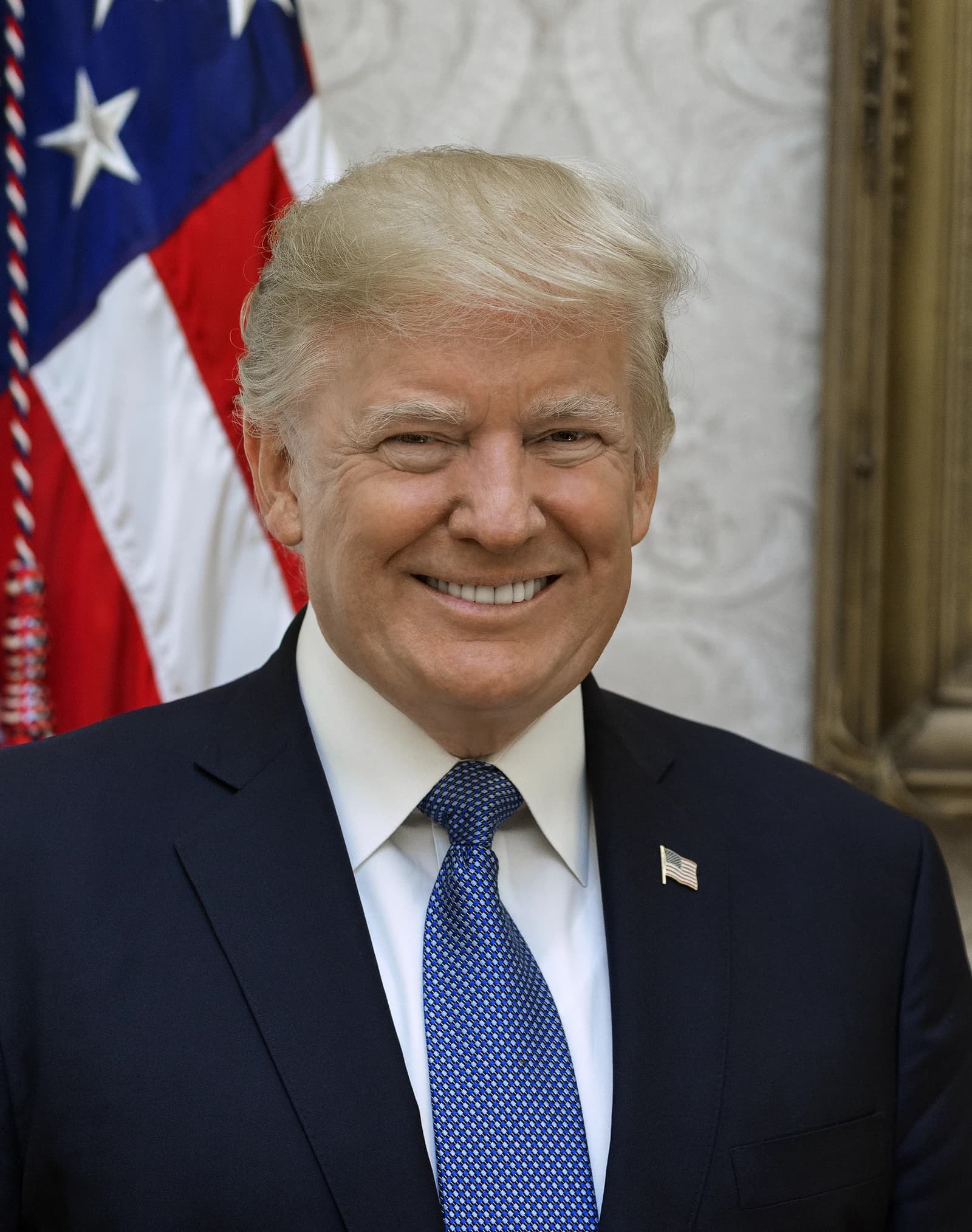
Dmitry Peskov, President Vladimir Putin’s spokesman, said on Saturday that the legislation signed by US President Donald Trump “cannot have a positive effect,” after Congress approved measures that would allow the White House to impose tougher economic penalties on Russia and on countries that continue buying Russian oil and gas.
For markets, the significance is not the sanctions text alone but the signal that Washington is prepared to keep using trade and tariff leverage to isolate Russia economically. The law gives Trump the option to impose additional tariffs of up to 100% on goods from countries among the five largest buyers of Russian energy, and tariffs of up to 500% on Russian imports into the United States. That raises the cost of doing business with Moscow well beyond the direct bilateral channel and could force third-country buyers to reassess their exposure.
The policy matters economically because it can tighten the external constraints on Russia’s export revenues, particularly in energy, which remain the backbone of state finances. If enforced aggressively, such measures would increase frictions for countries that help absorb Russian crude and gas, potentially reshaping trade routes, lifting transaction costs and adding uncertainty to global supply chains. The broader effect would be to reinforce Russia’s dependence on discounted exports, alternative payment channels and a narrower pool of willing buyers.
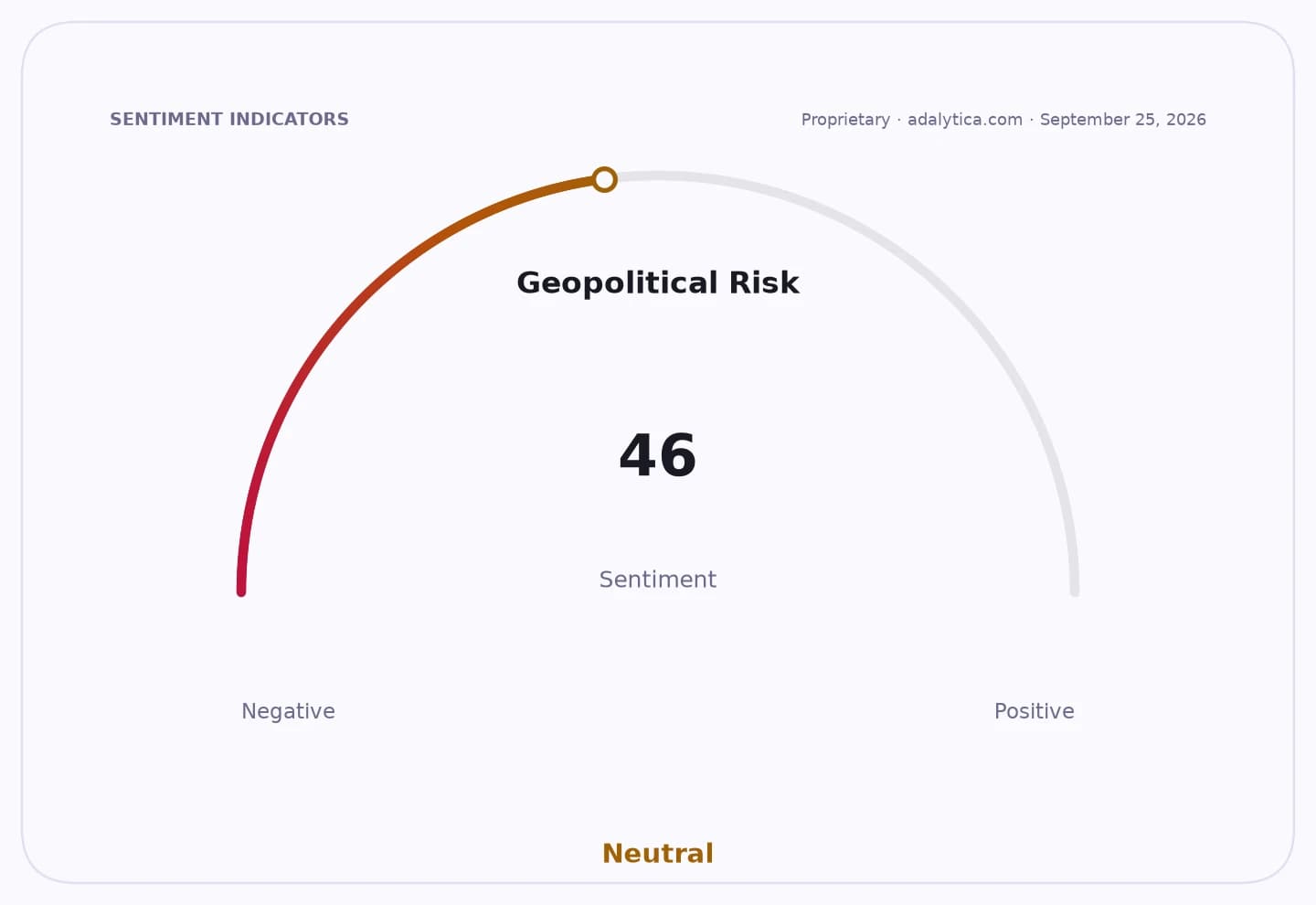
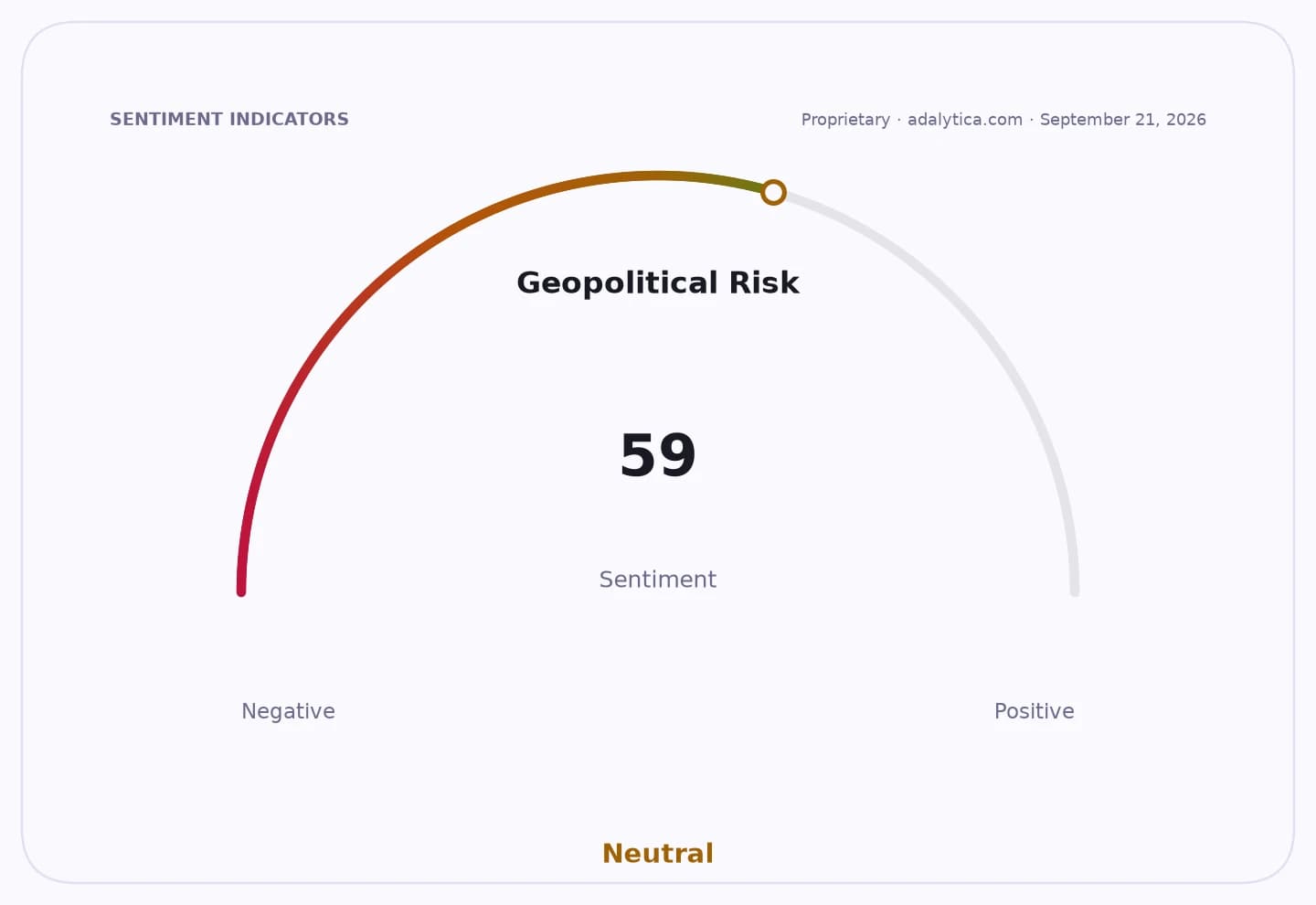
Geopolitical Risk — 30-day sentimentadalytica.com
Explore this data interactively — full history, time series and cross-market comparisons.Open AlphaPulse
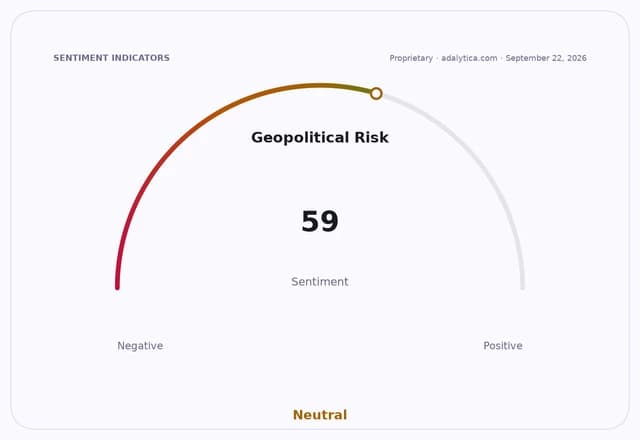
Investors are likely to read the move as another reminder that geopolitical risk around Russia remains structurally elevated even as markets periodically price in talk of negotiations. The rouble has been volatile, and conventional technical indicators on USDRUB=X suggest recent swings have left the currency above its 50-day moving average but still below its 200-day average, a pattern consistent with an unstable policy backdrop rather than a clean directional trend. In gold, GLD has held near $400 an ounce-equivalent and is trading below its 200-day average, reflecting persistent but not yet panic-level demand for haven assets.
The Kremlin’s complaint also complicates the diplomatic narrative. Peskov tied the sanctions directly to prospects for a Ukraine settlement and to the possibility of a “breakthrough” in US-Russia relations, while earlier Russian officials had pointed to Trump’s own past comments that negotiations on Ukraine could open the way to better ties. That leaves Moscow arguing for dialogue while Washington keeps the economic pressure tools in place — a combination that could preserve talks at the margins but makes any rapid thaw less likely.
For investors, the key issue is whether the US uses the new authority selectively or as a broader enforcement framework. A narrow application would limit spillovers outside Russia-linked trade, while a harder line could hit energy flows, shipping, commodity pricing and emerging-market counterparties more directly. Either way, the law reinforces sanctions as a standing market variable, not a one-off political headline.
| Entity | Gains | Losses |
|---|---|---|
| US government | ▲More leverage over Moscow | ▼Higher geopolitical friction |
| Russia | ▲Short-term bargaining narrative | ▼Export revenues, diplomatic room |
| Russian energy buyers | ▲Potential discount access | ▼Tariff and compliance risk |
| Haven assets | ▲Safe-haven demand | ▼Risk assets tied to Russia exposure |