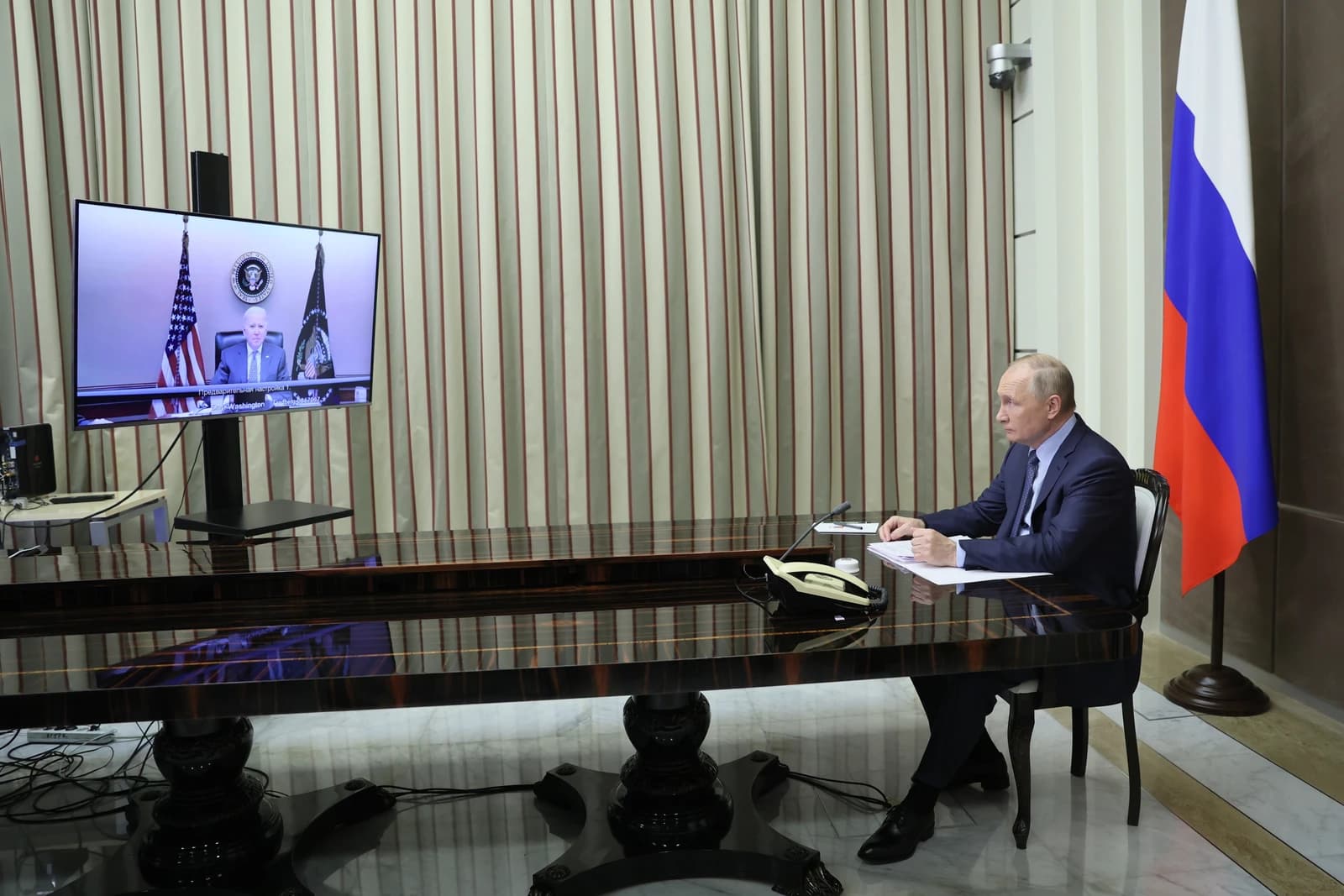
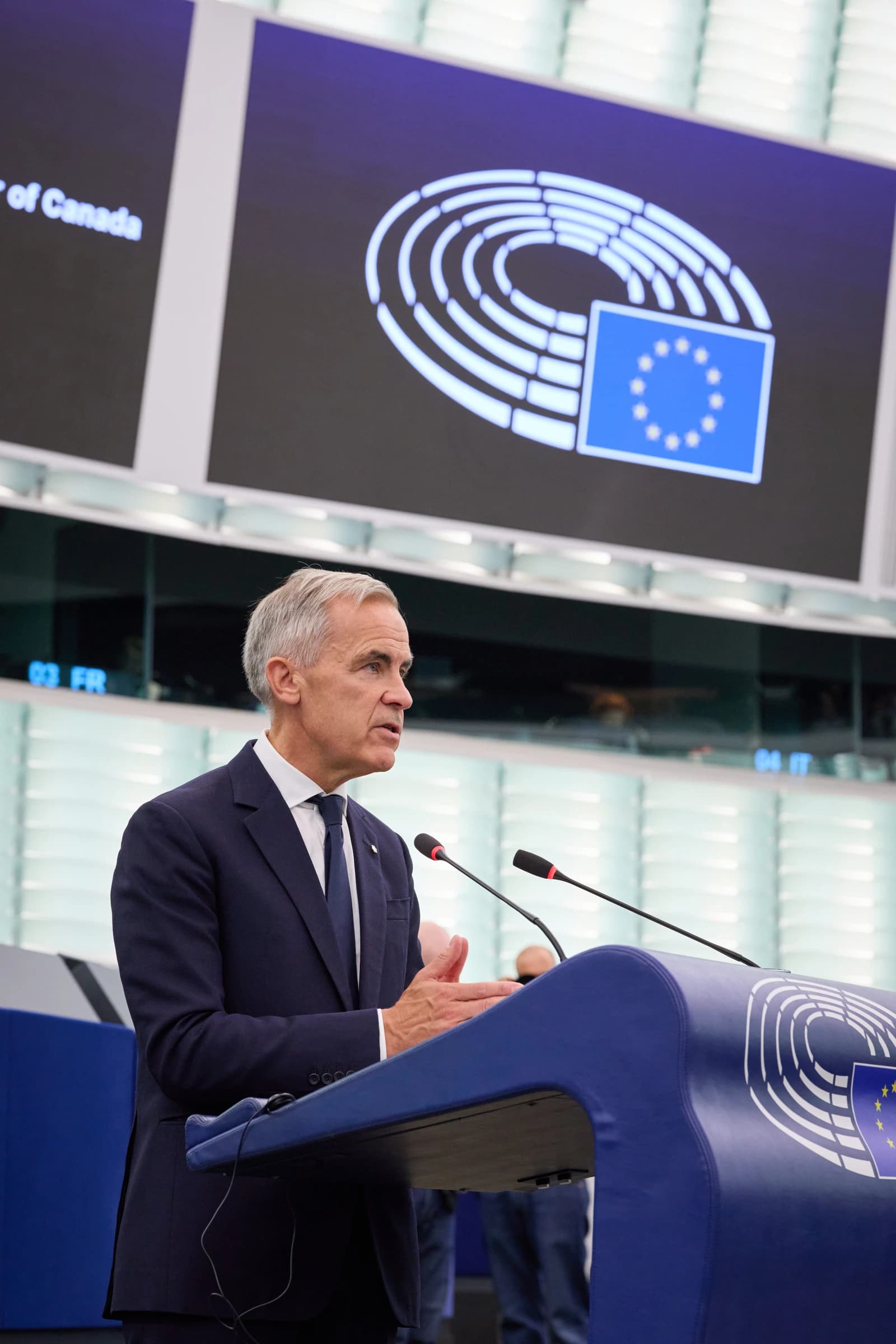
The European Union said it will sanction people involved in organizing Russia’s parliamentary vote in occupied Ukrainian territories, turning the Kremlin’s election into another pressure point in the war and underscoring how Brussels is trying to tighten the economic vise even as member states clash over the next round of Russia penalties.
EU Sanctions Russia Vote Organizers
That matters because sanctions are one of Europe’s few direct economic weapons against Moscow, and this package goes beyond symbolism. By targeting candidates and organizers tied to what the EU called “fake elections,” Brussels is signaling that it will punish not just battlefield actions but also the machinery of occupation and political control. For investors, the message is that the sanctions regime remains live, expansive and subject to political bargaining — a mix that keeps energy, currency and cross-border risk premia elevated.
The announcement came after Russia’s Sept. 18-20 State Duma vote, which the EU said highlighted the “ongoing and deepening erosion of democracy” in Russia. Brussels also criticized Moscow for barring observers from the Organization for Security and Co-operation in Europe, saying the absence of independent monitoring was further proof that Russia was not meeting its commitments. EU foreign policy chief Kaja Kallas said the bloc would never recognize the vote in occupied Ukrainian regions or its results.
The economic effect of such measures is not only the immediate asset freezes and travel bans that typically follow. It is the cumulative tightening of legal, financial and reputational constraints around Russian elites, officials and institutions. Over time, that can complicate capital flows, asset access and international business ties — especially when sanctions lists already cover about 3,000 Russian individuals and entities. For Western companies still exposed to Russian-linked counterparties, the practical takeaway is simple: the compliance burden is not easing.
At the same time, the sanctions debate is exposing fault lines inside the EU itself. Member states were still negotiating an extension of existing Russia sanctions, with France and Slovakia pushing to remove oligarch Alisher Usmanov from the blacklist. Luxembourg has also reportedly sought relief for businessman Mikhail Fridman if Usmanov is delisted. Some northern and Baltic countries are resisting any carve-outs, and a compromise under discussion would extend the remaining sanctions for 36 months. That kind of dispute matters to investors because it shows how sanctions can become bargaining chips in broader diplomatic deals, making policy less predictable even when the direction of travel is still punitive.
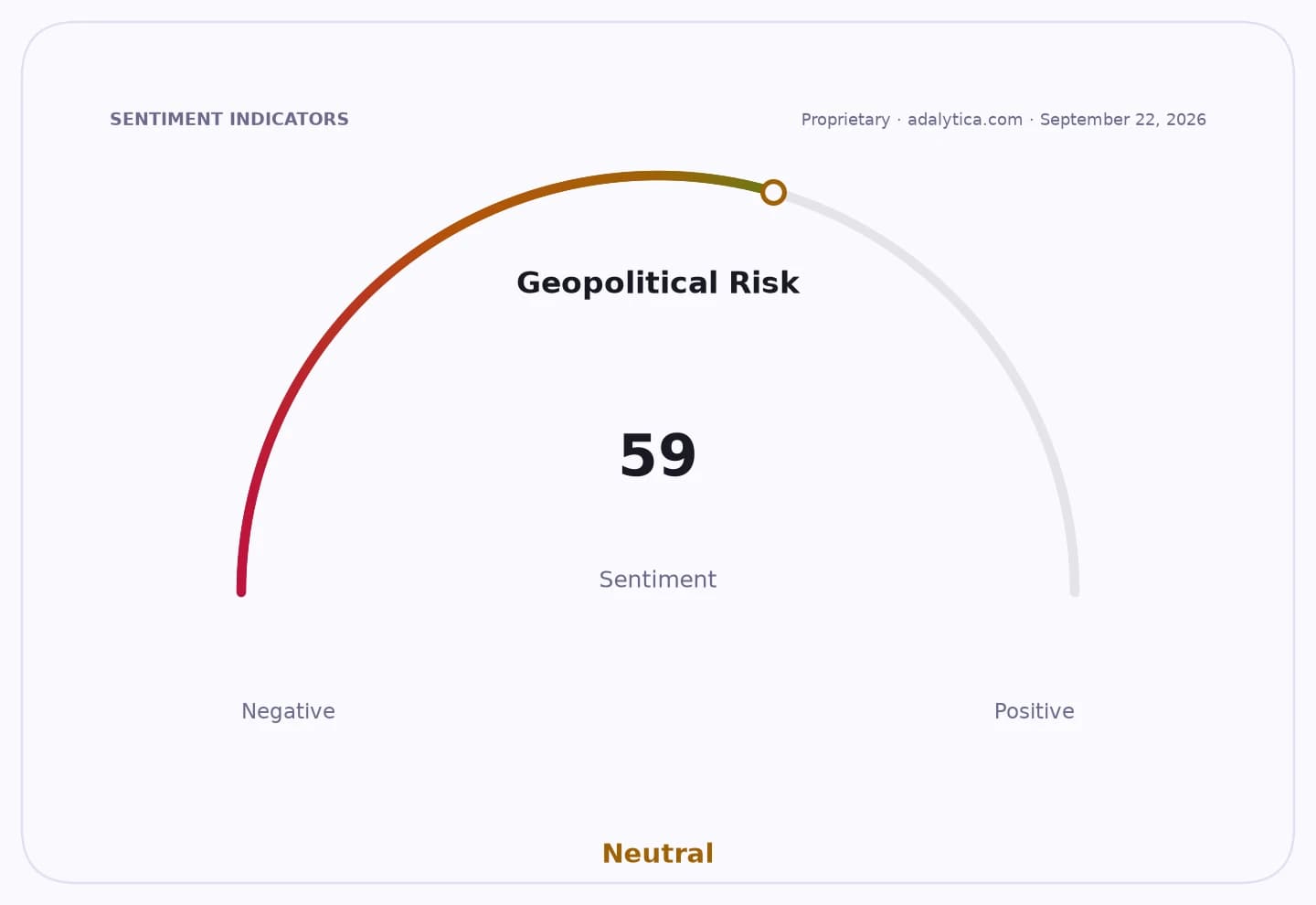
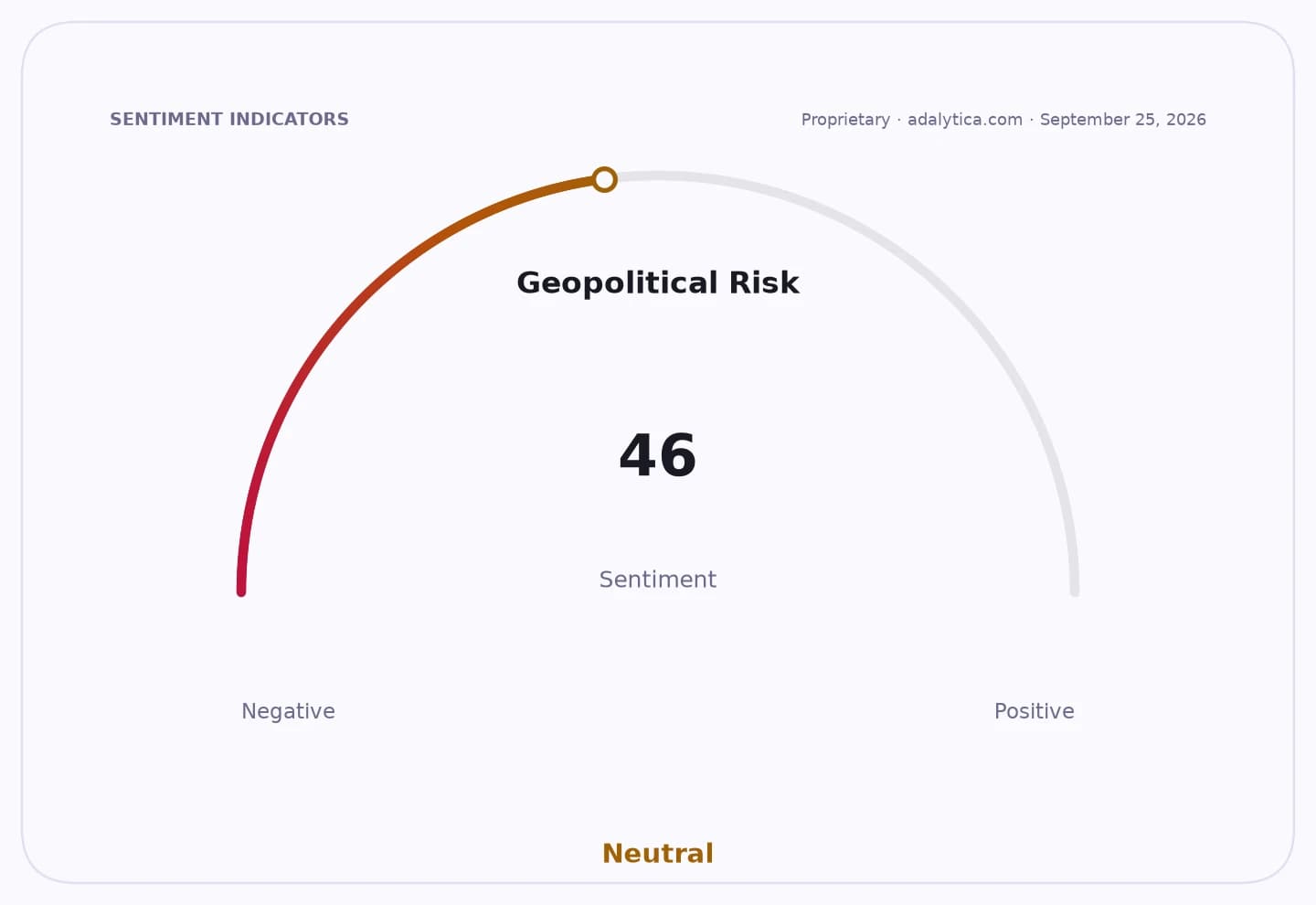
Markets in Russian assets remain highly sensitive to these shifts. The rouble’s recent swings reflect how geopolitical headlines can overwhelm fundamentals, and the currency’s technical backdrop has improved from earlier weakness even as it remains vulnerable to fresh escalation. Global stability sentiment data from Adalytica.com still points to a neutral but fearful backdrop, which is exactly the kind of environment where sanctions risk tends to linger in asset prices rather than disappear.
For long-term investors, the more important lesson is that Europe is not stepping back from pressure on Russia; it is broadening it. That does not mean a clean tradeable theme in itself, but it does reinforce a durable investment framework: geopolitical fragmentation is now part of the baseline for energy, defense, commodity and European risk assets. If the bloc can keep its sanctions coalition intact, the economic drag on Russia should persist — but if internal disagreements widen, the market may start pricing more policy inconsistency, not less. This is still a story worth watching closely, especially for investors with exposure to Europe, emerging markets and global commodities.
| Entity | Gains | Losses |
|---|---|---|
| EU sanctions hawks | ▲More pressure on Moscow | ▼Higher policy friction |
| Russia-linked officials | ▲Political insulation at home | ▼Travel and asset restrictions |
| European unity advocates | ▲Tougher Russia stance | ▼Delay over sanctions renewals |
| Investors in Russian risk assets | ▲None | ▼More headline volatility |