Russian equities attempted a modest rebound on Friday, but the market remained pinned by geopolitics, weaker oil and signs that tighter financial conditions are set to last longer than investors had hoped.
Russian Equities Rebound as Oil Falls and Rates Rise
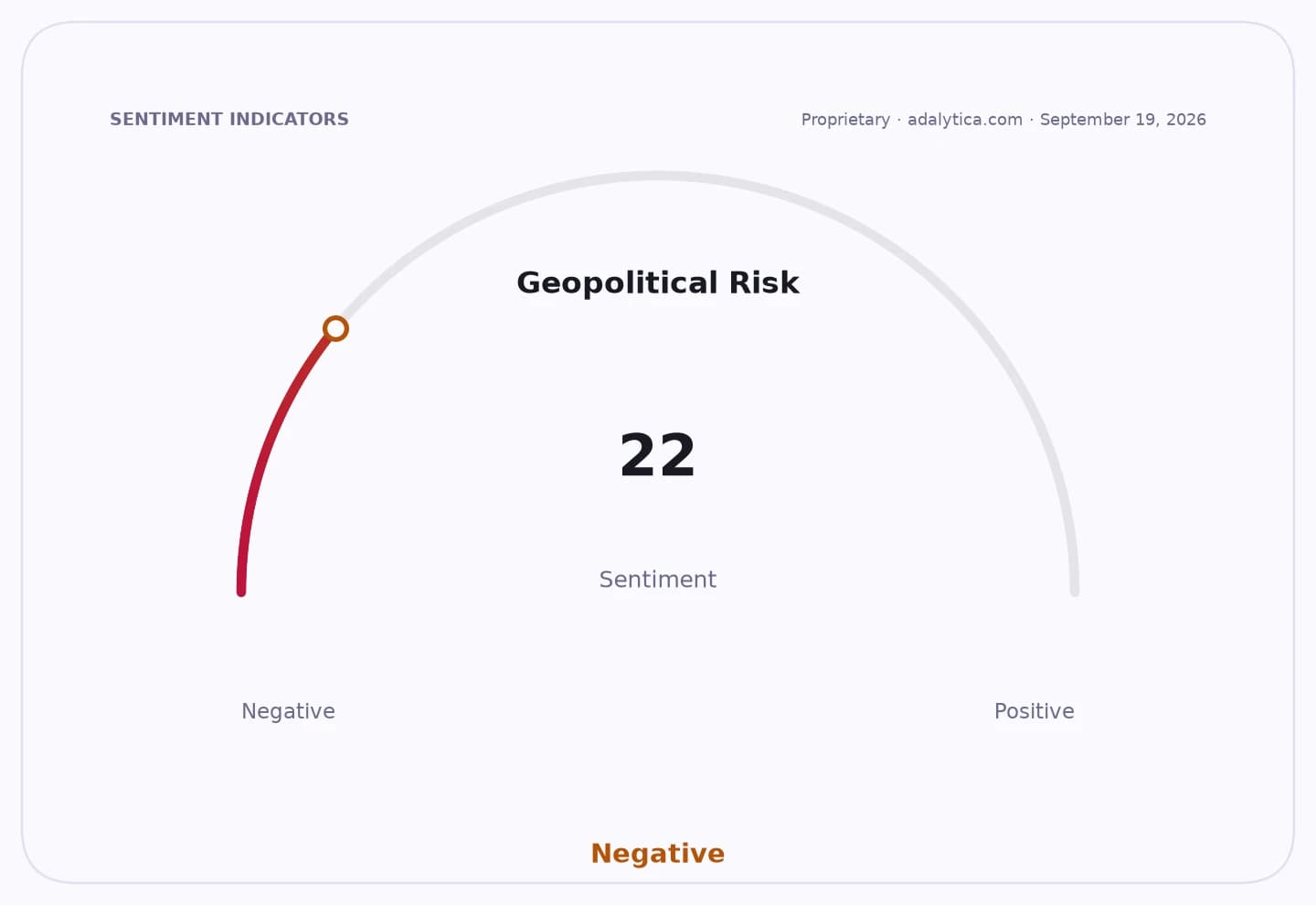
The Moscow Exchange index rose 0.32% at the open, but traders were still treating any bounce as fragile. The dominant market narrative remains that sanctions risk, переговорный uncertainty and broader geopolitical strain are doing more damage to sentiment than domestic data can offset. That matters because Russian stocks have become highly headline-sensitive: gains are now driven less by valuation and more by whether investors believe the next round of talks, due after the September 18-20 State Duma elections, can reduce the political premium embedded in local assets.
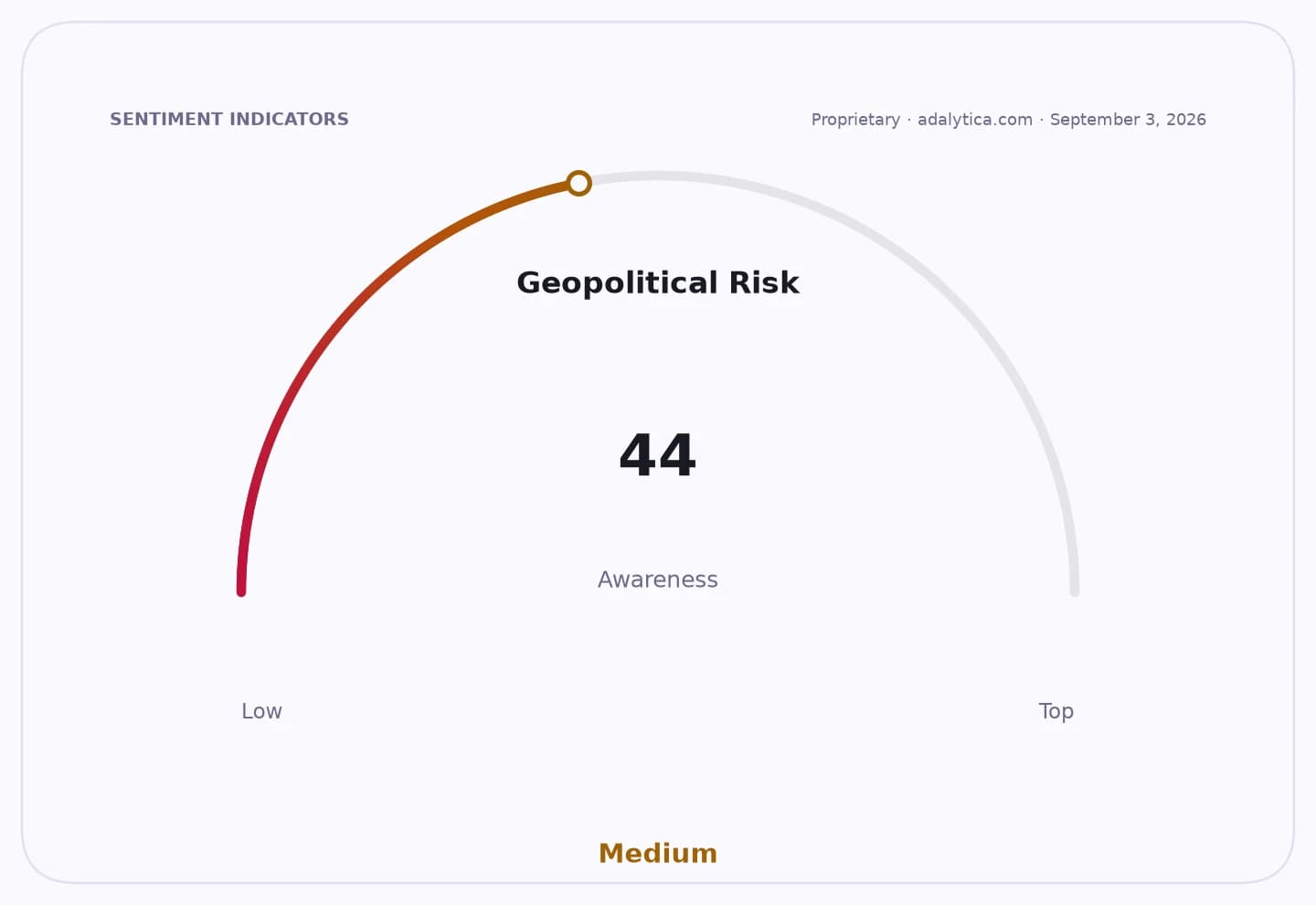
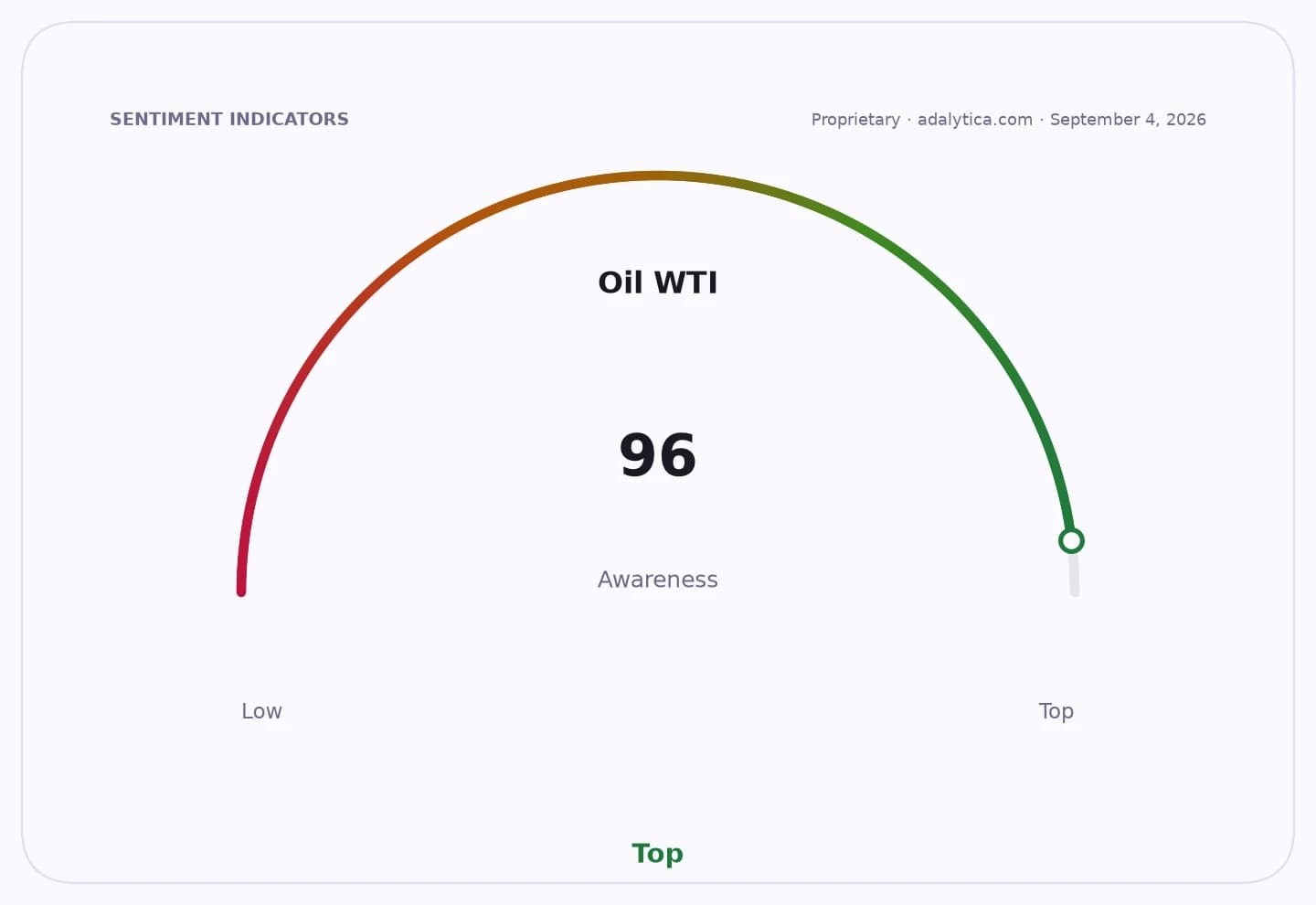
Sentiment IndicatorsⓘProprietary · adalytica.com · September 21, 2026
This is a snapshot — live sentiment, awareness and momentum for 130+ markets update continuously in the dashboard.Open AlphaPulse
Oil prices are compounding the pressure. Brent’s 1.38% drop in the previous session matters for Russia not just as a commodity move but as a direct hit to fiscal receipts, export revenue and the earnings outlook for the heavyweight energy sector. When crude weakens, the market loses one of the few external supports that can cushion risk appetite in Moscow. That is especially important for a market still heavily tilted toward oil and gas, where earnings visibility is closely tied to global energy pricing and the ruble’s trajectory.
Domestic policy signals are also not helping. Sberbank’s move to raise deposit rates on six- and seven-month savings products was read by the market as a sign that tight monetary conditions may persist. For equities, higher deposit rates make cash and bank savings more attractive relative to stocks, while also keeping funding costs elevated for businesses. The result is a narrower path for a sustained rally: even if geopolitics improve, liquidity may not quickly rotate back into equities.
The coming week’s Moscow Financial Forum could be the next important catalyst. Investors will watch for comments from financial authorities on the budget and monetary policy, both of which will shape expectations for fiscal support and the policy rate path. Any hint that policymakers see room to ease would help risk assets. Any reaffirmation of restraint would reinforce the current defensive tone.
That leaves Russian equities caught between a tactical bounce and a more durable re-rating that still looks out of reach. The near-term bull case is that post-election diplomacy, if it opens the door to talks, could release some of the geopolitical discount. The bear case is that the market stays range-bound or weaker as oil softens and deposit rates stay high, leaving investors with little reason to pay up for local risk.
For now, the market is still trading the politics more than the fundamentals.
| Entity | Gains | Losses |
|---|---|---|
| Geopolitical de-escalation hopes | ▲Russian stocks | ▼Risk premium on Moscow assets |
| Oil importers | ▲Lower energy costs | ▼Russian energy exporters |
| Savers in bank deposits | ▲Higher yields | ▼Equity market liquidity |
| Russian policymakers | ▲More room to signal stability | ▼Investors seeking policy easing |