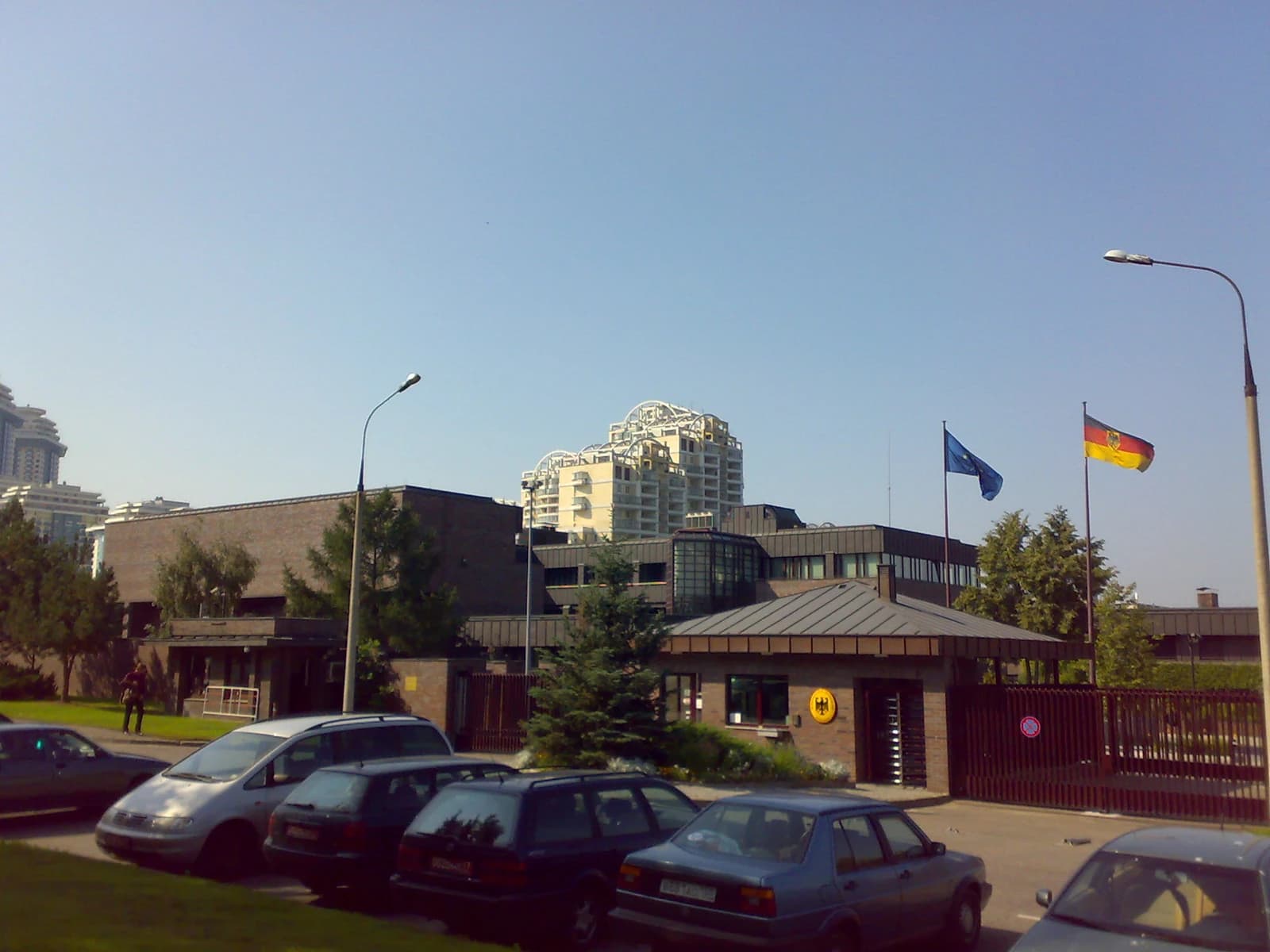
Russia’s move to shut the German Goethe Institute is another sharp escalation in the cultural and diplomatic break with Europe, reinforcing the view that the continent’s relationship with Moscow is moving from frozen to increasingly transactional and hostile. For investors, that matters because prolonged political decoupling rarely stays confined to diplomacy: it raises the odds of tighter sanctions, weaker cross-border commerce and a more durable European rearmament cycle.
Russia shuts German Goethe Institute
The immediate economic impact is limited, but the signal is not. Cultural institutions are often among the last remaining channels in a deteriorating relationship, and closing one of Germany’s best-known soft-power organizations suggests Moscow sees little near-term value in preserving even symbolic ties with the West. That fits with the Kremlin’s broader skepticism about any meaningful thaw with the European Union while military tensions remain elevated.
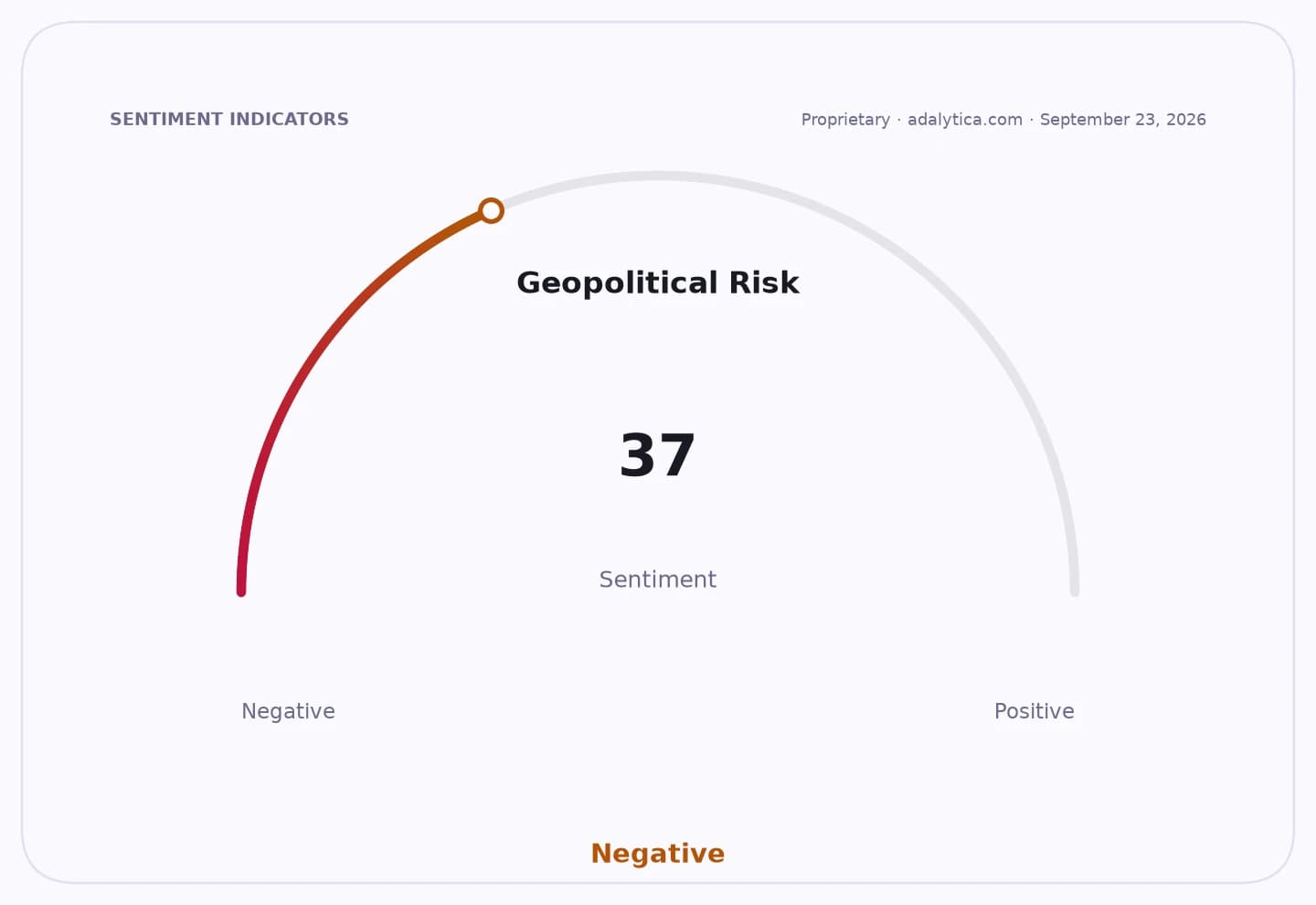
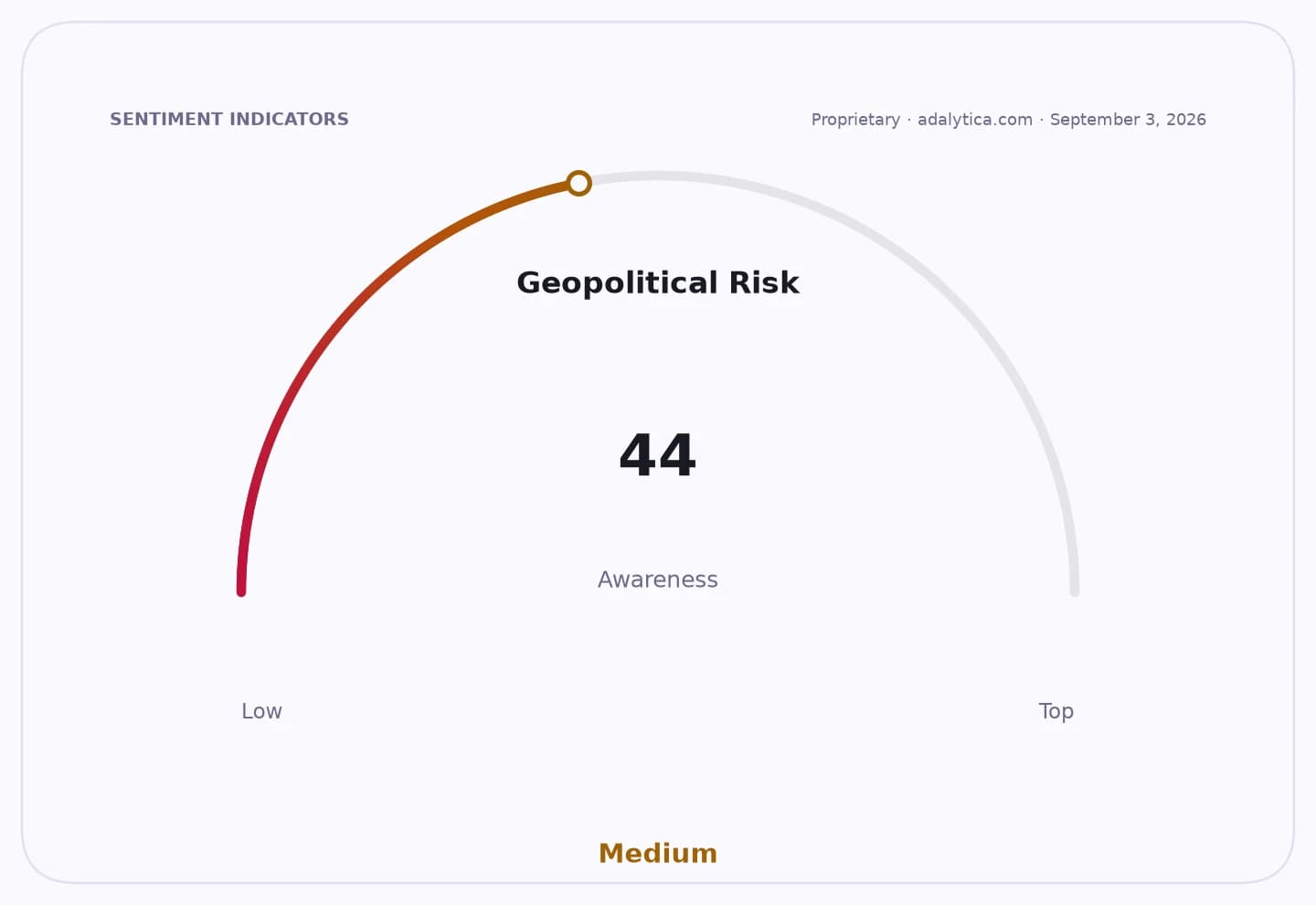
Sentiment IndicatorsⓘProprietary · adalytica.com · September 3, 2026
This is a snapshot — live sentiment, awareness and momentum for 130+ markets update continuously in the dashboard.Open AlphaPulse
The market is already pricing a world in which Europe cannot rely on a stable security environment. Adalytica’s Global Stability Sentiment gauge has fallen to neutral at 44, down 45 points over the past week and 48 points over the past month, underscoring how quickly geopolitical confidence has deteriorated. At the same time, Ukraine’s plan to triple production of long-range attack drones points to a conflict that is becoming more industrial, more attritional and more expensive to fight — exactly the kind of backdrop that tends to support defense spending, energy resilience and supply-chain reconfiguration.
Gold’s advance tells the same story. GLD has climbed to $410.20, well above its 50-day moving average of $388.13, even after a volatile run that pushed the metal into overbought territory earlier this year, with RSI readings as high as 90.4 in October. The message is clear: investors are still paying up for geopolitical insurance. That is not a bet on a single headline, but on a world where fractured diplomacy, military buildup and sanctions risk remain persistent features of the investment landscape.
The investable takeaway is straightforward. The market underestimates how long this split between Russia and Europe can last, and that favors assets tied to defense, commodities and safe-haven exposure over any quick normalization trade. I would stay positioned for a prolonged Europe-Russia chill and look for asymmetric upside in the infrastructure of confrontation, not reconciliation.
| Entity | Gains | Losses |
|---|---|---|
| European defense stocks | ▲higher rearmament demand | ▼prolonged security stress |
| Gold and safe havens | ▲geopolitical bid | ▼risk-on rotation |
| Russia’s hardline stance | ▲domestic signaling | ▼remaining Western ties |
| Germany/EU soft power | ▲little | ▼influence in Russia |