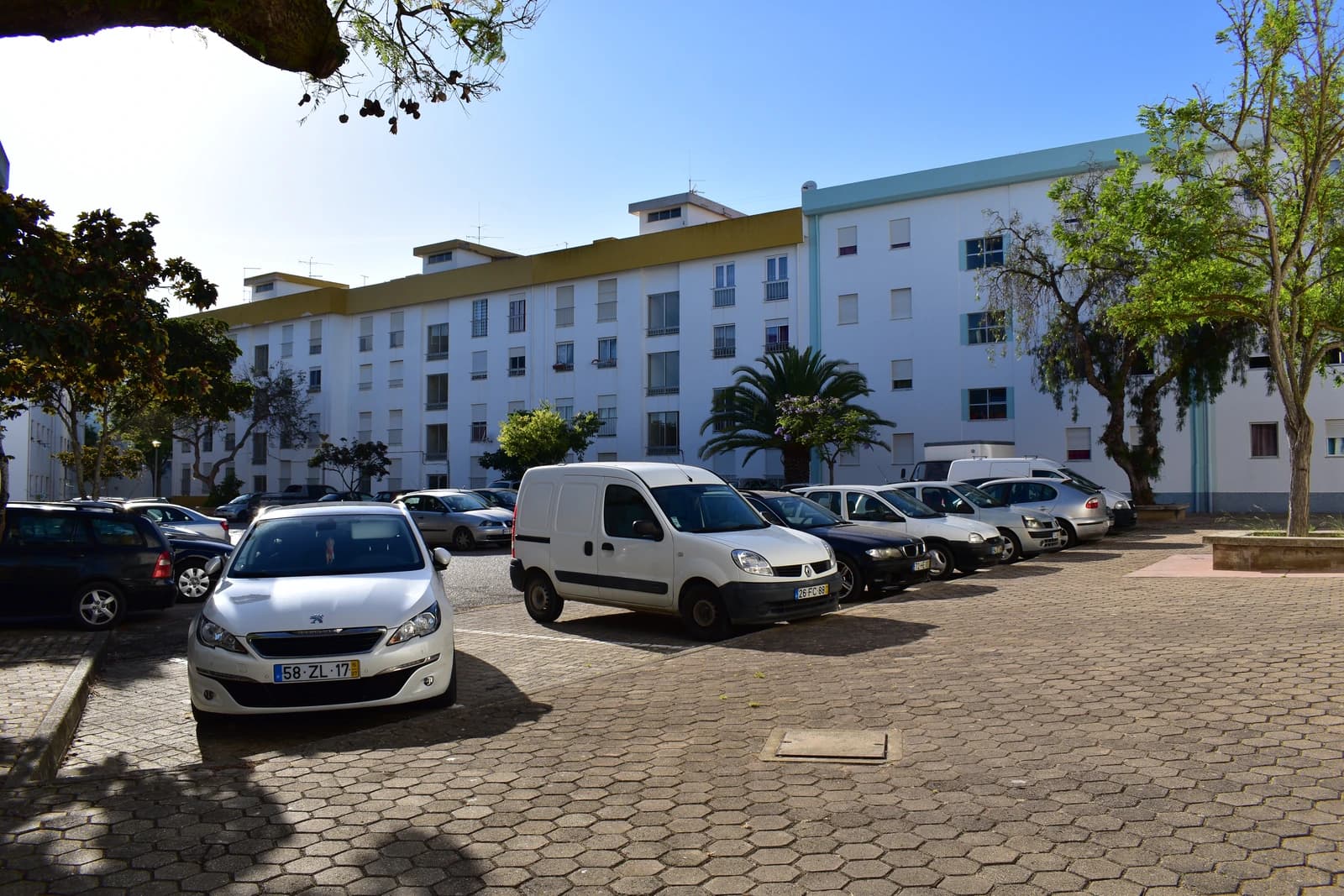
Illegal leases in Alvalade are the sharp edge of a much bigger problem: housing inflation in Portugal’s cities is still squeezing tenants, and students are among the first to feel it. When rents keep climbing in central Lisbon neighborhoods, the cost of going to university rises too, because accommodation is often the biggest monthly bill for young people studying away from home.
Lisbon housing rents and student housing pressure
The underlying pressure is not a one-off. Data on consumer prices and housing show that inflation has cooled from the surge seen earlier in the decade, but rents and broader living costs remain elevated. In Portugal, the housing market has stayed tight enough that even as inflation has moderated, the affordability gap has not closed for students and lower-income households. That is exactly the kind of environment in which informal or illegal leases tend to flourish: demand is urgent, supply is limited, and tenants have little bargaining power.
Sentiment IndicatorsⓘProprietary · adalytica.com · September 25, 2026
This is a snapshot — live sentiment, awareness and momentum for 130+ markets update continuously in the dashboard.Open AlphaPulse
For investors, the story matters because housing shortages rarely stay local. Persistent rent inflation supports owners of residential property while worsening political pressure for tighter regulation, inspections and tenant protections. In practice, that can mean higher compliance risk for landlords and more scrutiny for property-market participants, but it also confirms that urban housing remains a structurally attractive asset class in supply-constrained cities. The tension between affordability and yield is likely to keep shaping the market.
The narrative here is simple: Lisbon’s rental market is not just expensive, it is mispriced for the people who need it most. Students are being pushed into the least transparent part of the market because legitimate options are scarce and costly. Unless supply improves materially, the city’s housing crisis will keep rewarding well-located landlords while punishing tenants, universities and policymakers.
For long-term investors, that means watching the Portuguese housing backdrop as a structural story rather than a headline risk. Scarcity can support rents for years, but it also invites regulation and social backlash. In other words, the market can stay tight longer than many expect, but the winners and losers are becoming clearer by the day.
| Entity | Gains | Losses |
|---|---|---|
| Landlords in central Lisbon | ▲Higher rents | ▼Compliance scrutiny |
| Students | ▲— | ▼Scarce affordable housing |
| Universities | ▲Stable enrollment appeal | ▼Student living-cost pressure |
| Policymakers | ▲Pressure to act | ▼Political accountability |