Russia’s central bank is signaling that the next move in interest rates will depend on whether it can deliver what one official called an “excellent” inflation result, a reminder that policymakers are not ready to declare victory just because price growth has eased. That matters because the Bank of Russia is trying to avoid a second wave of inflation pressures from becoming embedded in wages, prices and household expectations, even as the economy faces the slower-growth side effects of tight money.
Bank of Russia links rate cuts to inflation
The key issue for investors is not the phrasing itself but what it says about the likely pace of easing. If the central bank keeps decisions tied to a “very good” inflation outcome, rate cuts may come more cautiously than markets hope. That is important for bonds, banks, borrowers and the ruble: real rates can stay restrictive longer, supporting the currency and inflation control, but also keeping financing costs high for consumers and companies.
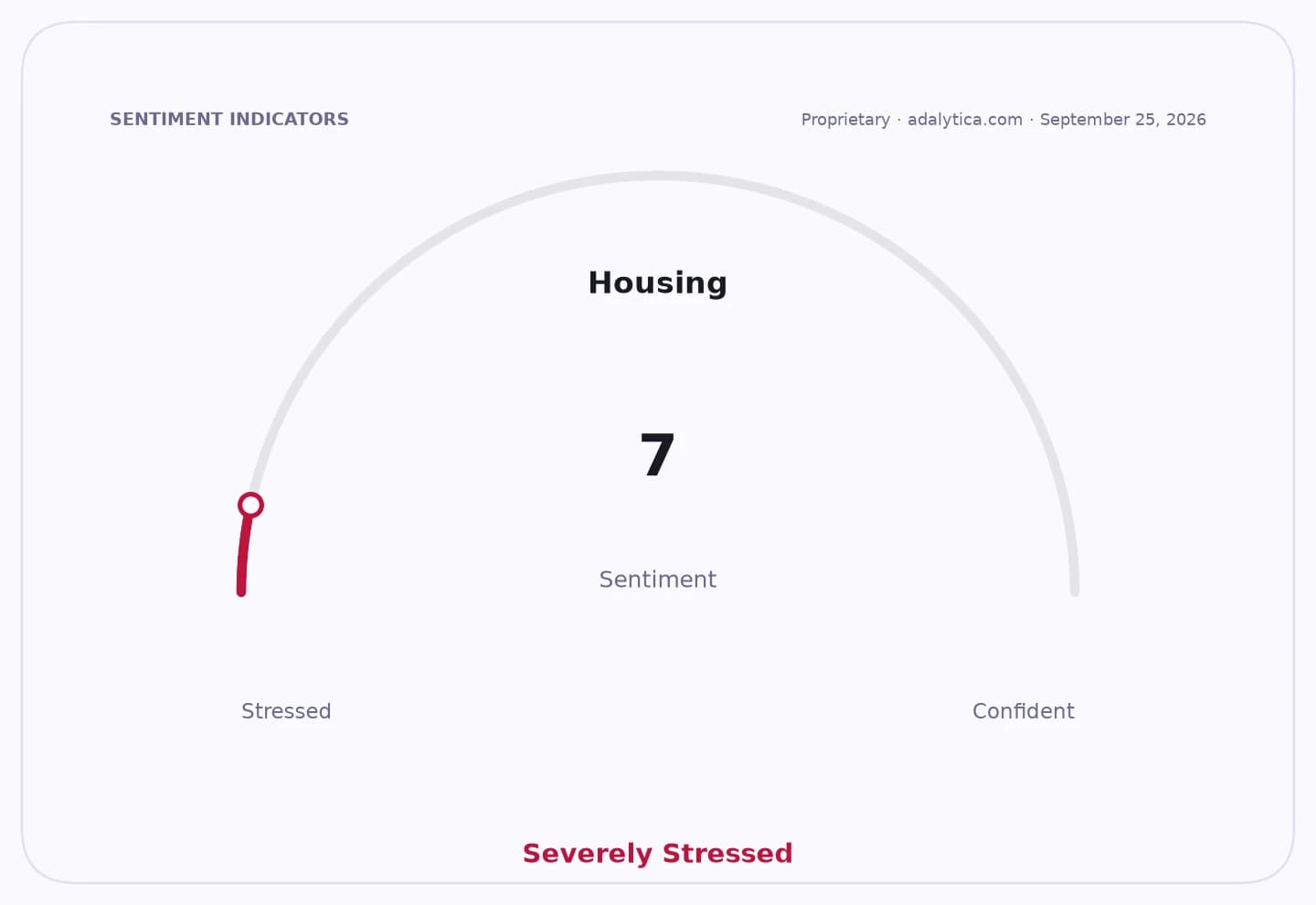
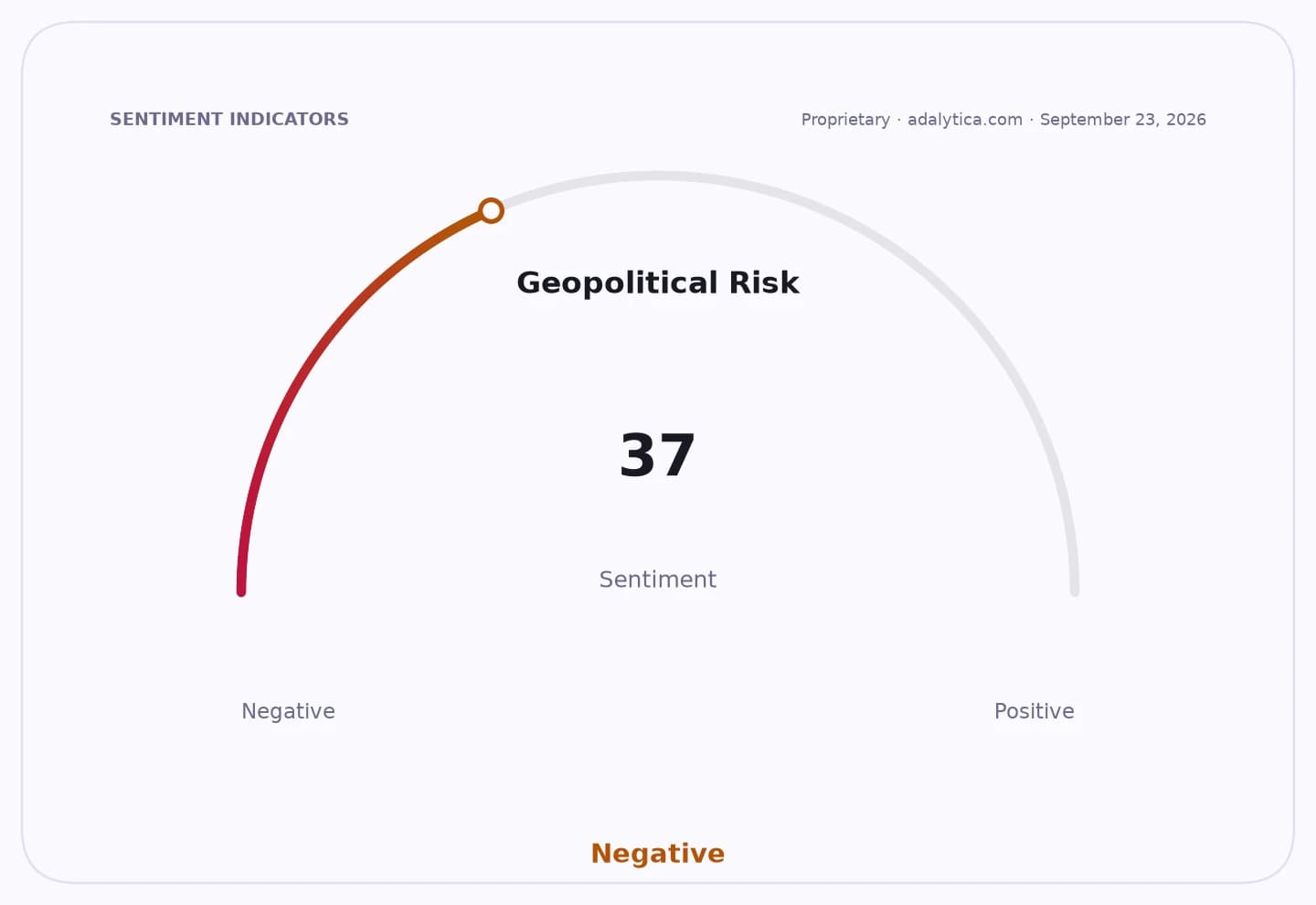
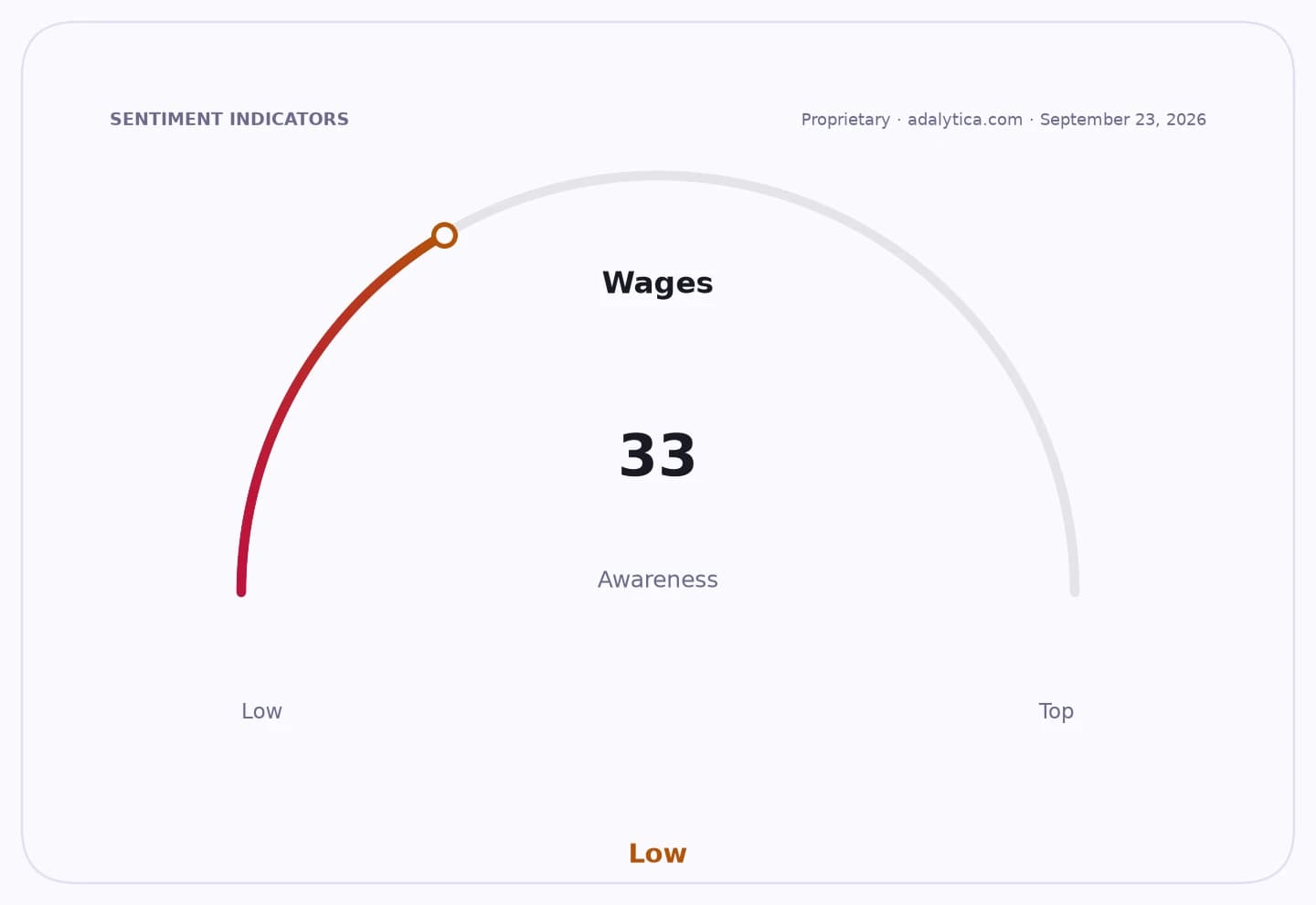
Sentiment IndicatorsⓘProprietary · adalytica.com · September 25, 2026
This is a snapshot — live sentiment, awareness and momentum for 130+ markets update continuously in the dashboard.Open AlphaPulse
The remarks from policy official Alexei Zabotkin, delivered at the Moscow Financial Forum, came against a backdrop of still-elevated inflation expectations. He said it was important not to let “secondary effects” start to build, which is central-bank language for the kind of price and wage spillovers that can turn a temporary inflation shock into a more persistent one. In other words, the Bank of Russia is focused less on the latest monthly print than on whether the broader economy is still absorbing the earlier tightening without reigniting price pressure.
That is why the market’s attention remains fixed on the policy path rather than on any single forecast. One academic cited in the Russian press said the key rate could fall to 11%-12.5% by year-end, but the central bank’s own message suggests that kind of easing is not guaranteed. For long-term investors, that means funding costs in Russia may remain elevated enough to reward savers and fixed-income holders, while continuing to pressure leveraged borrowers, smaller businesses and rate-sensitive sectors.
The broader narrative is straightforward: Russia’s central bank wants proof, not hope. As long as inflation expectations stay high, it is likely to keep policy restrictive until the data deliver the “excellent result” it wants. For investors, that argues for patience and a focus on balance sheets, cash flow and industries that can withstand expensive money.
| Entity | Gains | Losses |
|---|---|---|
| Bank of Russia | ▲Inflation credibility | ▼Faster rate cuts |
| Savers and bondholders | ▲Higher real yields | ▼Lower deposit returns |
| Borrowers and small businesses | ▲— | ▼Expensive financing |
| Ruble and anti-inflation policy | ▲Currency support | ▼Growth momentum |