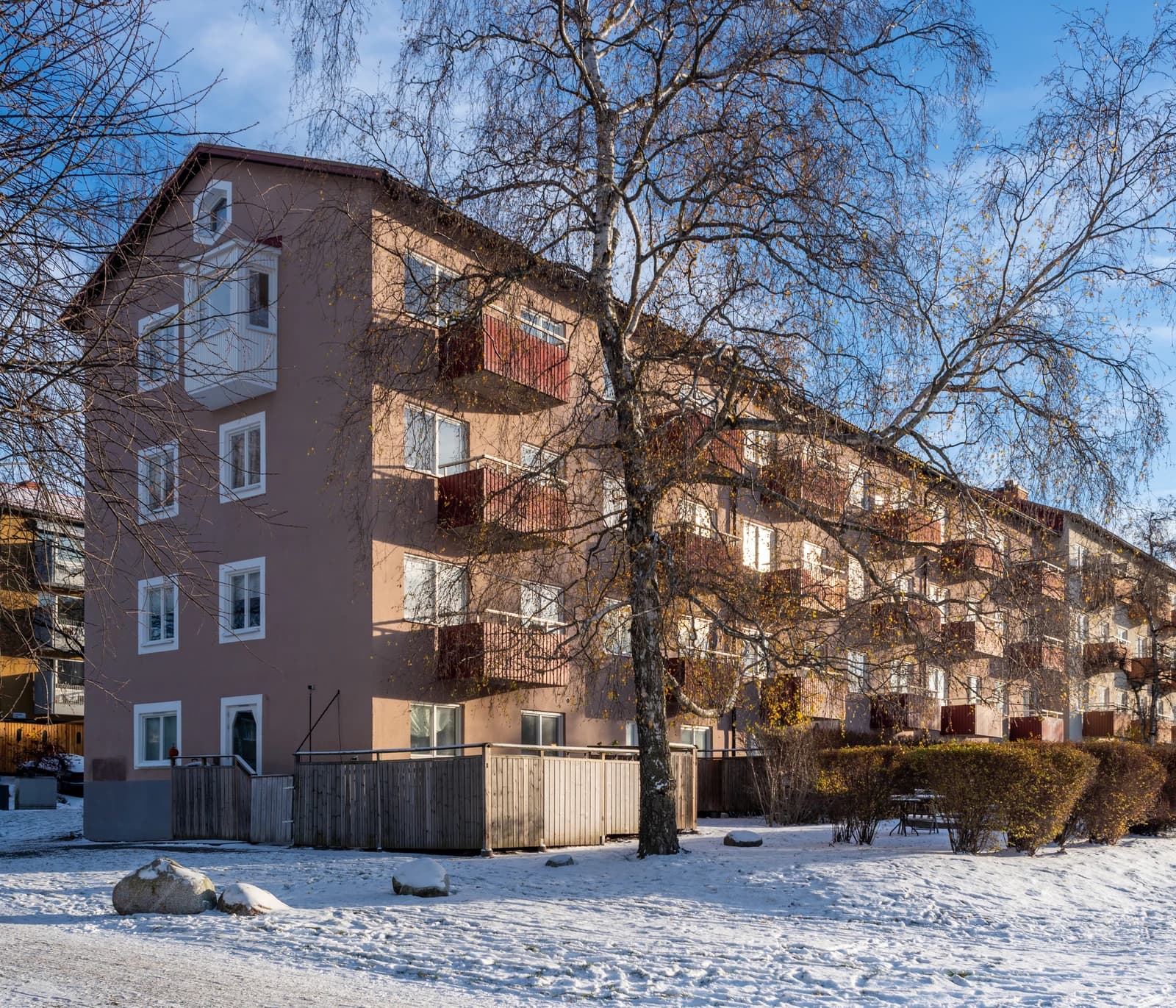
Families in Russia are racing to secure subsidized mortgages before new rules take effect on Oct. 1, a shift that is set to cool the country’s new-home market, pressure developers and push more buyers back toward painfully high market rates.
Russia family mortgages before Oct. 1 cutoff
That matters because housing has been one of the clearest examples of how state support can override a weak credit backdrop. For years, government programs accounted for as much as 90% of deals in Russia’s primary market, turning cheap mortgages into a powerful demand engine for developers. Now the policy is moving toward more targeted support, with the finance ministry tightening access to the flagship “family mortgage” program and introducing a “one family, one loan” principle to curb investment-style borrowing.
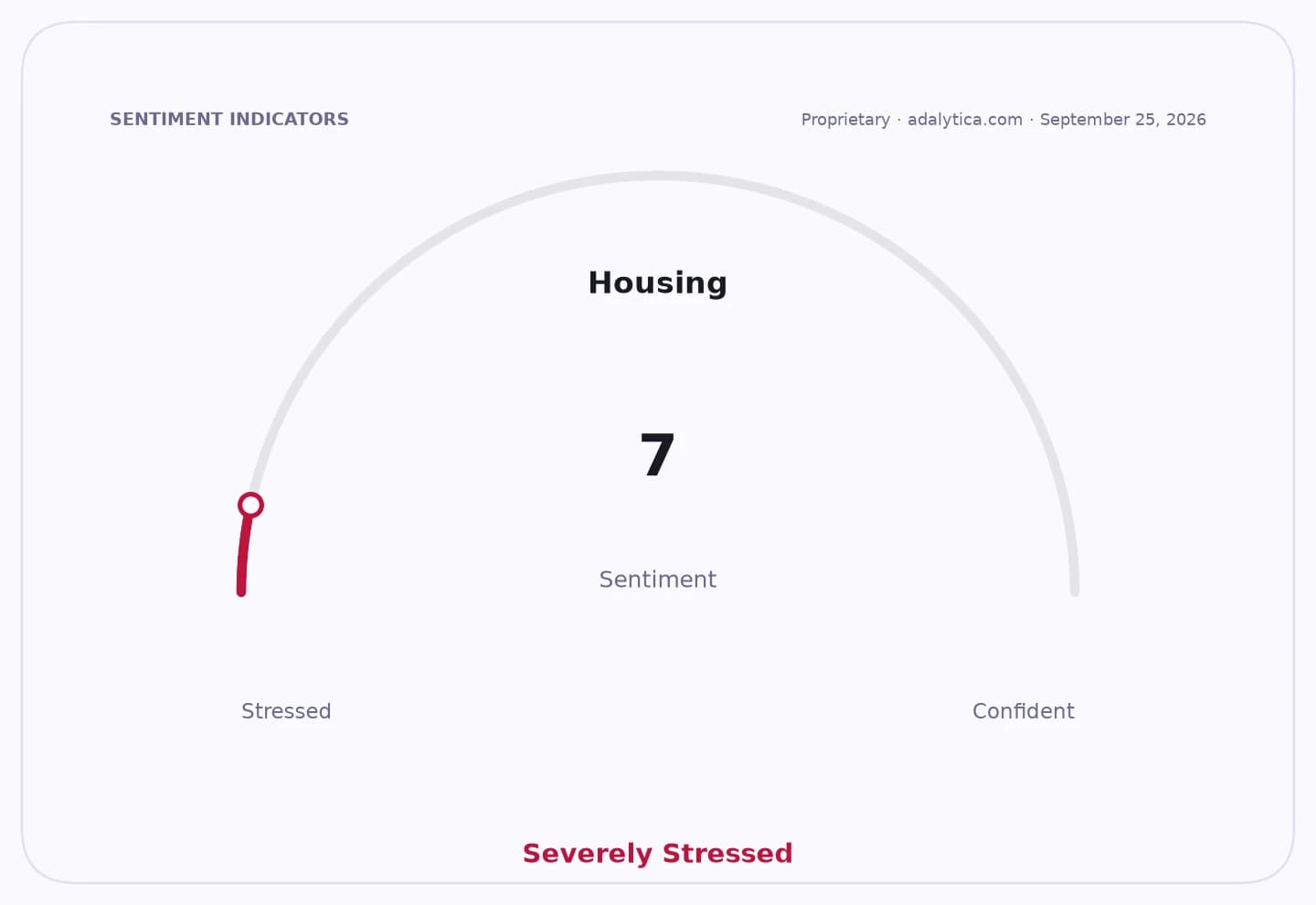
Sentiment IndicatorsⓘProprietary · adalytica.com · September 25, 2026
This is a snapshot — live sentiment, awareness and momentum for 130+ markets update continuously in the dashboard.Open AlphaPulse
The numbers show how sensitive the market is to deadlines. In June, as households rushed to beat an expected end to the programs, banks issued a record 288 billion rubles of mortgages. By July, after the cutoff was pushed to October, lending had already fallen back to 150 billion rubles. That is a clear sign that demand is being pulled forward rather than sustained, which is exactly what tends to happen when a subsidy regime starts to unwind.
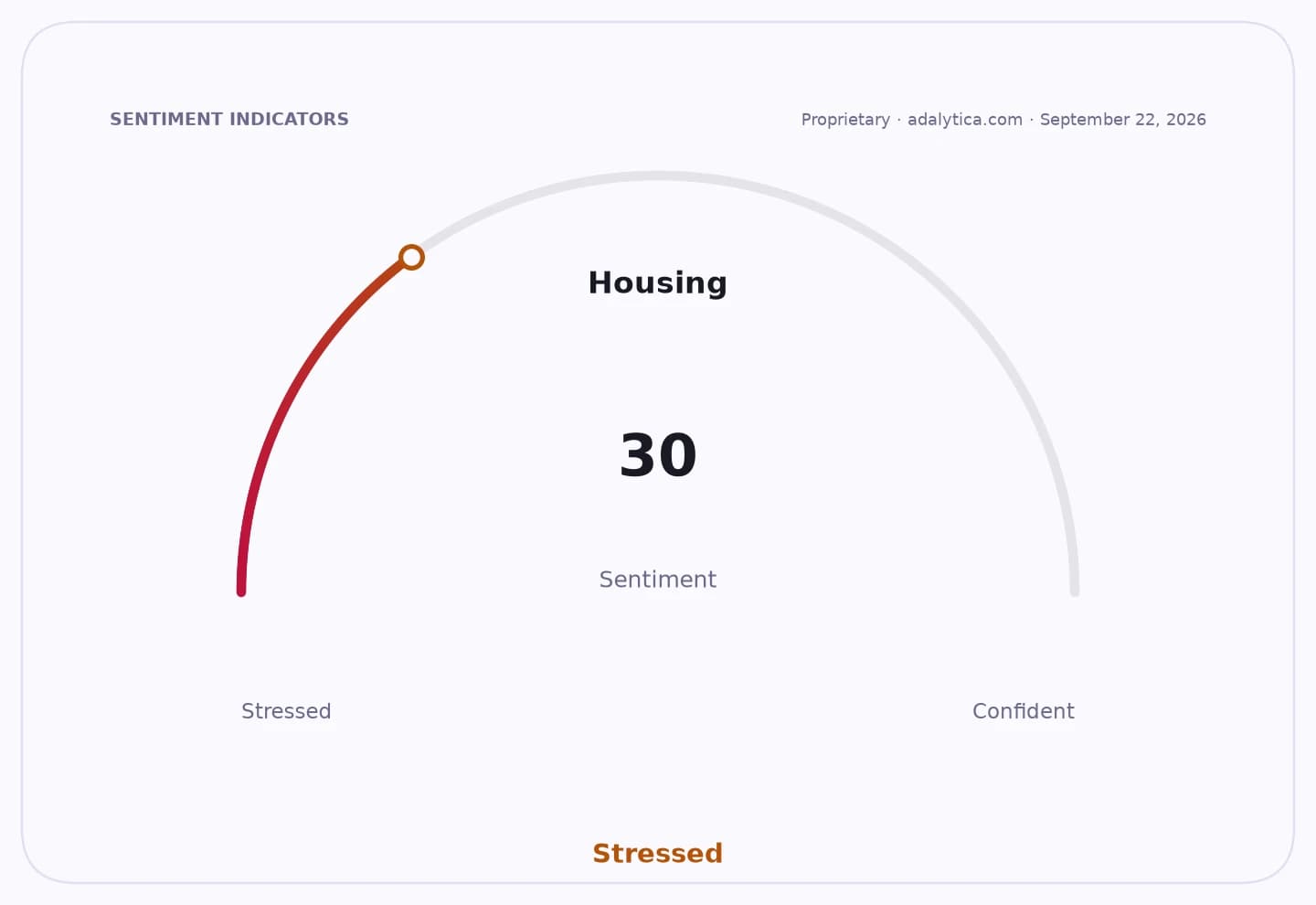
For the broader economy, this is more than a housing story. New construction supports jobs, materials demand and regional activity, while mortgage origination feeds banks, securitization and related financial services. A slower primary market can ripple through everything from appliance sales to renovation spending. It also underscores how high borrowing costs remain outside government support: with market mortgage rates still stuck in double digits, many households simply cannot afford to buy without assistance.
Developers are likely to feel the squeeze first. They are unlikely to cut sticker prices sharply because project financing remains expensive, but they can be expected to lean harder on long installment plans, trade-in programs and hidden discounts that effectively subsidize financing from their own balance sheets. That may help preserve sales near term, but it can also get baked into the final price of a square meter, limiting relief for buyers.
For investors, the losers are obvious: Russian homebuilders that had benefited from state-backed demand, and households who miss the cutoff and are forced into pricier loans. The winners are borrowers who qualify before Oct. 1 and can lock in terms while banks are still honoring current approvals. The policy also shifts the balance toward lenders and developers that can adapt quickly to a more selective market, rather than those relying on broad, subsidy-driven volume.
The long-term message is that Russia is moving from a mass-subsidy housing model to a narrower, more disciplined one. That may help the state rein in support costs and reduce speculative borrowing, but it also removes an important prop from the real-estate cycle. For investors and buyers alike, the key question now is not whether demand disappears, but how much of it survives once the cheap money exits the market.
| Entity | Gains | Losses |
|---|---|---|
| Qualified borrowers before Oct. 1 | ▲Lock in lower rates | ▼Miss the subsidy window |
| Russian developers | ▲Use promotions to support sales | ▼Lose subsidy-driven demand |
| Banks | ▲Strong near-term loan volume | ▼Weaker mortgage growth later |
| Homebuyers without benefits | ▲Potentially clearer pricing | ▼Double-digit market rates |