The Central Bank of Azerbaijan is set to keep investors guessing until Sept. 23, when it announces its next interest-rate decision, but the bigger story is that policymakers are likely to stay on hold as inflation remains inside target and the manat continues to face appreciation pressure.
Azerbaijan Central Bank Likely Holds Rate at 6.5%

That matters because this is not just a routine policy meeting. For households, businesses and anyone watching Azerbaijan’s financial markets, the key question is whether the central bank is comfortable leaving borrowing costs where they are while inflation trends near the middle of its 4% plus-or-minus-2% target band. For investors, the decision will shape expectations for the manat, local liquidity and the country’s appeal as a relatively stable emerging-market credit.
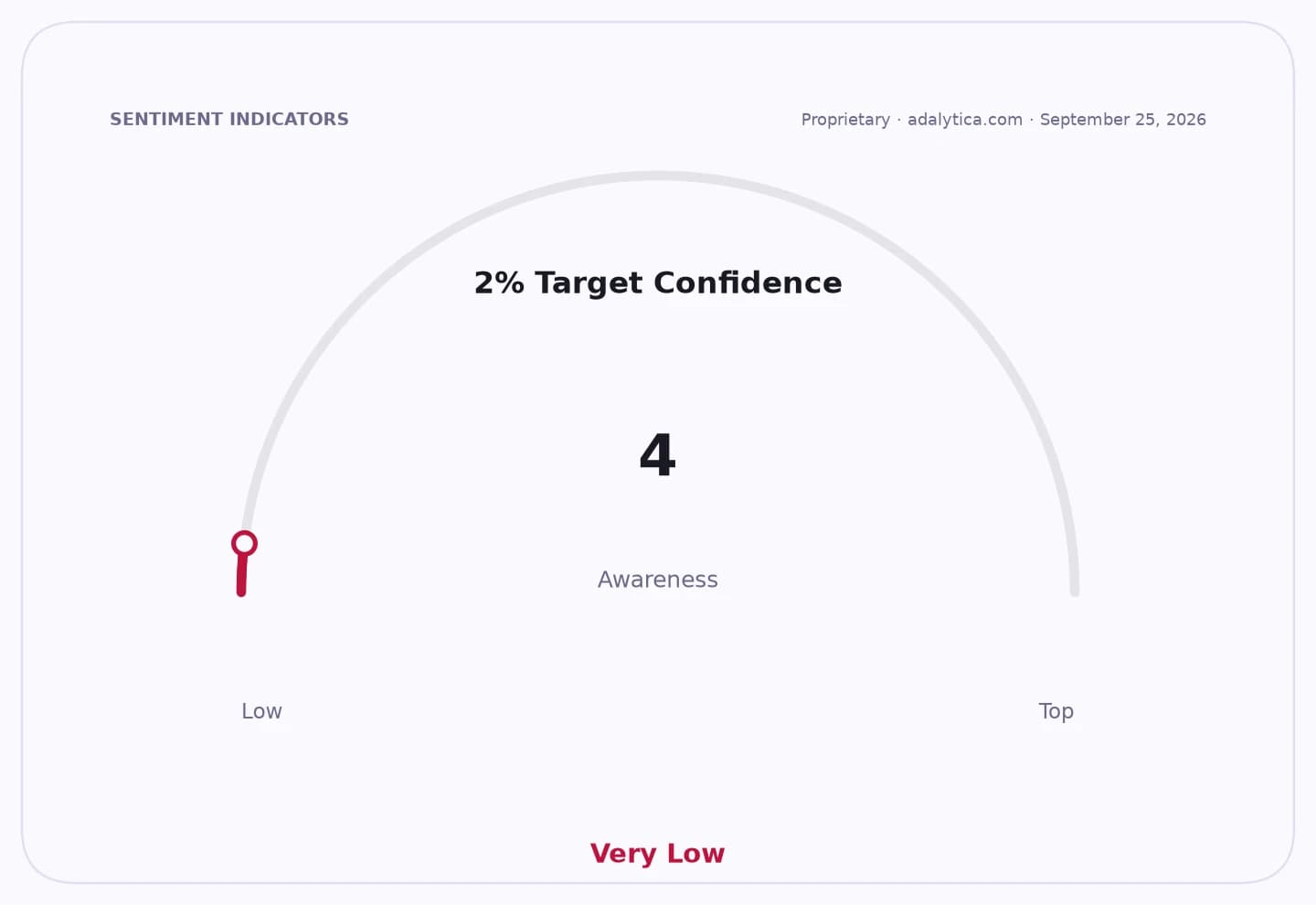
Sentiment IndicatorsⓘProprietary · adalytica.com · September 24, 2026
This is a snapshot — live sentiment, awareness and momentum for 130+ markets update continuously in the dashboard.Open AlphaPulse
The bank held its refinancing rate at 6.5% in July, with the corridor’s lower and upper bounds left at 5.5% and 7.5%. ING expects no change this week, pointing to inflation of 5.6% to 5.8%, which remains inside the target range. That gives the central bank room to avoid tightening, especially with global rate levels still elevated and the broader policy backdrop uncertain.
Still, the wording of the statement will matter almost as much as the rate itself. The central bank said it will assess several macro scenarios, foreign-exchange-market conditions and banking-sector liquidity when setting policy for the rest of the year. It also highlighted appreciation pressure on the manat and a foreign-currency surplus, two signs that currency stability remains a priority. If policymakers sound more hawkish, they may be trying to reinforce confidence in the manat without actually changing rates.
For investors, that points to a classic emerging-market trade-off: stable policy is supportive for bondholders and currency holders, but any hint of firmer tightening language can limit upside for local borrowers and banks reliant on easier credit conditions. The context is broader than Azerbaijan alone. With US Treasury yields still near 5% on the 10-year note and global risk appetite swinging between greed and caution, capital is likely to favor economies that can show policy discipline and currency resilience.
In practical terms, the most likely outcome is a steady rate with a cautious message. That would fit a central bank trying to protect price stability without choking growth. For long-term investors, Azerbaijan remains a market to watch for currency credibility and policy consistency rather than quick gains — the kind of story that rewards patience, not trading.
| Entity | Gains | Losses |
|---|---|---|
| Central Bank of Azerbaijan | ▲Policy flexibility | ▼Pressure to cut prematurely |
| Manat holders | ▲Currency stability | ▼Weakness if hawkish tone disappoints |
| Local borrowers | ▲Predictable rates | ▼Higher borrowing costs if tightening comes |
| Bond investors | ▲Confidence in policy discipline | ▼Upside if inflation surprises higher |