Azerbaijan is preparing for the biggest overhaul of its gas supply system since independence, a restructuring that could reshape how the country moves, prices and regulates one of its most important strategic resources.
Azerbaijan gas law to split SOCAR by 2027
The shift matters because gas is not just a utility in Azerbaijan; it is a pillar of the domestic economy, state revenues and industrial competitiveness. Under a new law that took effect in January, the government has set a timetable to split SOCAR’s gas operations into separate legal entities by Jan. 1, 2027, while a new regulator takes over tariff-setting and oversight through mid-2028. That points to a move away from a centrally managed system toward a more segmented, rule-based market structure.
Sentiment IndicatorsⓘProprietary · adalytica.com · September 25, 2026
This is a snapshot — live sentiment, awareness and momentum for 130+ markets update continuously in the dashboard.Open AlphaPulse
For investors, the real question is not whether change is coming, but what it will do to pricing, margins and capital needs. Tariffs for wholesale gas, transmission, storage, distribution, retail sales and network connections are to be set separately, and the distribution tariff is due to take effect from Jan. 1, 2027. In plain English, that is the start of a more transparent pricing regime — and likely the end of the old assumption that domestic gas can be kept artificially cheap forever.
That has immediate implications for energy users, industrial buyers and any company with exposure to Azerbaijan’s gas network. Higher regulated prices would support returns on costly infrastructure and help fund maintenance in a system that, according to local experts, depends on heavy investment to keep running. But they also risk feeding inflation and raising costs for households and businesses if the transition is mishandled.
The reform is also a recognition of physical reality. Azerbaijan still relies heavily on offshore gas, much of it from deepwater fields that are expensive to develop and produce. Domestic demand is estimated at about 13.5 billion cubic meters a year, and the state has to balance internal needs against export obligations and production-sharing agreements with foreign partners. That makes a more commercially disciplined gas system economically sensible, even if it is politically uncomfortable.
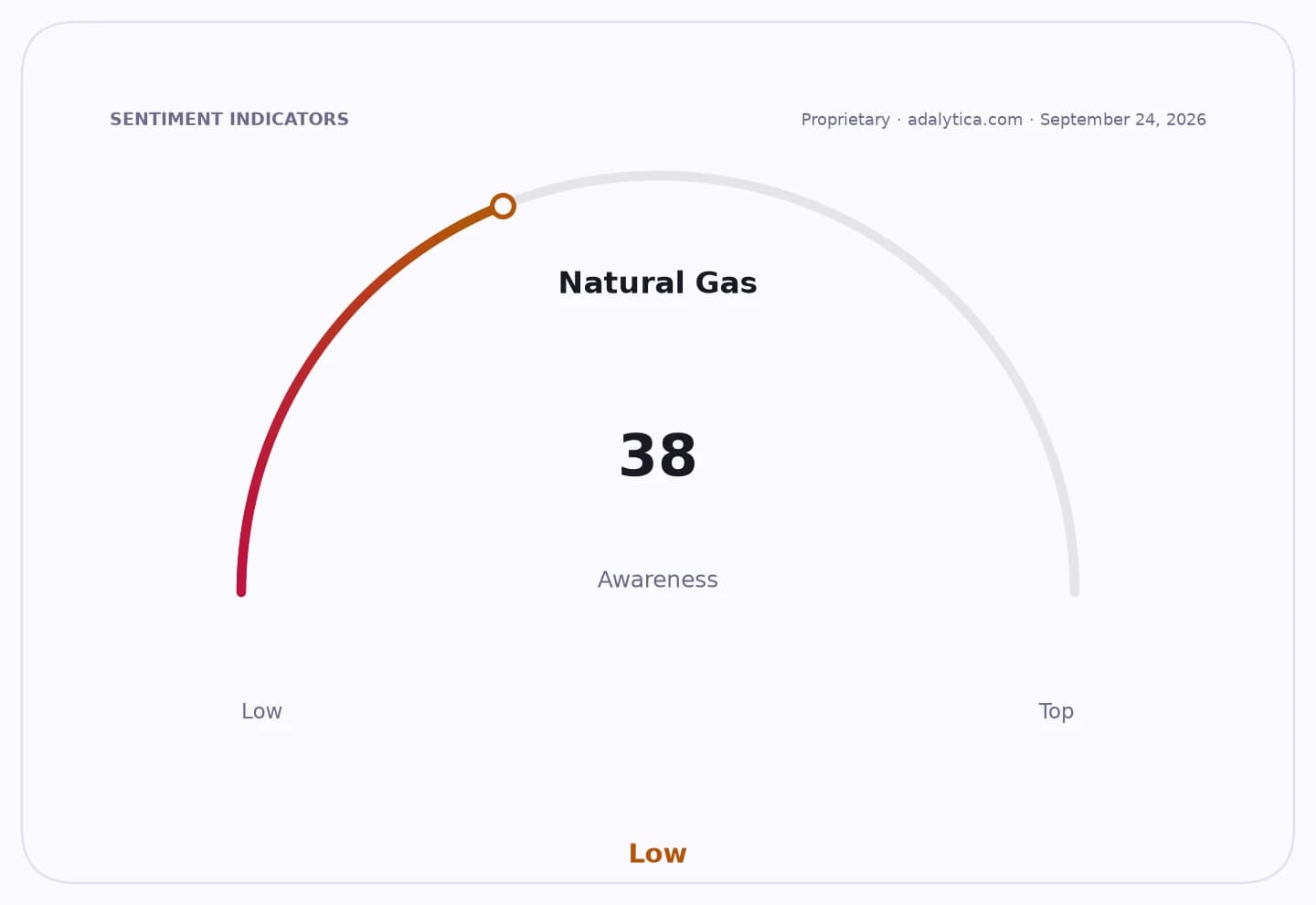
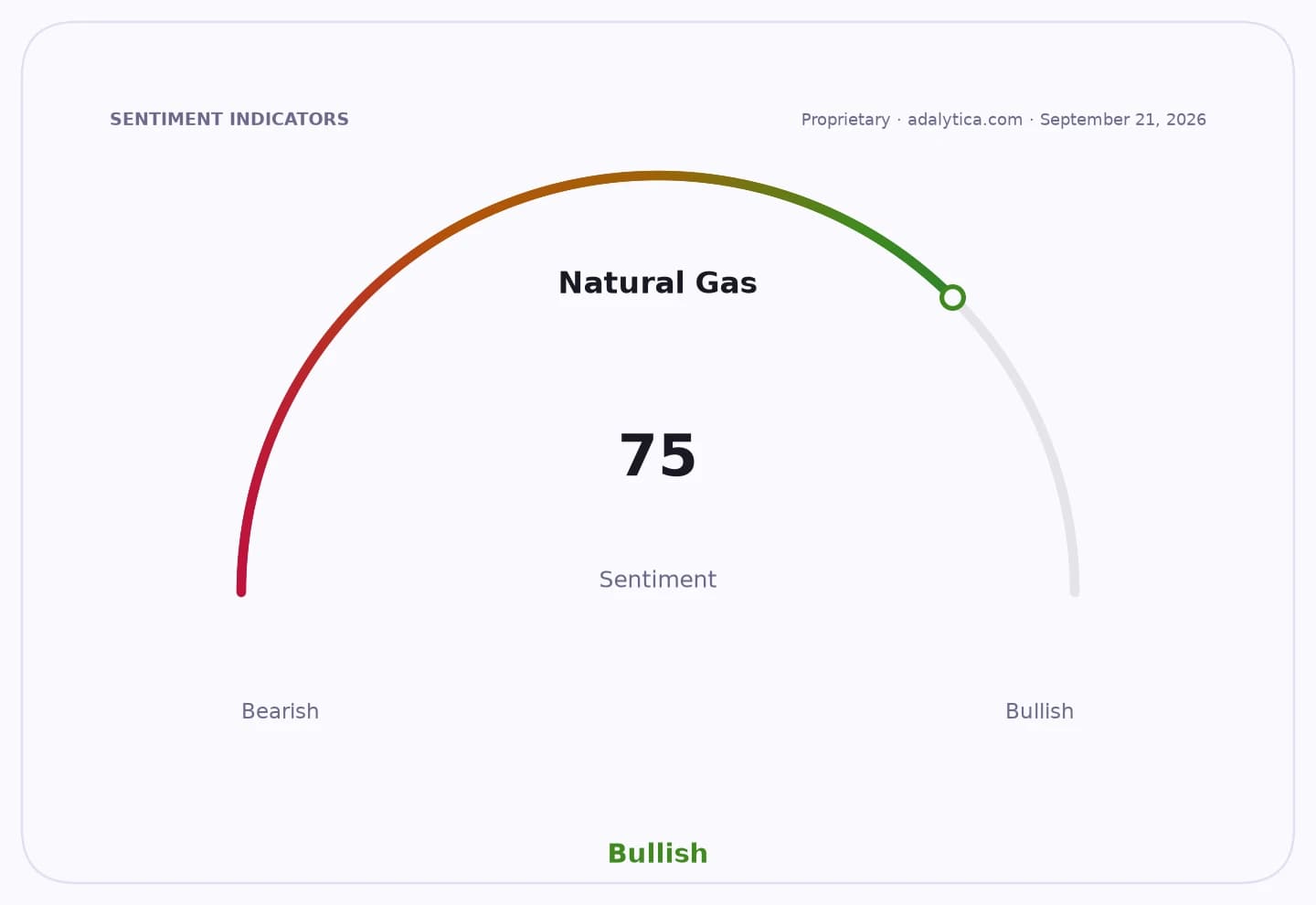
The stock market is already telling a broader energy story. U.S.-listed natural gas fund UNG has swung sharply in recent months, while energy-sector ETF XLE and producer ConocoPhillips have traded much more strongly, reflecting the value investors still place on upstream assets when supply is tight and geopolitics are unsettled. Adalytica’s natural gas market signals currently show fear, even as awareness remains neutral, underscoring how quickly sentiment can shift when policy and supply changes collide.
That global backdrop matters. Natural gas markets remain vulnerable to storage worries, geopolitical friction and buyers seeking more diversified supply. In that environment, Azerbaijan’s reforms look less like a local administrative tweak and more like part of a wider trend: governments are trying to make gas systems more resilient, more investable and less dependent on subsidies.
The long-term takeaway for investors is straightforward. Azerbaijan’s gas overhaul should be watched as a multi-year reset, not a one-day headline. If the country can separate operations cleanly, regulate tariffs transparently and keep supply reliable, it may strengthen the economics of its gas sector for years. If it stumbles, the costs will show up quickly in prices, investment returns and public tolerance. Either way, this is a story worth adding to the watchlist.
| Entity | Gains | Losses |
|---|---|---|
| SOCAR / gas operators | ▲clearer structure | ▼bureaucratic complexity |
| State budget / regulators | ▲better cost recovery | ▼political backlash |
| Industrial users / households | ▲more reliable supply | ▼higher tariffs |
| Long-term investors | ▲stronger sector discipline | ▼near-term volatility |