Moldova says fuel reserves have increased, easing an acute diesel shortage that left 21 gas stations temporarily without supply even as Europe’s broader fuel market stays under strain. For a small import-dependent economy sitting near the war-driven energy fault line, that matters because diesel is not just a consumer product — it is the fuel that keeps freight moving, farms running and prices from spilling higher across the economy.
Moldova diesel reserves rise as shortage eases
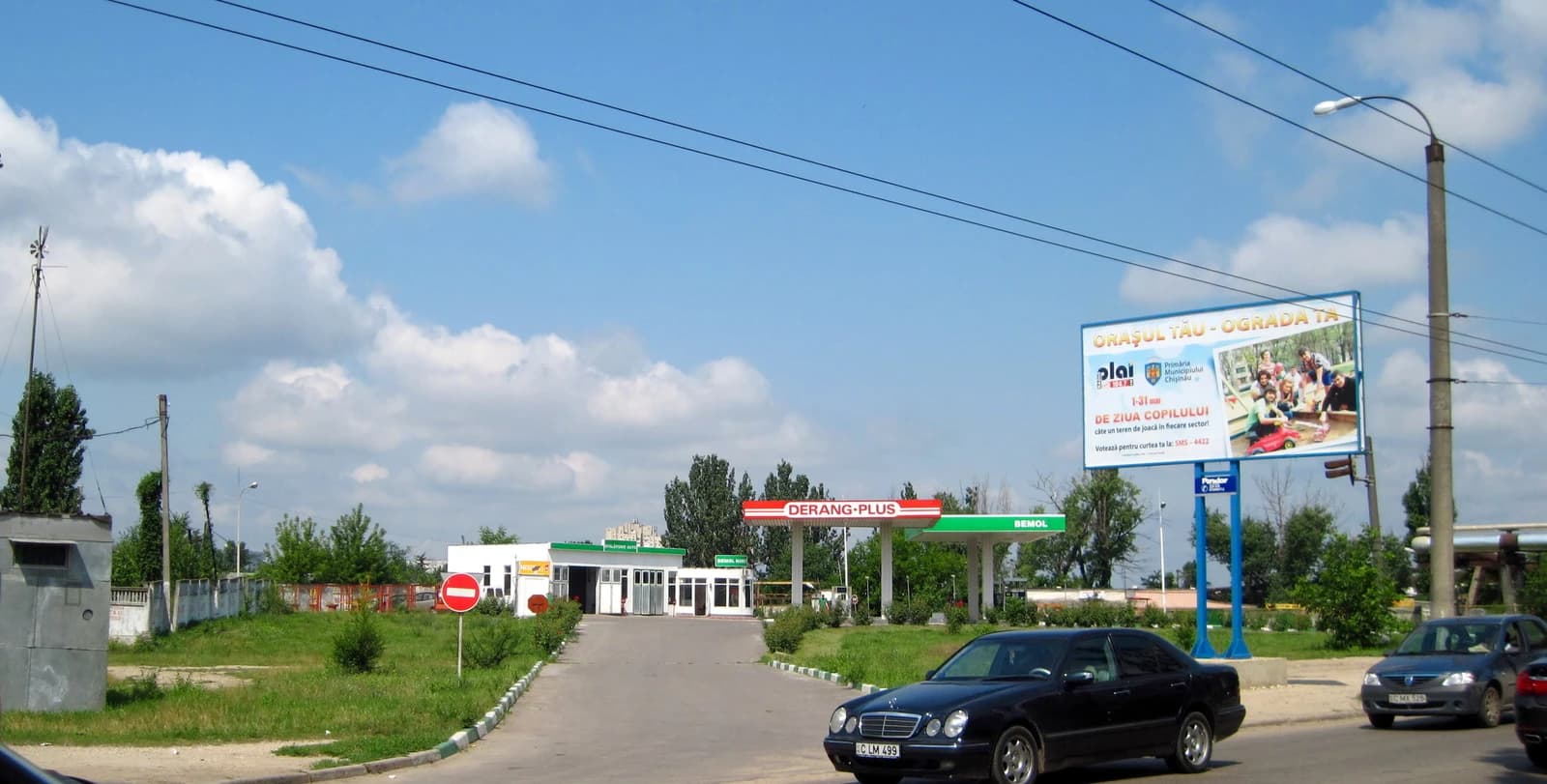
The immediate risk is supply disruption, and Moldova’s reporting suggests the system is moving in the right direction. A country with limited domestic refining capacity is vulnerable to every external shock, from refinery outages to export restrictions and regional logistics bottlenecks. That makes any improvement in reserves economically meaningful: it reduces the chance of transport delays, eases pressure on businesses that rely on trucking, and lowers the odds of another round of fuel-driven inflation.
Sentiment IndicatorsⓘProprietary · adalytica.com · September 1, 2026
This is a snapshot — live sentiment, awareness and momentum for 130+ markets update continuously in the dashboard.Open AlphaPulse
The backdrop is still unfavorable. Diesel remains tight across Europe, with supply constrained by Russia’s likely extension of its export ban, record-low U.S. inventories and seasonal demand. That combination has pushed diesel prices sharply higher from Hungary to Western Europe, and Moldova is exposed to the same regional pricing dynamics even if its own storage situation improves. In other words, the country may be building a short-term buffer, but it is still buying into a pricey and fragile market.
For investors, the lesson is broader than Moldova itself. A diesel squeeze tends to reward the infrastructure and logistics names that can pass on fuel costs, while punishing transport-heavy businesses and consumer spending in import-dependent economies. It also reinforces the case for energy exposure as a geopolitical hedge. The market continues to underestimate how quickly fuel stress can move from a regional nuisance to a macro problem, especially when inventories are thin and policy tools are limited.
That is why the cleaner trade is not to chase the headline relief, but to position for the persistence of the scarcity. If diesel stays tight into the next quarter, expect governments to lean on subsidies, refiners to benefit from strong distillate margins and fuel-linked assets to keep outperforming. The urgent takeaway: Moldova’s reserve improvement is a stabilizing detail, not a resolution, and the bigger investable story remains the same — in a supply-constrained energy market, hard assets and fuel-sensitive winners keep the advantage.
| Entity | Gains | Losses |
|---|---|---|
| Moldova fuel distributors | ▲Short-term supply relief | ▼Less margin from emergency scarcity |
| Freight and agriculture operators | ▲Fewer diesel disruptions | ▼Still exposed to high fuel costs |
| European refiners | ▲Strong diesel crack spreads | ▼None in the near term |
| Transport-heavy consumers | ▲More station availability | ▼Higher input costs persist |