Ukraine and Poland have agreed on new LNG and fuel supply arrangements that could help Kyiv shore up winter energy security and reduce exposure to disrupted regional markets as the war and wider Middle East tensions keep gas and oil flows volatile.
Ukraine, ORLEN sign LNG and fuel supply deals
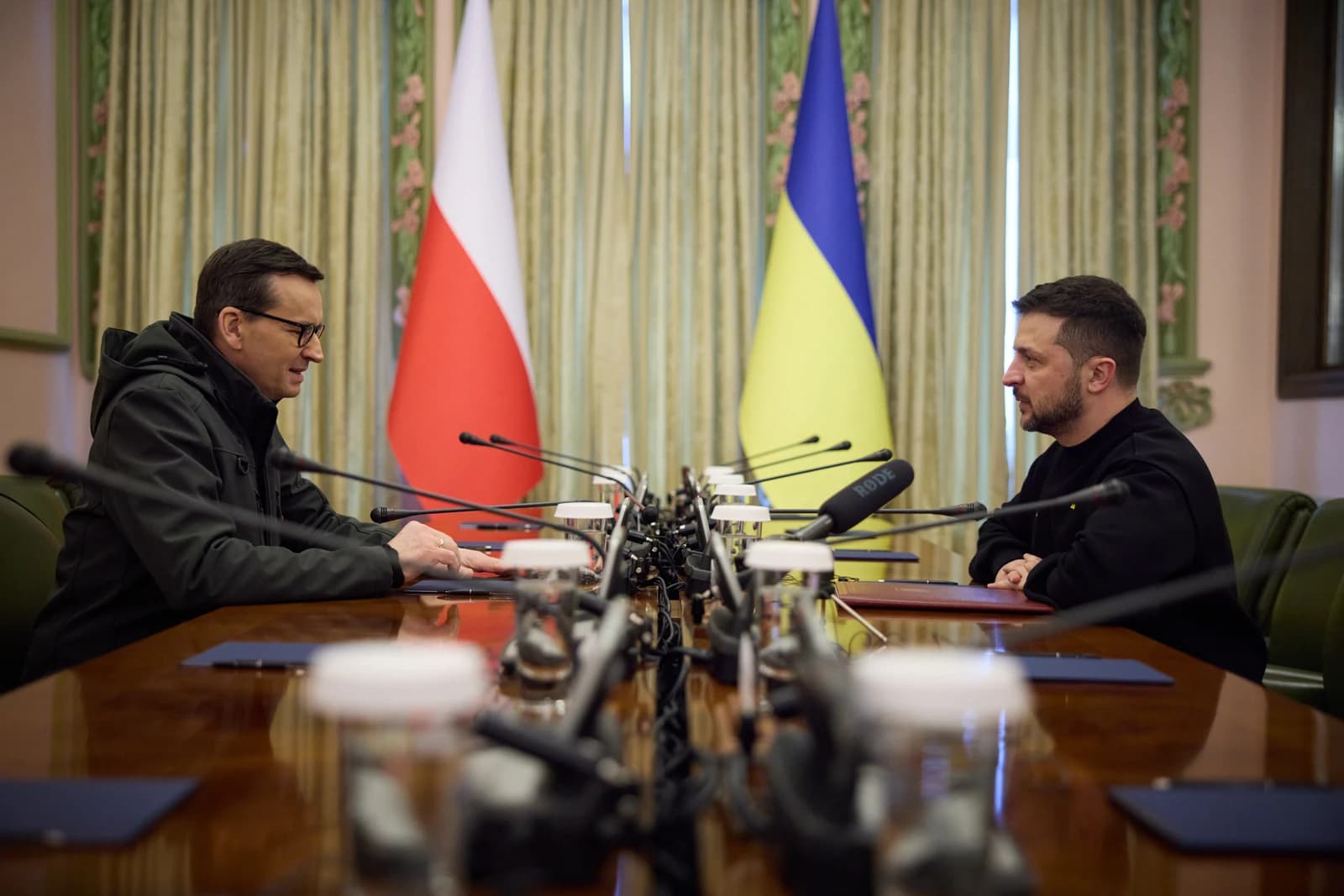
Naftogaz said it signed two memorandums with Polish refiner and trader ORLEN at the Carpathian Eight summit, including a plan for three LNG cargoes in the first quarter of 2027 and additional volumes if needed during peak demand season. The second agreement covers petroleum product supplies to Ukraine worth up to $500 million.
Sentiment IndicatorsⓘProprietary · adalytica.com · September 24, 2026
This is a snapshot — live sentiment, awareness and momentum for 130+ markets update continuously in the dashboard.Open AlphaPulse
The deal matters because Ukraine enters another heating season with energy infrastructure under pressure from Russian attacks and with European gas markets still vulnerable to geopolitical shocks. More diversified import routes are becoming a strategic necessity, not just a commercial choice, as governments and utilities across Europe compete for flexible supply.
For ORLEN, the agreement extends its role as a regional fuel supplier and gives it another foothold in a market where security-of-supply has become a premium. The memorandum also opens the door to shipping Ukrainian crude to Central European refineries and potentially transferring used fuel trucks to Ukrnafta, adding optionality to a trade relationship that goes beyond spot cargoes.
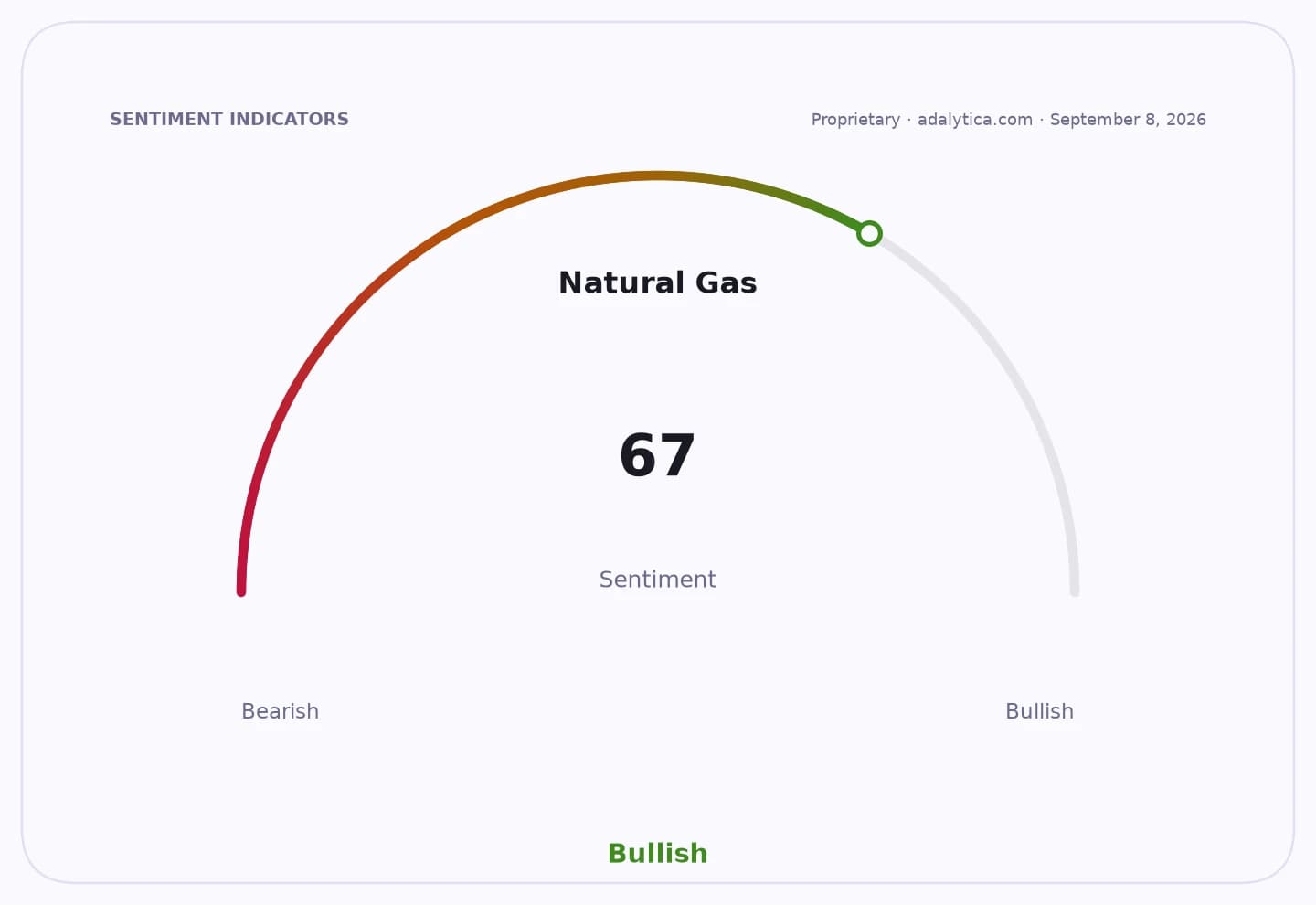
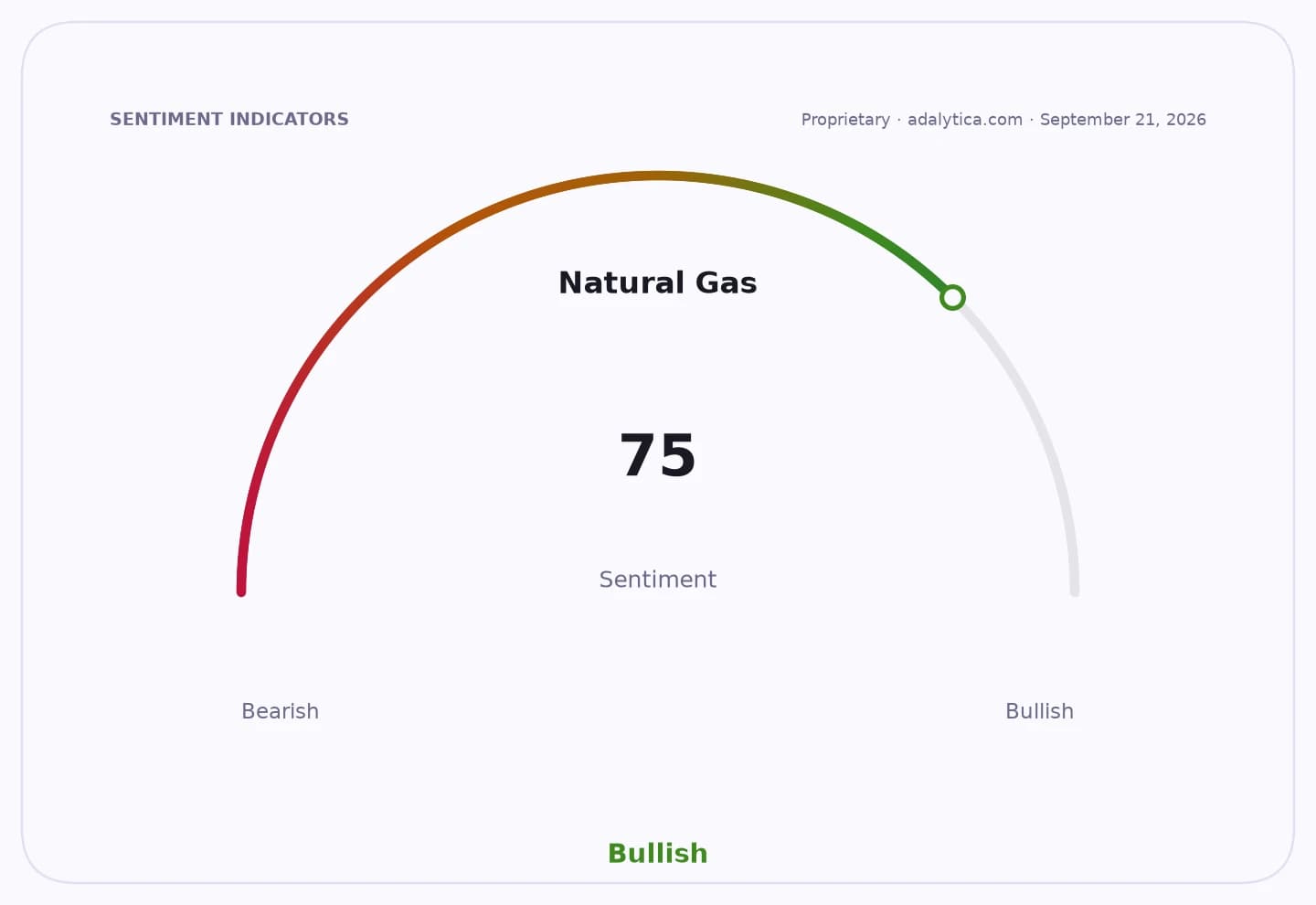
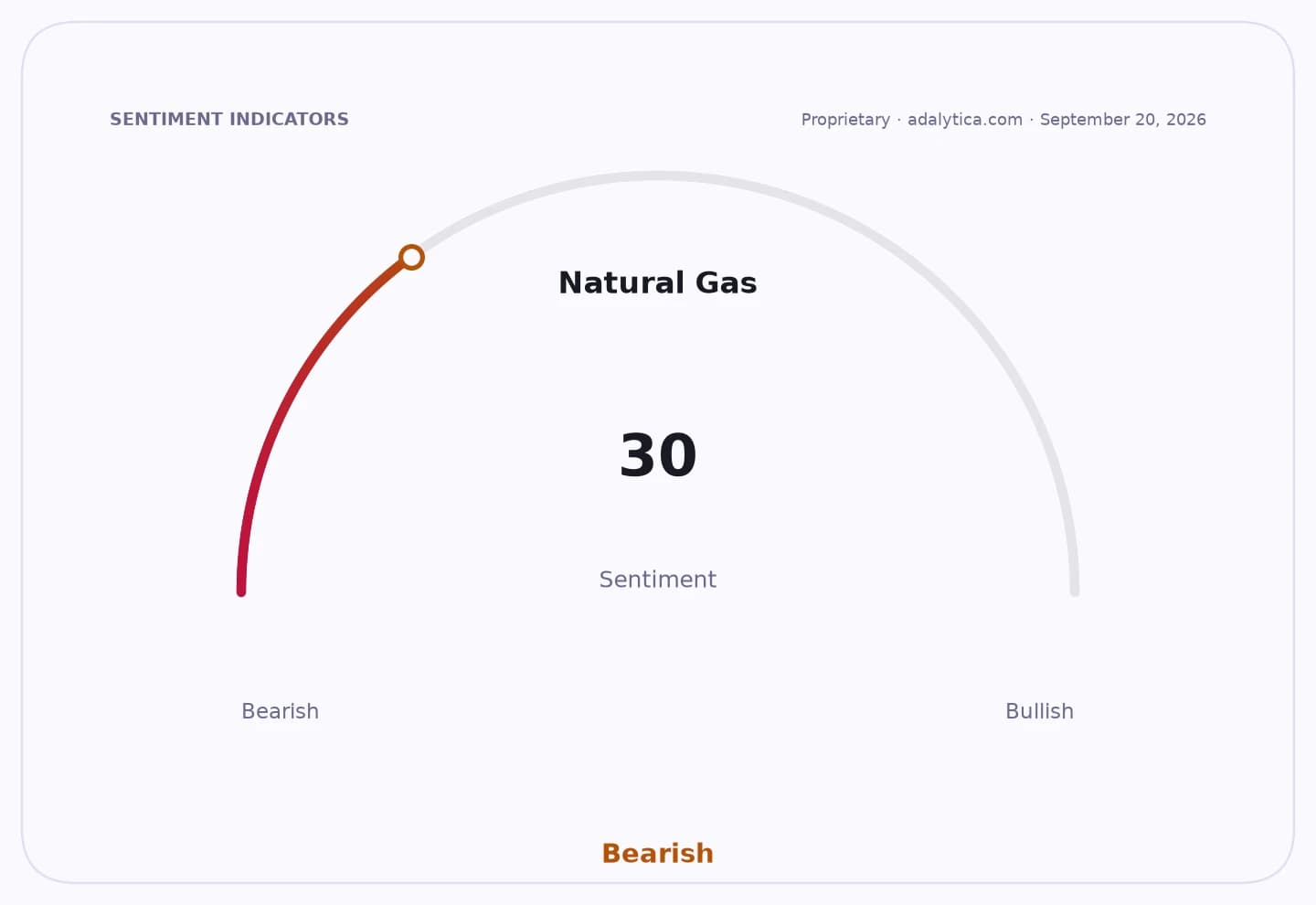
Investors are watching LNG-linked names and gas benchmarks closely because any incremental demand tied to security stockpiling can tighten an already jumpy market. Adalytica’s natural gas market signal currently shows “Extreme Fear,” reflecting how quickly sentiment can swing as traders weigh geopolitical disruption against supply relief from new contracts.
The immediate takeaway is that Ukraine is locking in future supply while Europe’s energy map remains unsettled. Any execution on the 2027 cargoes, and any follow-on fuel deliveries, will be watched for signs of how much pricing power suppliers retain heading into next year’s peak demand period.
| Entity | Gains | Losses |
|---|---|---|
| Ukraine / Naftogaz | ▲More supply security | ▼Less reliance on volatile spot markets |
| ORLEN | ▲New regional sales | ▼Exposure to delivery and price risk |
| LNG suppliers | ▲Future demand | ▼Buyers with stronger bargaining leverage |
| European consumers | ▲Better diversification | ▼Tightness in regional fuel balances |