Orlen’s plan with the Port of Gdynia to assess LNG and bio-LNG bunkering potential matters because it could turn Poland’s Baltic gateway into a more strategic fueling point for shipping at a time when fleets are being pushed to cut emissions and secure more flexible energy supply lines.
Orlen and Gdynia study LNG bunkering potential
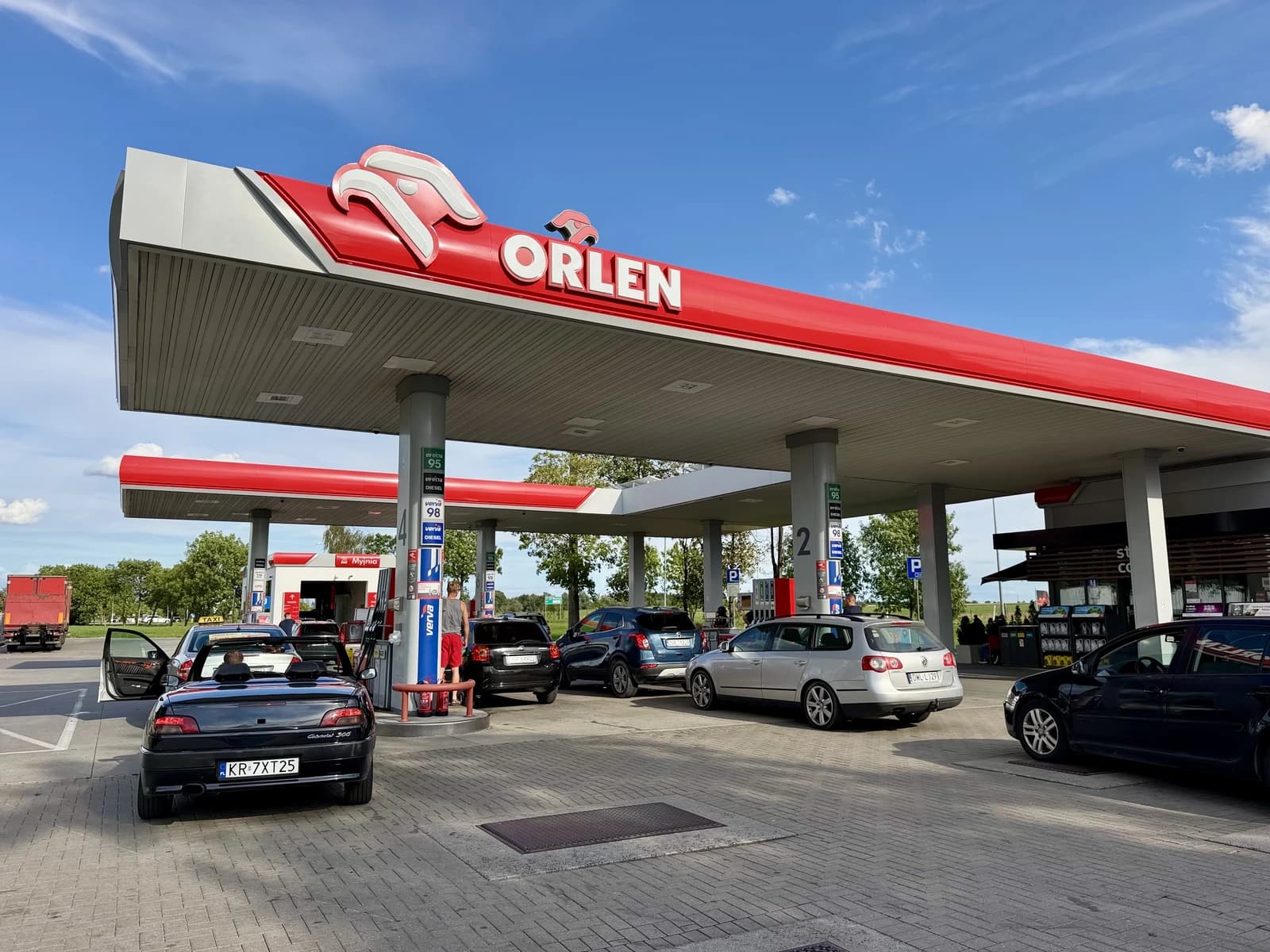
The study is not just about one port. It points to a broader commercial shift in the region: shipping operators are increasingly looking for cleaner fuels that can be delivered reliably on major routes, and ports that can offer those services stand to capture recurring volumes, fees and infrastructure investment. For Orlen, the project fits a wider push to reshape its fuel mix by 2035 and deepen its role beyond refining into marine energy services.
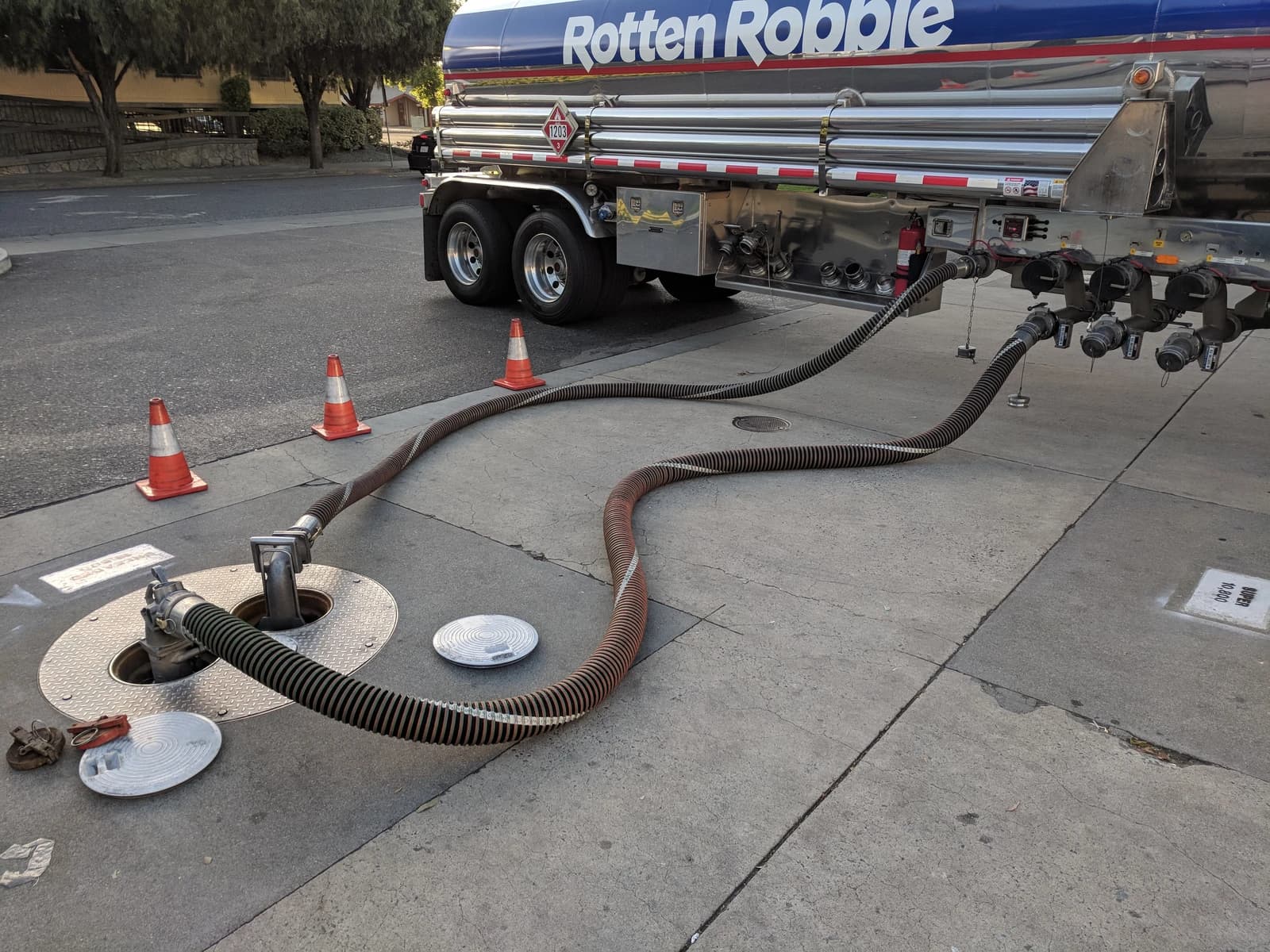
That makes the initiative economically relevant on two levels. First, LNG bunkering can pull additional traffic and spending into the Tricity area, including ship-to-ship fueling, alongside-barge operations and associated logistics. Second, bio-LNG adds an even more valuable low-carbon option for ferry, container and ro-ro operators that need to meet tightening emissions standards without rewriting their route networks. In a market where fuel choice is increasingly a competitive advantage, port-side infrastructure can become a toll road.
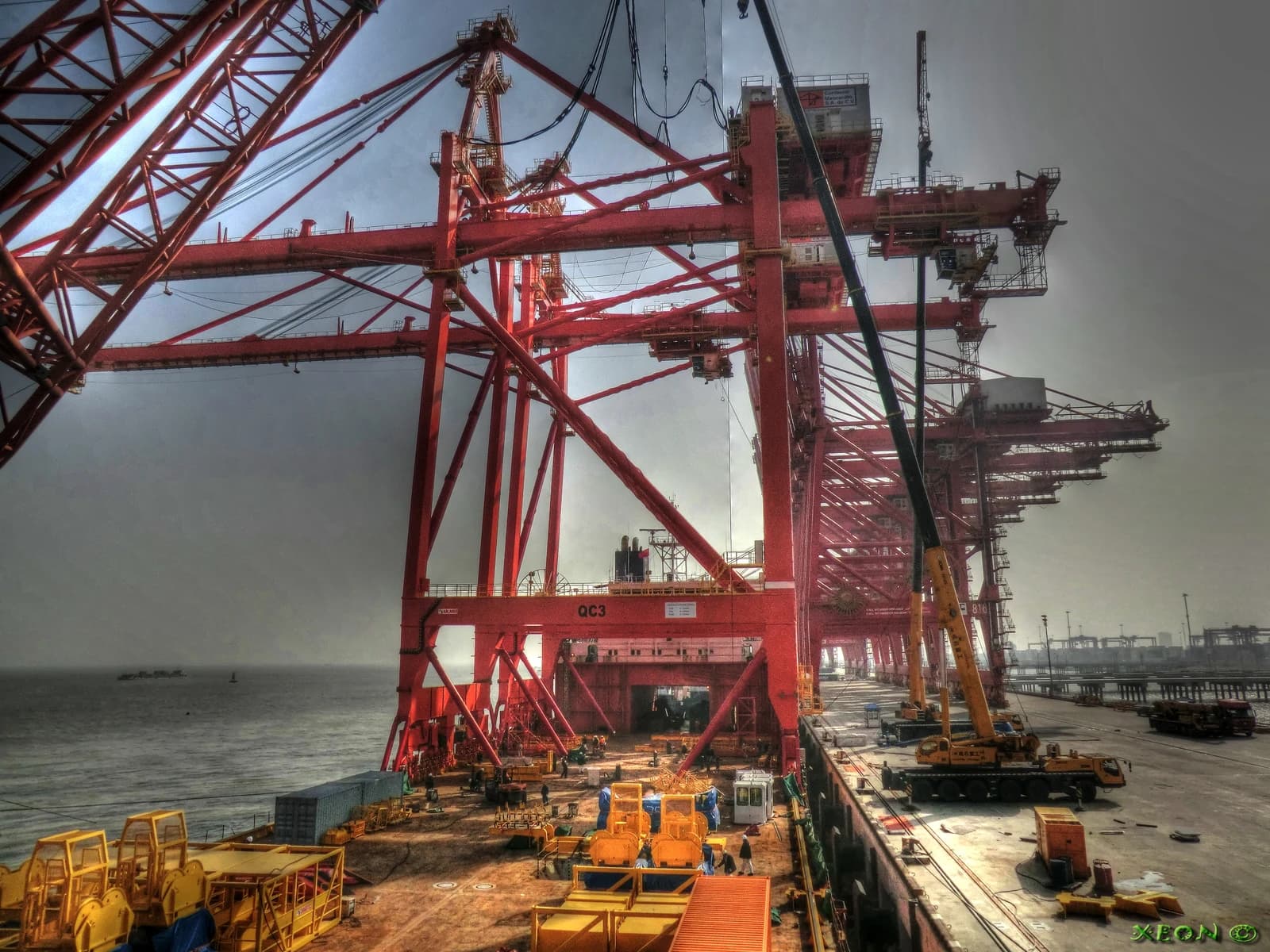
The timing also helps explain the market logic. Orlen has just commissioned its Marine Transshipment Terminal at the Gdańsk refinery, a sign it is already investing in marine fuel handling capacity. That gives the company a physical base from which to expand into bunkering services, while Gdynia brings access to established shipping flows and port users. The combination could help Poland compete with other European ports that have already advanced LNG bunkering models.
For investors, the real story is optionality. If demand proves durable, this is the kind of infrastructure-led business that can compound quietly over years, with stable cash generation from fuel distribution, port services and regulatory know-how. It also reinforces Orlen’s position as a regional energy platform rather than a pure downstream refiner, which is important in a world where asset mix matters as much as barrels.
Orlen shares have been trading well above both their 50-day and 200-day moving averages, while momentum remains constructive by conventional technical indicators, suggesting the market is already rewarding the company’s strategic reinvention. The stock’s move also reflects a broader appetite for infrastructure and energy-transition plays tied to hard assets rather than distant promises.
The investment takeaway is straightforward: the market may still be underestimating the value of marine fuel infrastructure in Central and Eastern Europe. If Orlen and Gdynia convert this study into a working LNG and bio-LNG bunkering platform, the beneficiaries are likely to be investors positioned for the long runway in port logistics, cleaner shipping fuels and Baltic energy infrastructure.
| Entity | Gains | Losses |
|---|---|---|
| Orlen | ▲New marine fuel revenue | ▼Pure-refining dependence |
| Port of Gdynia | ▲Higher throughput and fees | ▼Competitive pressure from rival ports |
| Shipowners | ▲Cleaner fuel access | ▼Higher transition costs |
| Conventional marine fuel suppliers | ▲— | ▼Potential demand erosion |