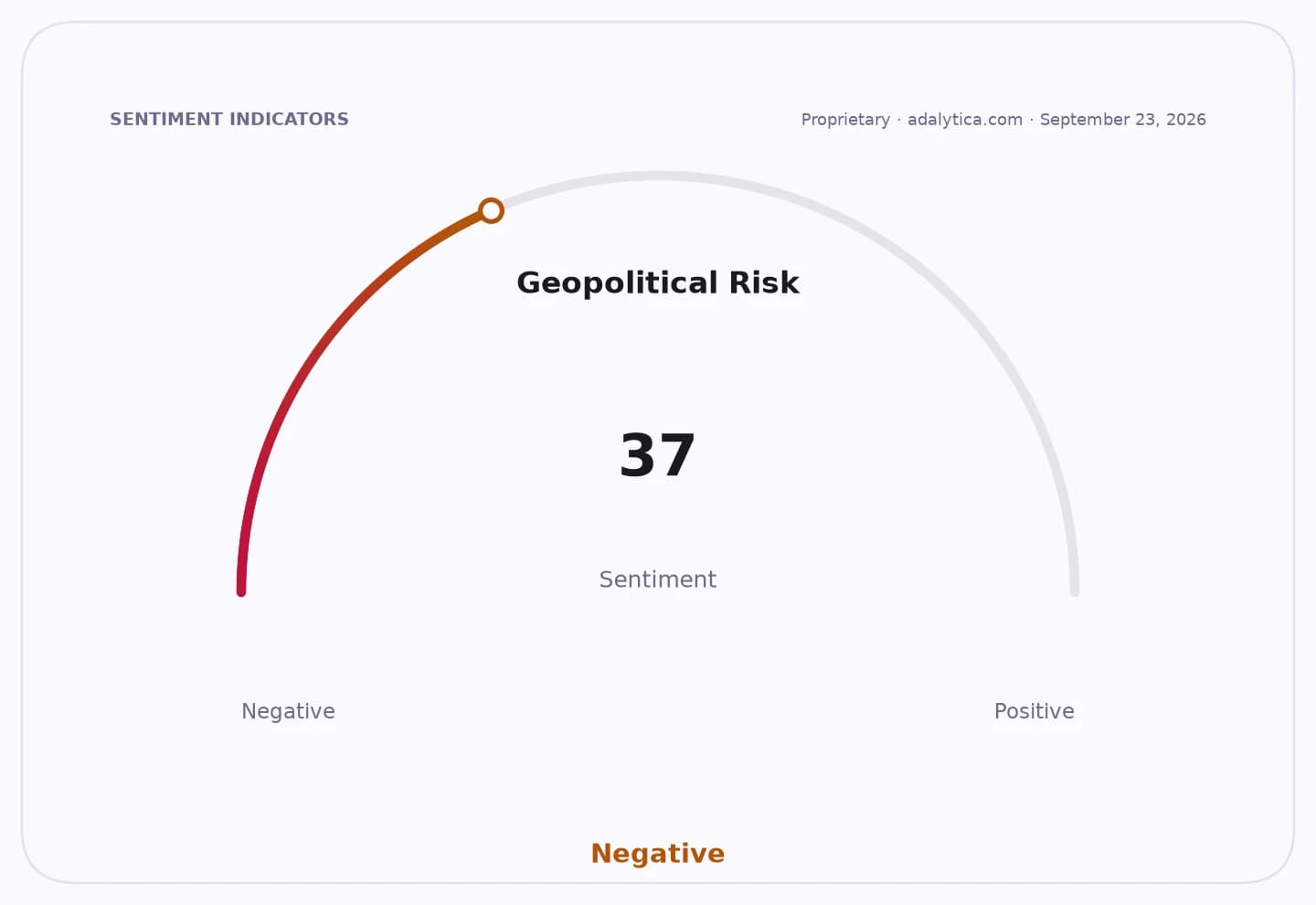
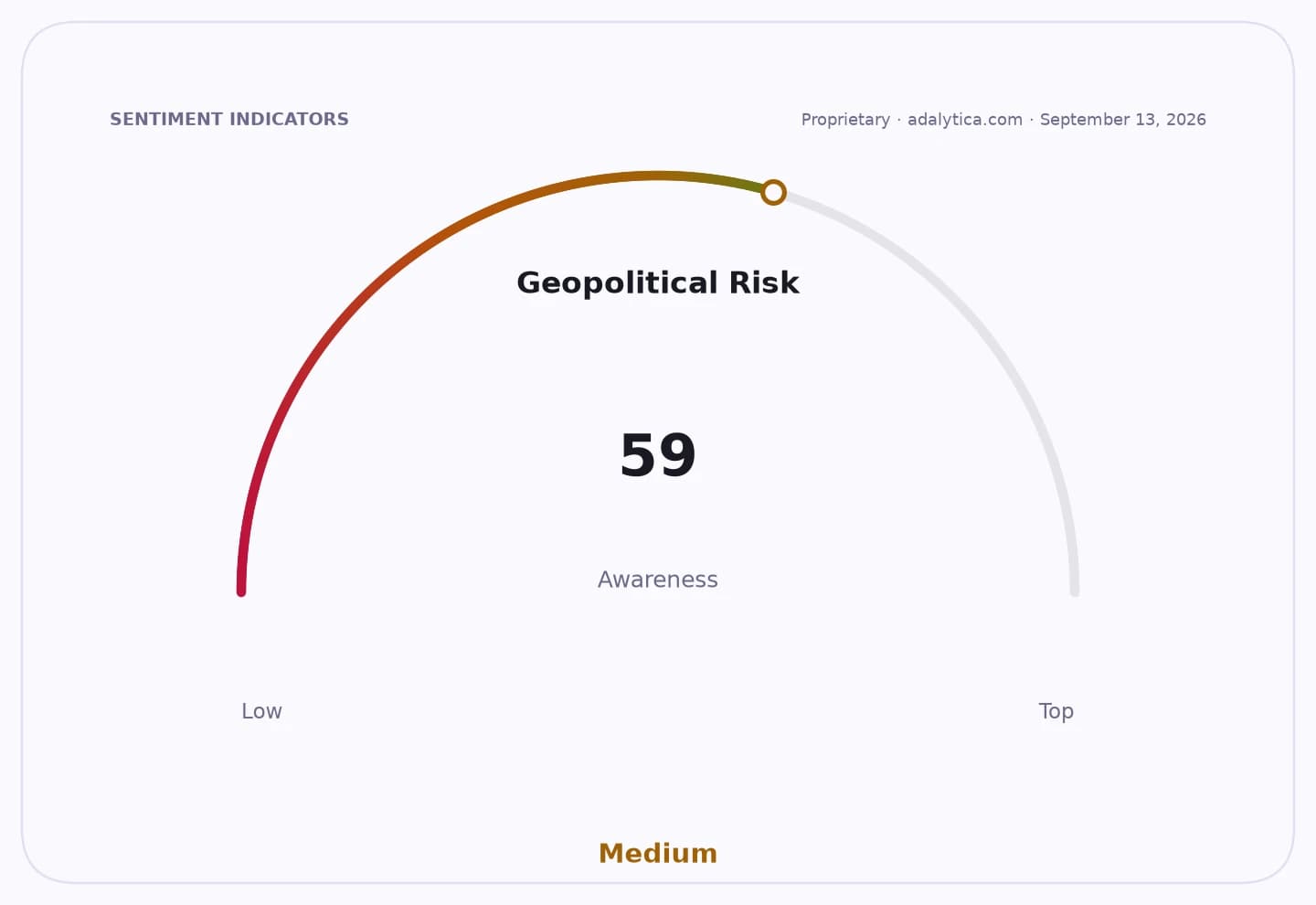
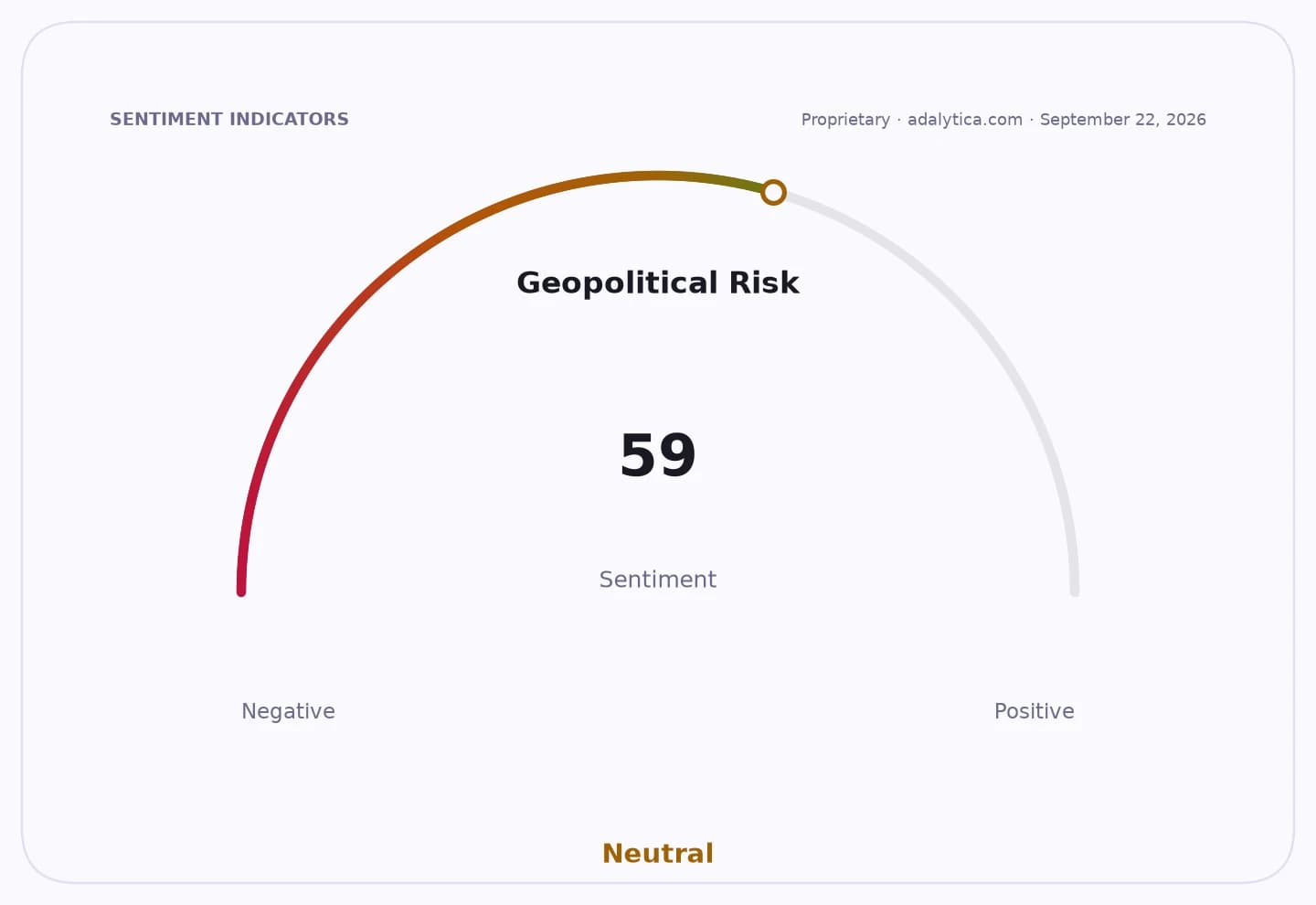
Turkey is moving to lock in a domestic gas supply that could cover 8 million households, a step that matters far beyond the Black Sea because it reduces exposure to the kind of supply shocks and price spikes that have turned energy into a global macro risk.
Turkey Black Sea Gas Project Targets Year-End First Gas
Energy Minister Alparslan Bayraktar said the Osman Gazi floating production platform will be sent to its Black Sea field by the end of October and should help complete the second phase of the Sakarya gas project, with first gas expected by year-end. He said the platform will add production equivalent to 4 million households, lifting total output from Turkey’s own gas to the needs of 8 million homes. At current prices, he said, the platform should contribute about $3.5 billion a year to the Turkish economy.
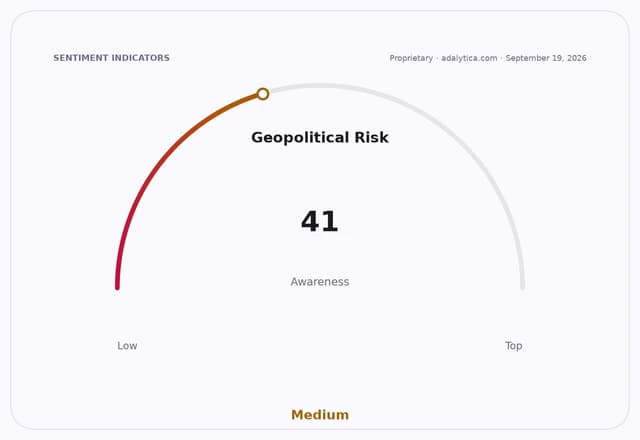
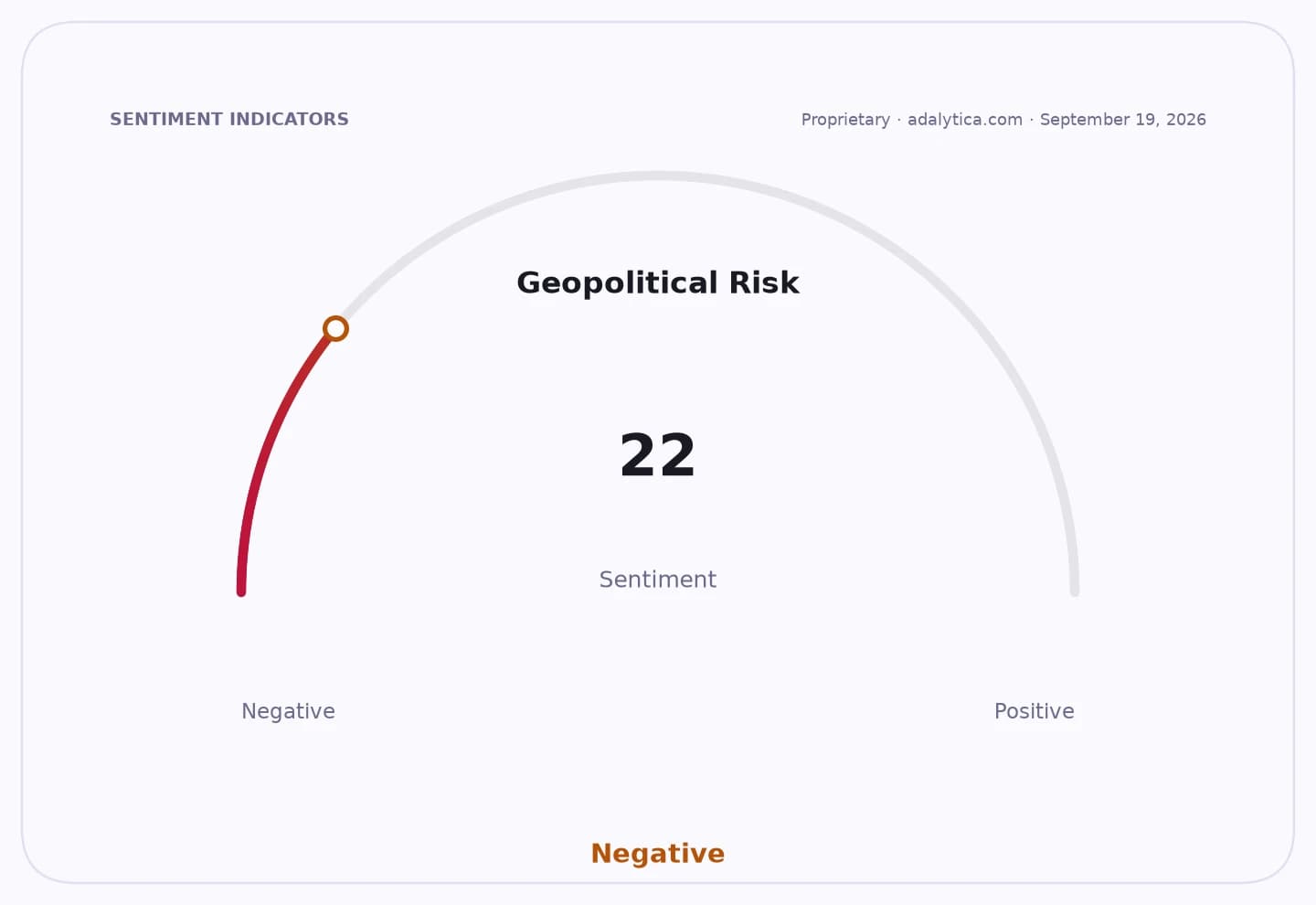
That is economically significant because domestic gas production is not just a utility story; it is a balance-of-payments story, an inflation story and an energy-security story. Every extra cubic meter produced at home is one less cubic meter bought on volatile international markets. For a country that relies on imported energy to keep 33 million vehicles fueled, 22 million homes heated and 42 million electricity subscribers powered, the value of self-sufficiency rises sharply when global gas and diesel prices are elevated and geopolitical risk is still high.
Bayraktar framed the project against what he called the biggest energy crisis in modern history, and that is not hyperbole from a market perspective. Europe and neighboring energy corridors remain exposed to disruption from the Russia-Ukraine war, while Black Sea infrastructure needs protection from mines and unmanned maritime threats. Turkey’s emphasis on safeguarding TurkStream and Blue Stream underscores how energy infrastructure has become strategic infrastructure, not just industrial plumbing.
For investors, the message is that the winners in this cycle are not only upstream producers but also the companies and assets that make domestic supply possible: offshore drilling, subsea engineering, floating production systems, pipelines and service contractors. The market still tends to treat energy as a pure commodity trade, but the more durable thesis is infrastructure scarcity. Governments want resilience, not just barrels or cubic meters, and they are willing to spend for it.
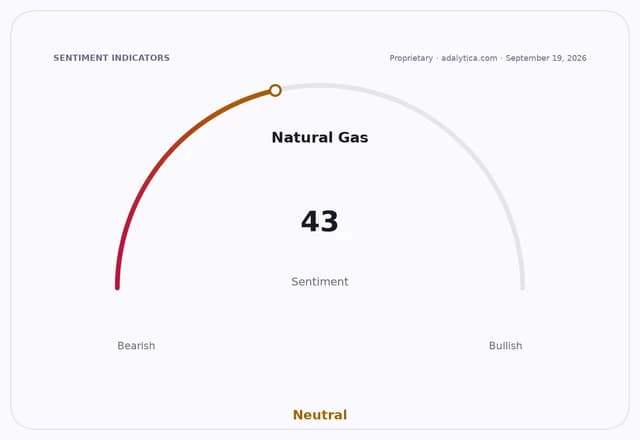
That is where the opportunity opens up. Black Sea development supports the case for continued capital spending in offshore energy, and it keeps the investment case alive for names tied to drilling and deepwater execution. Transocean, with its ultra-deepwater exposure, and broader energy-sector vehicles such as XLE stand to benefit if the market keeps rerating supply security as a secular theme rather than a temporary geopolitical spike. Natural gas exposure through UNG remains tactical, but the larger structural takeaway is that domestic production is becoming a policy priority across regions that cannot afford another winter of import dependence.
Bayraktar said Turkey had filled storage ahead of winter and has backup plans if supply from any one source is interrupted. The next catalyst is execution: if Osman Gazi reaches its Black Sea post on schedule and first gas flows by year-end, the market will have to start pricing in a longer runway for Turkish gas self-reliance, more Black Sea energy investment and a stronger case for offshore energy supply chains.
The big picture is simple: in a world where energy security is back at the center of geopolitics, Turkey’s Black Sea gas project is exactly the kind of domestic solution that can reset investor attention toward the real bottlenecks — infrastructure, drilling capacity and the companies that build them.
| Entity | Gains | Losses |
|---|---|---|
| Turkey / Bayraktar ministry | ▲Lower import dependence | ▼Exposure to volatile spot markets |
| Offshore drillers and service firms | ▲More Black Sea capex | ▼Idle rig capacity |
| XLE / energy equities | ▲Security-driven bid | ▼Pure commodity shorts |
| LNG exporters / foreign suppliers | ▲Less leverage on Turkey | ▼Share of Turkish demand |