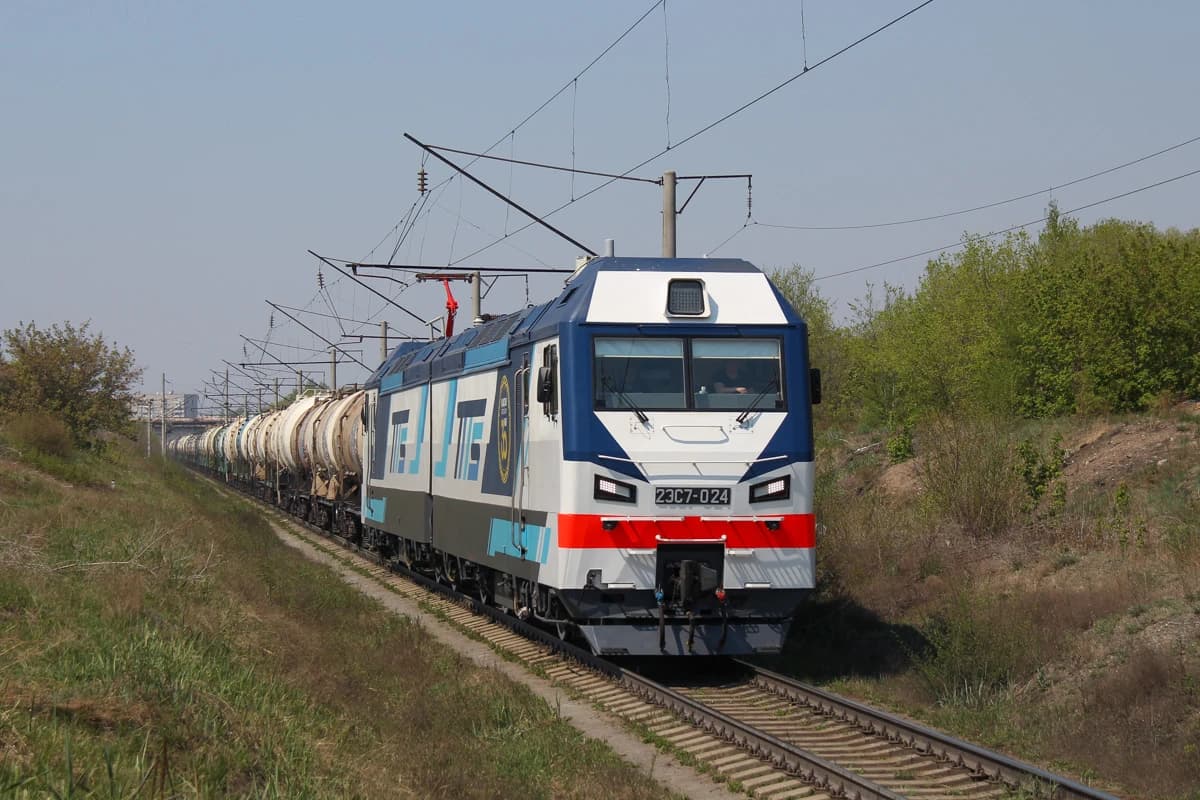
Turkey has moved its national high-speed train from testing into mass production, a step that matters because it marks the country’s push to localize a strategic transport system that would otherwise depend on imports, foreign know-how and long supply chains.
Turkey Begins Mass Production of High-Speed Trains
Transport Minister Abdulkadir Uraloğlu said production has begun on a second electric high-speed train set after the first unit completed successful tests, including a dynamic safety run that reached 250 kilometers per hour. Turkey now aims to build 14 sets over two years, with seven planned for 2027 and seven for 2028.
For investors, the significance is less about the headline train itself than the industrial model behind it. High-speed rail is a capital-intensive business with long lead times, but once manufacturing capacity is in place it can support a steadier stream of orders, domestic jobs and supplier development. Turkey is trying to turn a one-off engineering project into a repeatable production line, which is exactly how governments build strategic industries that can compound over time.
The 8-car train sets are designed for 577 passengers, and key systems including train control and propulsion are being developed locally with ASELSAN. That matters because the highest-value parts of rail manufacturing usually sit in the electronics, control systems and integration work, not just the steel and assembly. The more Turkey can keep that value chain at home, the more it can reduce foreign-currency exposure and improve resilience in future procurement.
Uraloğlu also said the country’s first high-speed train factory is 90% complete and, once finished, should allow production, assembly and testing under one roof. The facility is expected to have the capacity to build one high-speed train a month. If that schedule holds, Turkey would be moving closer to the kind of industrial rhythm that can support exports later, not just domestic replacement demand.
The broader economic case is straightforward: transport infrastructure is a productivity investment. Faster rail links can improve labor mobility, support tourism, reduce logistics friction and make regional cities more economically connected. In a country that wants to deepen industrial self-sufficiency while modernizing its transport network, that is a meaningful long-term tailwind.
For public markets, the direct read-through is limited, but the theme is clear. Companies tied to rail systems, electrification, signaling, rolling stock components and industrial automation stand to benefit if Turkey keeps scaling local production. The risk, as always with state-backed manufacturing projects, is execution: delays, cost overruns and uneven demand can quickly dilute the economics.
Still, the direction is encouraging. Turkey is not just testing a prototype; it is trying to build a domestic rail manufacturing platform. For long-term investors, that is the kind of industrial story worth watching, especially if the production cadence and factory completion begin to match the government’s ambitions.
| Entity | Gains | Losses |
|---|---|---|
| Turkey’s rail industry | ▲More domestic manufacturing | ▼Reliance on imports |
| TÜRASAŞ and local suppliers | ▲Steadier production demand | ▼One-off prototype work |
| ASELSAN | ▲Higher-value systems integration role | ▼Foreign control-systems vendors |
| Imported trainmakers | ▲Fewer future orders | ▼Share of Turkey’s rail spending |