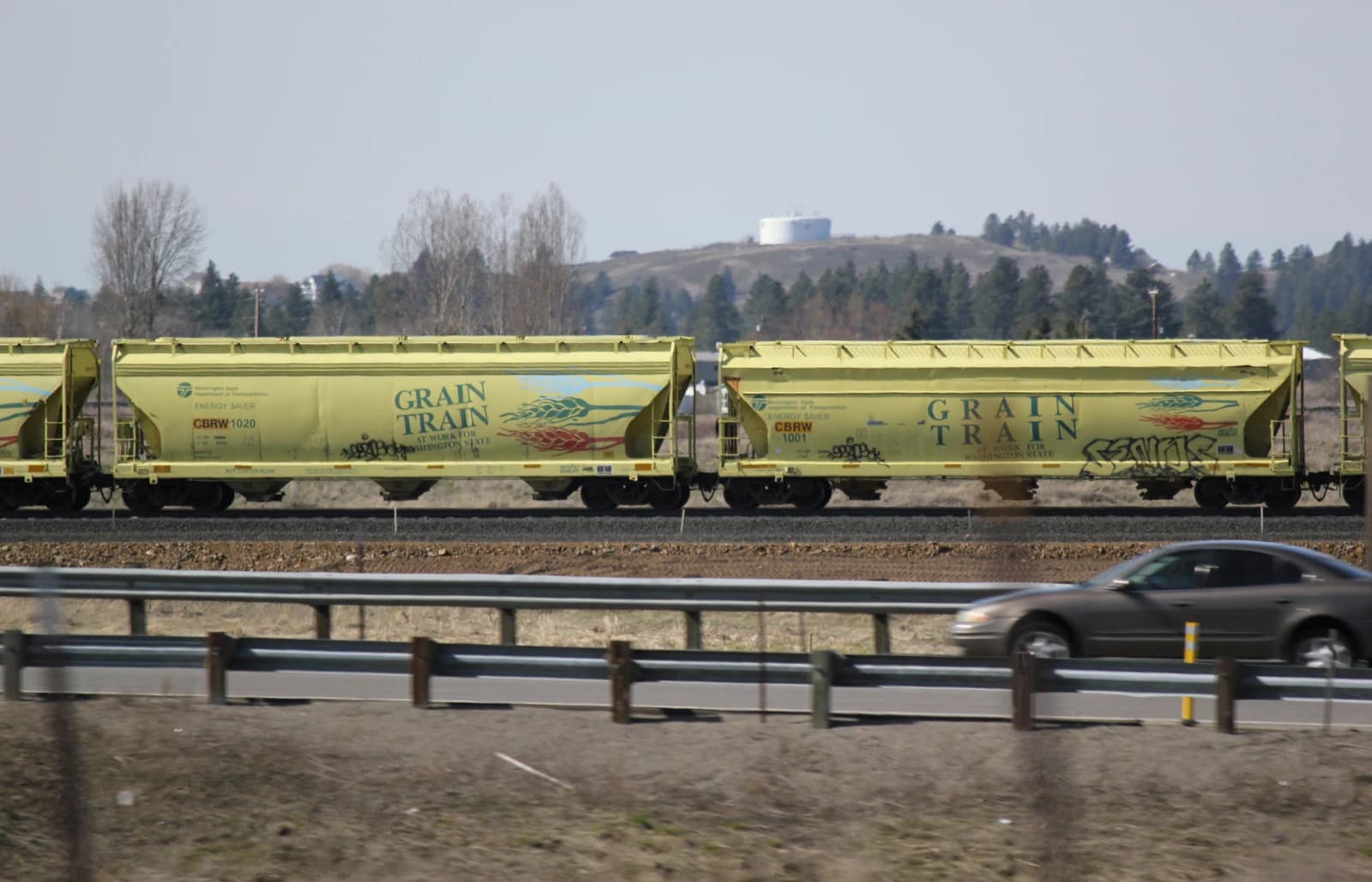
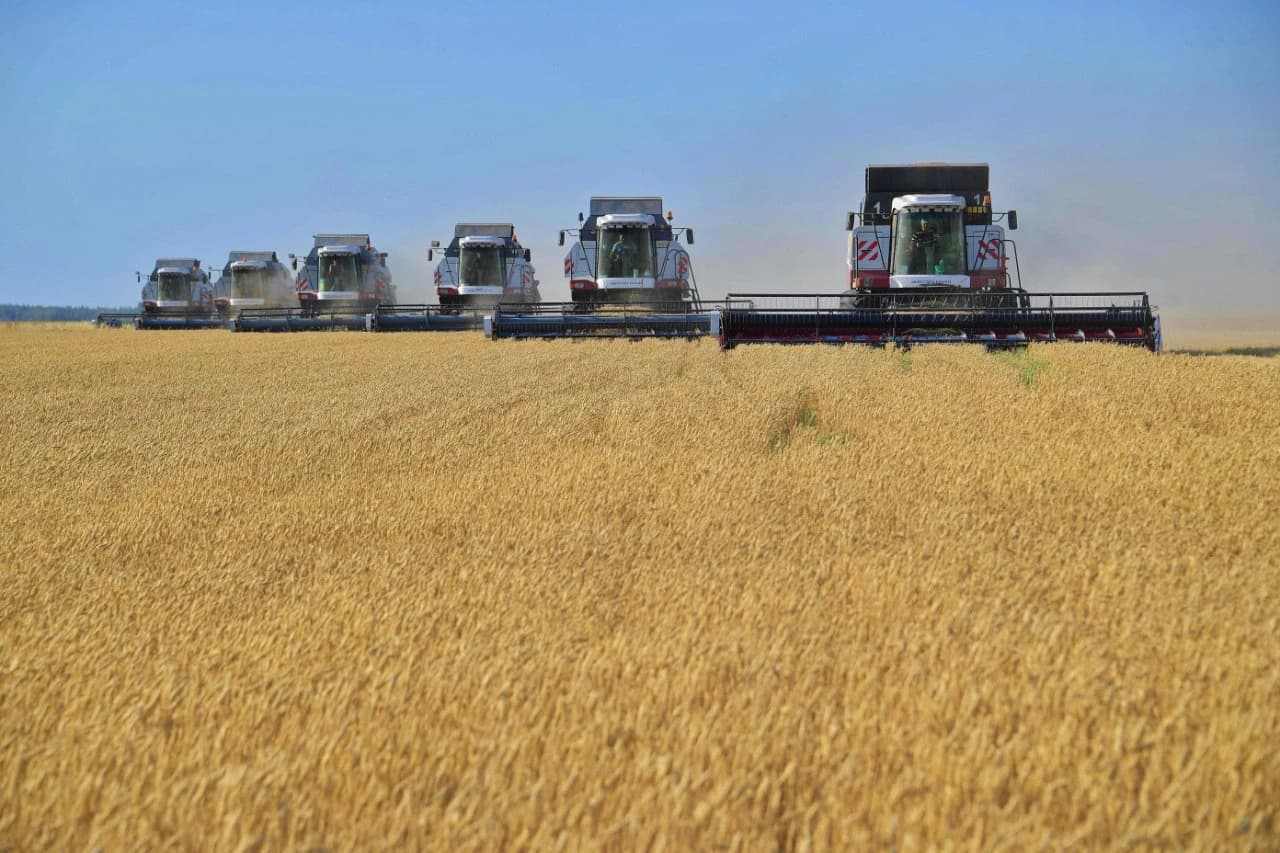
Kazakhstan’s rail network hauled a record 15 million tons of grain in the year through August, underscoring how the country is becoming a bigger logistics artery for Central Asia and Afghanistan as exporters push more crop output onto rail.
Kazakhstan Rail Hauls Record 15 Million Tons of Grain
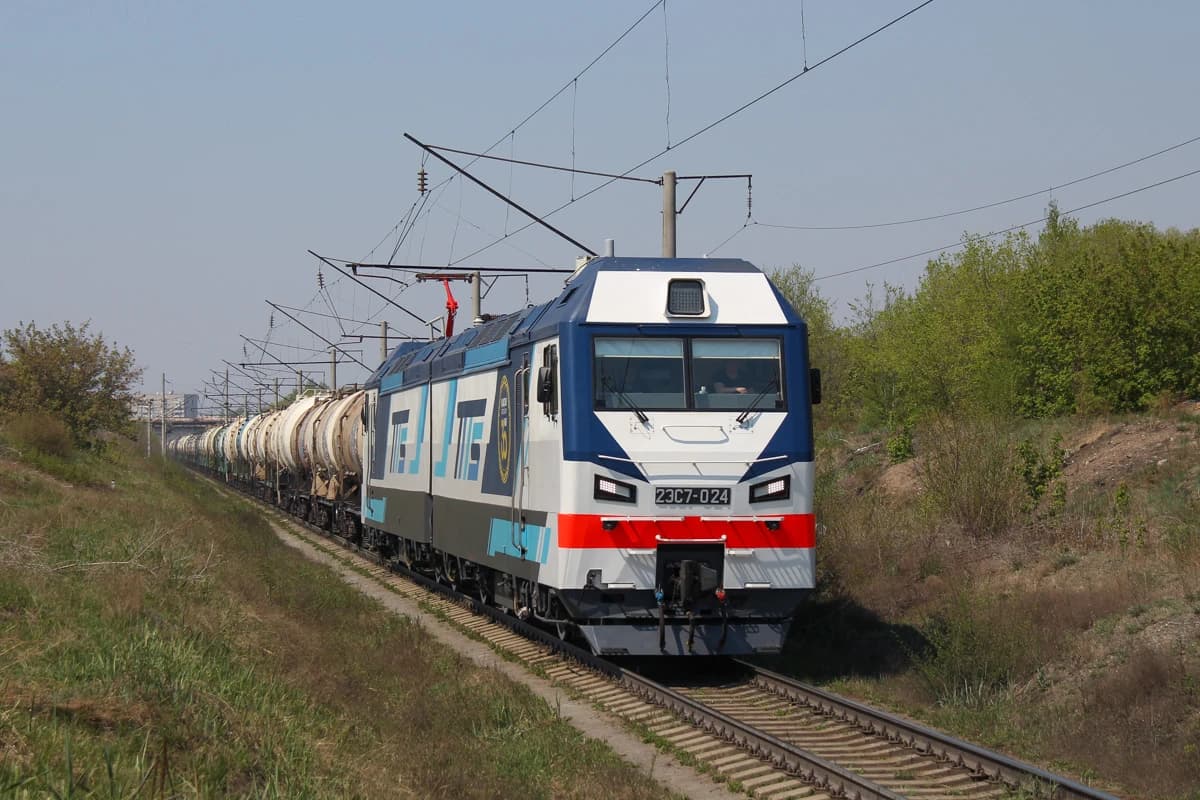
That matters because grain is not just a seasonal commodity flow in Kazakhstan — it is a test of transport capacity, export competitiveness and regional trade leverage. The stronger the rail system performs, the more Kazakhstan can monetize its position between Russia, China, Central Asia and Afghanistan, while reducing bottlenecks that can erode margins for farmers, traders and wagon operators.
Kazakhstan Temir Zholy said 11.8 million tons were shipped for export, including 7.6 million tons to Central Asian markets. Grain shipments to Afghanistan tripled to 1 million tons, a sign of how rail links are deepening trade with a market that depends heavily on imported food supplies and overland corridors.
August volumes reinforce that trend. The state railway said it moved about 1.2 million tons of grain last month, up 35% from a year earlier, with export volumes up 46% to 895,000 tons. Products of milling also rose 18%, suggesting the trade is broadening beyond raw grain to higher-value processed flows.
For investors, the message is straightforward: Kazakhstan’s grain rail boom is a toll-road story. More volume means better asset utilization for rail operators, wagon lessors, elevator owners and logistics providers tied to export corridors. It also strengthens the case for continued capex in rolling stock, sidings and loading infrastructure, especially as the railway said it was using about 15,200 grain wagons and 17,100 covered cars.
The real market opportunity sits in the second-order effects. When a country can reliably move 15 million tons of grain a year, it improves the economics of agricultural exports, supports rural income, and can make Kazakhstan a more important supplier in a region where food security remains politically sensitive. That creates a durable tailwind for infrastructure and industrial names tied to freight throughput, not just for farmers.
KTZ’s advice to wagon owners and operators to offer incentives for exporters loading in the first half of the month points to a familiar infrastructure problem: uneven cargo scheduling strains networks in the final third of the month. If managed well, that smoothing mechanism can lift efficiency and reduce congestion. If not, it becomes a drag on growth just as volumes are accelerating.
The investable takeaway is that Kazakhstan’s grain rail record is less a one-off than a signal of rising corridor throughput across Central Asia. The market underestimates how much value accrues to the logistics layer when commodity trade becomes more regular, more export-oriented and more geopolitically important.
| Entity | Gains | Losses |
|---|---|---|
| Kazakhstan Temir Zholy | ▲Higher freight utilization | ▼Congestion risk |
| Grain exporters | ▲Better export access | ▼Loading bottlenecks |
| Wagon owners/operators | ▲Stronger demand for cars | ▼Need for incentives |
| Central Asia/Afghanistan importers | ▲More reliable supply | ▼Higher logistics dependency |