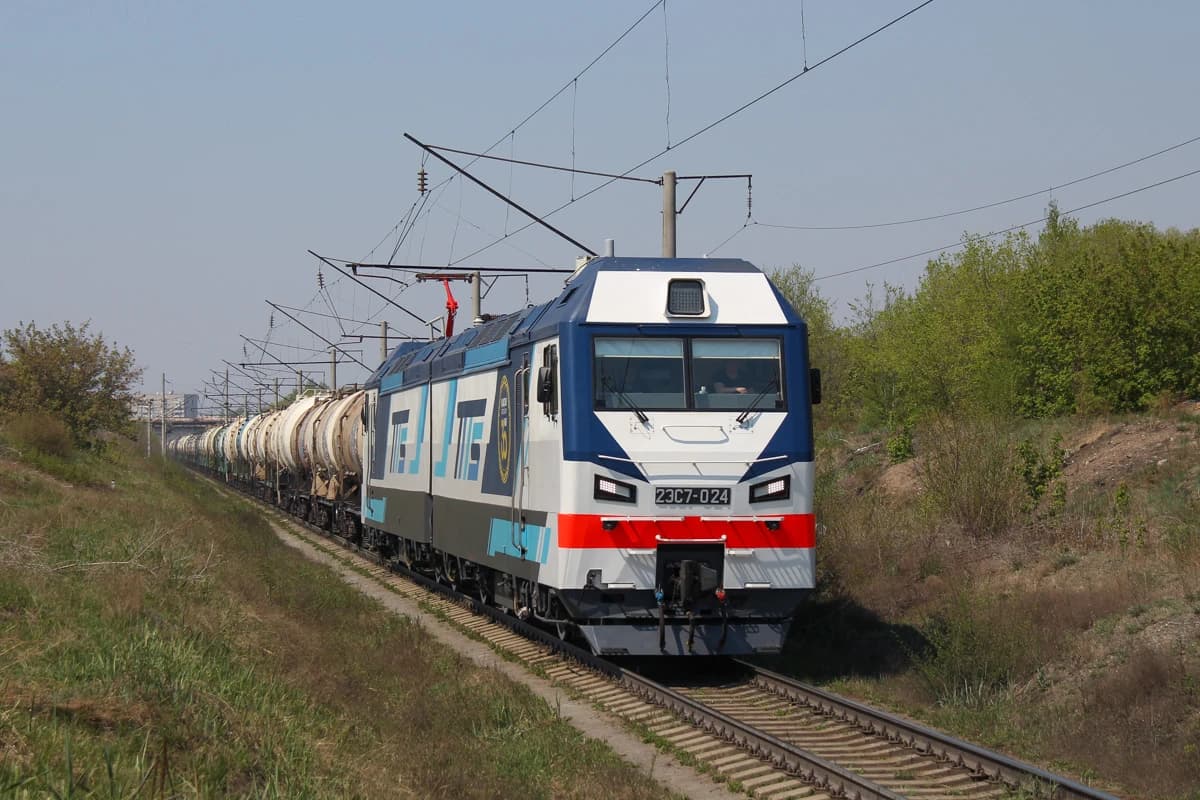
Transport corridor building is absorbing an outsized share of national output in Afghanistan, Kyrgyzstan and Mongolia, a sign that some of the world’s more exposed economies are leaning heavily on infrastructure to reduce trade bottlenecks and open routes to regional markets.
Afghanistan, Kyrgyzstan, Mongolia Boost Transport Corridors
That matters because corridor spending in these countries is not just a construction story. It is a capital-allocation choice with direct consequences for growth, fiscal health and external dependence. When spending on roads, rail links and logistics hubs reaches a large share of GDP, it can lift productivity and improve connectivity over time — but it also raises questions about financing, debt sustainability and whether the projects will generate enough trade to justify the outlay.
The Eurasian Development Bank’s assessment puts the three economies at the top of the list for transport corridor development spending relative to GDP, underscoring how infrastructure is being treated as a strategic necessity rather than a discretionary investment. In countries where geography already makes trade costly, better corridors can lower import prices, support exporters and attract transit flows. For landlocked economies such as Kyrgyzstan and Mongolia, the payoff can be especially large if projects connect them more efficiently to China, Russia and wider Eurasian routes. For Afghanistan, where reconstruction and access remain constrained by security and political risk, corridor spending reflects an attempt to keep the economy linked to regional supply chains despite persistent obstacles.
For investors, the mix is more complicated. Infrastructure-led growth can benefit contractors, materials suppliers, logistics operators and eventually domestic producers that gain cheaper access to markets. It can also support sovereign credit narratives if the projects improve long-term revenue generation. But the bear case is equally clear: high corridor spending relative to GDP can strain budgets, especially in economies with limited tax bases and volatile external funding. If traffic volumes fail to materialize, the result can be underused assets, weaker fiscal accounts and pressure on currencies and reserves.
The broader narrative is that Eurasia’s frontier economies are trying to buy strategic optionality through transport links at a time when trade routes are being reshaped by geopolitics, sanctions and supply-chain diversification. That makes corridor spending both a development tool and a macro-risk variable. The key issue for markets is whether these countries can turn expensive infrastructure into durable trade gains — or whether the spending simply reflects how costly it remains to do business at the edge of the regional economy.
| Entity | Gains | Losses |
|---|---|---|
| Afghanistan, Kyrgyzstan, Mongolia | ▲Better connectivity | ▼Fiscal headroom |
| Exporters and transit users | ▲Lower logistics costs | ▼Short-term budget flexibility |
| Contractors and materials suppliers | ▲Project demand | ▼Margins if funding tightens |
| Sovereigns and creditors | ▲Growth upside if corridors pay off | ▼Debt risk if traffic disappoints |