Kazakhstan has begun moving military equipment and personnel into Russia by rail for a planned round of Collective Security Treaty Organization exercises, a reminder that the region’s security ties remain active even as investors watch a much more fragile global geopolitical backdrop.
Kazakhstan Moves Military Equipment to Russia by Rail
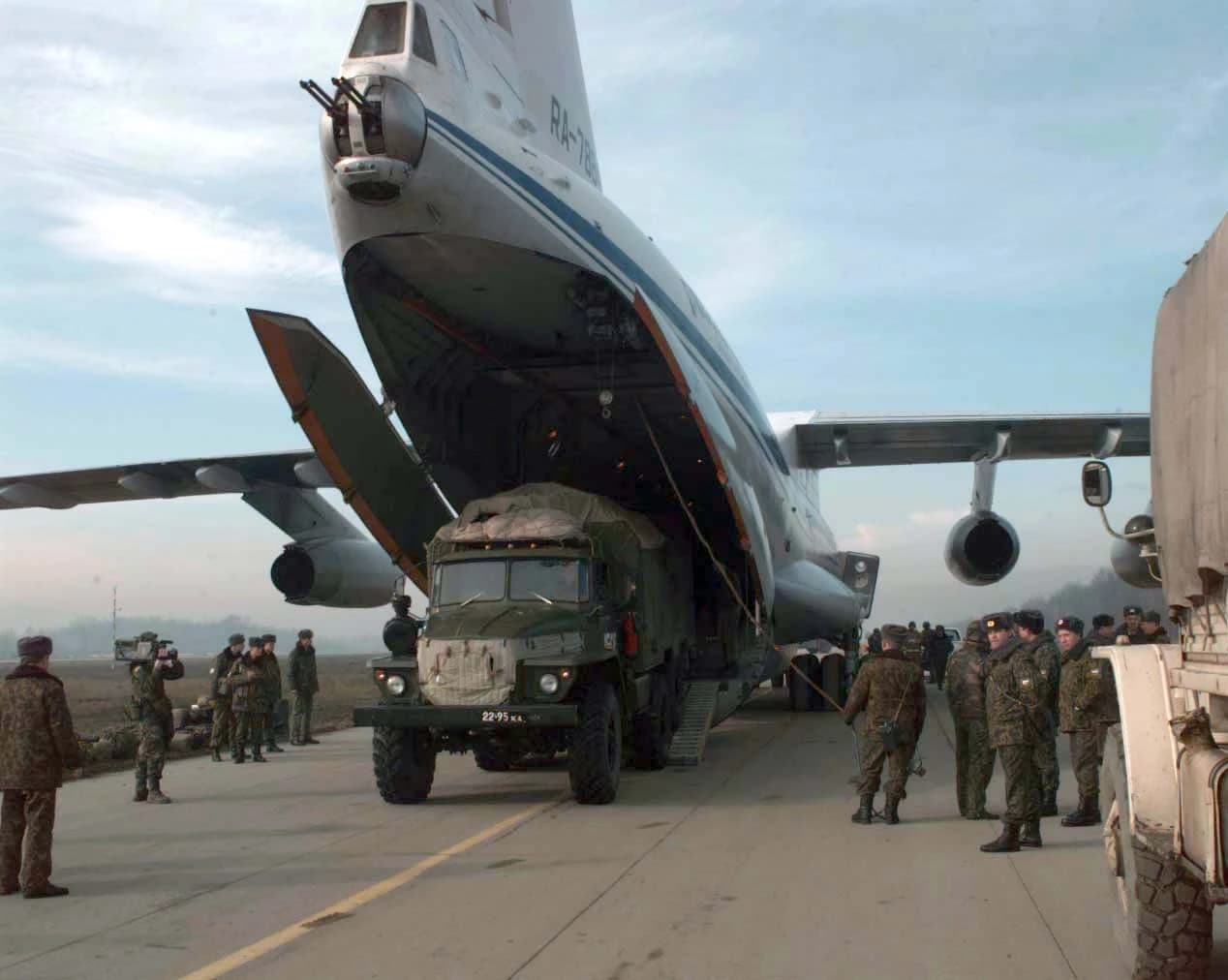
The transfer is not a surprise escalation. Kazakhstan’s Defense Ministry said the shipments are part of a scheduled training cycle, with movements running from Sept. 21 to Oct. 5 to the Myshchenskaya station in Russia’s Chelyabinsk region and back. The drills themselves are set for Sept. 24 to Oct. 3, and are being conducted under preapproved CSTO combat-readiness plans.
That matters economically because military logistics are a real test of state coordination, rail capacity and regional transport reliability. Even when the mission is routine, moving heavy equipment across borders requires functioning rail links, customs coordination and political trust between allies. In a part of the world where supply chains and sanctions risk remain front of mind, those are not trivial details.
For investors, the immediate market impact is limited, but the broader message is important: Central Asia is still deeply tied into Russia-led security and transport structures. That can shape perceptions of regional stability, infrastructure spending and cross-border trade flows. It also reinforces why rail remains a strategic asset, not just a freight tool, in Eurasia.
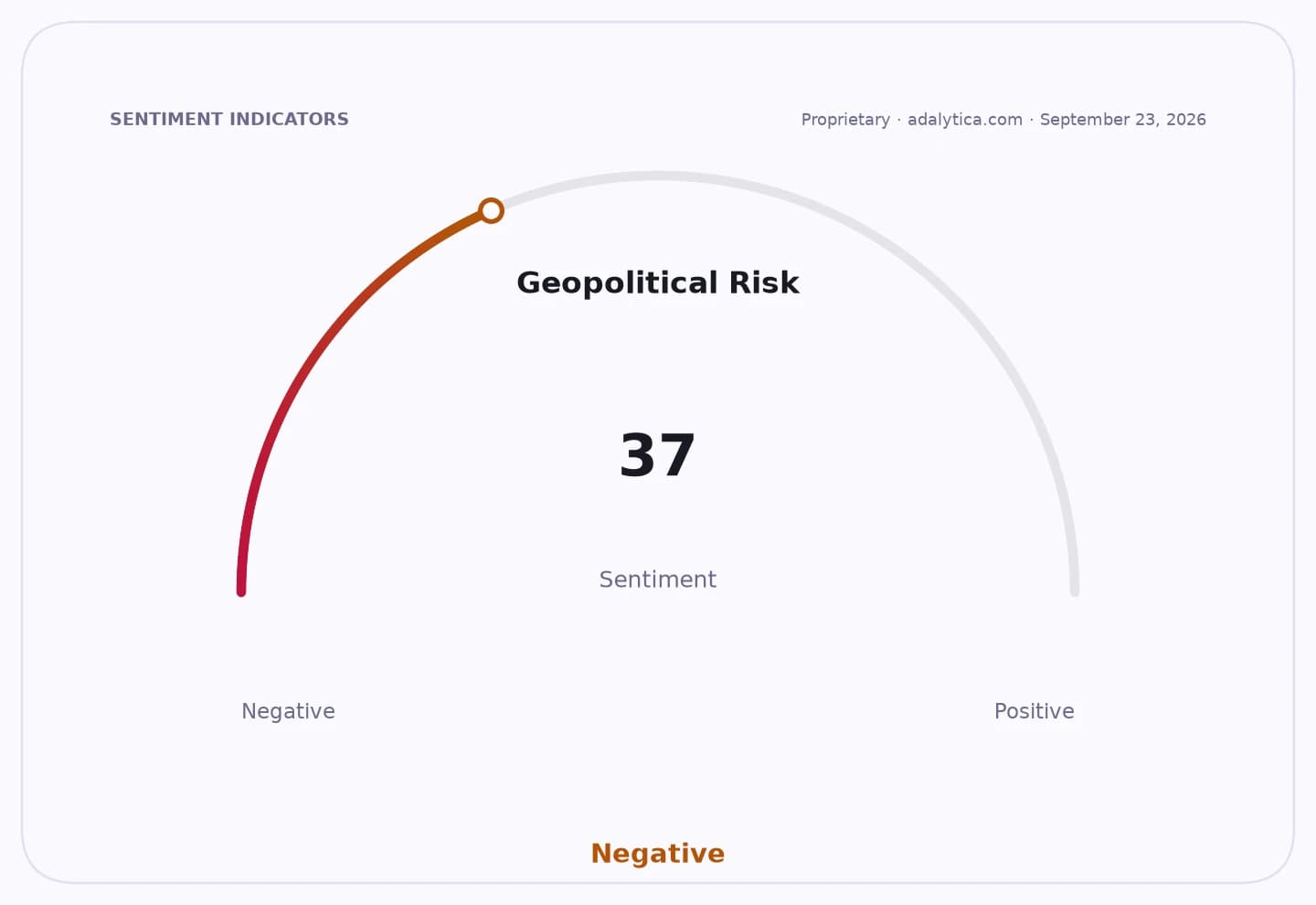
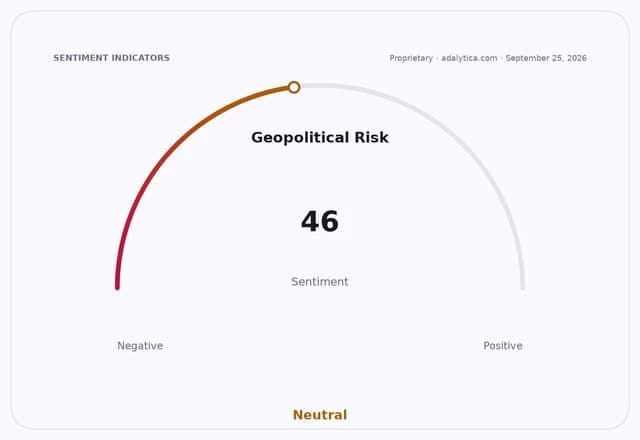
The ministry also tried to head off misinformation, warning citizens and social media users not to circulate unverified claims. That suggests the move could be misread as something more ominous than a scheduled exercise, especially in a year when geopolitical fear has been elevated, even if Adalytica’s Global Stability Sentiment gauge currently sits at a neutral 46.
For long-term investors, the better takeaway is not the troop movement itself, but the durability of the institutions and transport networks that make it possible. Markets tend to reward predictability, and planned exercises are far less disruptive than sudden mobilizations. Still, any sign of closer military coordination between Kazakhstan and Russia will be watched for what it says about the region’s political alignment and the resilience of its logistics corridors. Worth watching, but not a reason to chase headlines.
| Entity | Gains | Losses |
|---|---|---|
| Kazakhstan Defense Ministry | ▲Predictable training cycle | ▼Misinformation risk |
| Russia/CSTO | ▲Operational readiness | ▼None immediately |
| Rail logistics network | ▲Utilization and relevance | ▼Added scrutiny |
| Regional investors | ▲Clarity on routine move | ▼Geopolitical anxiety |