Iran’s supreme leader has dispatched a message to Vladimir Putin at a moment when Tehran’s standoff with Washington remains unresolved and its regional and energy ties with Moscow are becoming more strategically important.
Iran Sends Message to Putin on Energy and Hormuz
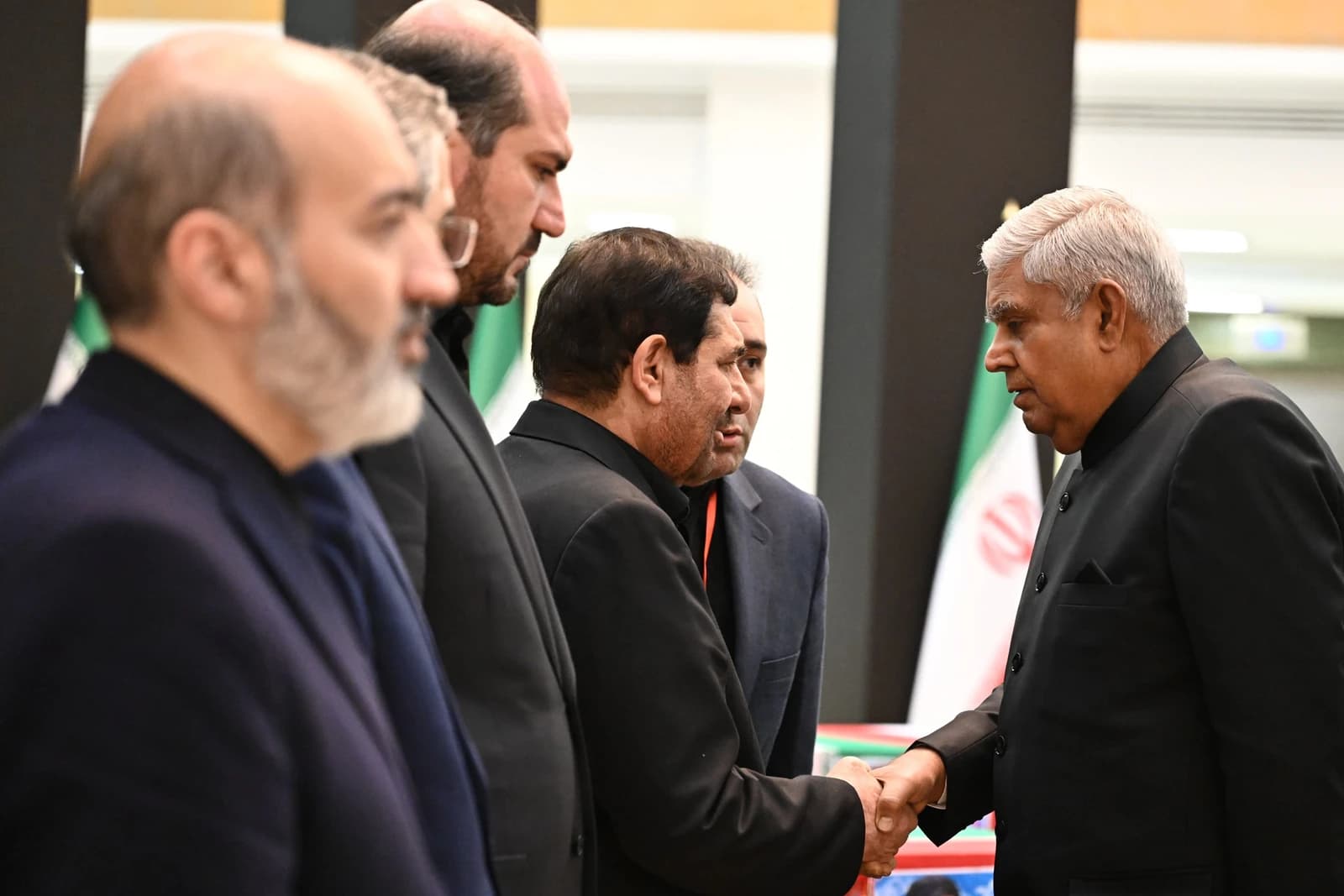
The message, delivered in Moscow by senior Iranian security official Mohsen Rezaei, underscores how Iran is leaning more heavily on Russia as diplomatic channels with the United States stall. For markets, the significance is less about the undisclosed contents of the note than about what it signals: Tehran is keeping major-power coordination alive while refusing to soften its own demands, including over the future of the Strait of Hormuz, sanctions relief and any return to nuclear talks.
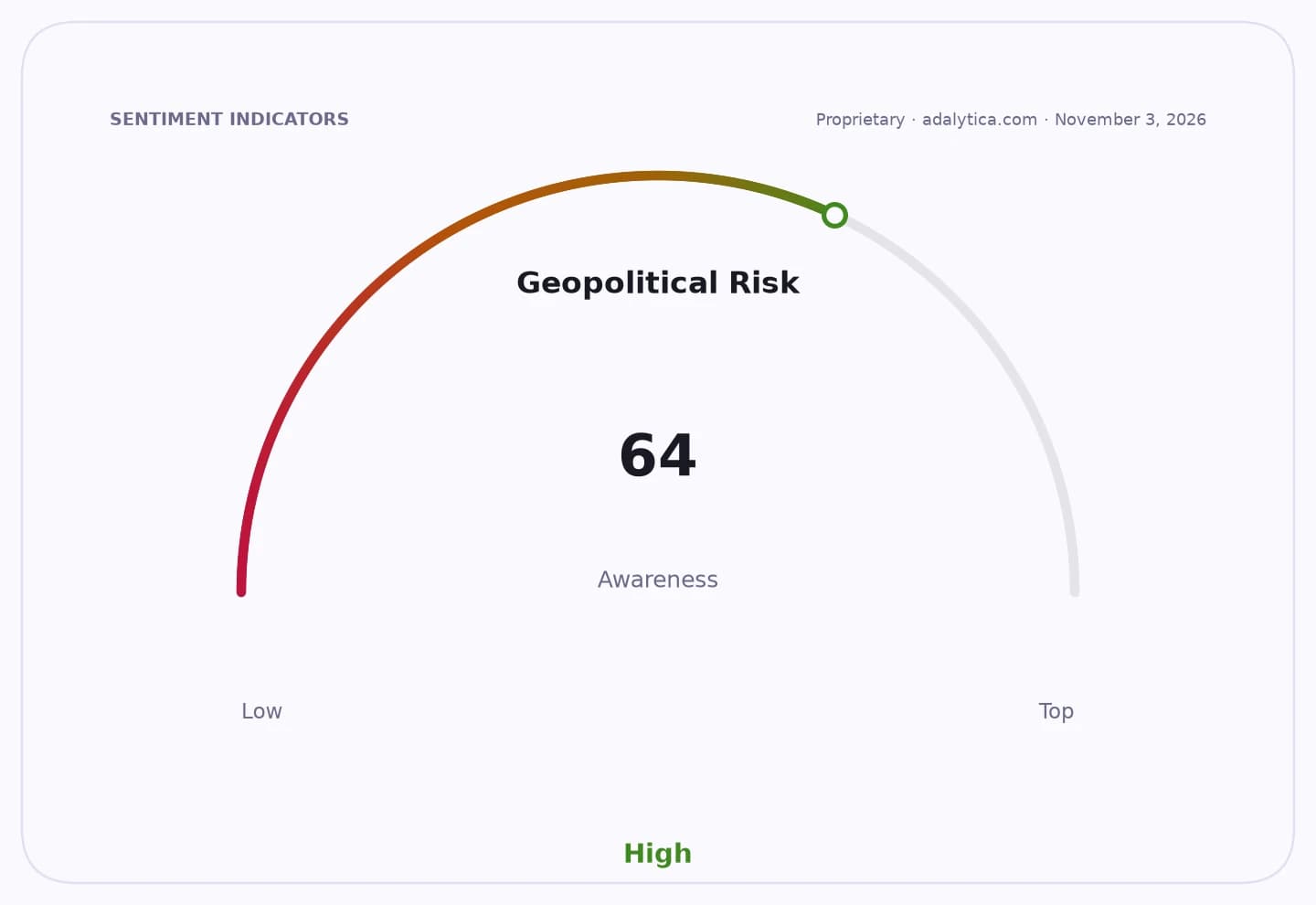
Sentiment Indicators
Rezaei said the two sides discussed regional security, post-conflict arrangements in the Middle East and the prospect of ending the Iran-US confrontation, but Tehran reiterated that it would not reopen Hormuz or resume negotiations unless Washington meets seven conditions. That keeps the risk premium attached to Gulf shipping and energy flows elevated, even if no immediate escalation follows.
The timing matters because Iran is seeking diplomatic leverage while also broadening its strategic alignment with Russia. The meeting also covered energy cooperation, including a planned gas pipeline from Russia to Iran. If advanced, such a project would help Tehran address domestic gas shortages and could give Moscow another route to move energy through neighboring markets, deepening a partnership forged under Western sanctions.
For investors, the immediate read-through is to energy and geopolitical risk. Oil has already been trading with elevated volatility, and the WTI-linked USO fund remains under pressure in technical terms, with its price below the 50-day moving average and relative strength readings still weak after a recent selloff. That suggests the market is not pricing in an acute supply shock, but it is still vulnerable to headlines that threaten Hormuz, where any disruption would ripple through crude, freight and broader risk assets.
The broader macro backdrop is one of fragmented diplomacy and persistent sanctions risk. Iran is signaling that it wants Russian backing while maintaining a hard line toward Washington, which raises the odds that any de-escalation will be slow, conditional and vulnerable to reversal. For equity investors, that means the path for global risk appetite, energy-sensitive sectors and emerging-market exposure remains tied to the diplomacy gap between Tehran and Washington as much as to the details of any one message sent to the Kremlin.
| Entity | Gains | Losses |
|---|---|---|
| Iran | ▲Russian support; bargaining leverage | ▼Near-term diplomatic flexibility |
| Russia | ▲Energy influence; Middle East reach | ▼Exposure to regional escalation |
| Oil bulls | ▲Geopolitical risk premium | ▼Supply-demand clarity |
| Global importers | ▲None | ▼Higher shipping and crude risk |