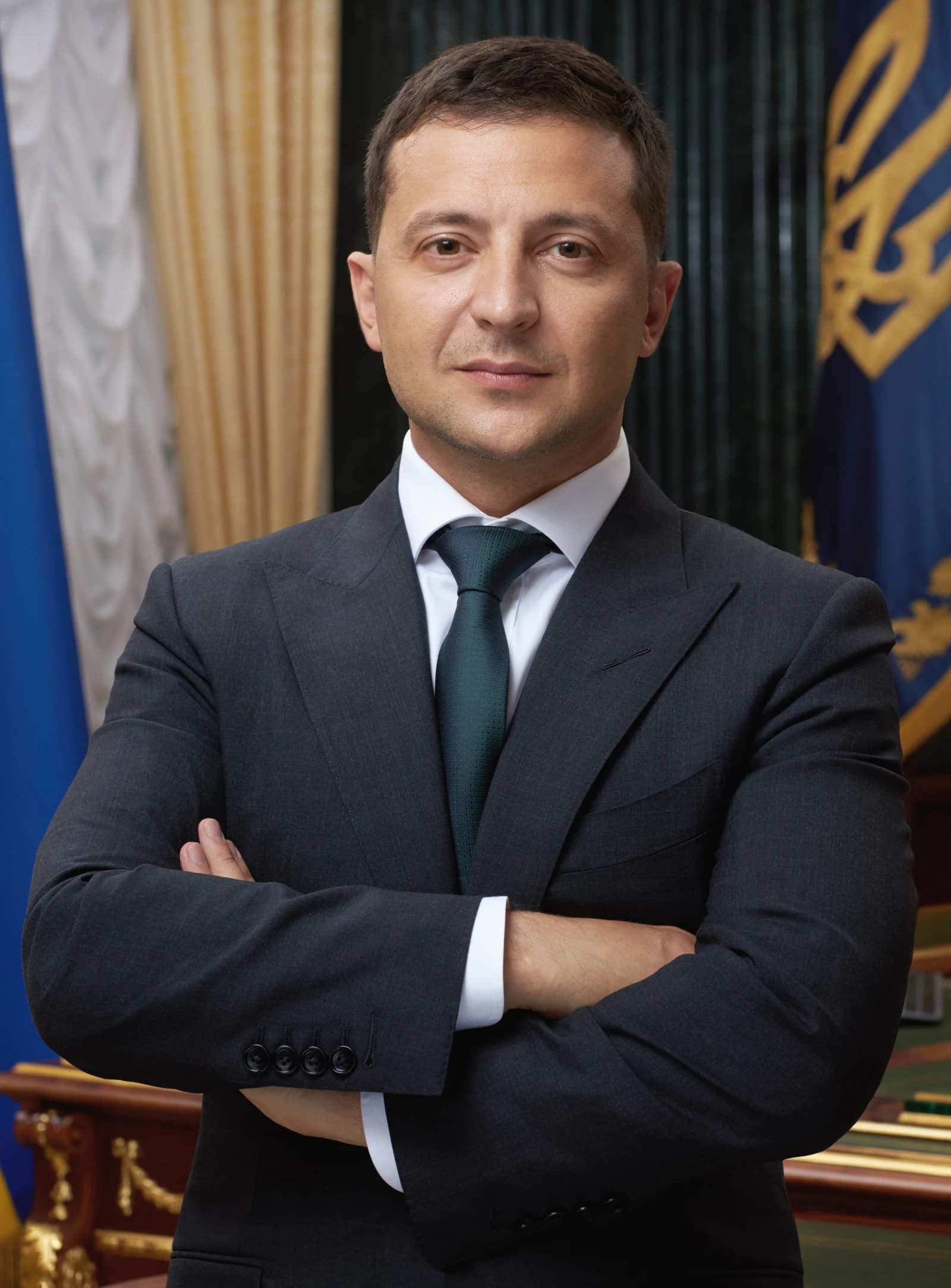
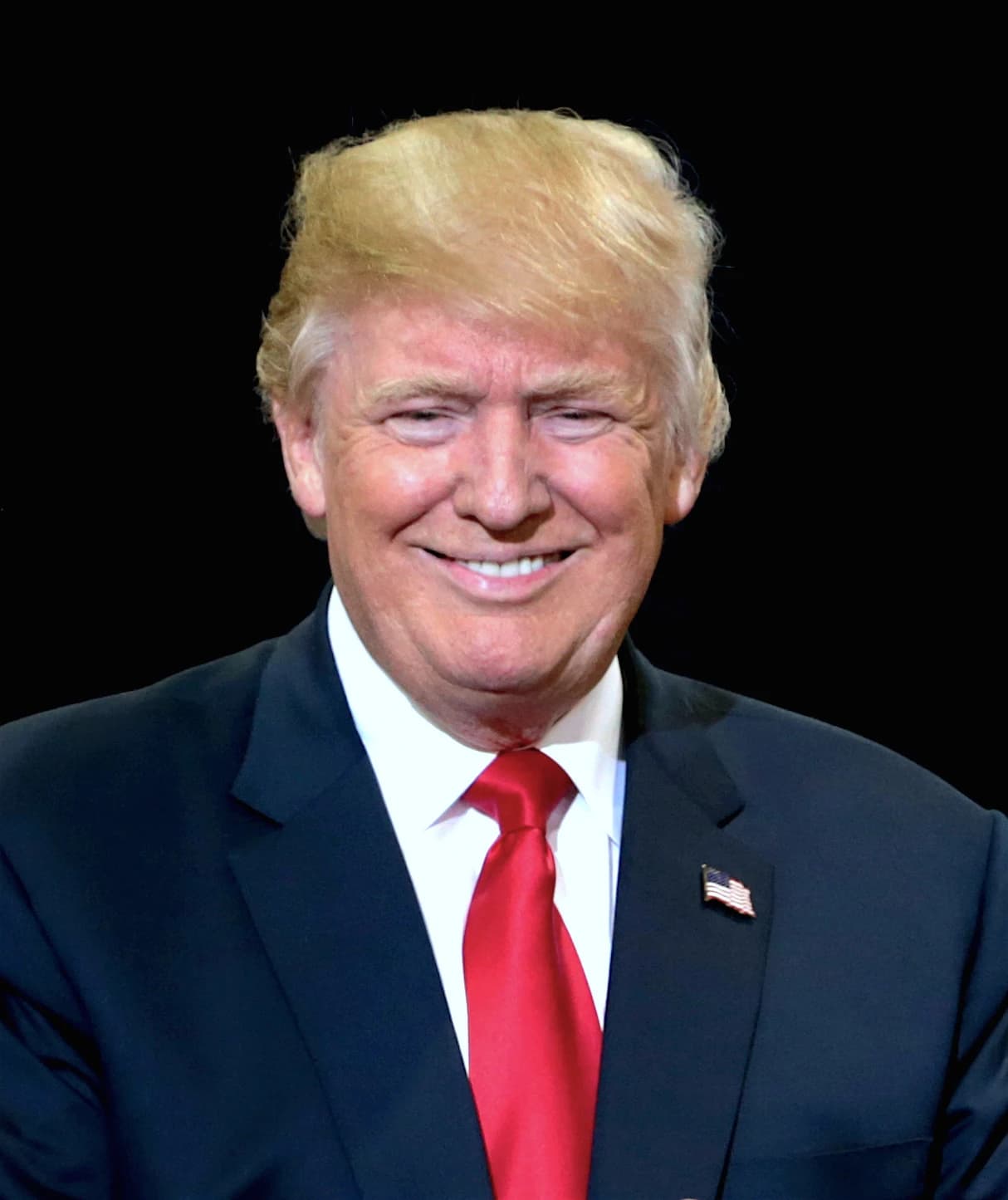
Russia says it expects President Donald Trump to keep pushing his foreign policy agenda after the U.S. midterm elections, a view that suggests Moscow sees little near-term chance of a harder American line on Ukraine or sanctions.
Russia expects Trump to keep pushing Ukraine talks
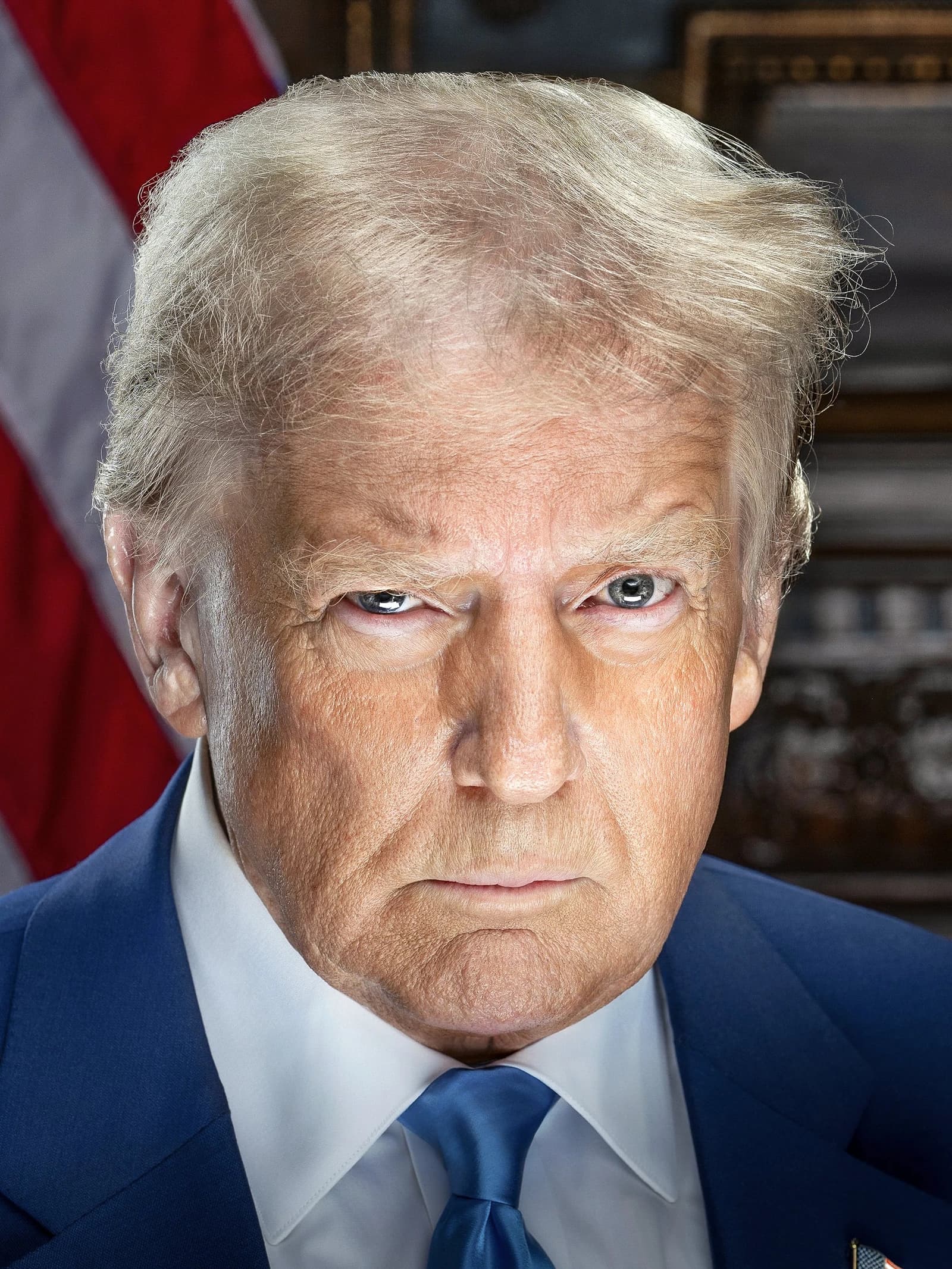
Kremlin spokesman Dmitry Peskov said on Nov. 5 that Trump would continue using presidential powers to pursue foreign policy regardless of the election outcome, adding that Russia hoped he would press ahead with “peace-making” efforts. Peskov also said progress had been made and that a trilateral round of talks involving Russia, the U.S. and Ukraine would take place soon.
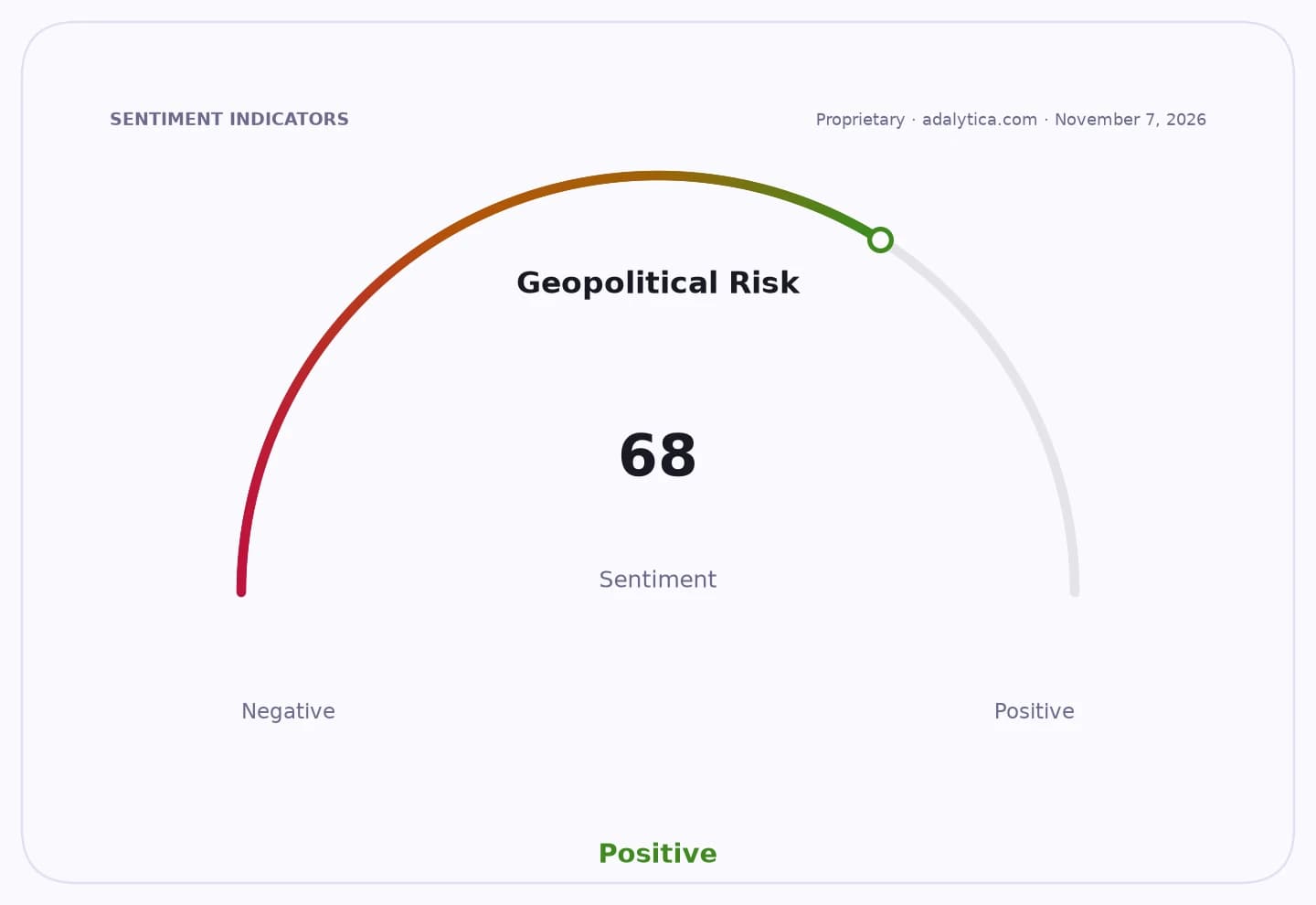
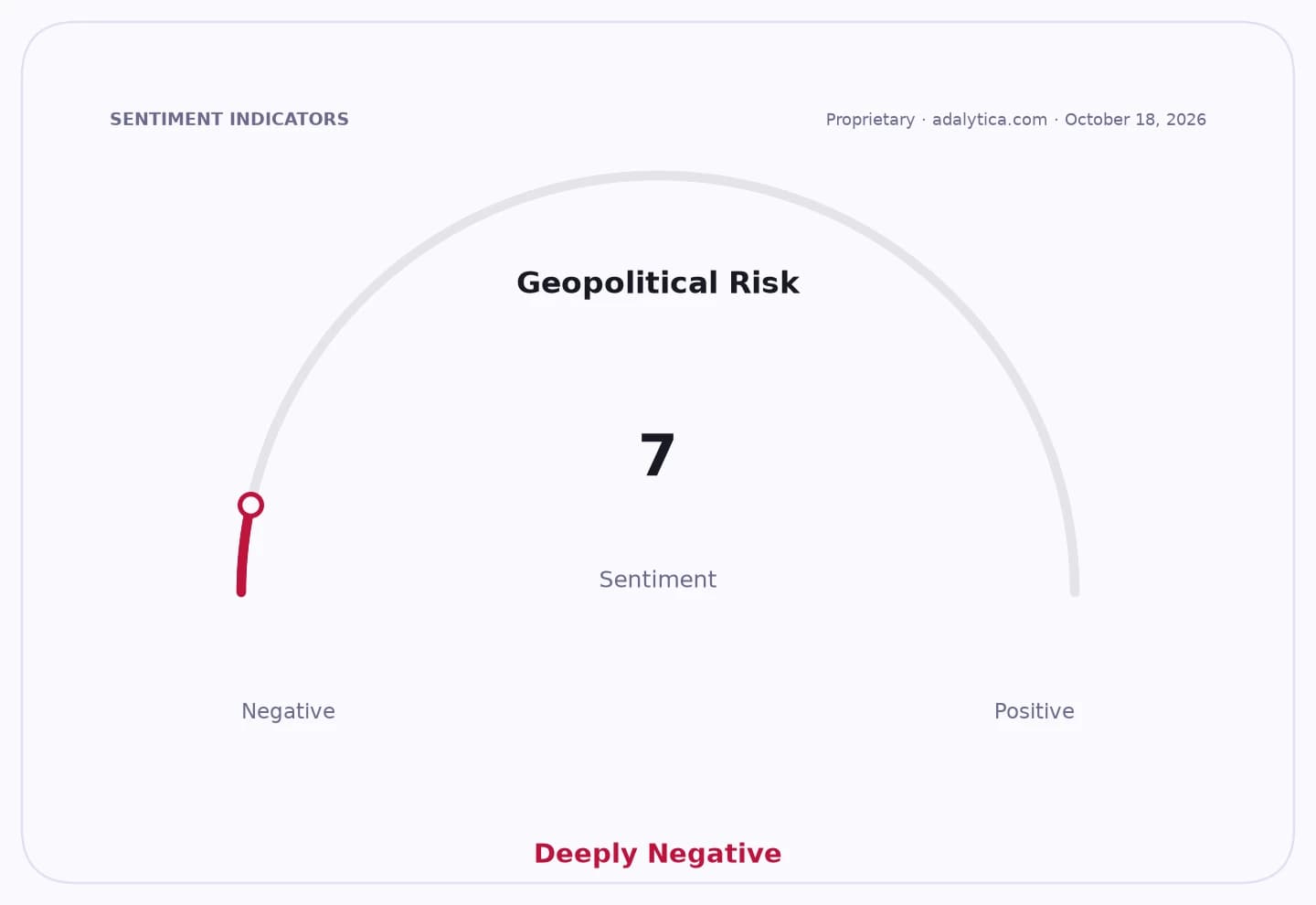
Sentiment Indicators
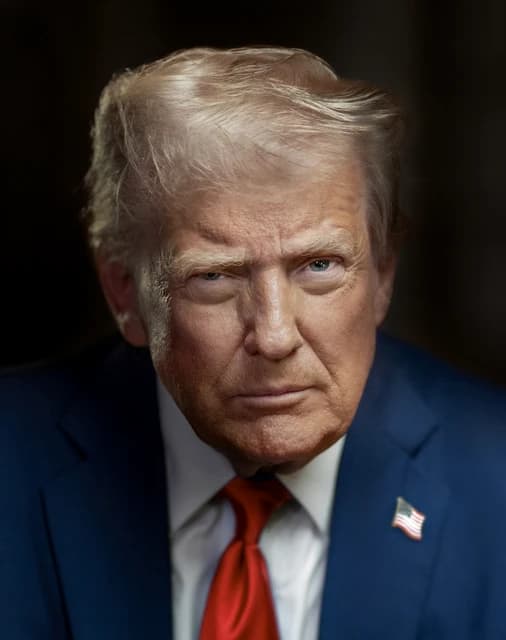
The comments matter because they frame Russia’s calculations around Washington as talks intensify over Ukraine’s postwar security architecture. If Moscow believes the White House’s approach will not materially change after the vote, it has less incentive to wait for a political reset and more reason to test the current diplomatic channel.
That message was reinforced by Dmitry Medvedev, deputy chairman of Russia’s Security Council, who said a Democratic win in the midterms would likely have no meaningful impact on Russia’s core interests. He said Moscow is mainly focused on the war in Ukraine and sanctions, two issues investors continue to watch for any signs of escalation, relief or a negotiated pause.
The talks themselves are becoming more concrete. U.S. envoys Steve Witkoff and Jared Kushner have outlined topics for a Nov. 10-11 meeting in Abu Dhabi, including post-conflict security guarantees, de-escalation measures, humanitarian issues and next steps toward peace. Kushner said the U.S. wants not only to end the conflict but also to build a security structure that prevents it from restarting, while Witkoff is said to have sent Russia a document outlining U.S. proposals for the postwar period.
For investors, the key issue is not the politics of the midterms but whether diplomatic progress can narrow the geopolitical risk premium across energy, defense and safe-haven assets. Any sign that talks are producing a credible path toward de-escalation could weigh on oil and support risk appetite, while failure or renewed tensions would keep pressure on markets already sensitive to sanctions and supply shocks.
Adalytica’s Global Stability Sentiment gauge shows “Extreme Greed” at 86, while its U.S. White House Policy Direction Sentiment reads 82, reflecting high market attention to policy shifts. Brent-linked exposure remains central, with USO trading around $148.41 on Nov. 6, below its 50-day moving average of $152.22, even as the broader backdrop stays tied to whether Washington and Moscow can translate diplomacy into an enforceable framework.
The next catalyst is the Abu Dhabi meeting, where the substance of U.S. proposals and Russia’s response will determine whether this is a serious negotiation track or simply another round of signaling.
| Entity | Gains | Losses |
|---|---|---|
| Russia | ▲Diplomatic leverage | ▼Pressure from sanctions |
| Trump White House | ▲Foreign policy continuity | ▼Midterm political noise |
| Ukraine peace talks | ▲Negotiation momentum | ▼Risk of stalemate |
| Energy markets | ▲Lower risk premium if talks progress | ▼Higher volatility if talks fail |