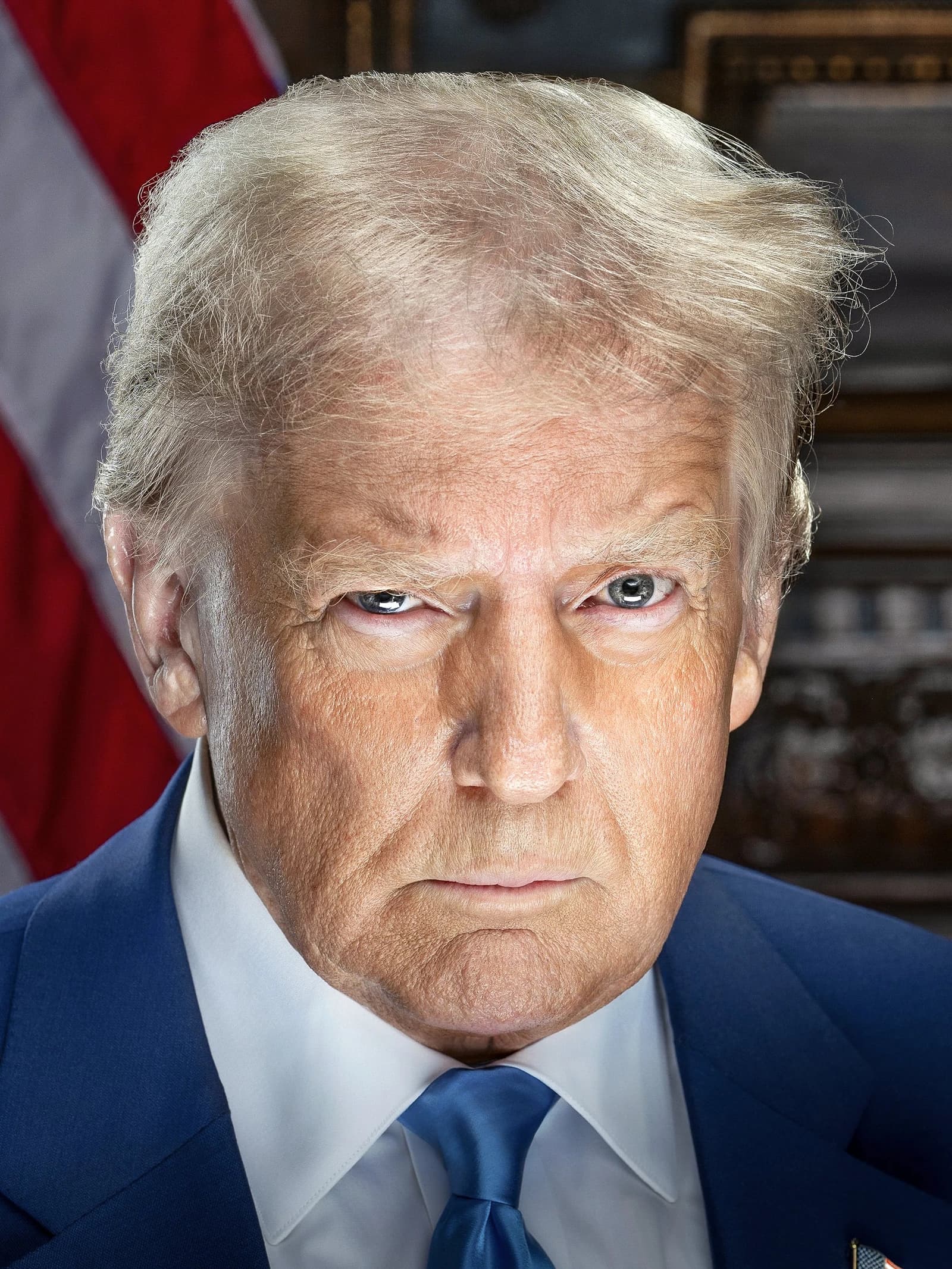
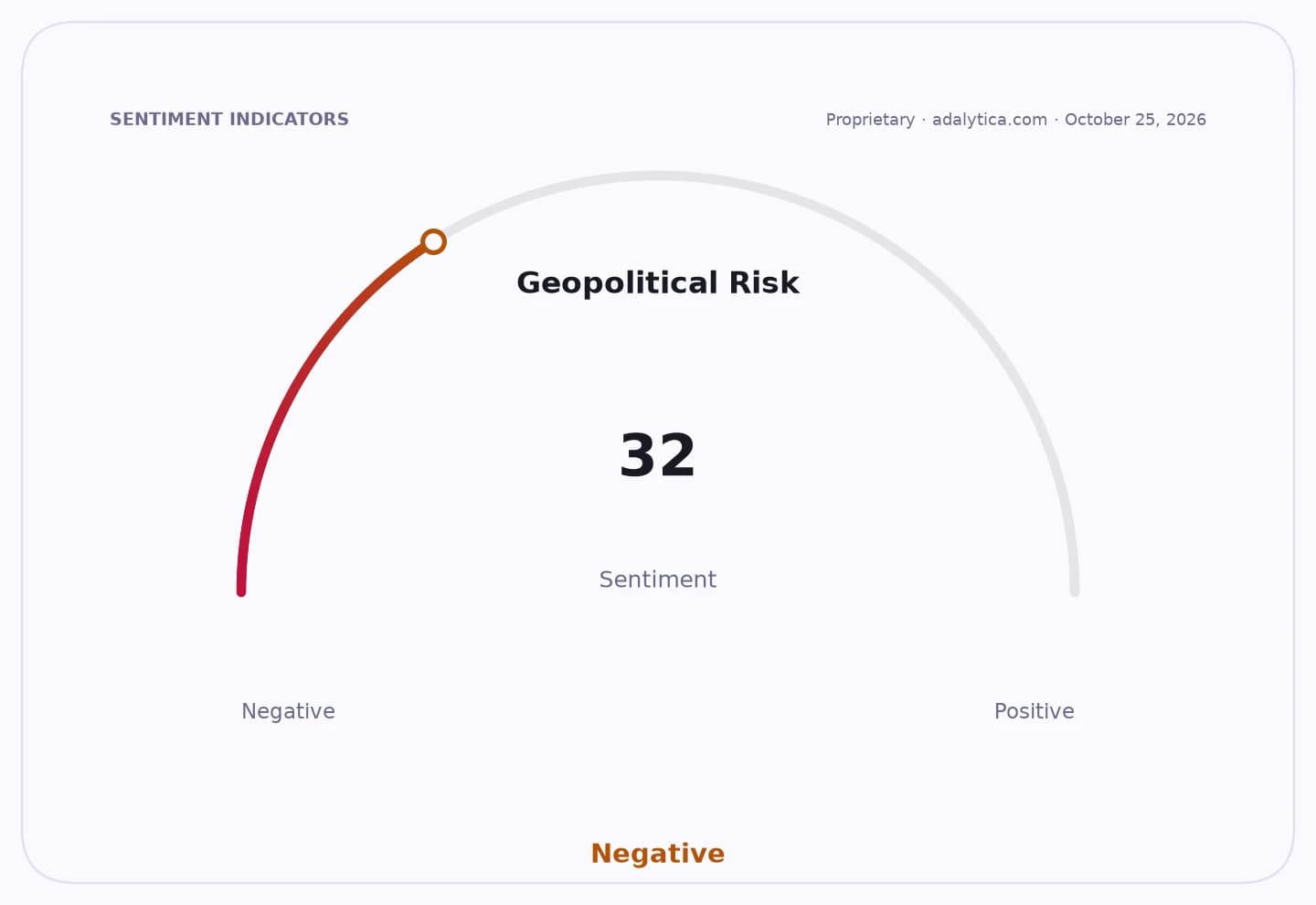
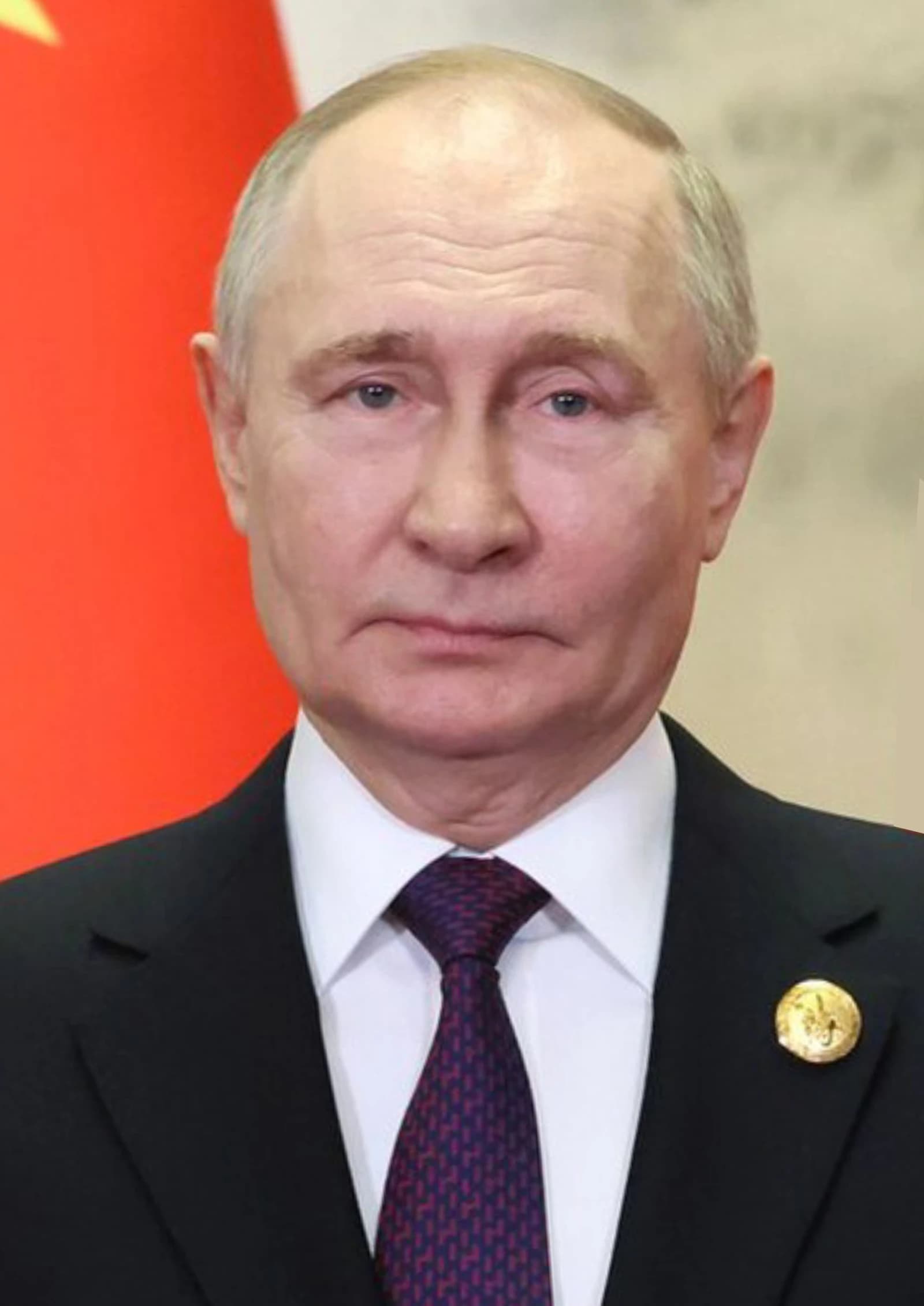
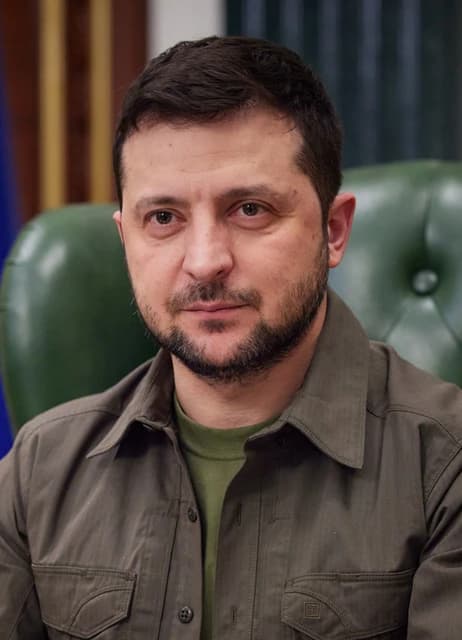
Ukraine’s push to restart negotiations with Russia is gathering pace as President Volodymyr Zelensky discussed preparations with U.S. envoys Steve Witkoff and Jared Kushner ahead of planned trilateral talks in Abu Dhabi, a development that could reshape risk assets if it leads to even a limited de-escalation.
Ukraine peace talks and market implications
The significance goes well beyond diplomacy. Any credible path to talks would matter for energy markets, European growth, defense spending expectations and the euro, which has been trading in a relatively tight $1.12 to $1.13 range on recent sessions. A breakthrough would likely ease the geopolitical premium that has kept crude, gold and parts of the defense complex under scrutiny, while failure would reinforce a market backdrop of intermittent war risk and policy uncertainty.
Sentiment Indicators
The euro’s recent price action suggests investors are not yet pricing in a decisive peace dividend. EUR/USD finished the latest session at 1.12, below its 50-day moving average of about 1.14 and under its 200-day average near 1.15, with the RSI at 50.5 and the MACD still slightly negative. That points to a market waiting for confirmation rather than betting aggressively on a settlement.
Gold, meanwhile, remains elevated even after backing off from earlier highs. GLD closed at $372.52, well above the lows seen in spring but still below its 50-day average of about $385 and its 200-day average near $411. The technical setup suggests caution rather than panic, with momentum improving from October’s selloff but not yet signaling a clean reversal. If talks in Abu Dhabi reduce tail risk, safe-haven demand could cool further. If they falter, gold would likely retain support.
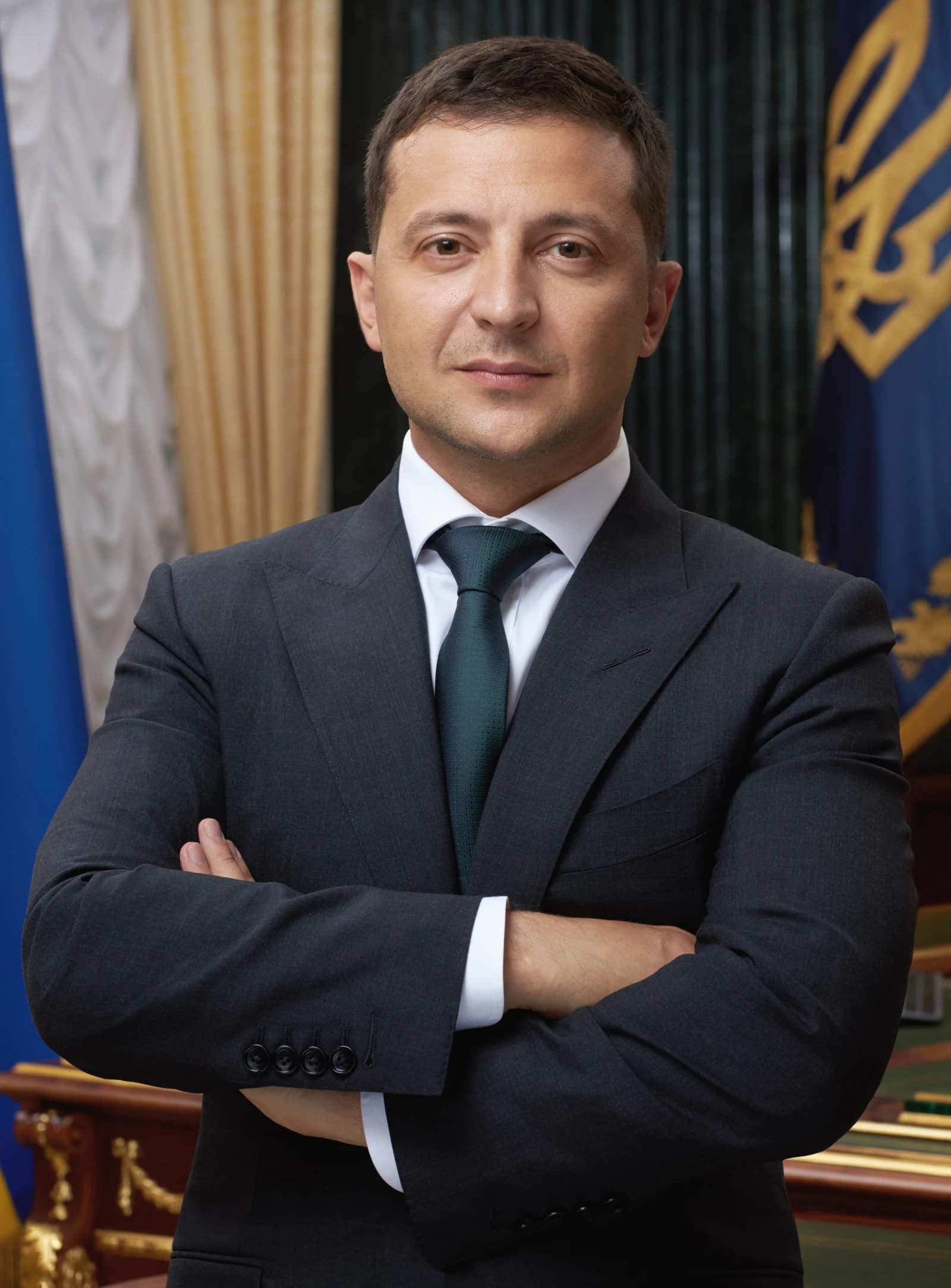
Geopolitical Risk — 30-day sentimentadalytica.com
Explore this data interactively — full history, time series and cross-market comparisons.
Oil is the clearest immediate geopolitical barometer. USO was last at $148.41, down from earlier peaks but still far above its long-run levels, and below its 50-day moving average of roughly $152. The fund’s RSI near 38 and a still-positive but fading MACD show a market that has already priced in some easing in conflict risk. Any concrete diplomatic progress could pressure crude further by trimming the risk premium tied to supply disruptions and shipping insecurity.
For investors, the key question is whether this is a substantive negotiation track or another round of signaling. A real process would favor European assets, exporters exposed to lower energy costs and some cyclicals that have been held back by war-related uncertainty. It would also be a relative headwind for defense shares and commodities that benefit from prolonged instability. If the meeting produces no tangible framework, markets are likely to revert to trading the conflict as a persistent background risk rather than a resolved one.
The broader backdrop still argues for caution. The talks are unfolding against continuing cross-border attacks and deep disagreements over terms, participants and Russia’s demands. But the fact that Zelensky is engaging Witkoff and Kushner before the Abu Dhabi meetings suggests the diplomatic channel is active, and investors will watch closely for any sign that the process can move from symbolism to substance.
| Entity | Gains | Losses |
|---|---|---|
| Ukraine peace talks | ▲Lower war premium | ▼Skeptics if talks stall |
| EUR/USD | ▲Potential euro support | ▼Dollar bulls if talks fail |
| Gold (GLD) | ▲Safe-haven demand if risk rises | ▼Bullion holders if de-escalation advances |
| Oil (USO) | ▲Volatility traders if talks collapse | ▼Energy longs if risk premium fades |