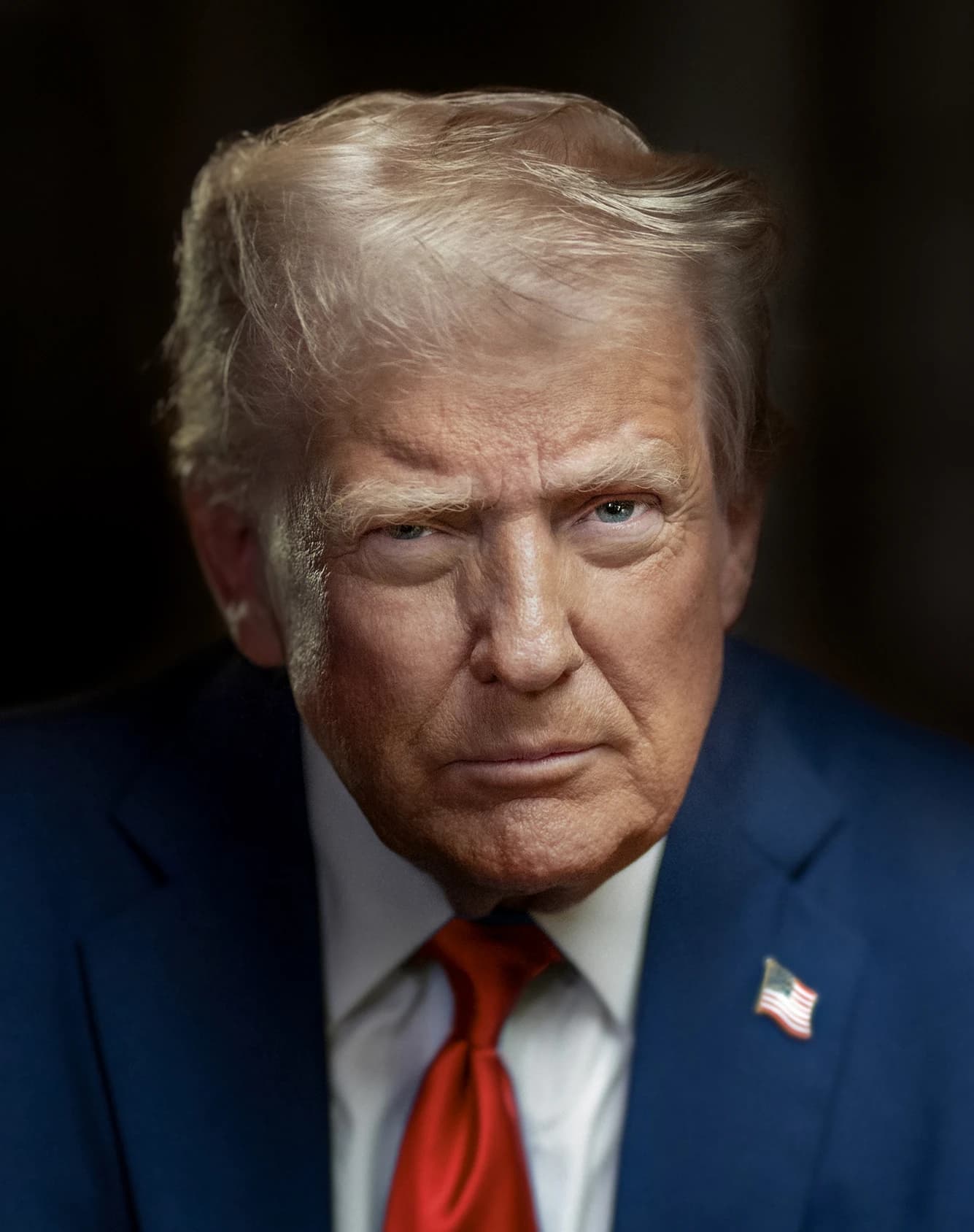
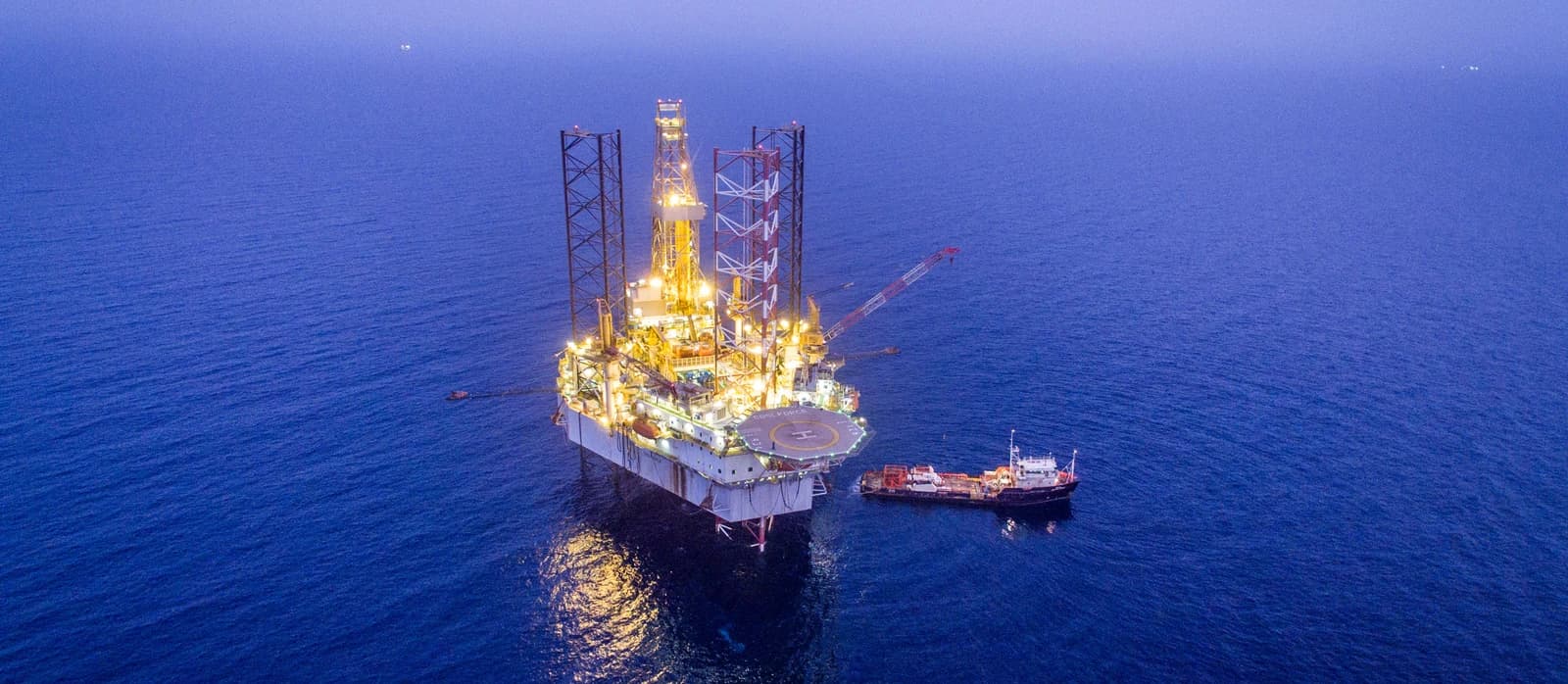
President Isaac Herzog’s call in Budapest for an “alliance of freedom-loving nations” to confront Iran lands at a moment when investors are already pricing in a sharper geopolitical premium on energy and global risk assets.
Herzog Iran Remarks Lift Oil and Energy Stocks
The Israeli president’s stop in Hungary underscores how the confrontation with Tehran is widening from a bilateral security dispute into a broader diplomatic campaign to rally European support against Iran’s regional reach. That matters economically because any extension of the conflict raises the odds of disrupted shipping, higher energy costs and a fresh squeeze on inflation at a time when markets are highly sensitive to supply shocks.
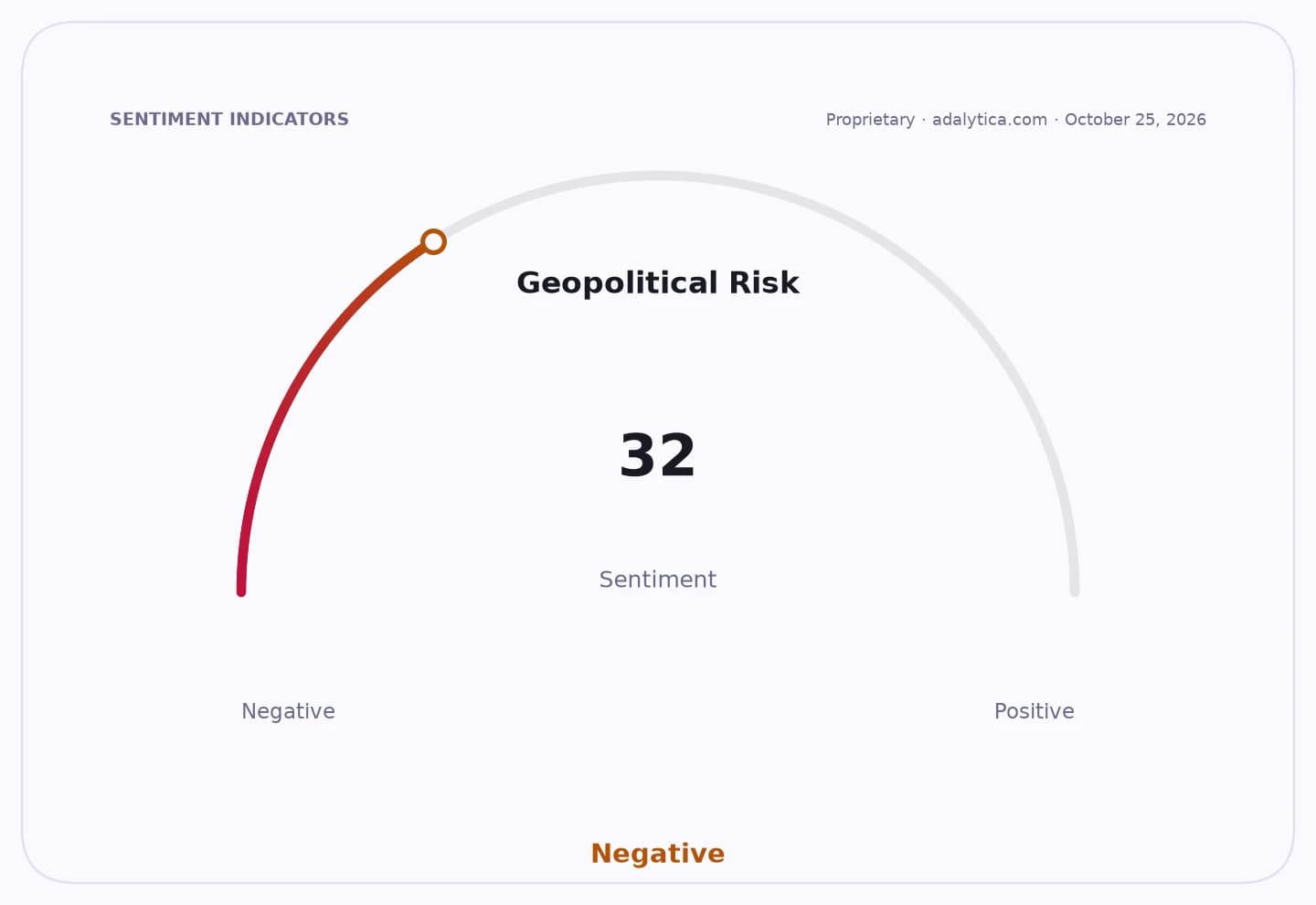
Sentiment IndicatorsⓘProprietary · adalytica.com · October 25, 2026
This is a snapshot — live sentiment, awareness and momentum for 130+ markets update continuously in the dashboard.Open AlphaPulse
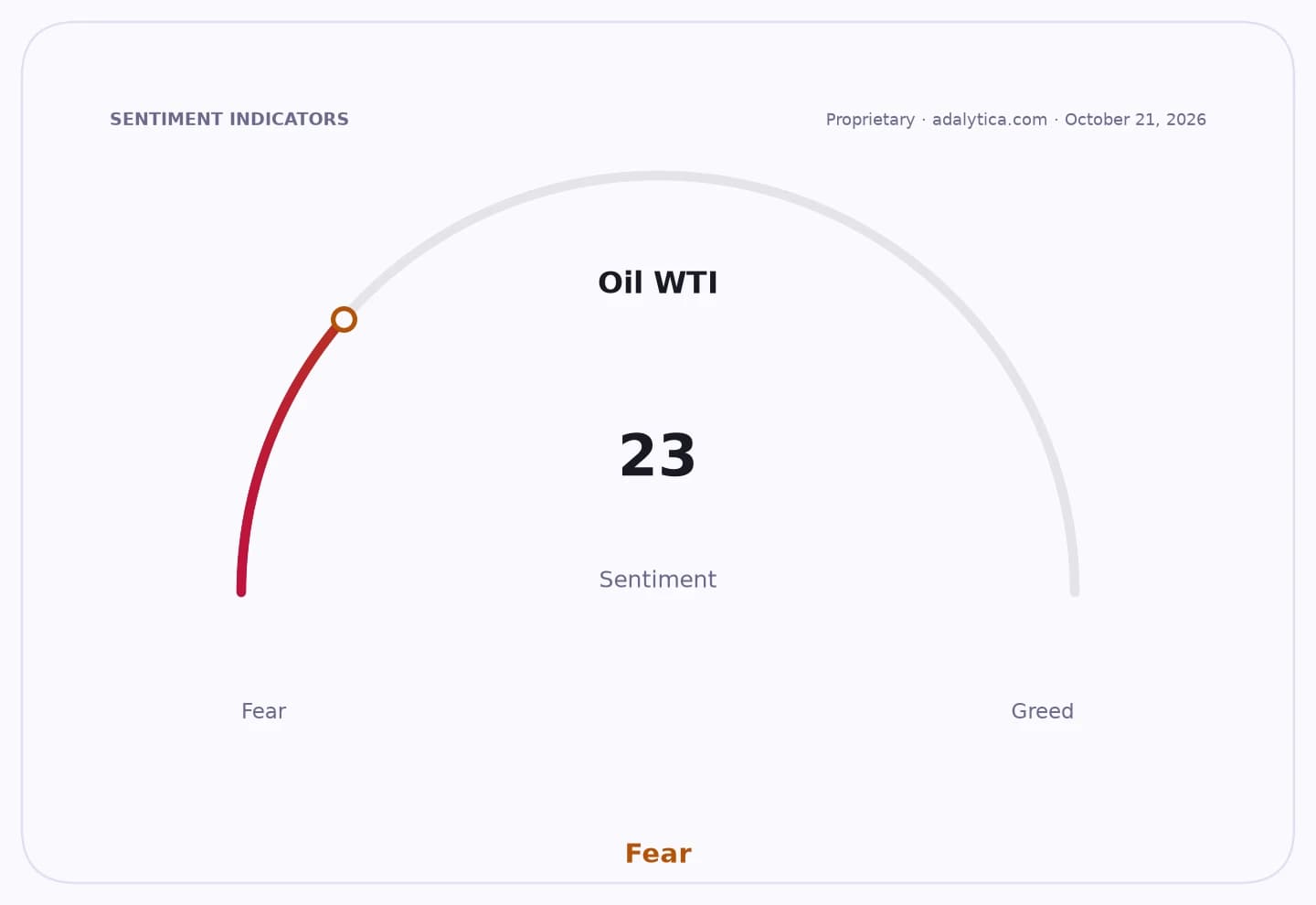
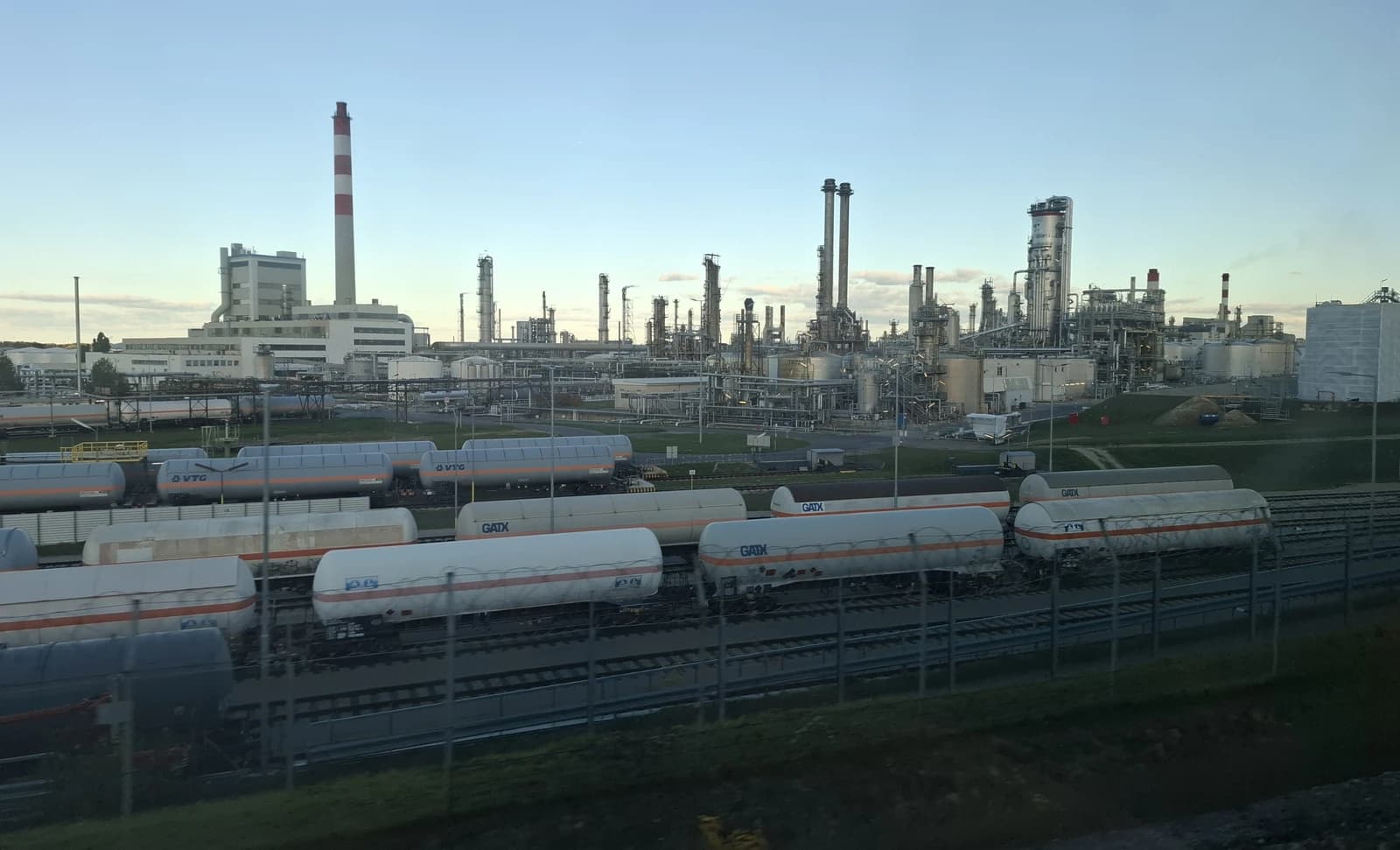
Oil has already been one of the clearest transmission channels. Brent-linked crude futures have pushed back above $100 a barrel in recent trading, with front-month WTI closing at $103.27 on Oct. 23 after a volatile run that has taken the contract well above its 50-day average of roughly $93. The move has helped lift energy equities: the Energy Select Sector SPDR Fund, XLE, rose to $69.33, its highest level in months and well above both its 50-day and 200-day moving averages. The technical backdrop points to strong momentum, with the fund’s RSI in the mid-70s and price near the upper Bollinger Band, suggesting investors are still adding exposure to the group.
By contrast, long-duration Treasuries remain vulnerable if energy strength feeds through to inflation expectations. The iShares 20+ Year Treasury Bond ETF, TLT, has recovered to $81.34, but that is still below its 200-day moving average and only modestly above its 50-day line, a sign that the bond market has not fully priced a sustained de-escalation. A renewed spike in oil would likely keep pressure on duration, while supporting the dollar as a haven and as a beneficiary of tighter global financial conditions.
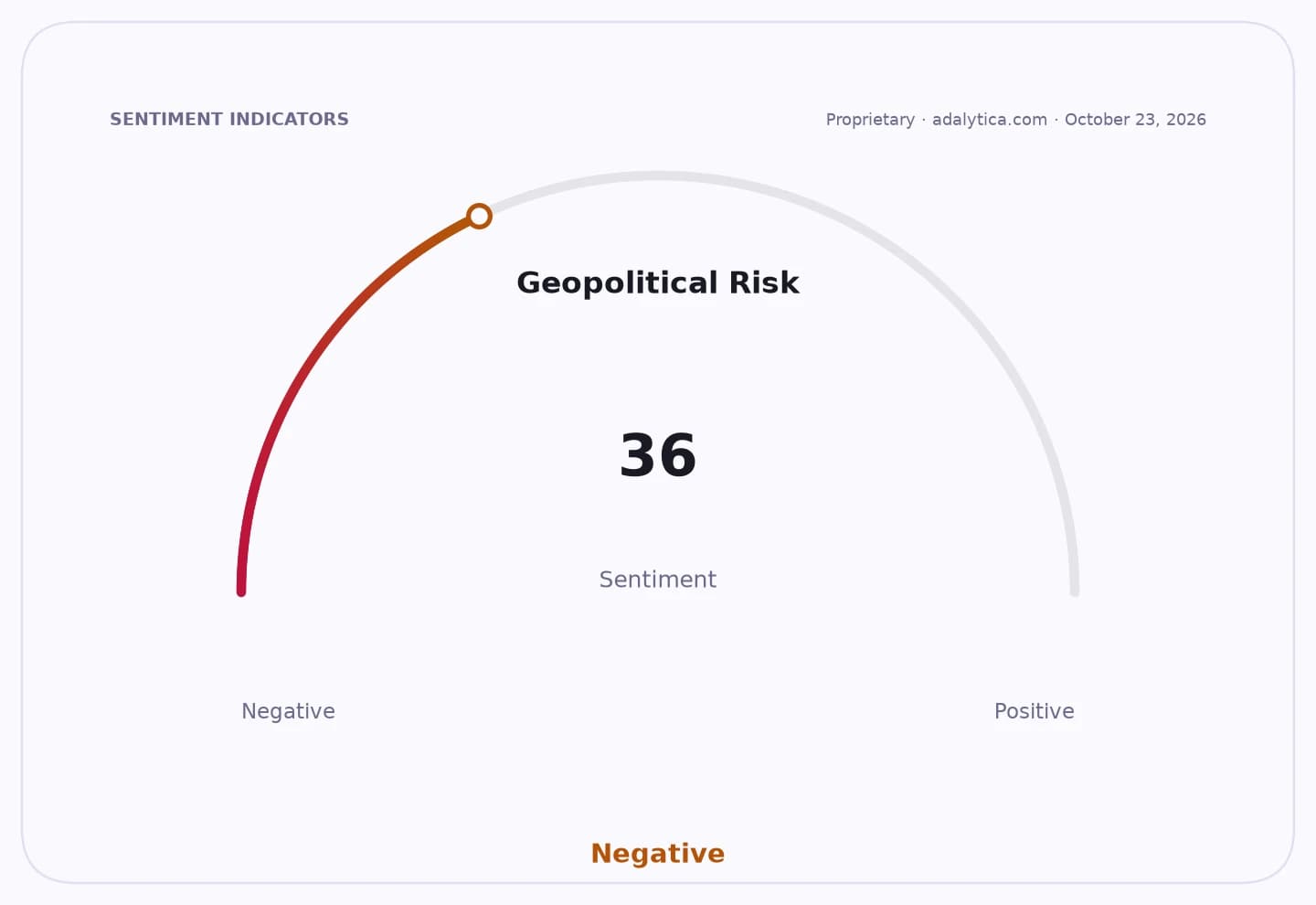
Geopolitical Risk — 30-day sentimentadalytica.com
Explore this data interactively — full history, time series and cross-market comparisons.Open AlphaPulse
The diplomatic dimension also matters for the shape of any eventual response. Hungary’s willingness to host Herzog and publicly back ties with Israel gives Jerusalem a visible European partner as it seeks to isolate Iran politically. But it also highlights the fragmented nature of Western policy: even as some governments condemn Tehran, others remain cautious about escalation and about the economic fallout from a wider confrontation in the Gulf.
Adalytica’s Global Stability Sentiment gauge points to a still-fragile backdrop, with the reading at 32 and “fear” awareness elevated, underscoring how quickly headlines around Iran can shift market positioning. For investors, the key question is whether the current oil rally reflects a temporary geopolitical risk premium or the start of a more durable repricing of supply risk across energy, inflation hedges and defense-related assets.
If tensions around Iran’s regional activity continue to intensify, energy producers and select defense names are likely to remain relative winners, while airlines, importers and duration-sensitive assets would be among the clearest losers. The next catalyst is whether diplomacy can slow the escalation around the Strait of Hormuz — or whether further attacks prompt a broader military response that keeps the market on edge.
| Entity | Gains | Losses |
|---|---|---|
| Oil producers | ▲Higher realized prices | ▼None from this move |
| XLE energy stocks | ▲Sector inflows | ▼Rate-sensitive sectors |
| TLT long-duration bonds | ▲Short-covering bounce | ▼Inflation expectations |
| Importers and consumers | ▲Temporary relief if tensions ease | ▼Higher fuel costs |