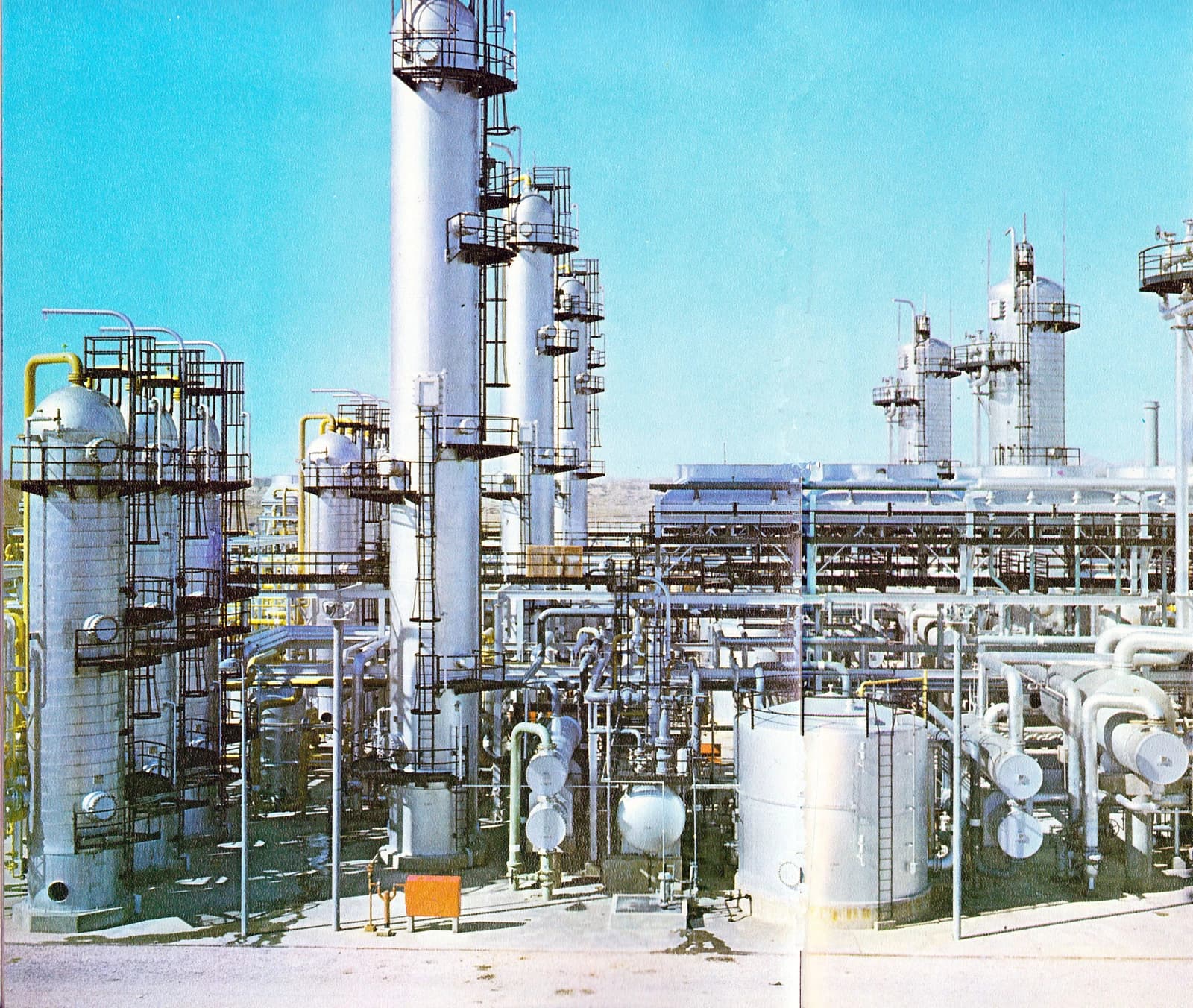
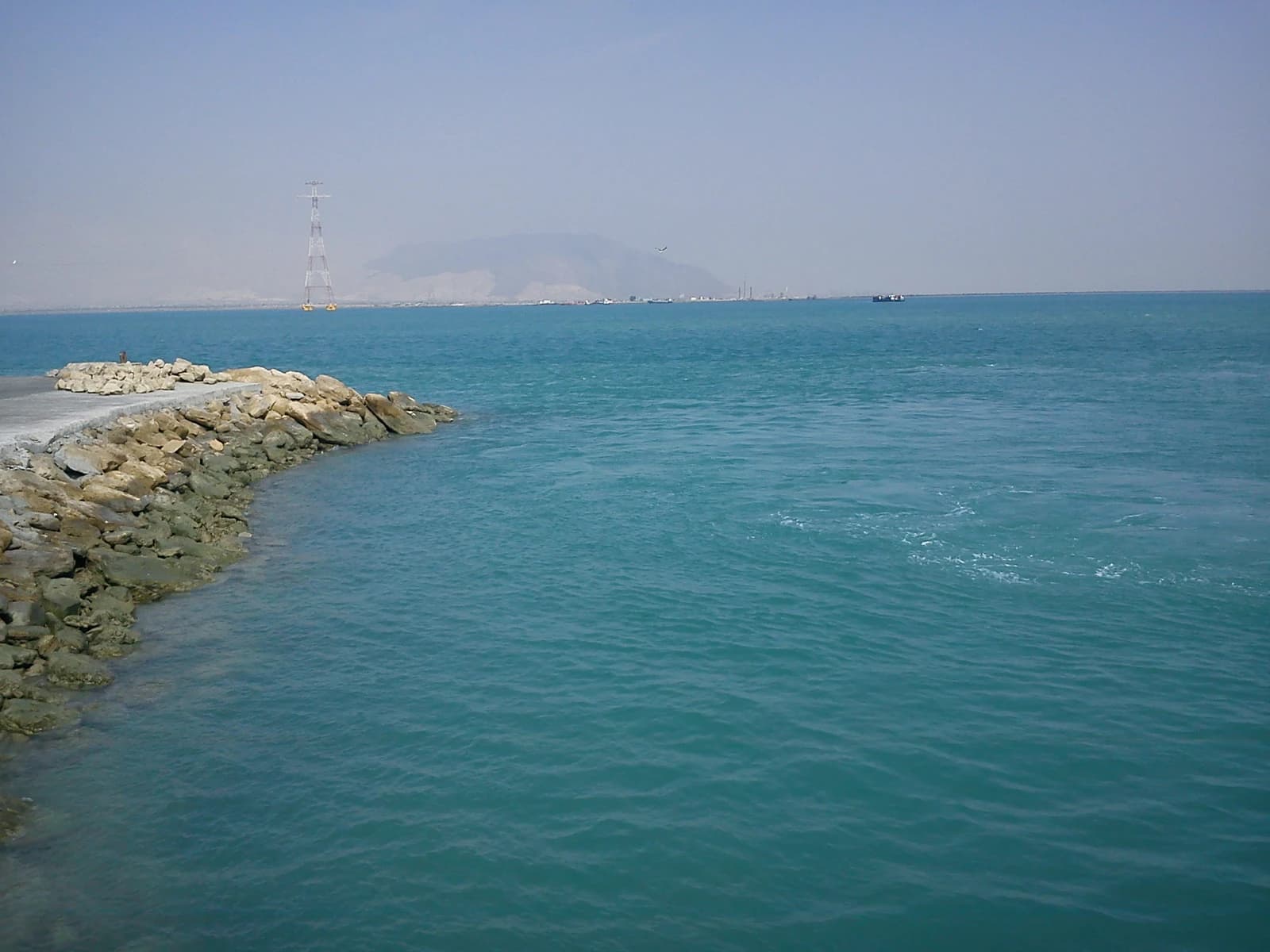
Iran has restored about half of the damaged production at South Pars, its biggest gas field, a partial recovery that matters because the field supplies the bulk of the country’s domestic gas demand just as the heating season approaches.
Iran South Pars repairs reach 50% after strike
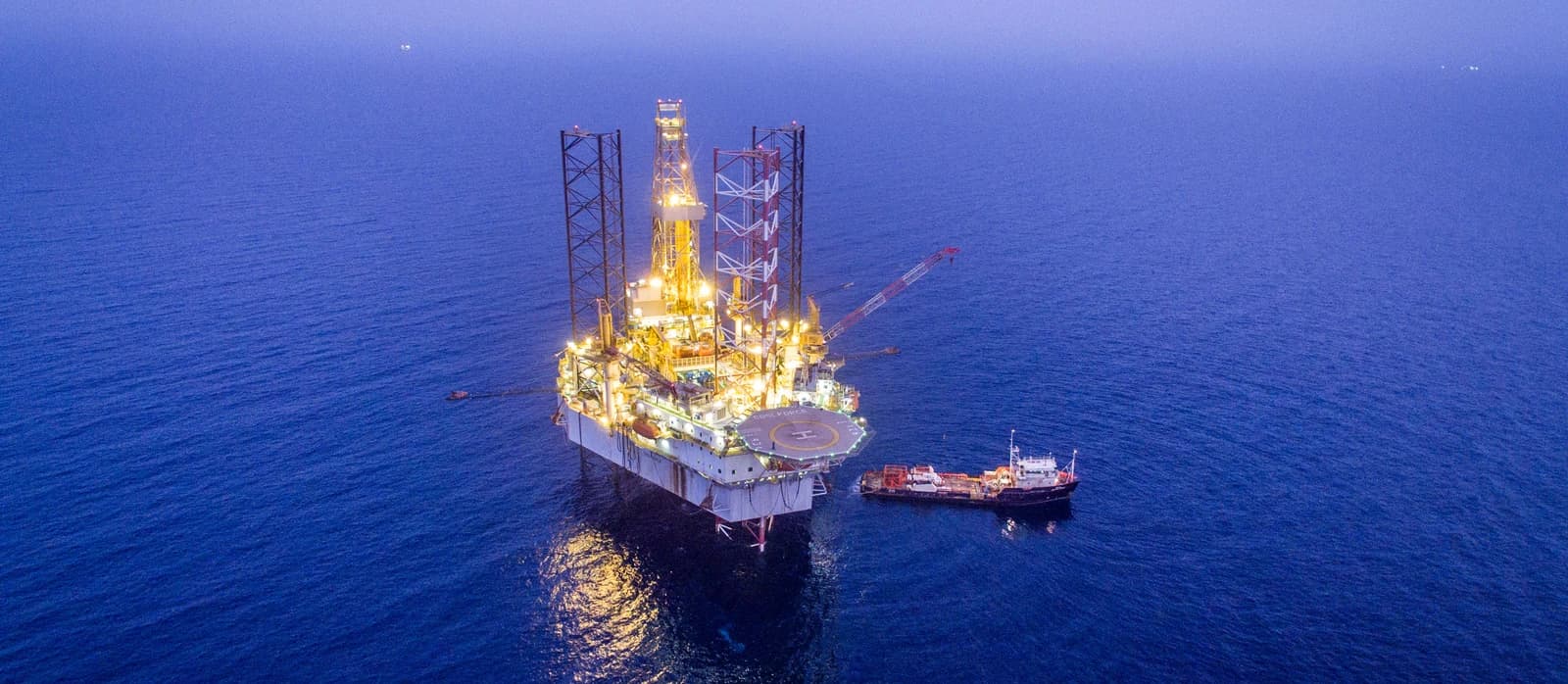
Deputy Oil Minister Ahmad Zeraatkar said the government had brought back roughly 50% of capacity damaged in an Israeli strike in March, up from about 40% at the end of August, and expects all planned restoration work to be finished before winter, according to the semi-official Fars news agency.
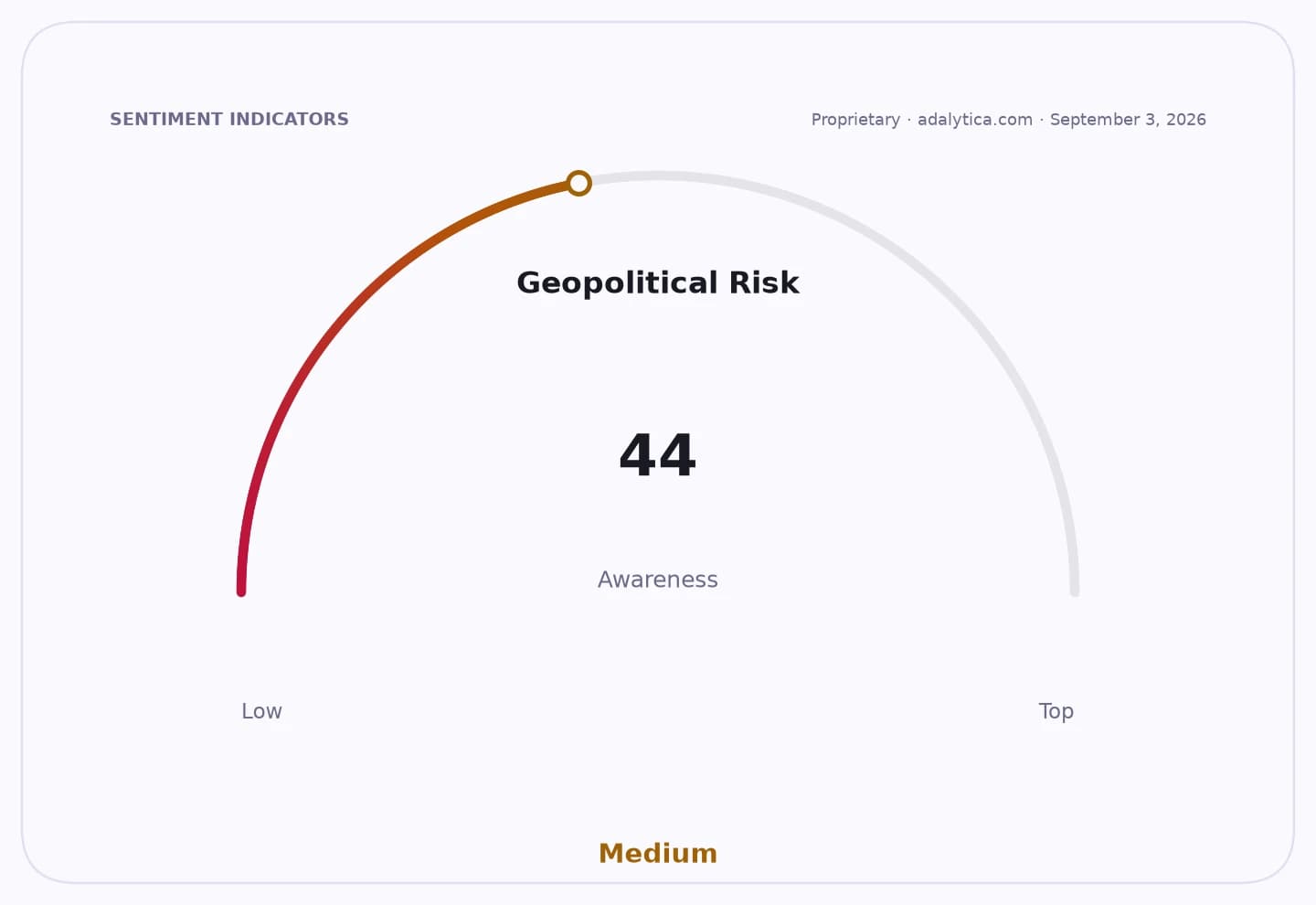
Sentiment IndicatorsⓘProprietary · adalytica.com · September 29, 2026
This is a snapshot — live sentiment, awareness and momentum for 130+ markets update continuously in the dashboard.Open AlphaPulse
That timeline is economically important for Tehran. South Pars is a cornerstone of Iran’s energy system and part of the world’s largest natural-gas reservoir. Any sustained disruption tightens domestic fuel balances, raises the risk of winter shortages and can force Iran to lean harder on other fuels for power generation and industry. Because most of South Pars output is consumed at home rather than exported, the immediate impact is less about global LNG supply and more about Iran’s internal energy security, electricity reliability and industrial output.
The restoration also carries geopolitical weight. The March strike, carried out by Israel in coordination with the United States, showed that Iran’s energy infrastructure is now part of the broader regional confrontation. Even a partial recovery reduces the near-term pressure on Tehran, but it does not erase the vulnerability of one of its most strategic assets.
For markets, the direct effect on benchmark prices is likely to be limited. WTI crude was trading around $96 to $101 a barrel in recent days, while US gas futures have been volatile, with UNG and natural-gas benchmarks still reacting more to North American weather, storage and broader risk appetite than to Iranian supply. Still, the episode reinforces a familiar investment theme: Middle East infrastructure risk can quickly filter into energy equities, commodity sentiment and inflation expectations, even when the physical disruption is mainly local.
The broader implication is that Iran is working to stabilize a critical domestic system before peak winter demand, but it remains exposed to renewed attacks and sanctions-related constraints on investment and maintenance. For investors, the key question is whether the repair effort meaningfully lowers the risk of a broader energy shock inside Iran, or whether the field’s fragility keeps geopolitical risk premium embedded in oil and gas markets.
| Entity | Gains | Losses |
|---|---|---|
| Iran government | ▲Reduces winter shortage risk | ▼Still faces infrastructure fragility |
| Iranian households and industry | ▲More reliable gas supply | ▼Continued exposure to outages |
| Oil and gas bulls | ▲Geopolitical risk premium supported | ▼No major supply boost from Iran |
| Israel and US pressure campaign | ▲Demonstrates leverage over Iran | ▼Iran’s partial recovery blunts damage |