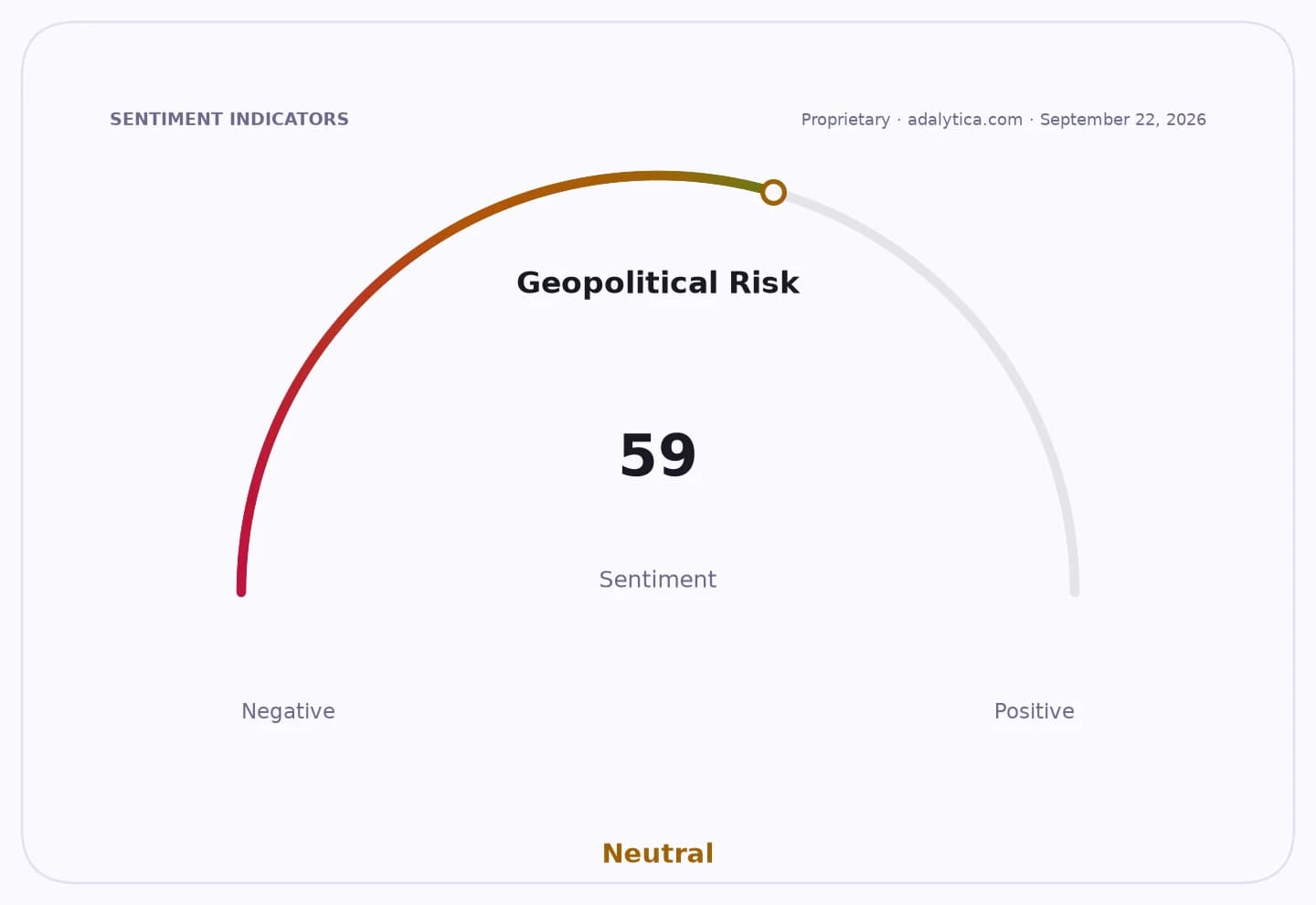
Iran’s ability to keep trading with Russia and China is cushioning the blow from Washington’s sanctions campaign, giving Tehran economic alternatives even as the United States tightens the screws on Iranian financial and aviation networks.
Iran trade with Russia and China cushions sanctions

That matters because sanctions only bite when they isolate a target from major trade, payment and energy channels. If Moscow and Beijing continue to ignore Western enforcement efforts, Iran can keep importing goods, moving money and sustaining at least part of its economy without relying on the dollar system. For investors, that weakens the odds that US pressure alone will force a rapid economic break in Tehran, and it keeps geopolitical risk embedded in oil, shipping and safe-haven assets.
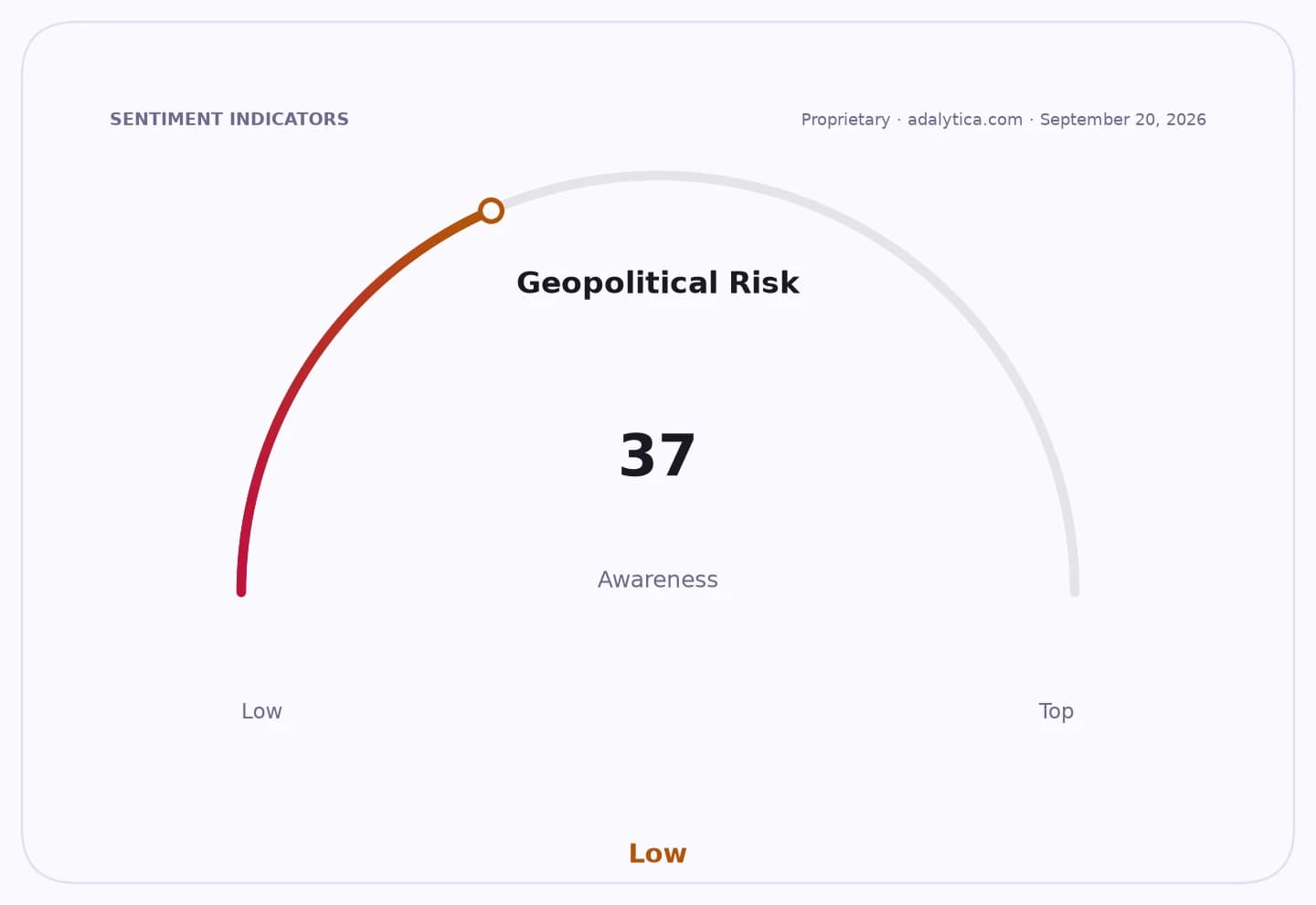
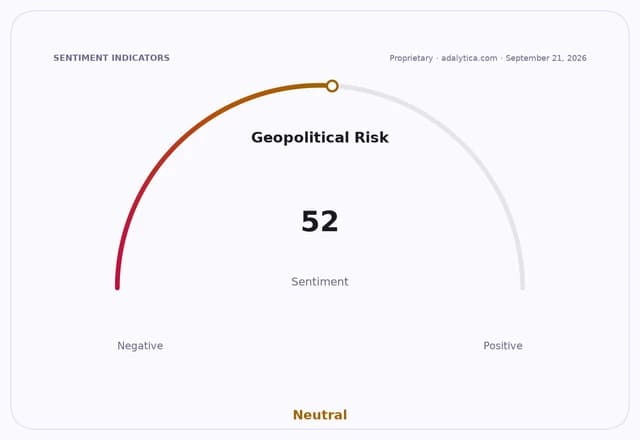
Sentiment IndicatorsⓘProprietary · adalytica.com · September 21, 2026
This is a snapshot — live sentiment, awareness and momentum for 130+ markets update continuously in the dashboard.Open AlphaPulse
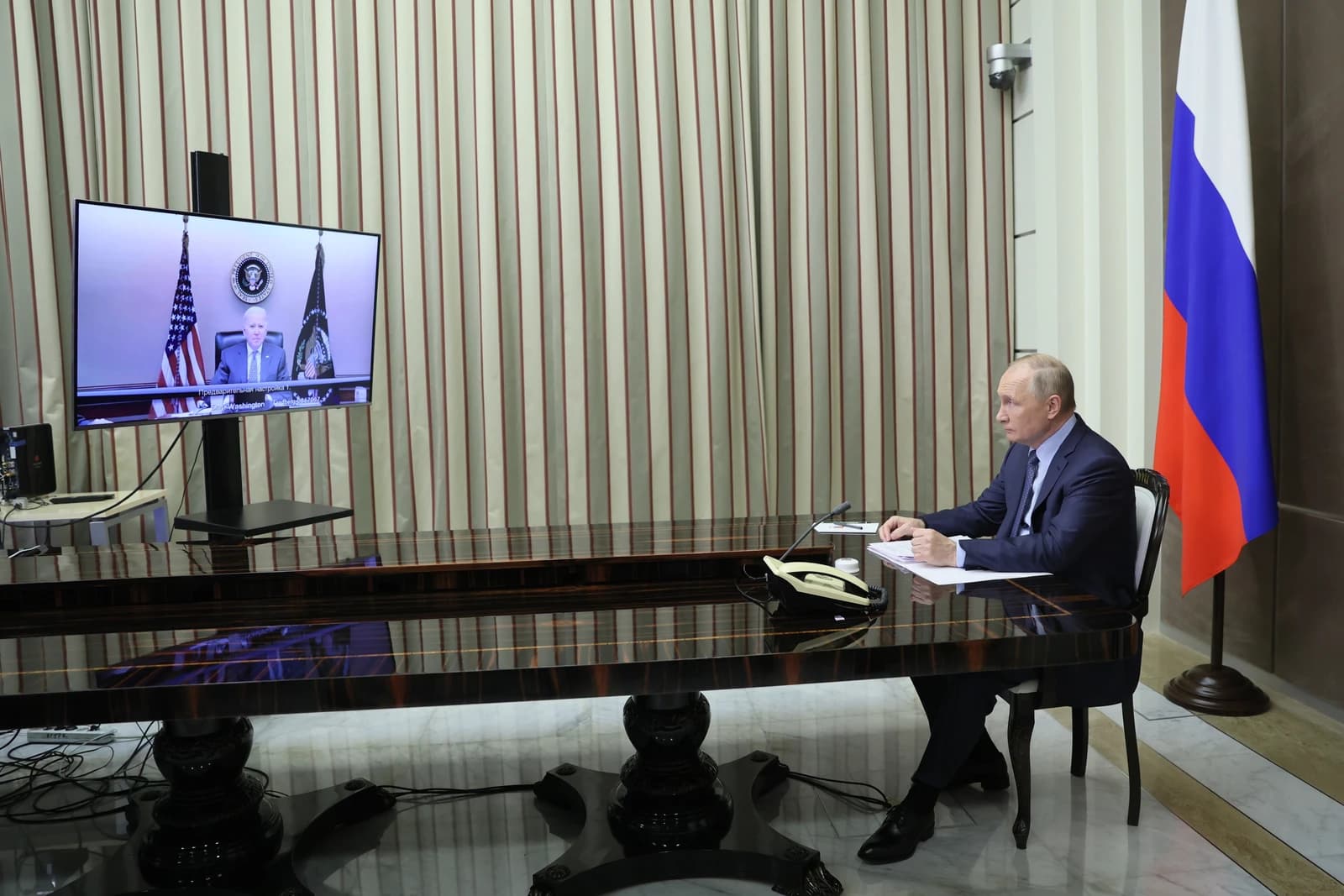
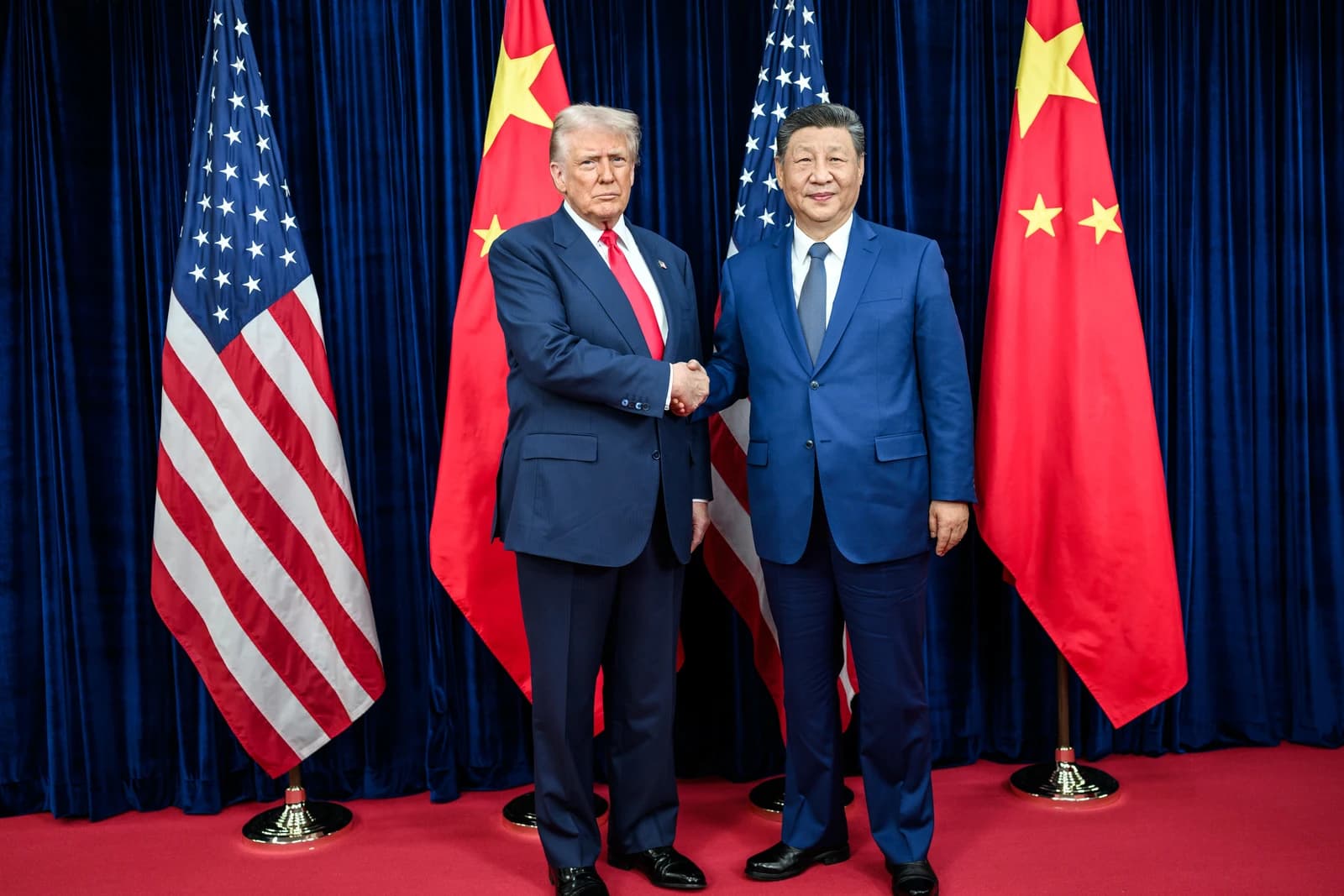
The argument came from Ambassador Rakha Ahmed Hassan, a former Egyptian assistant foreign minister, who said Iran’s political and economic ties with Russia and China remain a key reason it can absorb US sanctions. He said the two powers view Western moves against Iran through the lens of their own strategic and commercial interests, and that they have refused to fully honor the so-called snapback process pushed by Britain, France and Germany.
That legal dispute matters. The snapback mechanism was designed to restore UN sanctions if Iran breached the 2015 nuclear deal, but Russia and China have rejected the European effort to trigger it, arguing it lacks proper legal basis. In practice, that leaves the West with a fragmented sanctions regime: the US can blacklist entities and individuals, but it cannot compel other major powers to cut off Iran unless they choose to cooperate.
The economic stakes are bigger than diplomacy. The latest US action targeted an Iranian cryptocurrency platform linked to sanctioned financier Babak Zanjani, accusing it of helping payments tied to safe passage through the Strait of Hormuz. Washington has also moved against dozens of entities tied to Iran’s air sector and airlines. The message is clear: the US wants to squeeze the infrastructure that keeps Iran moving goods, money and energy-related services.
But Iran has spent years building workarounds. Trade with Russia, China and India gives it access to markets and payment routes outside the Western financial system. Even if those channels are more expensive and less efficient, they are enough to blunt the sharpest economic effects of sanctions and keep the regime functioning. That is why investors should think of Iran sanctions less as a one-way hammer and more as a contest of endurance.
For markets, the story is not just about Iran. It is about how much geopolitical friction can still ripple through oil, shipping and risk sentiment when sanctions fail to fully isolate a target. The latest pressure campaign adds to that uncertainty, while the willingness of Russia and China to maintain ties with Tehran suggests the standoff is likely to continue rather than resolve quickly.
For long-term investors, the takeaway is straightforward: sanctions headlines may move energy prices and safe-haven demand in the short run, but the deeper story is the persistence of alternate trade blocs and the limits of US unilateral pressure. Iran remains worth watching because the balance between enforcement and evasion can shape oil-market volatility for years, not weeks.
| Entity | Gains | Losses |
|---|---|---|
| Iran | ▲Trade lifelines | ▼Sanctions pressure |
| Russia & China | ▲Strategic leverage | ▼Western criticism |
| US & Europe | ▲Diplomatic pressure | ▼Sanctions effectiveness |
| Oil bulls | ▲Geopolitical support | ▼Demand for calm prices |