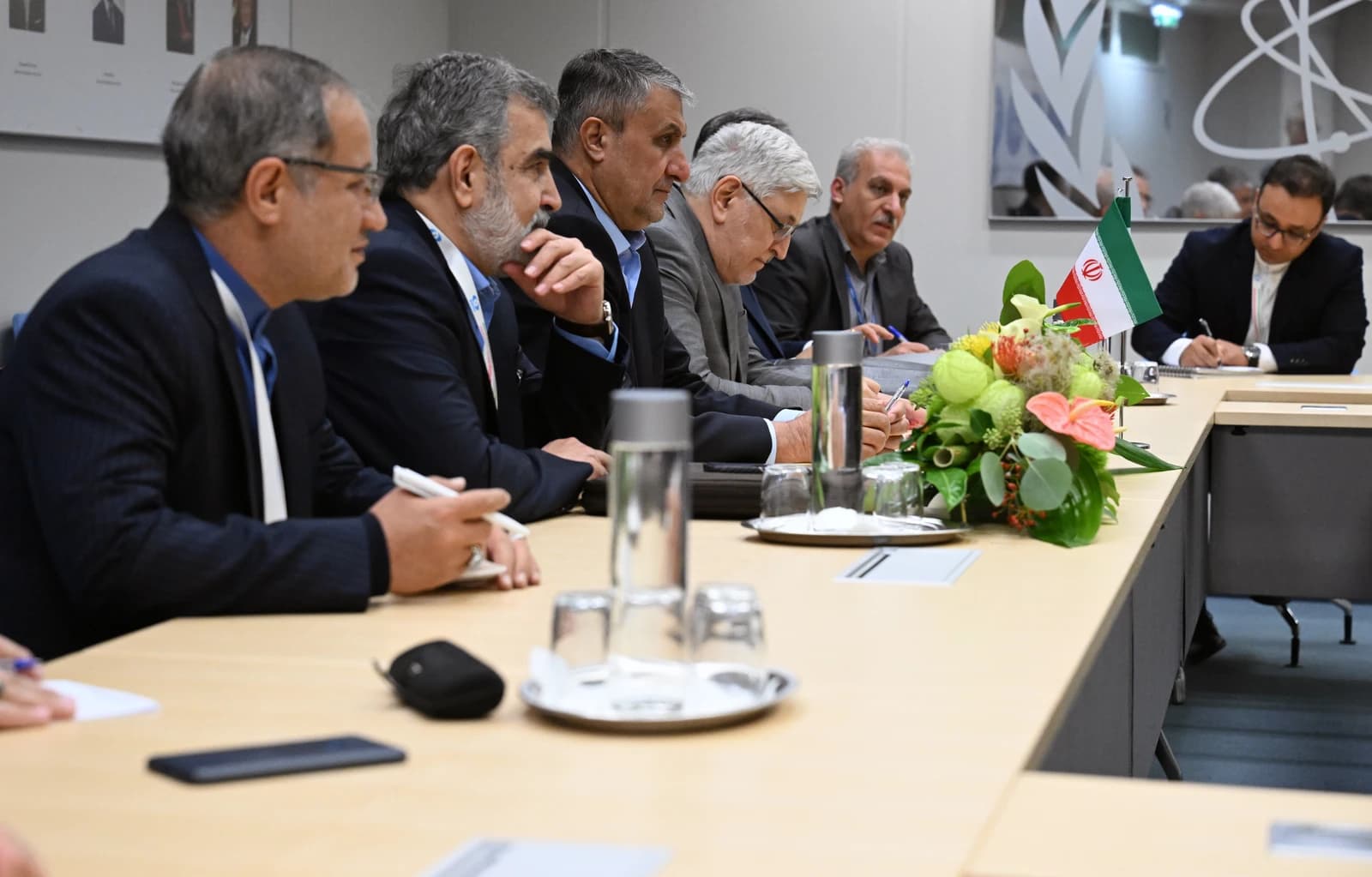
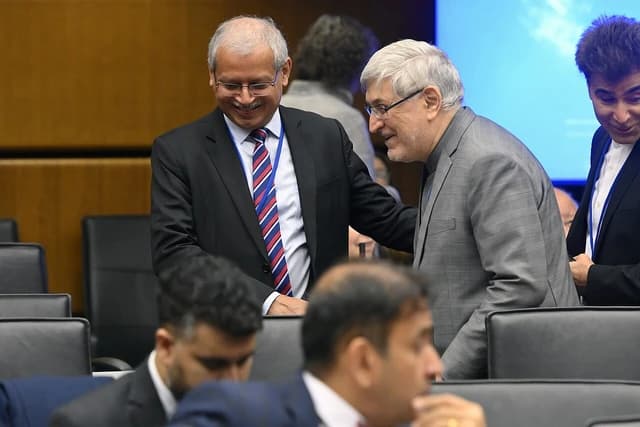
The European Union is pushing harder to keep Iran’s nuclear dispute from spilling into a wider regional shock, with European Council President Antonio Costa urging Tehran to restore cooperation with the International Atomic Energy Agency after speaking with President Masoud Pezeshkian.
EU Presses Iran on IAEA Access and Hormuz Risk
That matters because the nuclear file is no longer just a diplomatic issue. It is now tied directly to shipping security in the Strait of Hormuz, the flow of oil out of the Gulf and the risk premium investors attach to energy, defense and broader market volatility. When a leader from Brussels says Iran should also stop strikes on neighboring countries and restore full freedom of navigation through Hormuz, the message is that Europe sees the geopolitical spillover as an economic threat, not just a security one.
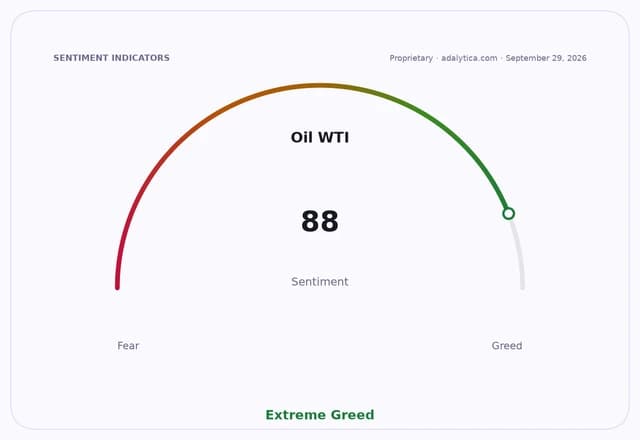
Sentiment IndicatorsⓘProprietary · adalytica.com · September 29, 2026
This is a snapshot — live sentiment, awareness and momentum for 130+ markets update continuously in the dashboard.Open AlphaPulse
For investors, that is the important part. Oil is already trading with elevated nerves, and the sector has been rewarded for it. The U.S. Oil Fund, a proxy for crude, was near $150 a share in recent sessions after a sharp run-up, while the energy sector ETF XLE has held well above its longer-term trend. At the same time, gold has retreated from recent highs, suggesting markets are still trying to balance safe-haven demand against the possibility of diplomacy easing the pressure. In plain English: the market is not pricing peace, but it is also not pricing full-scale disruption.
The backdrop remains fragile. Washington is preparing talks with Arab leaders as the conflict widens, while the Houthis have opened a second front and Iran continues to resist outside pressure. Europe’s call for IAEA access is significant because it underscores how quickly a nuclear standoff can become an energy-market story. If inspectors stay out and tensions rise, traders tend to lean into crude, shipping insurance costs and defensive positioning. If cooperation resumes, some of that geopolitical premium can unwind just as fast.
Geopolitical Risk — 30-day sentimentadalytica.com
Explore this data interactively — full history, time series and cross-market comparisons.Open AlphaPulse
That is why long-term investors should watch this through the lens of risk management rather than headlines alone. Higher oil prices can help producers and energy investors, but they are a tax on consumers, transport, airlines and the broader economy. A sustained Hormuz threat would also feed inflation, complicate central bank policy and pressure equities more widely. By contrast, any credible step back toward IAEA cooperation would be a relief valve for global markets.
For now, the message from Brussels is straightforward: the Iran crisis is still a live macro risk, and the market consequences run well beyond the Middle East. Investors should keep energy exposure balanced, avoid overreacting to one-day swings and remember that geopolitical premiums can fade, but they can also return quickly. Worth watching, especially if you own oil-linked assets for the long term.
| Entity | Gains | Losses |
|---|---|---|
| Energy producers | ▲Higher oil prices | ▼Cheaper crude if tensions ease |
| Consumers and airlines | ▲Lower fuel costs if de-escalation holds | ▼Inflation from pricier oil |
| Safe-haven assets | ▲Demand during escalation | ▼Bid fades if diplomacy improves |
| Global markets | ▲Less disruption if IAEA ties resume | ▼Volatility if Hormuz risk persists |