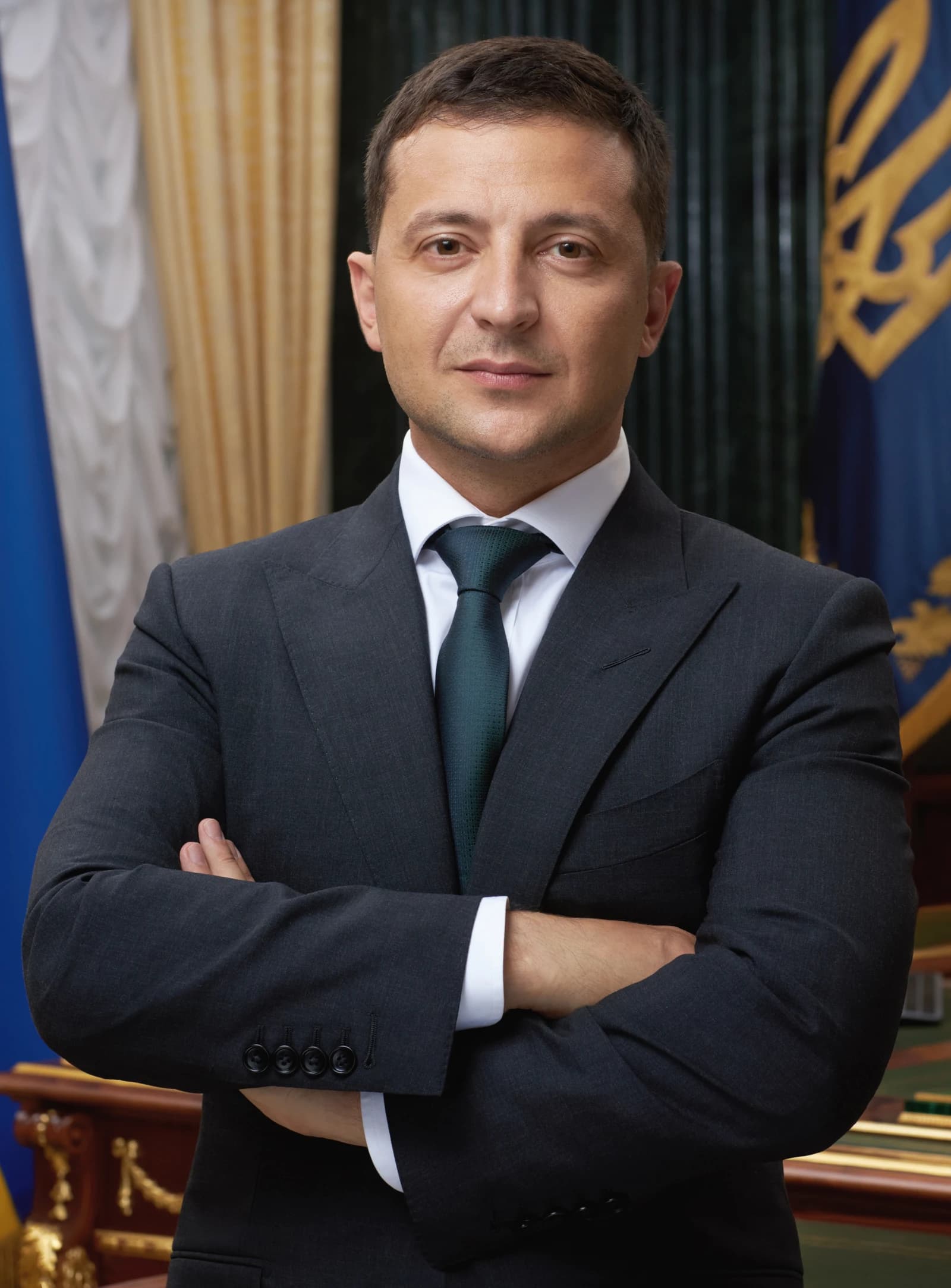
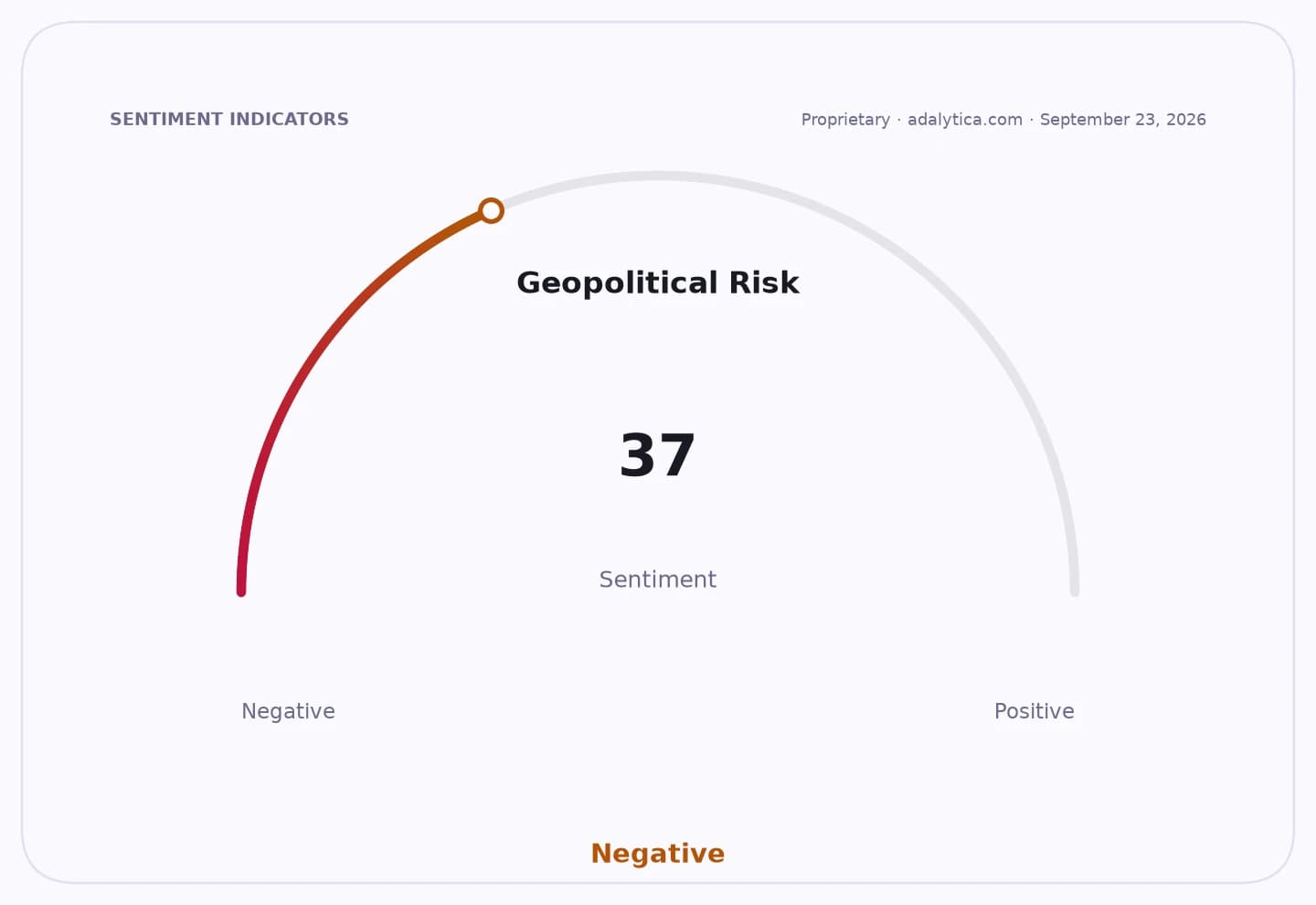
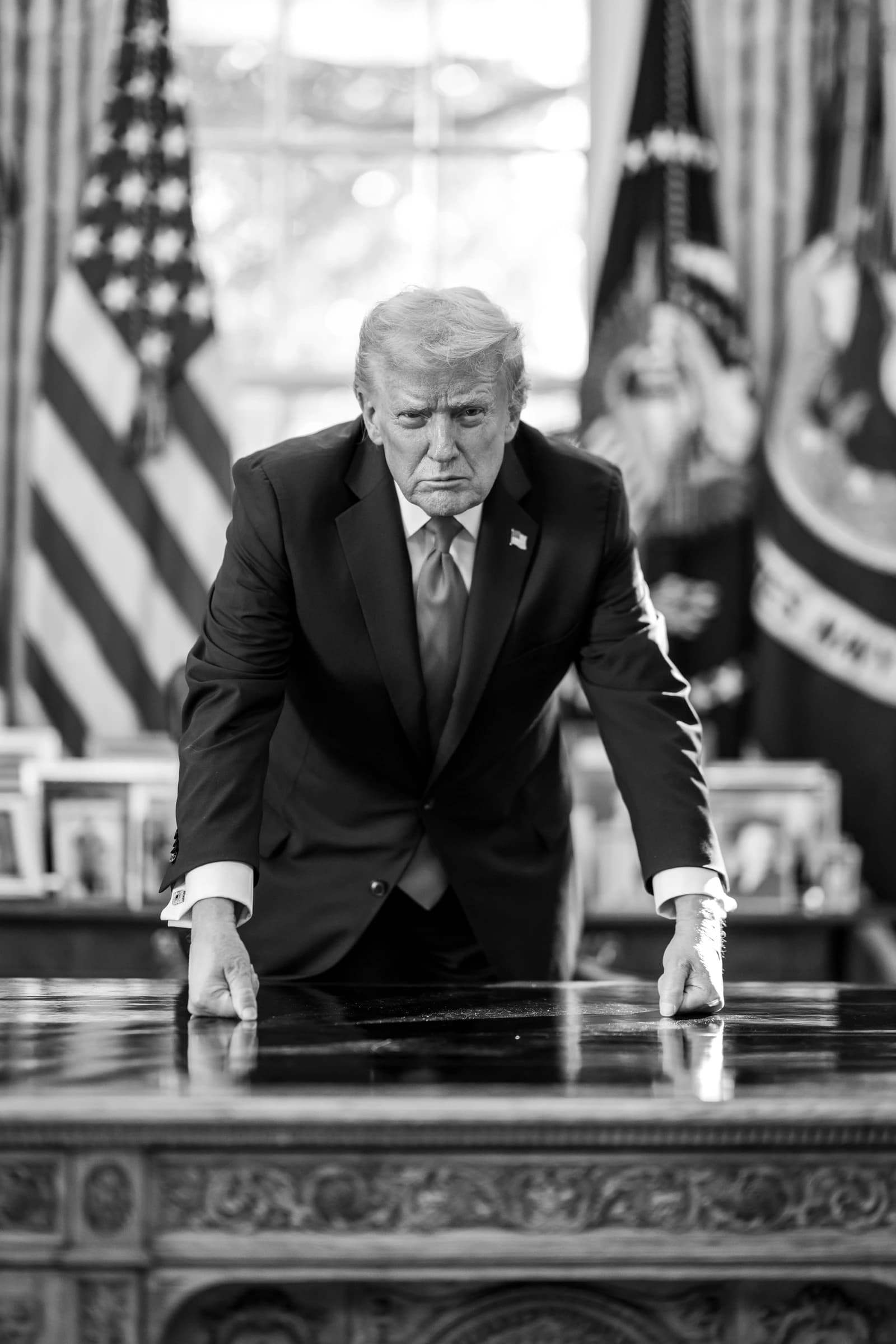
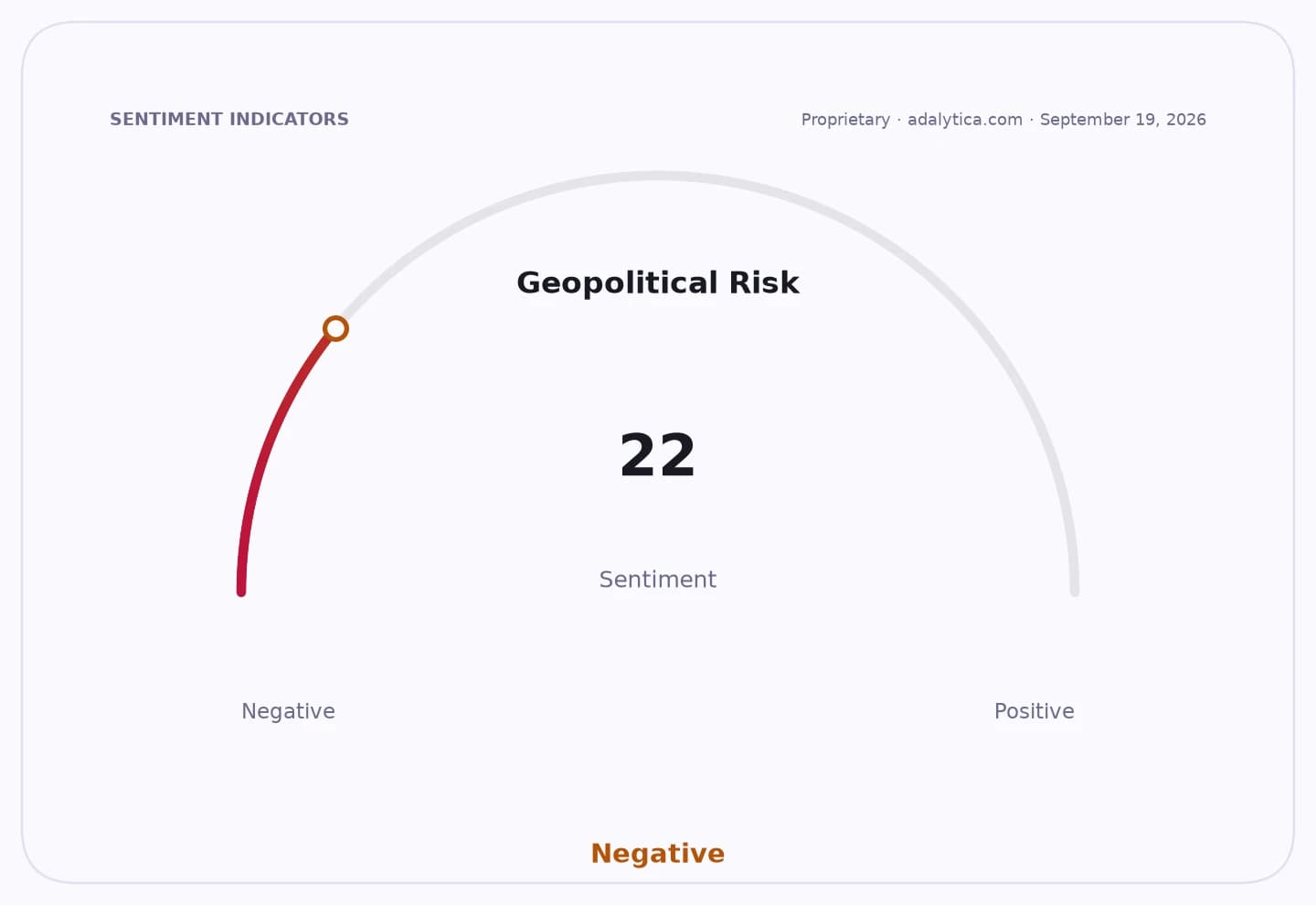
President Emmanuel Macron’s talks with Donald Trump on Monday put a potential energy truce between Ukraine and Russia back on the diplomatic table, and that matters because attacks on power and fuel infrastructure remain one of the fastest ways this war can spill into European growth, energy prices and investor positioning.
Macron and Trump Discuss Ukraine Energy Truce

Macron said he and Trump had a “very good” and “very constructive” discussion about helping Kyiv strengthen its defences, with interceptors the immediate priority. But the economically more important thread was their focus on a possible moratorium on strikes linked to the energy sector — a step that, even if limited, could reduce pressure on electricity supplies, fuel logistics and regional risk premia heading into the colder months.
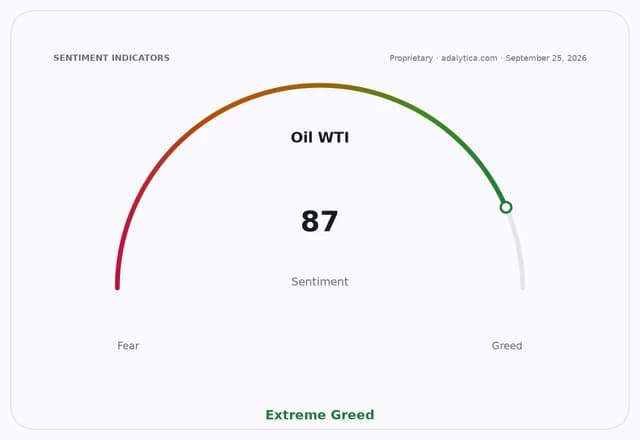
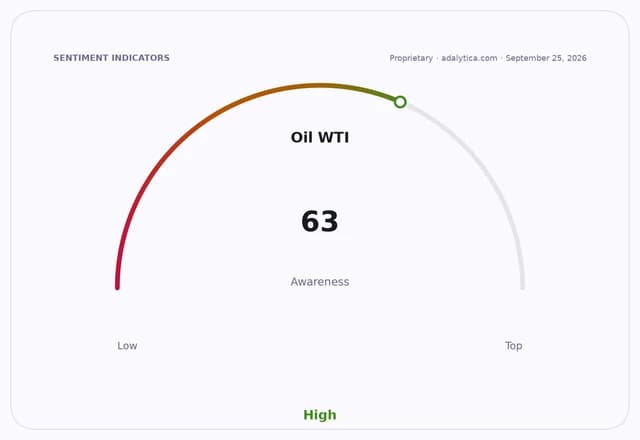
That is why markets care. Energy infrastructure has become a lever of economic warfare, and any pause in attacks would likely ease the threat of another winter shock for Europe, where households and industry remain vulnerable to supply disruptions. It would also trim some of the geopolitical premium embedded in crude and refined products, even if only at the margin. WTI-linked USO has been trading with technical momentum still elevated, with Adalytica.com’s Oil WTI Trade Signals showing “Extreme Greed,” underscoring how quickly oil can reprice when war-risk headlines flare.
The broader context is a market still being forced to price two conflicting forces at once: a fragile geopolitical opening and a still-dangerous conflict. Trump has already shown a willingness to negotiate pauses and truce frameworks, while Macron is trying to build a European bridge to those talks before meeting President Volodymyr Zelenskiy. If that leads to even a partial restraint on energy strikes, the immediate winners are Europe’s power-intensive industries, utilities and consumers. The losers are the traders and producers who have been paid to own disruption.
Investors should treat this as a second-order but tradable catalyst, not a peace dividend story. A truce on energy targets would not end the war, but it could narrow the tail risk of another energy shock just as markets are already digesting elevated rates, stubborn inflation and stretched positioning in oil. Gold, meanwhile, remains a classic hedge on unresolved geopolitical risk, even as GLD’s technical backdrop has softened and the metal sits below its 50-day moving average.
The real investable takeaway is that the market underestimates how quickly a limited de-escalation in energy warfare can compress volatility across oil, European utilities, LNG logistics and defense-linked volatility hedges. If Macron’s outreach helps build even a partial framework, the next move is likely to be less about headline peace and more about which assets were priced for escalation. Stay long the picks-and-shovels of energy security, but don’t ignore the downside in oil if diplomacy gains traction faster than consensus expects.
| Entity | Gains | Losses |
|---|---|---|
| Ukraine and Europe | ▲Lower energy risk | ▼None if truce holds |
| Oil bulls / USO longs | ▲War-premium support | ▼Less upside if truce advances |
| European households and industry | ▲Lower supply shock risk | ▼None if attacks ease |
| Geopolitical hedge buyers | ▲Need for protection fades | ▼Premium erodes |