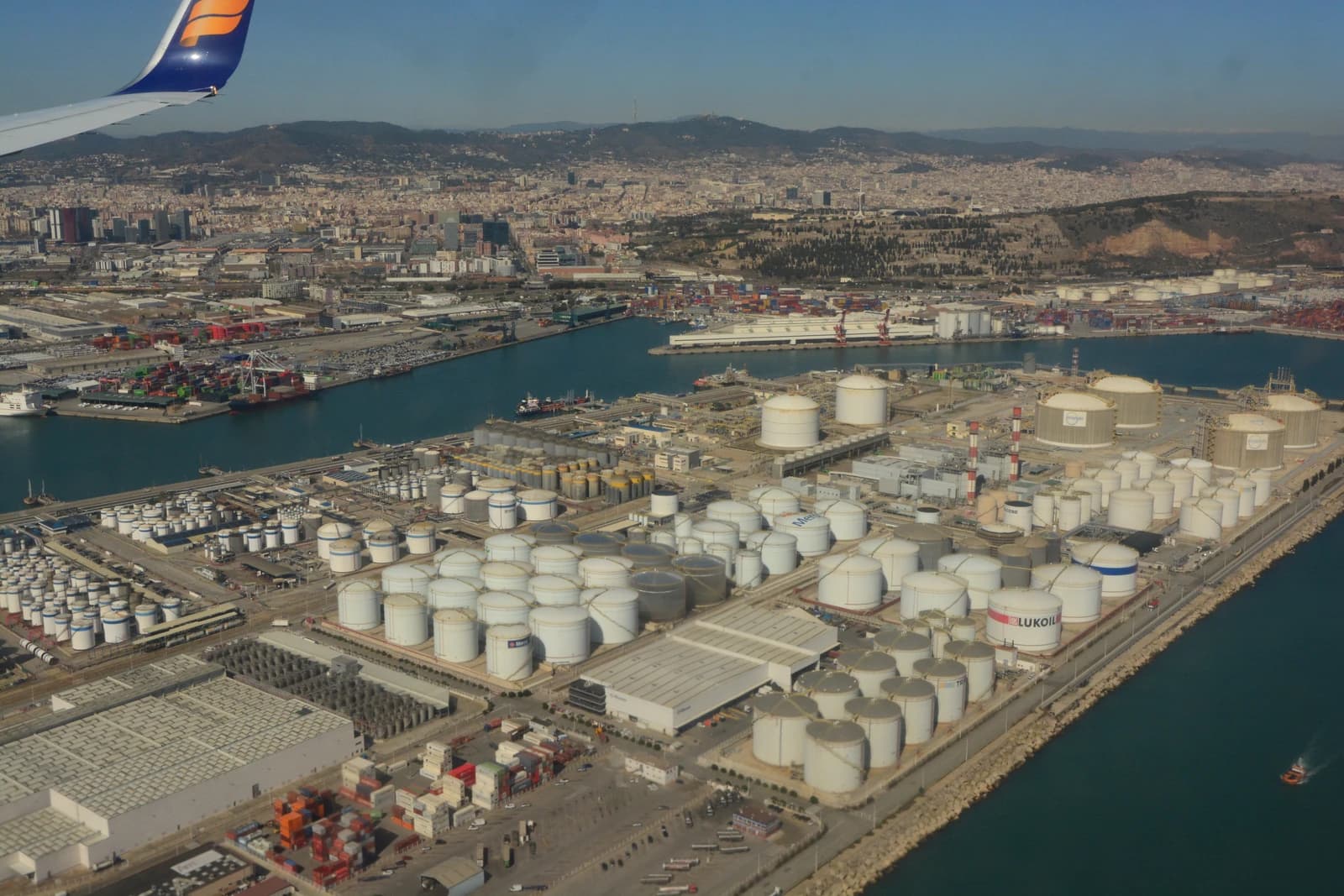
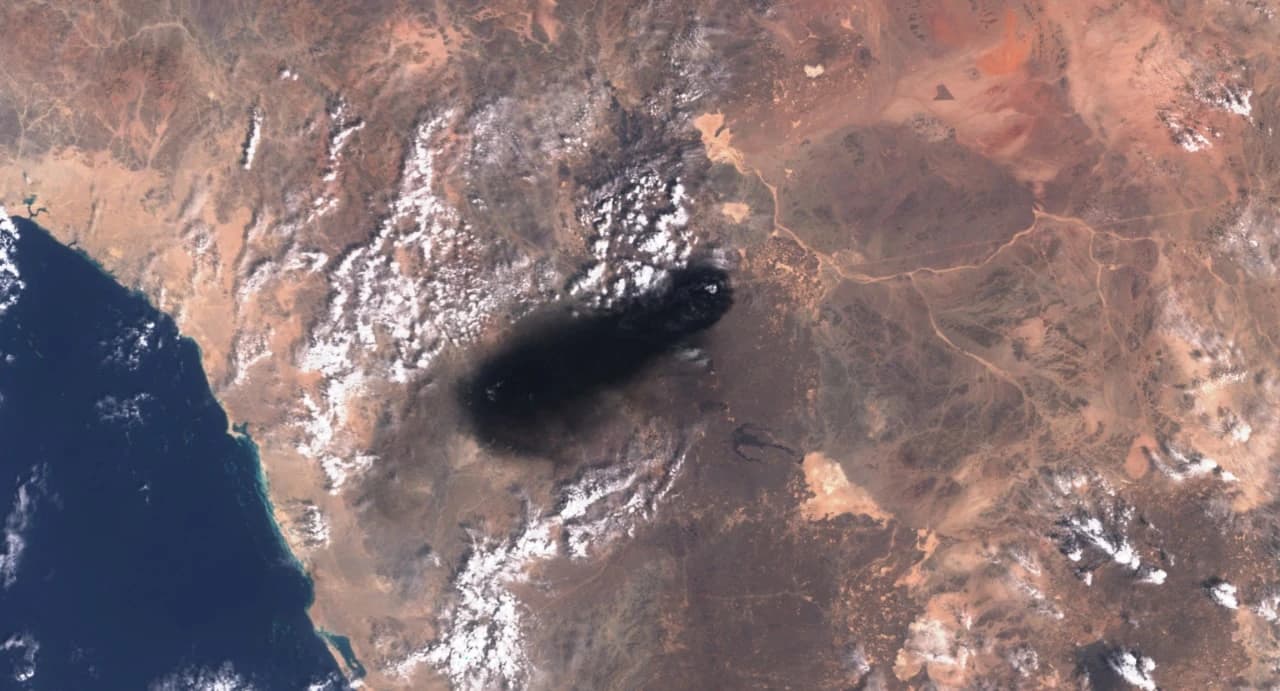
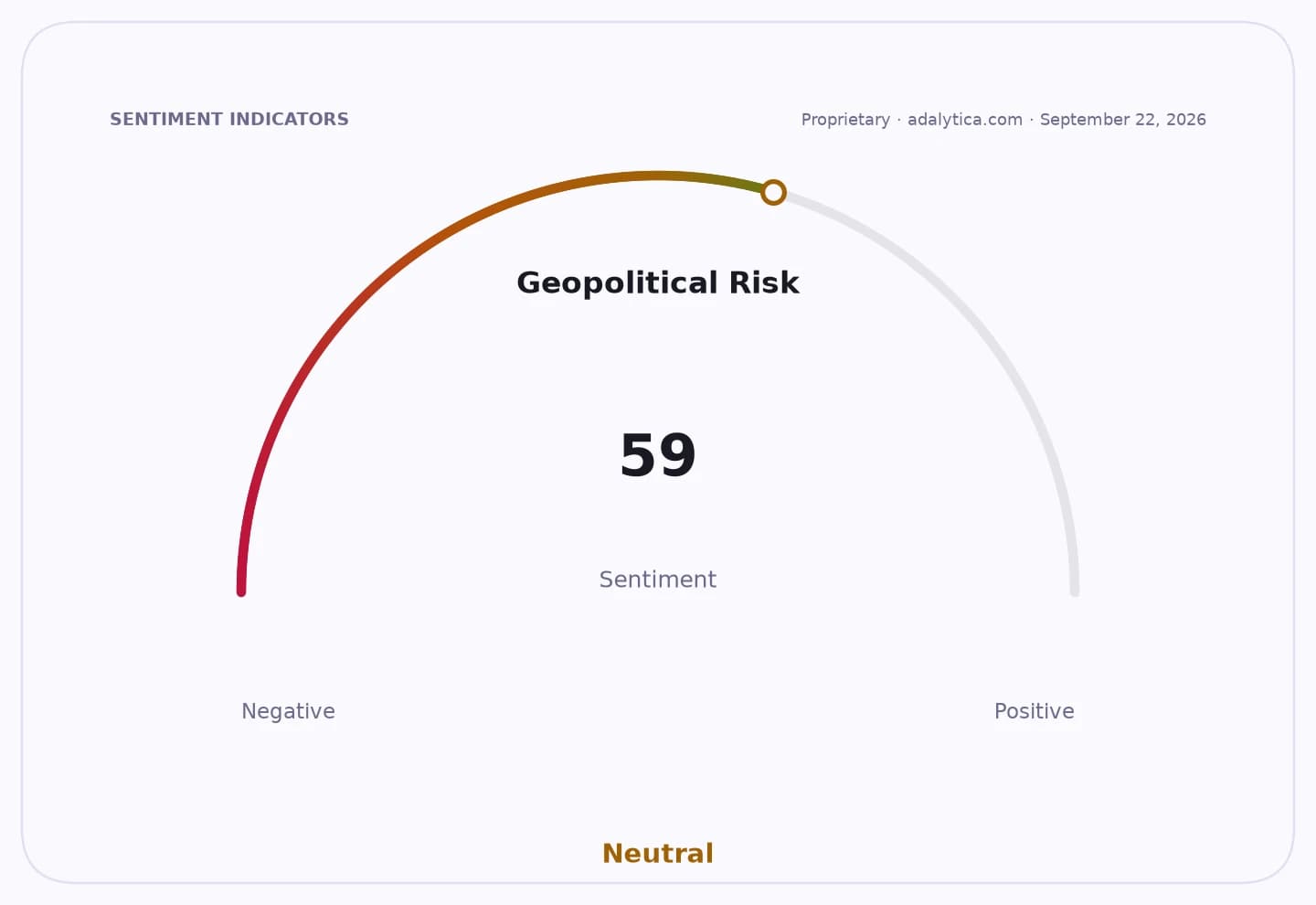
Brent crude stayed above $102 a barrel as traders continued to price in geopolitical risk, with a fresh round of talks between Iran and Ukraine underscoring how conflict zones are still able to jolt energy markets.
Brent crude holds above $102 on geopolitical risk
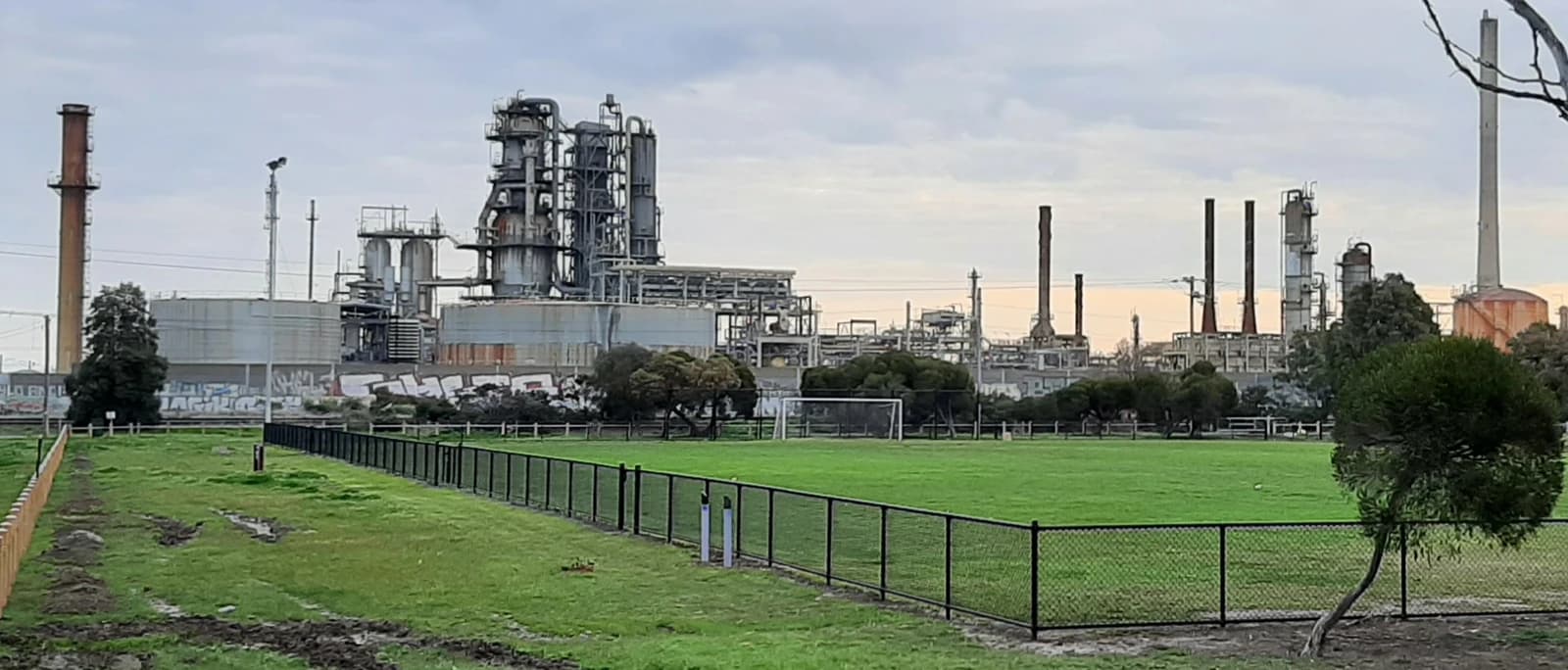
That matters because oil near triple digits acts like a tax on the global economy. When crude climbs, transportation, manufacturing and consumer costs tend to rise, squeezing corporate margins and leaving central banks less room to relax policy. For investors, that creates a familiar split: energy producers and oil-linked funds benefit, while airlines, shippers, chemical makers and other fuel-sensitive businesses usually feel the pressure first.
Sentiment IndicatorsⓘProprietary · adalytica.com · September 29, 2026
This is a snapshot — live sentiment, awareness and momentum for 130+ markets update continuously in the dashboard.Open AlphaPulse
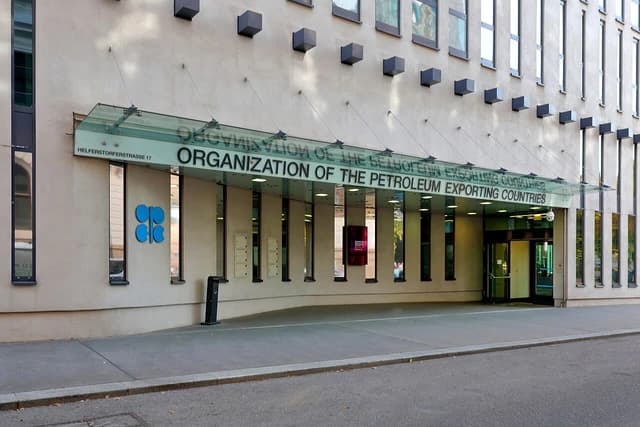
The immediate backdrop is a Reuters report that Ukraine’s foreign minister, Andrii Sybiha, met Iranian foreign minister Abbas Araghchi on the sidelines of the U.N. General Assembly in New York and said the two discussed steps to prevent further escalation. The meeting followed a phone call in July, after tensions rose when Ukraine struck an Iranian vessel. That kind of diplomatic contact does not remove the risk premium from oil, but it shows why markets keep treating the Middle East and the wider war environment as linked sources of supply uncertainty.
The price action in crude-backed funds reflects that tension. USO, which tracks front-month U.S. crude, has remained elevated even after some recent pullback, while Brent proxy BNO also held firm well above its long-run averages. Conventional technical readings point to a market that is still strong rather than exhausted: both funds are trading above their 50-day and 200-day moving averages, a sign the broader uptrend remains intact even after short-term cooling. Adalytica’s proprietary Oil WTI Trade Signals still show extreme greed, while its Global Stability Sentiment gauge indicates investors are assigning a high level of geopolitical risk to the backdrop.
DCOILWTICO — macro contextadalytica.com
Explore this data interactively — full history, time series and cross-market comparisons.Open AlphaPulse
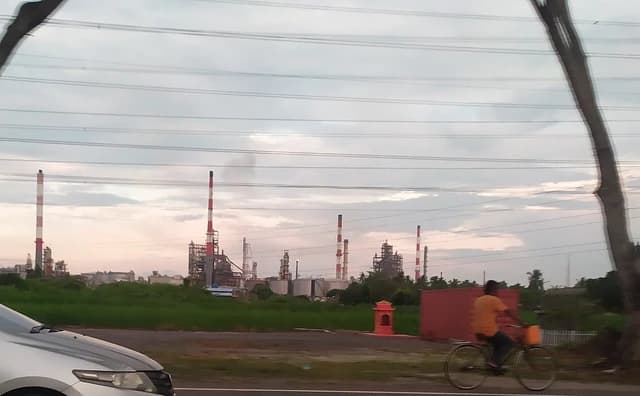
For long-term investors, the bigger message is not just that oil is expensive, but that it remains highly sensitive to headlines. That makes energy a useful diversifier in a balanced portfolio, especially for those who own broad indexes and want exposure to assets that can hold up when inflation or conflict re-enters the market conversation. At the same time, it is a reminder that oil prices can reverse quickly once fear fades or supply conditions improve.
In other words, Brent above $102 is less about one day’s move than about the market’s continuing belief that geopolitical instability still has real economic value attached to it. Energy investors may still want to stay interested, but patient, diversified portfolios remain the smarter way to own the theme.
| Entity | Gains | Losses |
|---|---|---|
| Oil producers | ▲Higher realized prices | ▼Fuel-heavy consumers |
| Energy ETFs like USO/BNO | ▲Momentum and inflows | ▼Short crude positions |
| Airlines and shippers | ▲— | ▼Higher operating costs |
| Global consumers | ▲— | ▼More inflation pressure |