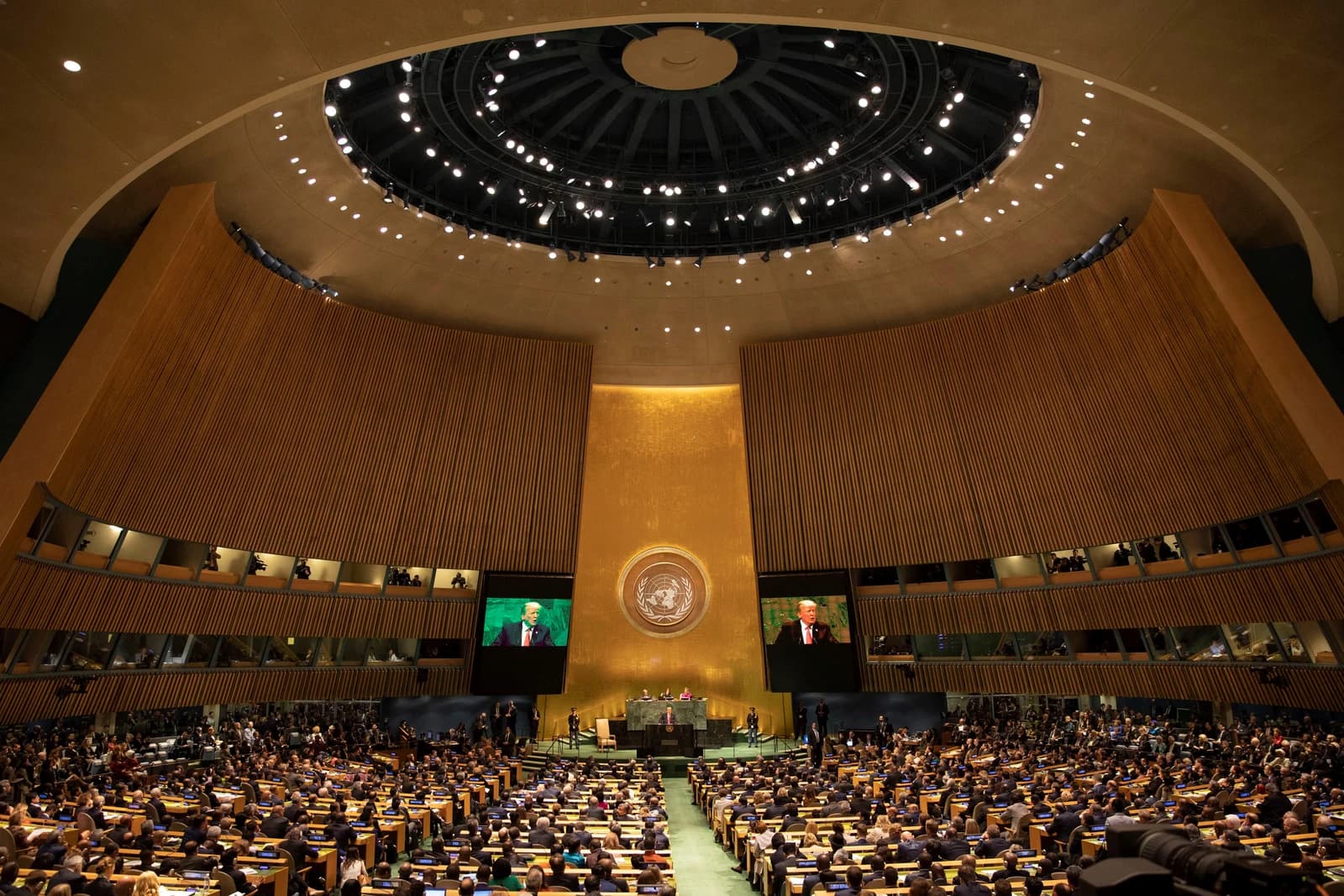
Iran’s President Masoud Pezeshkian used the UN General Assembly to say Tehran is “ready for dialogue and diplomacy” but will not accept “the language of force,” sharpening a direct standoff with President Donald Trump after he threatened to “annihilate” the Islamic Republic if no deal is reached.
Iran and Trump Raise Tensions Over Nuclear Talks

The exchange matters far beyond the rhetoric. It keeps the risk premium alive in global energy markets at a moment when the Strait of Hormuz remains the most important chokepoint for crude flows and when traders are already on edge over wider Middle East instability. Any misread on diplomacy, sanctions or military escalation could quickly feed into oil, shipping and broader risk sentiment.
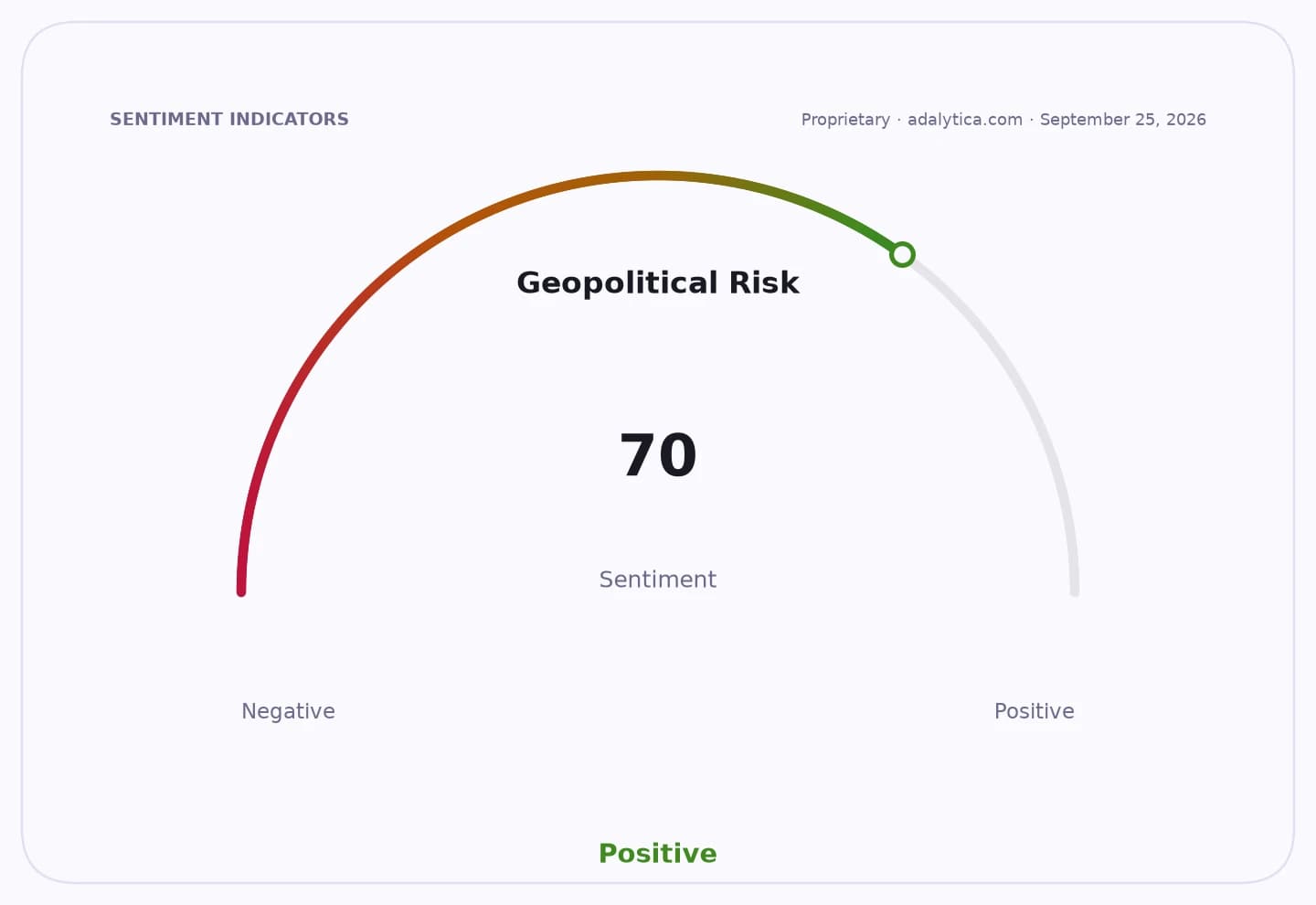
Sentiment IndicatorsⓘProprietary · adalytica.com · September 28, 2026
This is a snapshot — live sentiment, awareness and momentum for 130+ markets update continuously in the dashboard.Open AlphaPulse
Pezeshkian framed Iran as a victim of “terrorism” and “aggressions,” said the country had “only defended” itself and repeated that Iran needs nuclear energy, not a nuclear bomb. He also accused Israel of possessing weapons of mass destruction while Iran faces sanctions and inspectors, a message aimed at rallying support from nonaligned countries and pushing back against Western pressure.
Trump, speaking from the same UN podium, presented Iran with an ultimatum-style choice between a deal that would let it “rebuild” and what he described as a fast, decisive destruction of the Islamic Republic. That hard line leaves little room for incremental de-escalation and raises the stakes for any future talks, especially as both sides try to shape global opinion ahead of more formal negotiations.
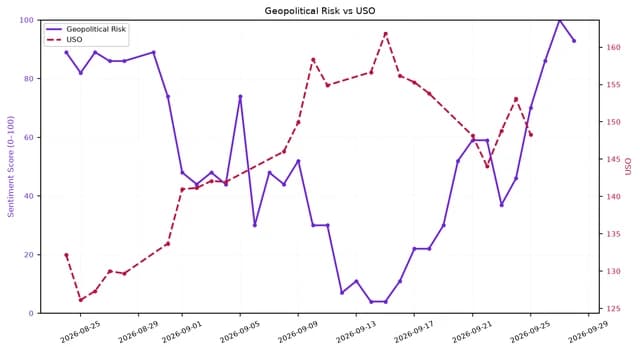
For investors, the immediate read is not that war is imminent, but that the path to a settlement remains fragile and headline-driven. Energy traders are likely to keep a close watch on tanker traffic, sanctions enforcement and any sign of retaliation or back-channel diplomacy, while defense contractors and safe-haven assets can benefit from renewed tension.
Market signals are already reflecting that backdrop. USO, the oil ETF, has surged to $148.33, far above its 50-day moving average of $135.63, while RSI readings around 55.5 show the move has cooled from earlier overbought levels but remains elevated. The US dollar ETF, by contrast, is trading at $95.52 with a constructive technical setup, suggesting investors are still carrying some demand for safety even as the currency narrative remains mixed.
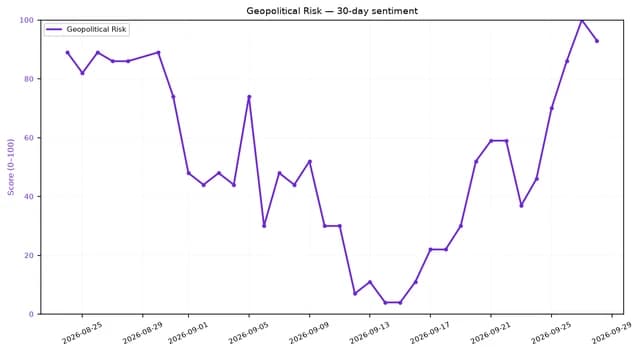
The broader geopolitical picture is deteriorating rather than settling. News of tensions in the Strait of Hormuz, Pentagon warnings about munitions shortages and continued disputes over Saudi Arabia, Yemen and Gaza all reinforce the same conclusion: diplomacy still exists, but markets are pricing a region where the margin for error is shrinking.
| Entity | Gains | Losses |
|---|---|---|
| Oil bulls | ▲Higher risk premium | ▼De-escalation hopes |
| USO holders | ▲Volatility and upside | ▼Fading conflict fears |
| Safe-haven buyers | ▲Demand for protection | ▼Calm headlines |
| Iran | ▲Diplomatic leverage | ▼Sanctions pressure |