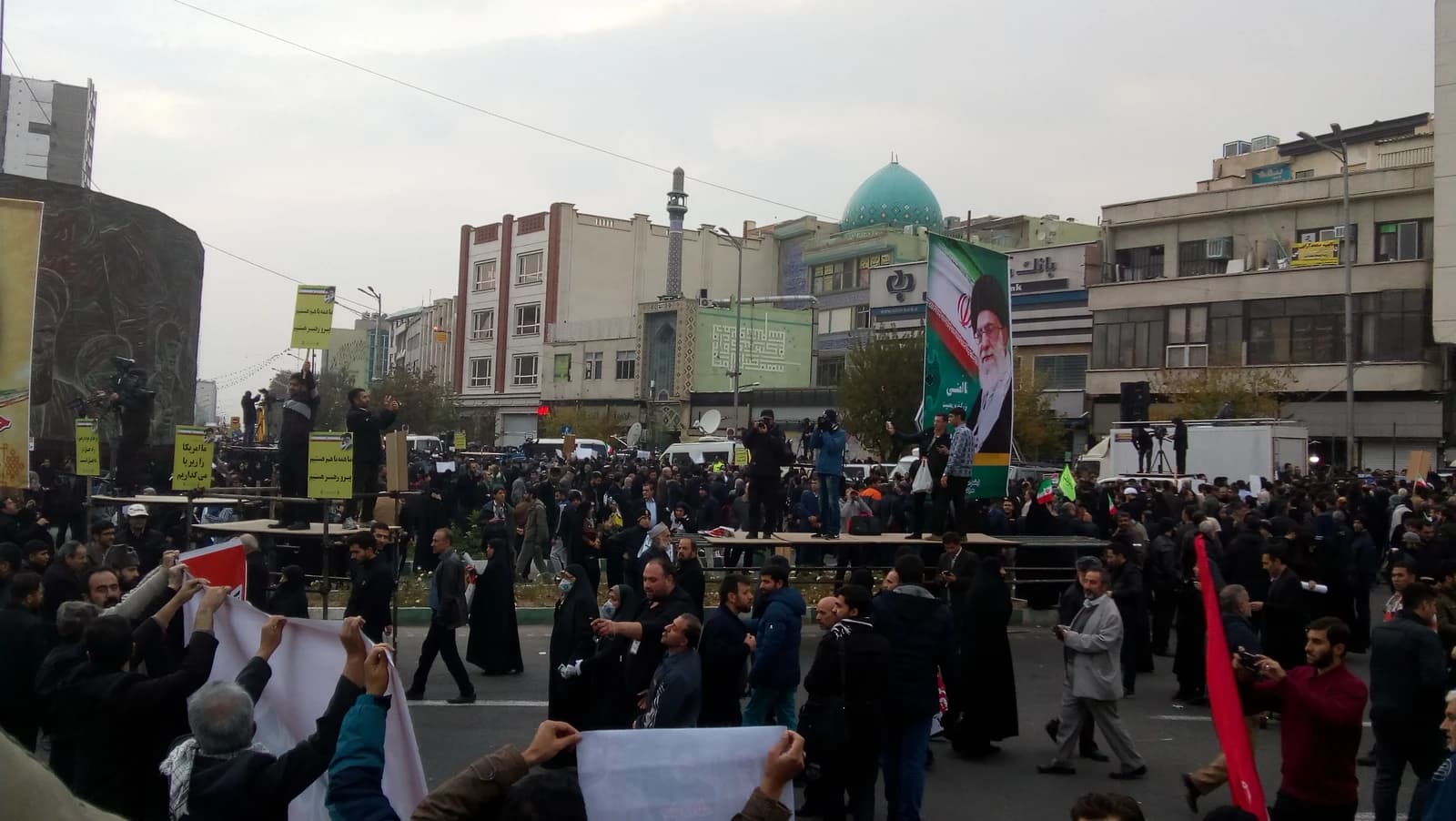
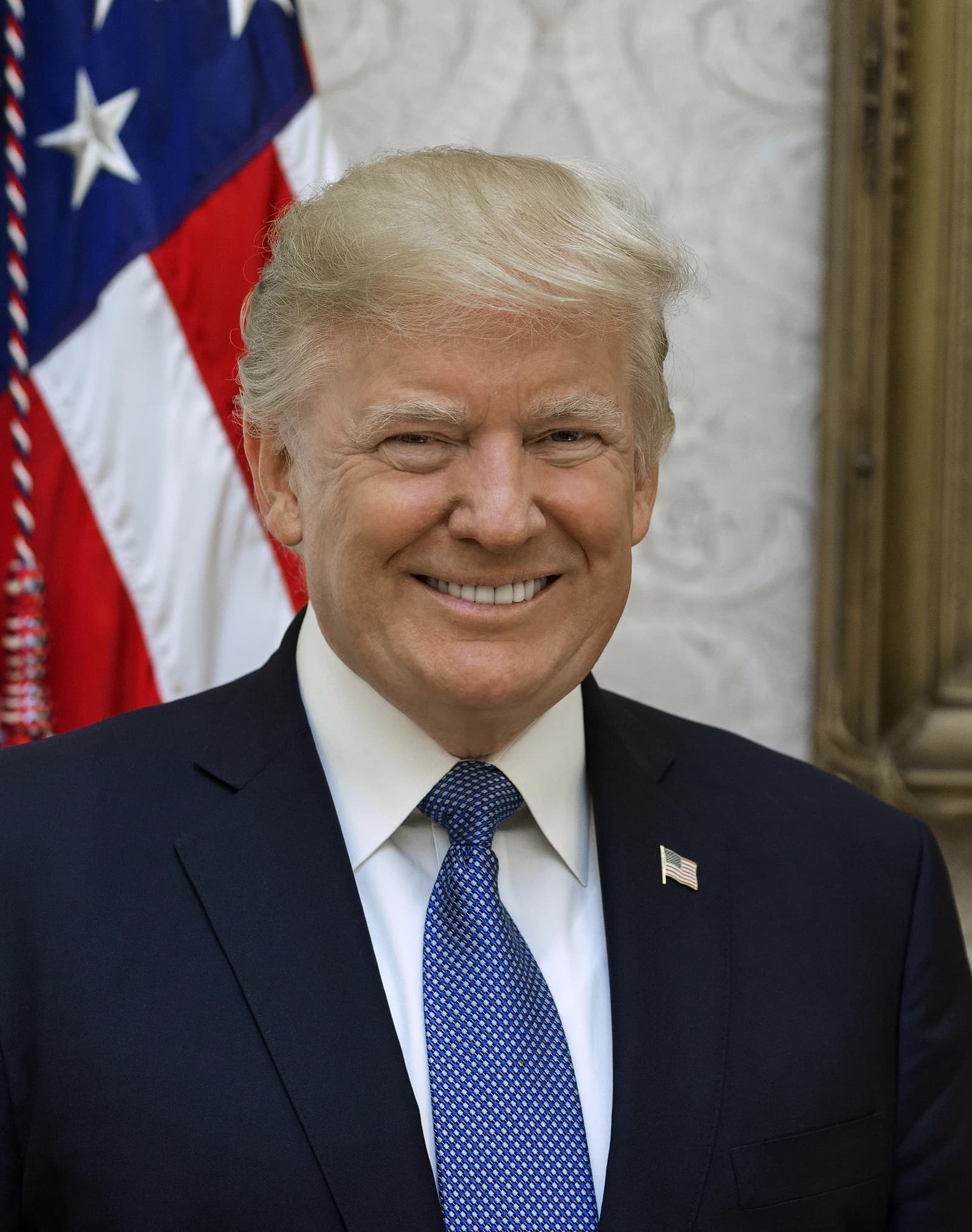
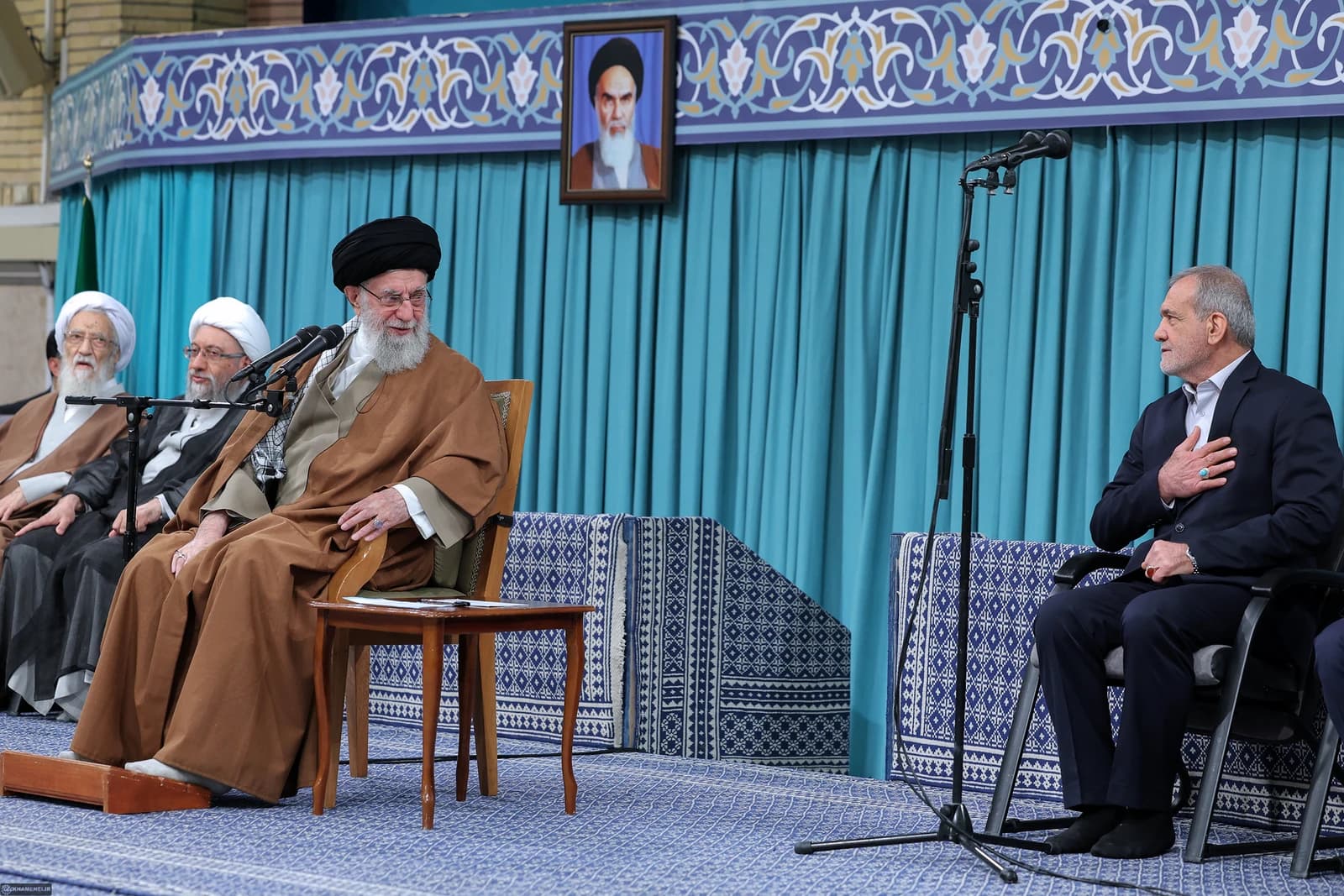
Iran’s message to Washington underscores how a fight that looks diplomatic on the surface still runs through Lebanon, shipping lanes and energy markets.
Iran Talks Through Qatar on US Conditions
Tehran said it conveyed conditions to the United States through a Qatari mediator in New York, calling for an end to hostilities across all fronts, a halt to what it described as US aggression, an end to the maritime blockade and economic war, and the release of Iranian assets. The timing matters because any loosening of tensions between Iran and the US would immediately reverberate through the region’s proxy networks — especially Lebanon, where Hezbollah remains one of Tehran’s most important levers.
Sentiment IndicatorsⓘProprietary · adalytica.com · September 27, 2026
This is a snapshot — live sentiment, awareness and momentum for 130+ markets update continuously in the dashboard.Open AlphaPulse
That makes Lebanon far more than a bystander. Any bargaining over ceasefires, maritime security or frozen funds can feed directly into the country’s fragile political and financial equation. Lebanon sits at the fault line of the Iran-Israel-US confrontation, and for investors and policymakers alike, the key issue is whether diplomacy reduces the risk of a wider regional escalation or simply buys time before the next round of pressure. The market’s first read is simple: fewer direct confrontations would ease the odds of another spike in oil, shipping costs and safe-haven demand, while renewed conflict would do the opposite.
The investment implication is bigger than the headline suggests. Investors have been pricing a steady backdrop of geopolitical risk in energy, defense and transport for months, and any credible path to de-escalation would weigh on crude-risk premia while supporting risk assets tied to global trade. But the supply side of the story is just as important: if negotiations fail, the market gets a reminder that the Strait of Hormuz and the broader Gulf shipping network remain exposed to disruption. That keeps a floor under oil-linked equities, tanker rates and defense spending.
Geopolitical Risk — 30-day sentimentadalytica.com
Explore this data interactively — full history, time series and cross-market comparisons.Open AlphaPulse
Adalytica’s Global Stability Sentiment gauge is flashing extreme greed at 100, while awareness remains in extreme fear, a combination that suggests markets are still vulnerable to a sharp repricing if talks break down. The US dollar trade signals are neutral, which fits a market waiting for a catalyst rather than making a directional bet. For now, the message from Tehran is not resolution but leverage: Iran is defining the terms of any de-escalation before pressure moves from diplomacy back to the battlefield.
For investors, the thesis is to stay positioned for volatility, not complacency. Energy producers, defense contractors and shipping-related names remain the obvious beneficiaries if the talks stall; regional banks, airlines and import-dependent sectors would benefit most if the diplomacy unexpectedly gains traction. Lebanon’s role is the reminder that this is never just a bilateral story — it is a regional pricing event.
| Entity | Gains | Losses |
|---|---|---|
| Energy producers | ▲Higher risk premium | ▼If tensions ease |
| Defense contractors | ▲Elevated security spending | ▼De-escalation |
| Shipping and tanker operators | ▲Disruption-driven rates | ▼Maritime calm |
| Lebanon/Hezbollah axis | ▲Leverage in negotiations | ▼Reduced proxy pressure |