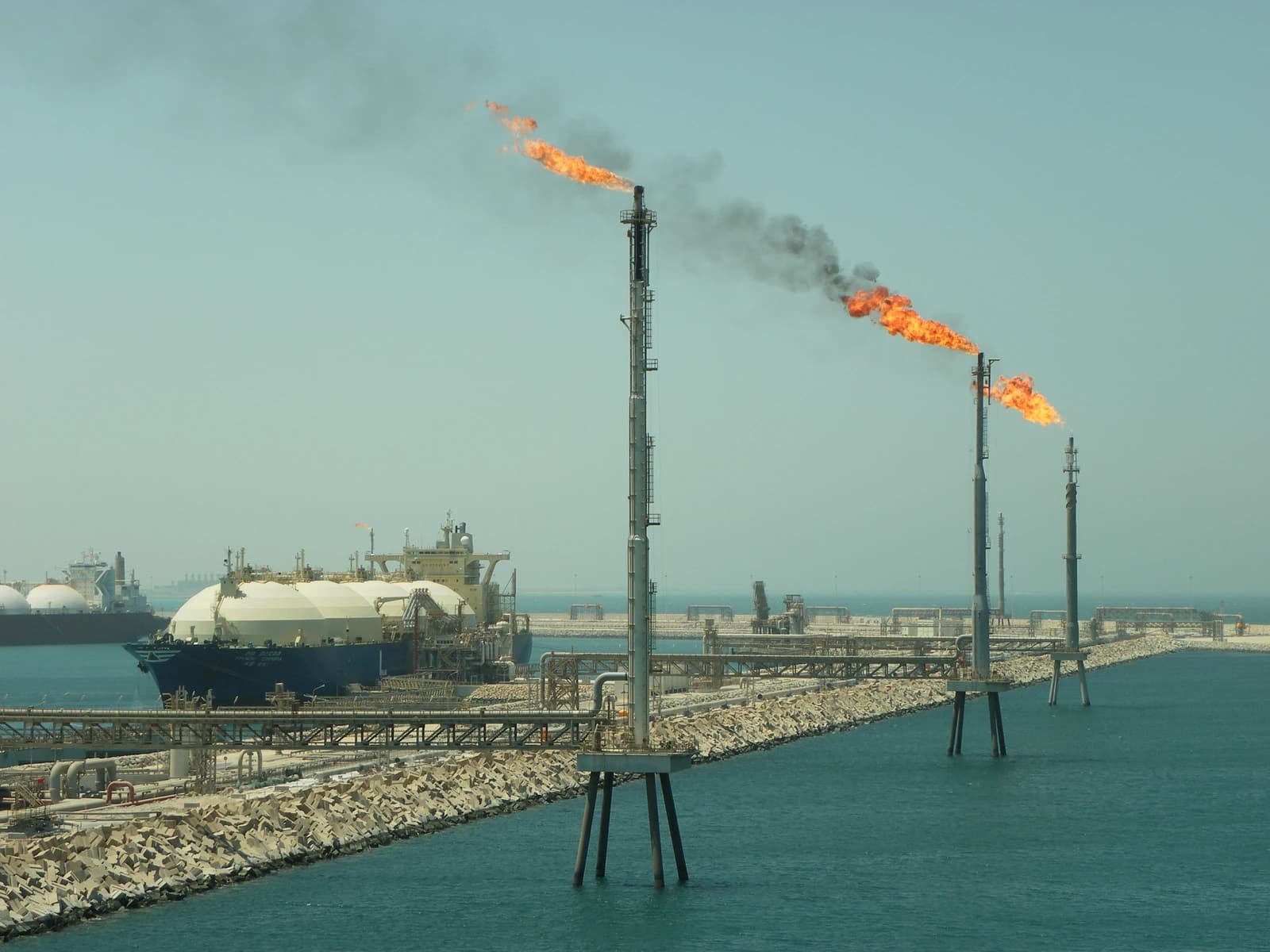
Iran’s leadership is again signaling it may return to negotiations with Washington, a move that matters most for oil markets because any thaw could ease the risk premium tied to the Strait of Hormuz and help pull crude off elevated levels.
Iran Talks Could Ease Oil Risk Premium
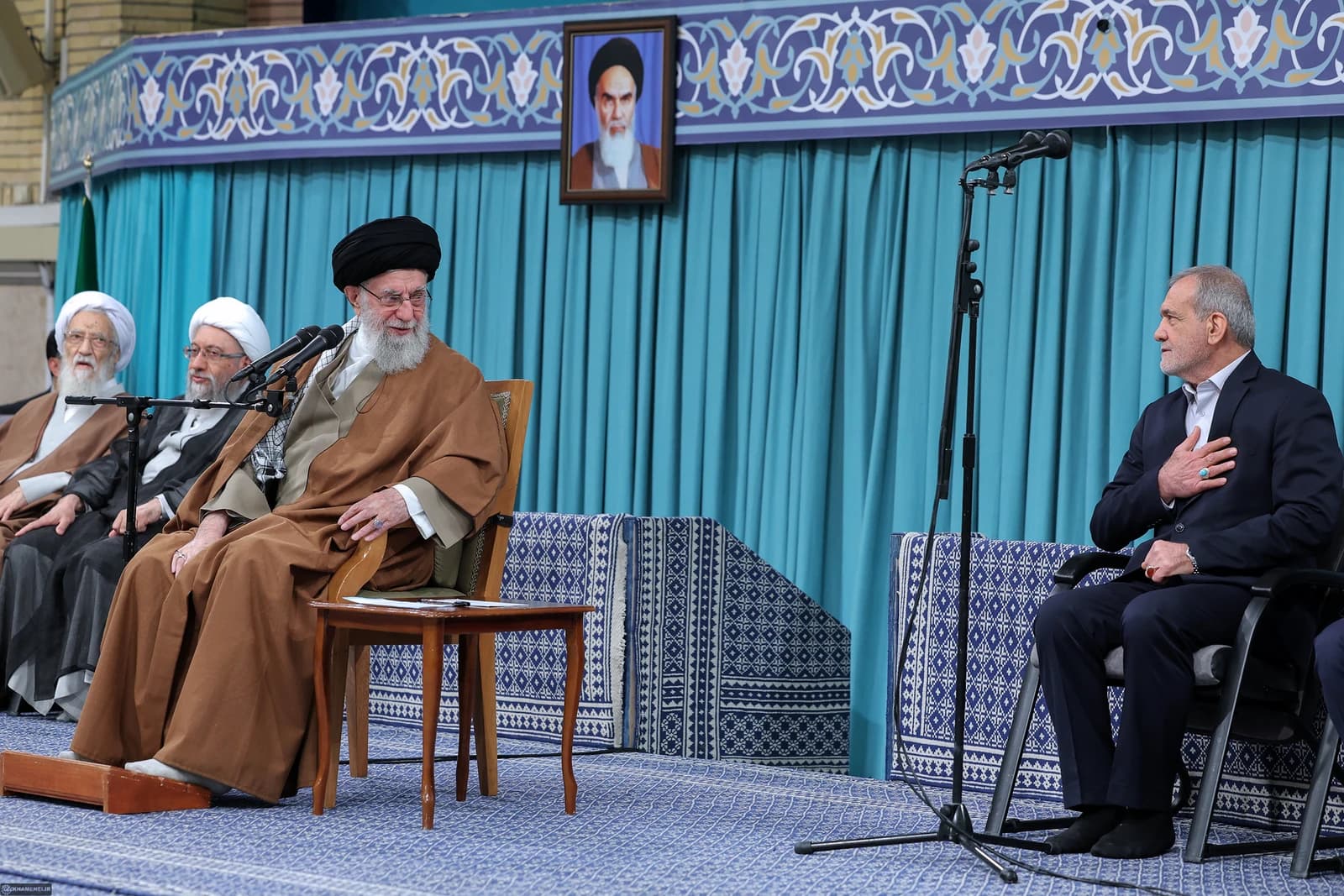
Parliament Speaker Mohammad Bagher Ghalibaf said diplomacy "does not mean capitulation," framing talks as a way to convert battlefield strength into political gains. But he also warned that President Donald Trump cannot impose U.S. power on the Iranian people and armed forces, underscoring that Tehran is not preparing to make quick concessions.
Sentiment IndicatorsⓘProprietary · adalytica.com · September 26, 2026
This is a snapshot — live sentiment, awareness and momentum for 130+ markets update continuously in the dashboard.Open AlphaPulse
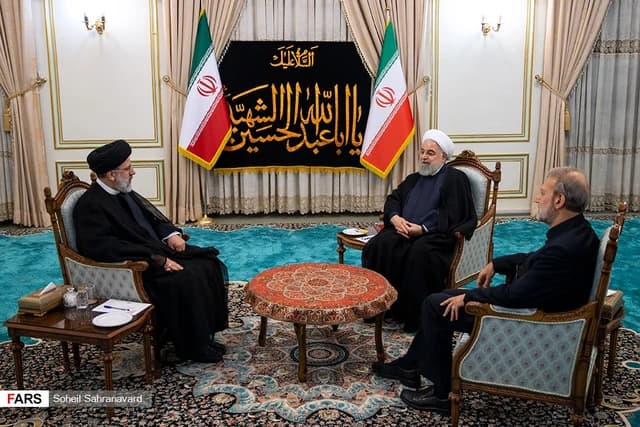
The timing is important. President Massud Peseschkian is in New York for the UN General Assembly, where any contacts with mediators or U.S. officials could provide the first concrete sign of a renewed diplomatic track. Iran’s public posture has remained hardline even as conservative pragmatists and reformist figures push for engagement.
For investors, the biggest read-through is crude. West Texas Intermediate futures were around $92.41 a barrel on the latest close, still well above the 50-day moving average of $88.04 and the 200-day average of $81.55. The contract has retreated from this month’s highs above $105, but the market remains sensitive to any escalation or de-escalation around Hormuz, the chokepoint that carries a large share of global seaborne oil.
OPEC Policy vs CL=Fadalytica.com
Explore this data interactively — full history, time series and cross-market comparisons.Open AlphaPulse

That sensitivity is showing up in related assets. The U.S. Oil Fund was last at $148.33, while the Energy Select Sector SPDR ETF closed at $62.04. Adalytica’s oil trade signal remains at 93, labeled "Extreme Greed," suggesting traders are still pricing in supply risk even after a recent pullback.
The economic stakes run beyond energy. Higher oil prices feed inflation, complicate central bank policy and raise costs for importers, while any credible diplomatic opening could lower pressure on consumers and on companies with heavy fuel exposure. Sanctions and maritime restrictions around Iran also matter for tanker flows, shipping insurance and defense spending.
The broader narrative is unchanged: Iran is trying to leverage regional friction and energy leverage into better terms, while the U.S. is using sanctions and blockade pressure to force concessions. Markets will now look for any UN side meetings, Iranian red lines and signs that rhetoric is turning into a real negotiating channel.
| Entity | Gains | Losses |
|---|---|---|
| Iran | ▲Diplomatic leverage | ▼Pressure from sanctions |
| U.S. consumers and importers | ▲Lower oil if talks advance | ▼Higher fuel costs if tensions rise |
| Oil bulls | ▲Supply-risk premium | ▼Pullback if negotiations gain traction |
| Energy ETF holders | ▲Near-term upside from volatility | ▼Valuation risk if crude eases |