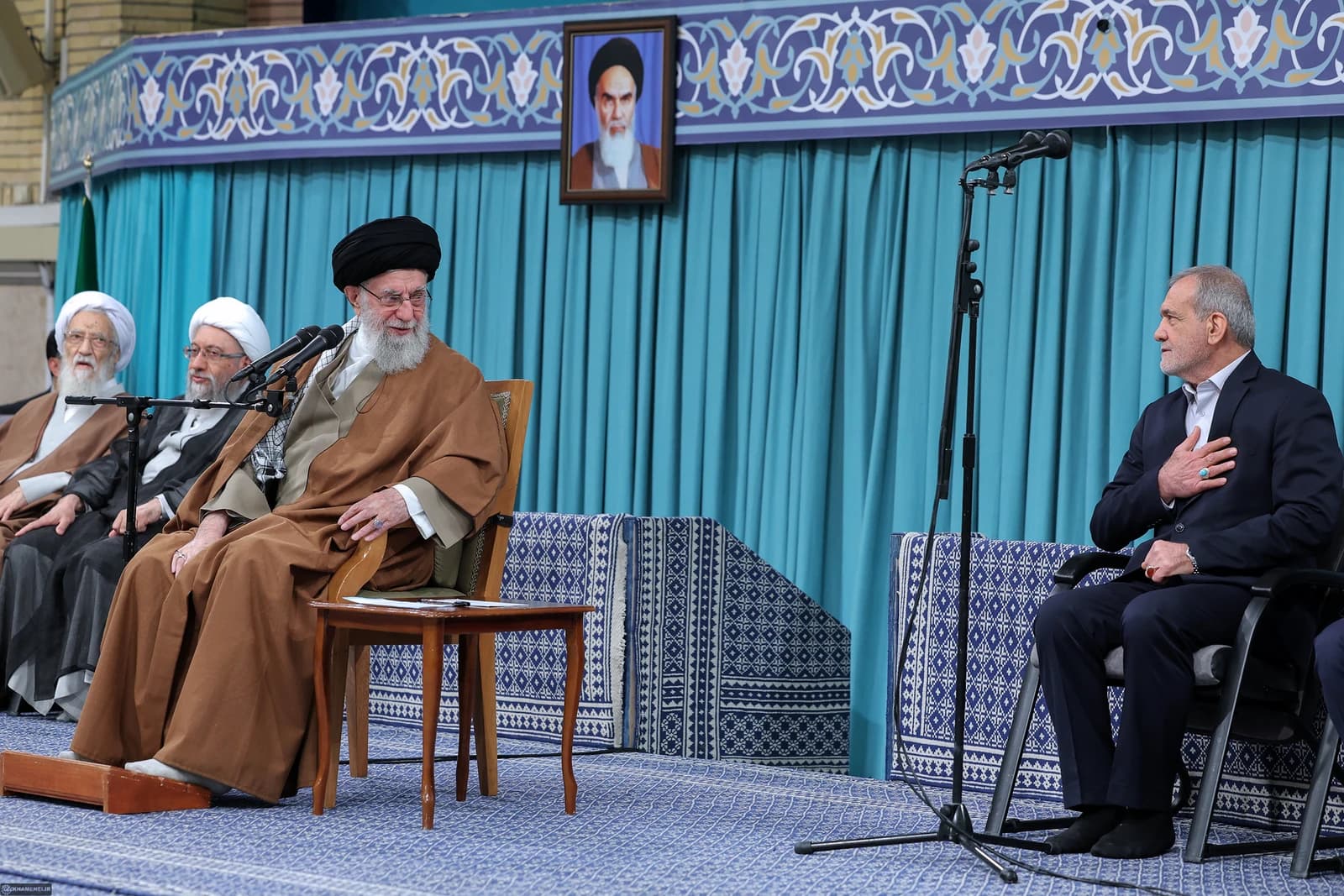
The DAX is edging back toward its prior record on Wednesday as Iran and the United States held talks for the first time in months, easing fears of an oil-market shock that had briefly pushed Brent toward $110 a barrel.
DAX Edges Toward Record as Brent Falls Below $100

That matters because Germany’s benchmark is being led by the most market-sensitive input in the current macro trade: energy. Brent has slipped back below $100, pulling a key inflation and growth risk out of the market for now and giving equities room to recover after the DAX’s rebound stalled at its 50-day moving average in the previous session. With the index quoted around 25,700 points before the Xetra open, just under 0.5% higher and close to Tuesday’s 25,783-point high, traders are effectively pricing in a softer geopolitical premium.
Sentiment IndicatorsⓘProprietary · adalytica.com · September 27, 2026
This is a snapshot — live sentiment, awareness and momentum for 130+ markets update continuously in the dashboard.Open AlphaPulse

The move is bigger than a one-day bounce. For Europe, a sustained easing in crude prices would relieve pressure on industrial margins, transport costs and consumer demand just as investors are watching whether the region can keep pace with the U.S. rally. The Nasdaq 100’s record close on Tuesday is reinforcing the broader risk-on tone, but for Germany in particular, lower oil is the cleaner catalyst: it supports earnings visibility for cyclical exporters and reduces the chance that tighter energy conditions bleed into inflation expectations and central-bank caution.
That is why the market reaction is likely to matter more than the diplomacy itself. The talks may or may not produce a lasting agreement, and the dispute over the Strait of Hormuz remains a live risk. But even a partial de-escalation can move pricing fast, because the market had been paying up for supply disruption. The immediate beneficiary is obvious: companies and indices exposed to lower input costs. The losers are equally clear: oil bulls, energy exporters and anyone positioned for a renewed supply shock.
For investors, the setup argues for staying constructive on Europe’s beta trades while the geopolitical premium fades. German blue chips have room to reclaim recent highs if oil stays contained and global risk appetite holds, and the broader Europe-to-U.S. rotation can improve if the region gets a break on energy at the same time U.S. megacaps keep setting the pace. The key question now is not whether Iran and the U.S. resolved anything in one meeting; it is whether the market has started to unwind a worst-case oil scenario. If it has, the DAX’s push back to record territory may be the first trade, not the last.
| Entity | Gains | Losses |
|---|---|---|
| DAX / German blue chips | ▲Lower energy costs | ▼Geopolitical risk premium |
| European cyclicals | ▲Better margin outlook | ▼Oil-price spike fears |
| Brent crude / oil bulls | ▲Softer demand for hedges | ▼Supply-shock bids |
| Consumers / importers | ▲Relief on inflation pressure | ▼None clearly immediate |