Natural gas prices fell sharply on Tuesday as investors pared back the war premium built into European energy markets on hopes that diplomatic contacts around the Middle East could reduce the risk of a supply shock.
Dutch TTF gas falls on Middle East de-escalation hopes
The benchmark Dutch TTF contract, Europe’s gas reference price, dropped 5.35% to 69.33 euros per megawatt hour around 13:20, according to market data cited in the source article. That leaves the contract down 7.54% over the past week, although prices are still about 163% above their level at the start of the year, underscoring how much geopolitical risk remains embedded in the market.
Sentiment IndicatorsⓘProprietary · adalytica.com · September 26, 2026
This is a snapshot — live sentiment, awareness and momentum for 130+ markets update continuously in the dashboard.Open AlphaPulse
The move matters because European gas remains highly sensitive to any disruption around the Strait of Hormuz and wider regional shipping lanes. Iran said it had again conveyed conditions to the United States for reopening the strait, while Donald Trump said he would probably be open to meeting Iranian President Massoud Pezeshkian at this week’s UN summit in New York. Traders read that as a small but meaningful sign that the confrontation may be moving, at least temporarily, toward negotiation rather than escalation.
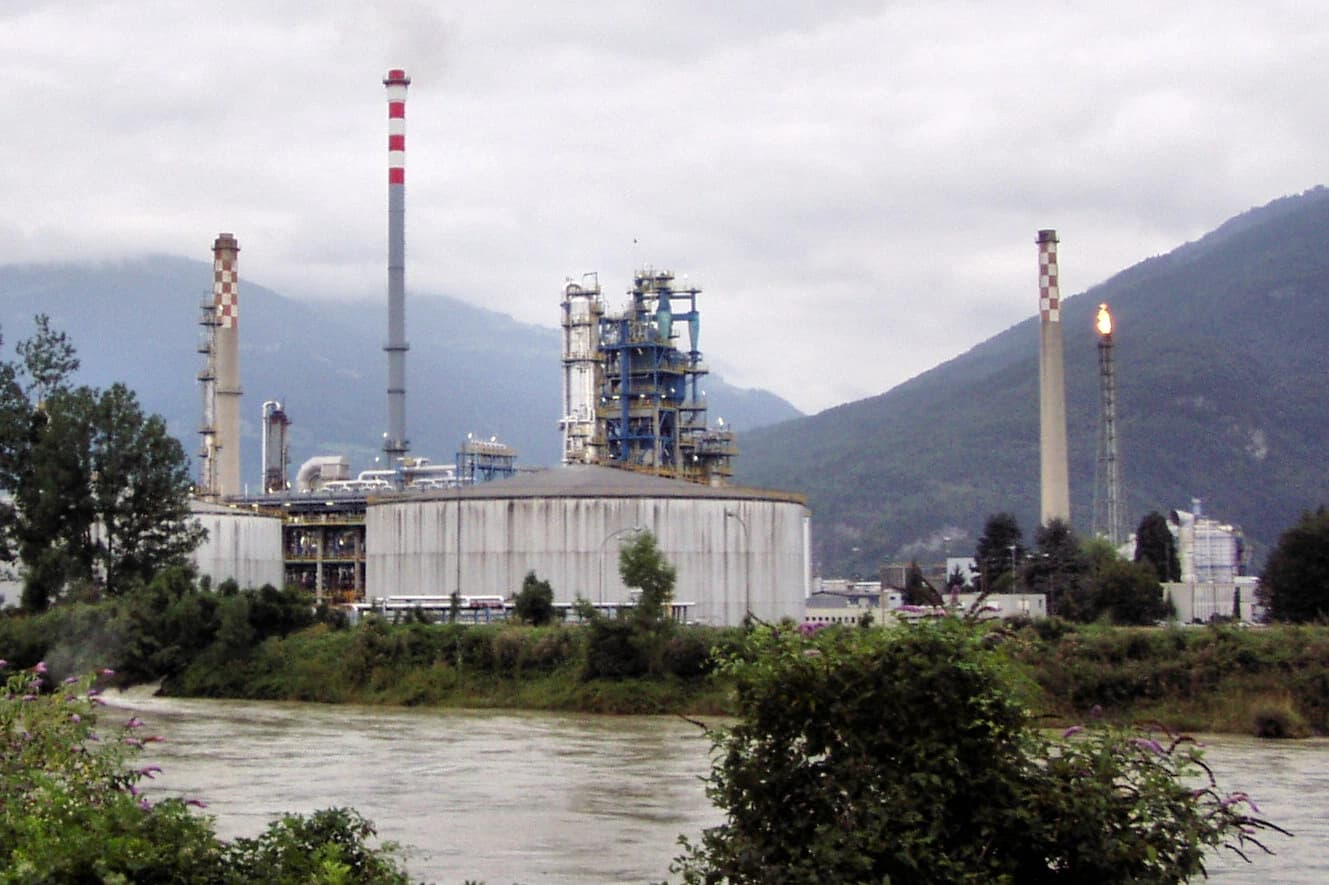
Lower prices also reflect a mix of fundamentals that have reduced immediate pressure on buyers. More LNG tankers and oil tankers have been taking alternative routes, easing fears over direct supply disruption, while demand for LNG in northeast Asia remains weak, including in China, Japan and Turkey. In Europe, warmer and drier weather is expected over the next two weeks, which should curb heating demand and allow storage levels to be drawn more slowly.
That storage cushion is still not comfortable. EU gas storage was 68.7% full as of Sept. 15, below the 10-year average of 86.1%, leaving the market vulnerable if diplomacy fails and winter demand arrives before inventories are rebuilt. For consumers and industrial users, the decline offers some relief after months of price spikes, but it does not remove the risk of renewed volatility if negotiations disappoint or shipping routes are again threatened.
For investors, the pullback is a reminder that European energy prices can fall quickly on de-escalation headlines, but the underlying regime remains one of elevated geopolitical risk. Natural gas-sensitive assets, including European utilities, industrials and gas-linked funds, are likely to stay driven by headlines as much as supply and demand balance sheets. Oil’s parallel retreat suggests broader relief across hydrocarbons, though the market is still pricing a fragile truce rather than a durable resolution.
The near-term focus is on whether the diplomatic tone holds through the UN gathering and whether shipping flows continue to normalize. If talks progress, the war premium in gas and crude could unwind further; if they falter, Europe’s thin storage buffer and exposed import dependence could quickly reverse the move.
| Entity | Gains | Losses |
|---|---|---|
| Gas buyers in Europe | ▲Lower input costs | ▼Less hedge protection on a rally |
| LNG importers and utilities | ▲Short-term price relief | ▼Persistent supply-risk exposure |
| Geopolitical de-escalation bets | ▲Easier market conditions | ▼War-premium longs |
| Gas producers and export-linked traders | ▲— | ▼Softer near-term pricing power |