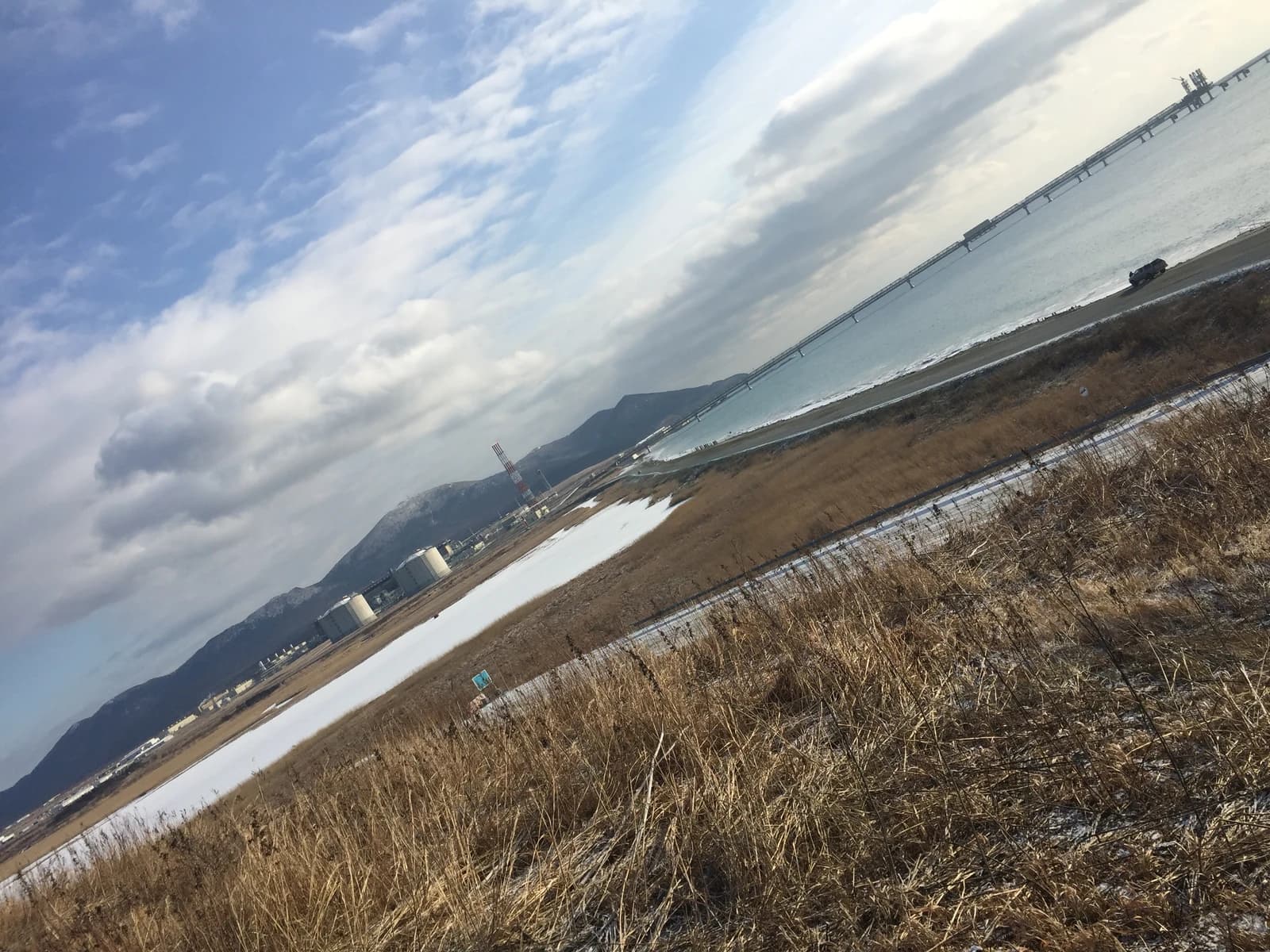
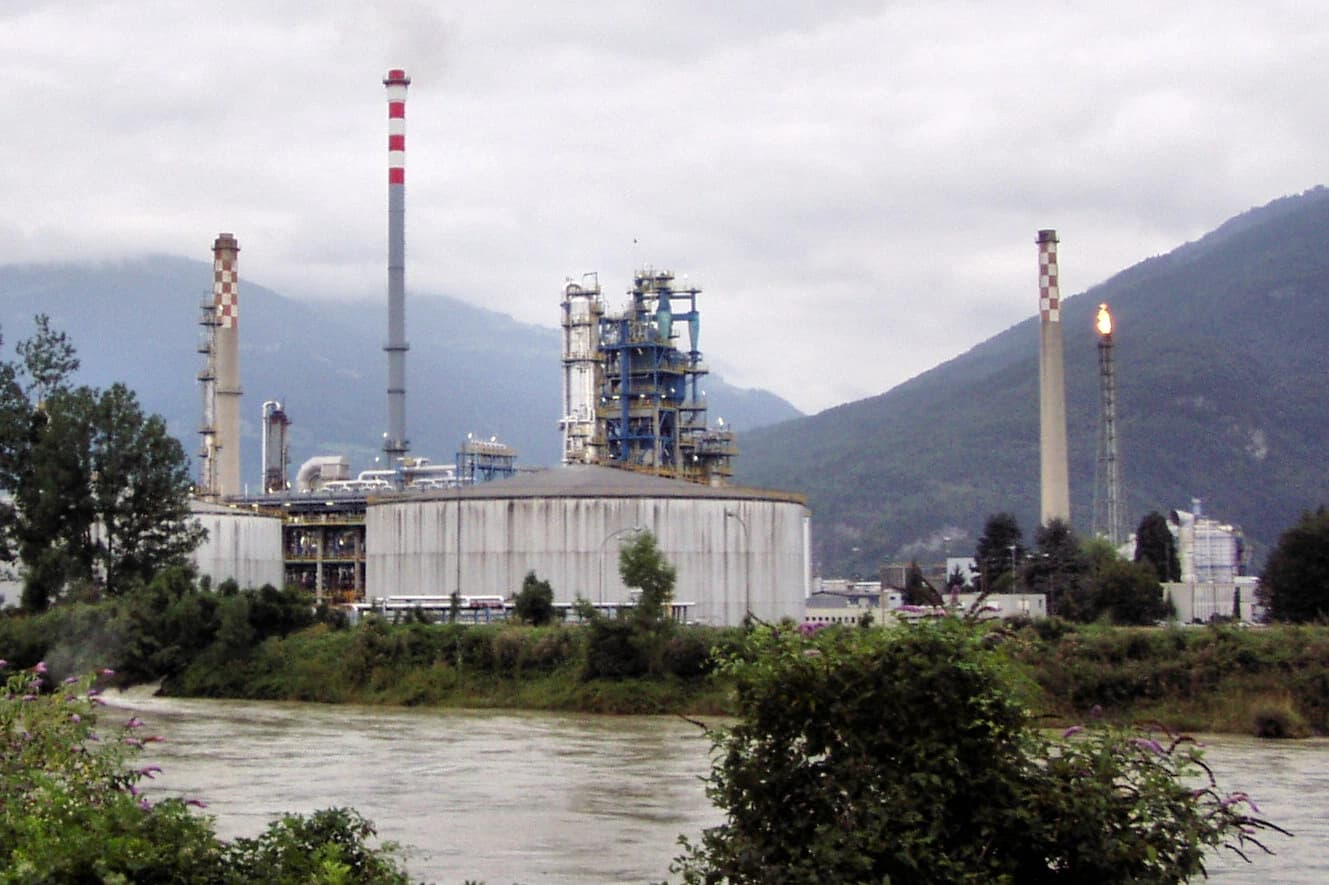
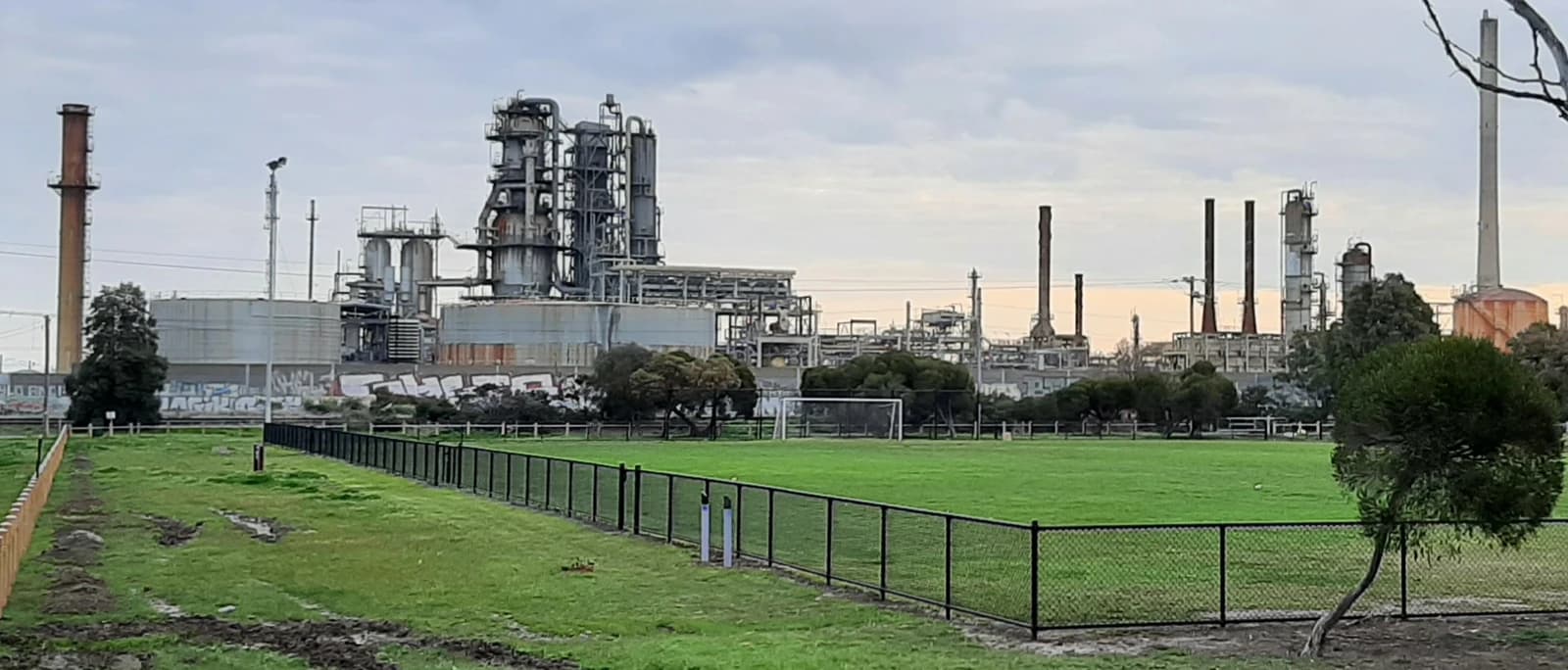
The war in the Middle East is upending the liquefied natural gas market by choking off about a fifth of global LNG flows, lifting gas prices in Europe and Asia and forcing buyers, traders and producers to rethink supply security.
LNG Prices Rise on Middle East War Disruption

That matters because LNG has become the marginal fuel for power generation and industrial demand in much of the world. When supply from a region that sits on key shipping lanes is disrupted, the shock spreads quickly through spot markets, long-term contracts and investment plans. Europe needs LNG to replace pipeline gas, while Asia depends on it to balance power systems and fuel growth, so any sustained interruption feeds directly into inflation, utility costs and margins for energy-intensive industries.
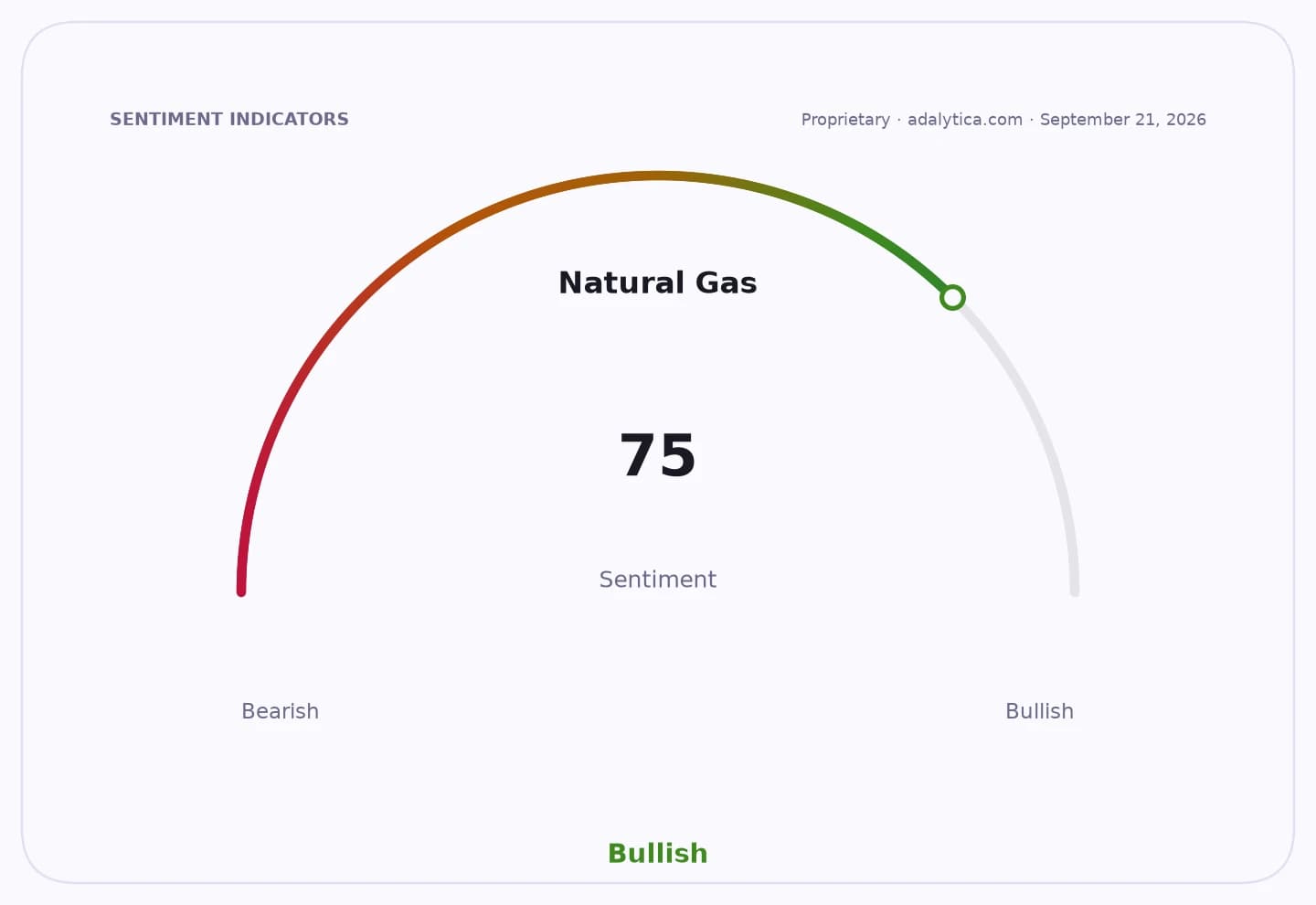
Sentiment IndicatorsⓘProprietary · adalytica.com · September 26, 2026
This is a snapshot — live sentiment, awareness and momentum for 130+ markets update continuously in the dashboard.Open AlphaPulse
The market has already responded. U.S. natural gas futures sit near $5.11 per million British thermal units, up from $4.96 a day earlier and well above the levels seen for much of the past year, while the Adalytica natural gas trade signal shows “Extreme Fear” with sentiment at 4.0 after a 48% drop over seven days. At the same time, the Global Stability sentiment gauge remains neutral, underscoring how geopolitical risk is lifting gas anxiety even if broader market fear is not yet systemic.
LNG-linked equities are reflecting that squeeze. Cheniere Energy, the largest U.S. LNG exporter, closed at $268.54 after trading as high as $274.74, remaining far above its 200-day moving average of $244.14 even after a sharp pullback from earlier highs. The United States Natural Gas Fund, a proxy for front-month gas exposure, finished at $11.13 after surging to $11.55, while the ProShares UltraShort Bloomberg Natural Gas fund, which benefits when gas prices fall, slid to $24.69. That split highlights how traders are positioning for tighter balances rather than a quick normalization.
The geopolitical shock is also colliding with a longer-term supply story. The market is not short of announced projects, but it is short of certainty. New liquefaction capacity in the United States, Qatar, Canada and elsewhere is due to come onstream over the next few years, yet Middle East shipping risks, upstream constraints and transit disruptions can still distort the path to market. For buyers in Europe and Asia, that raises the premium on flexible cargoes and long-term offtake deals; for producers, it improves pricing power and supports investment case for export terminals.
Investor implications are mixed. Bulls argue that tighter LNG balances, especially if Middle East tensions persist, can sustain stronger gas pricing for longer and extend the earnings tailwind for exporters such as Cheniere and other infrastructure names. Bears point out that the market is notoriously cyclical: a wave of new supply could overwhelm demand growth once current disruptions ease, compressing spot margins and rewarding only the lowest-cost, best-contracted players.
For now, the central narrative is clear: the war in the Middle East is not just a regional security event but a global LNG pricing shock that is reshaping trade flows, raising the value of supply optionality and forcing investors to decide whether today’s scarcity premium is the start of a new regime or a temporary spike.
| Entity | Gains | Losses |
|---|---|---|
| LNG exporters | ▲Higher prices, stronger margins | ▼Contract risk, shipping costs |
| LNG importers | ▲Supply diversification drive | ▼Higher fuel bills |
| Cheniere Energy | ▲Pricing power, export demand | ▼Volatility from disruptions |
| Short LNG positions / KOLD | ▲Quick selloffs, sharp squeezes | ▼Losses when gas rallies |