Qatar’s push to lock in long-term American gas supply is one of the clearest signs yet that the world’s biggest LNG players are reworking their portfolios for a more volatile energy era.
Qatar Energy seeks long-term U.S. LNG supply deals

That matters because Qatar is not simply shopping for cargoes; it is trying to secure optionality in a market where Middle East shipping risks, tighter supply and stubbornly high oil prices keep lifting the value of reliable gas flows. For investors, the message is straightforward: the LNG business is becoming less about spot swings and more about long-duration contracts, portfolio resilience and the companies that can move molecules across borders without getting trapped by geopolitics.
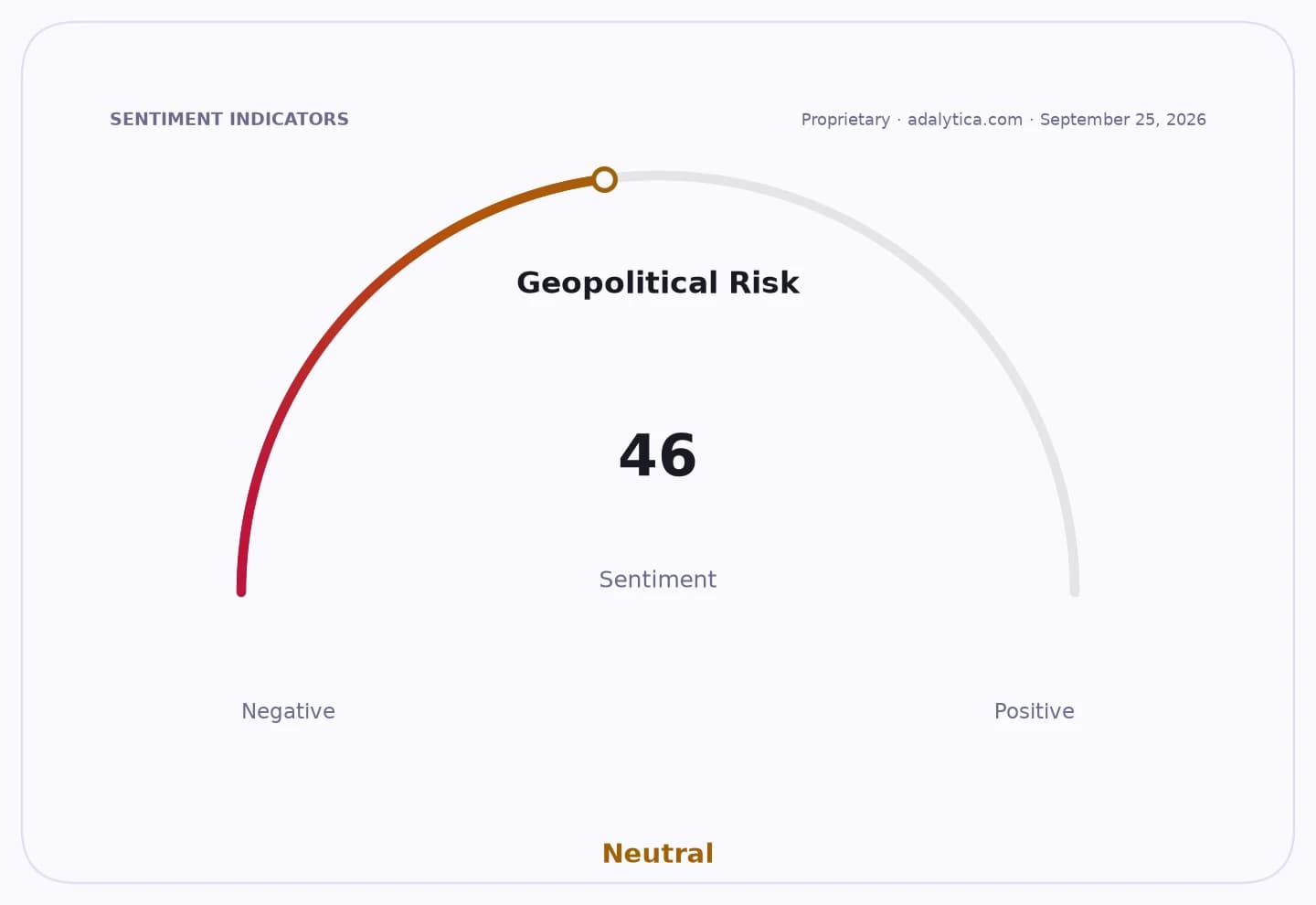
Sentiment IndicatorsⓘProprietary · adalytica.com · September 17, 2026
This is a snapshot — live sentiment, awareness and momentum for 130+ markets update continuously in the dashboard.Open AlphaPulse
The backdrop explains why this strategy is gaining urgency. U.S. crude has been climbing again, with WTI recently trading around $107.02 a barrel and a forecast near $107.82. The 10-year Treasury yield is also back near 5%, a reminder that capital is still expensive and that energy projects need durable cash flows to earn their keep. In that setting, Qatar Energy’s interest in American LNG agreements looks less like a tactical trade and more like a strategic hedge against regional disruption.
That is good news for the infrastructure names tied to North American gas exports. Cheniere Energy, the largest U.S. LNG exporter, has seen its shares rise sharply this year and remain well above both the 50-day and 200-day moving averages, even after a recent pullback from highs. The stock’s long-term trend is still intact, which suggests investors continue to prize the company’s contract-heavy model. Kinder Morgan and Williams Companies, meanwhile, remain important toll-road businesses in the gas value chain, and their steadier pricing patterns reflect how investors often prefer fee-based midstream cash flows when commodity markets get choppy.
The broader investment story is that Qatar’s move reinforces the durability of LNG as a secular theme. Long-term supply deals can help producers finance new liquefaction capacity, support pipeline and export infrastructure, and give buyers more protection from regional shocks. That may not be flashy, but it is exactly the kind of plumbing that can compound for years.
There are still risks. If global gas prices weaken or if financing costs stay elevated, new export capacity can take longer to pay off. And if Middle East tensions cool, some of the urgency around supply diversification could fade. But even then, the direction of travel is clear: buyers want optionality, exporters want locked-in demand, and the companies sitting in the middle are likely to keep winning.
For long-term investors, this is a reminder that the most attractive energy investments are often the ones built on contracts, not headlines. Qatar’s U.S. gas re-engineering is worth watching, and it strengthens the case for owning the LNG and midstream names that can turn global uncertainty into steady cash flow.
| Entity | Gains | Losses |
|---|---|---|
| Qatar Energy | ▲Supply diversification | ▼Dependence on one region |
| Cheniere Energy | ▲Long-term LNG demand | ▼Spot-price weakness |
| Williams / Kinder Morgan | ▲Fee-based volume growth | ▼Margin pressure from volatility |
| Global LNG buyers | ▲More secure supply | ▼Less flexibility on pricing |